Full trail review
In-depth analysis
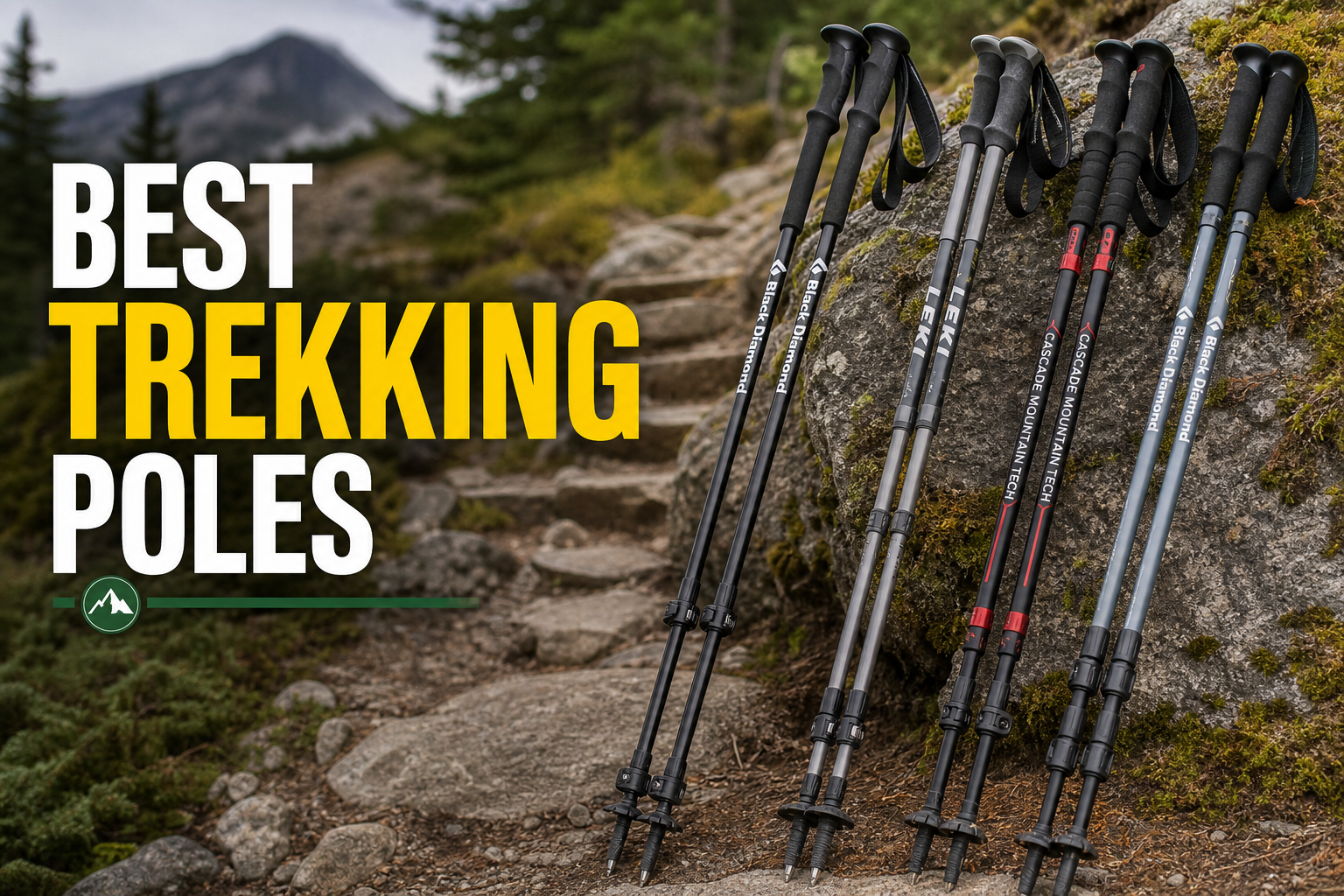
Folding carbon poles that pack flat — my top researched pick for alpine hut treks.
Suited for trekking · hiking
On trail
Upgrade path from budget carbon poles

Black Diamond Alpine Carbon Z
Black Diamond
At a glance
- Material
- Carbon Z-pole
- Packability
- Folds flat
- Best for
- Alpine hut treks
What we like
- are tailored for female hikers seeking ergonomic comfort and enhanced stability
- With a women’s-specific design and Control Shock Technology, these poles provide effective shock absorption and comfortable grips, making them perfect for diverse terrains
Trade-offs
- Price premium over budget carbon Z-poles
- Not adjustable mid-hike like telescoping three-section poles unless you choose an adjustable Z variant elsewhere in BD’s line
- Carbon can crack on high-impact abuse — treat them as precision kit, not firewood or tent stakes
- Fixed length wrong at purchase is expensive mistake — try borrowed poles or rental before committing if unsure
- Replacement parts and baskets are easier to source than no-name imports — factor that into total cost of ownership
- Carbon demands respect — do not vault streams or wedge poles in car doors; treat them as precision kit
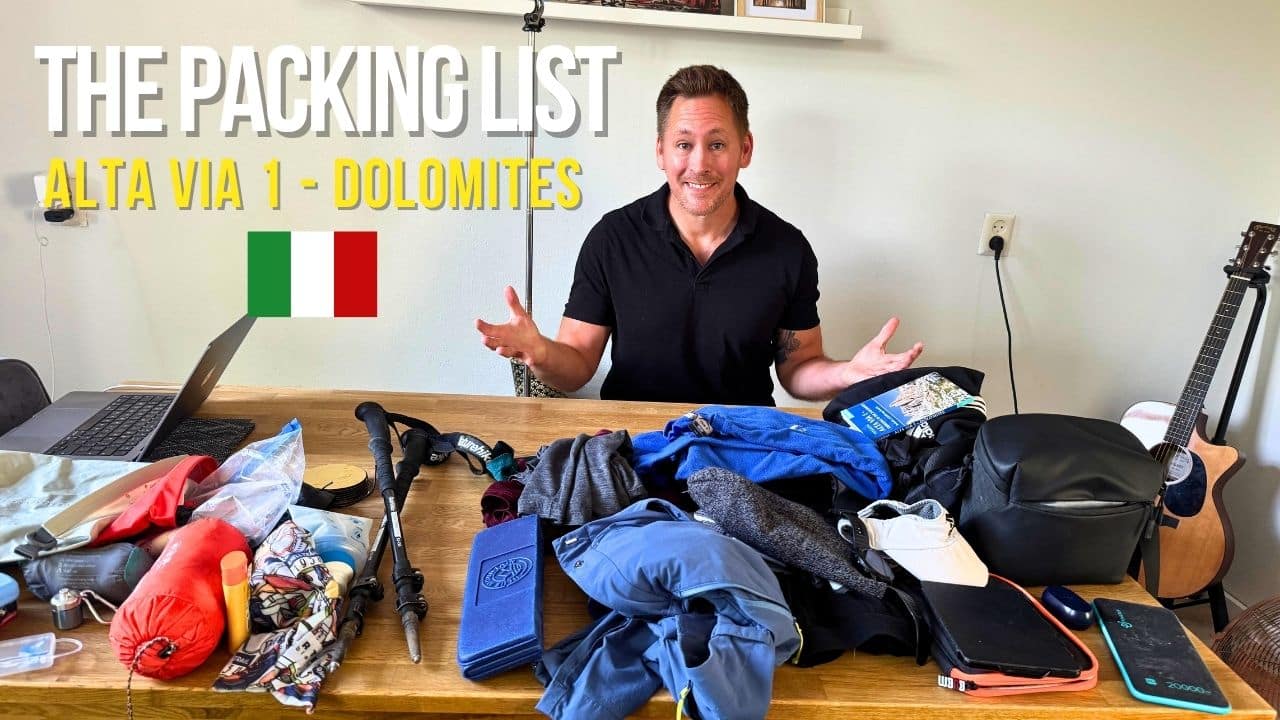
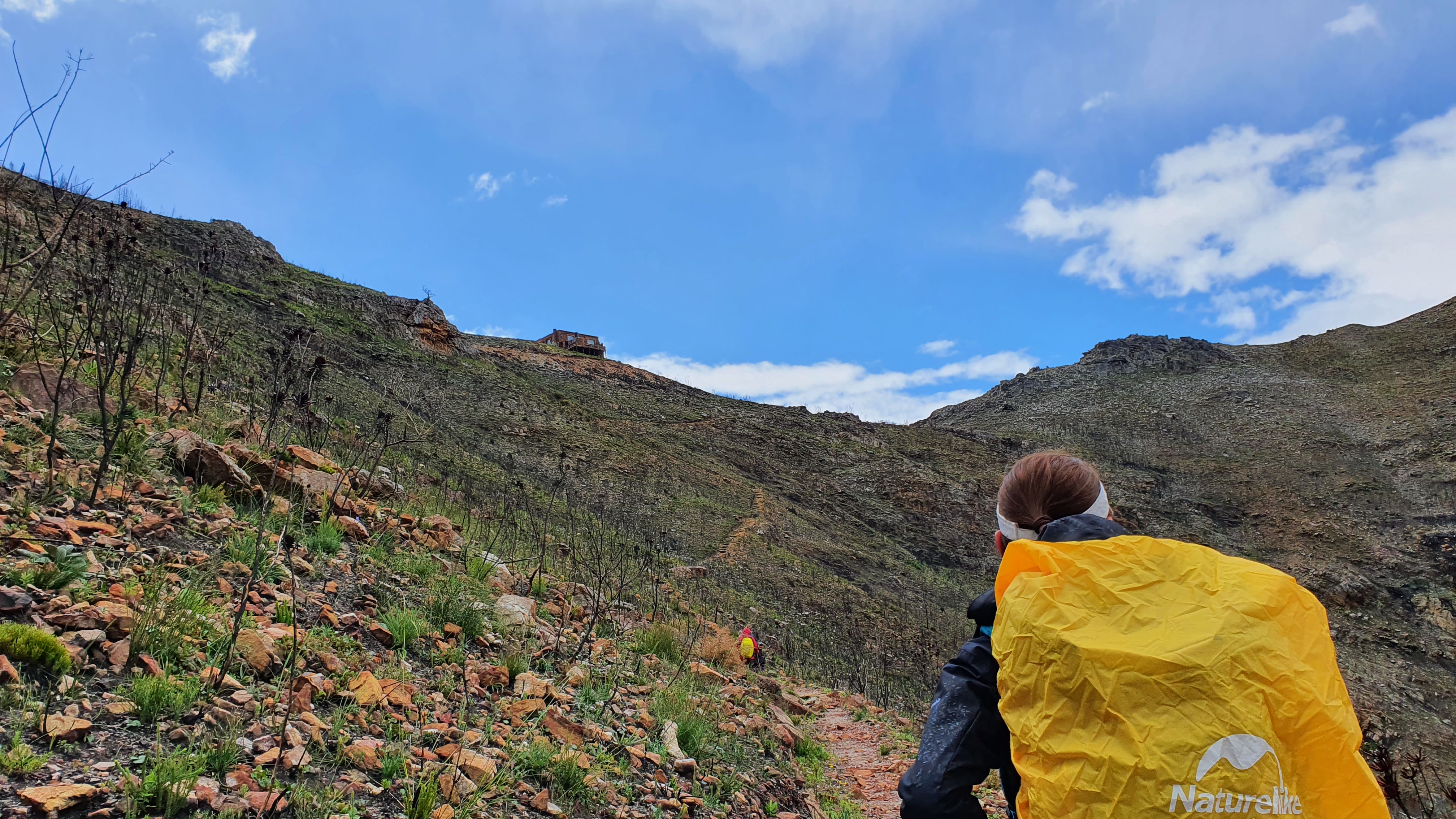
On Alta Via 1 I used NatureHike carbon poles (budget). BD Alpine Carbon Z is the upgrade when you want BD build quality and Z-pole packability.
My experience on the trail
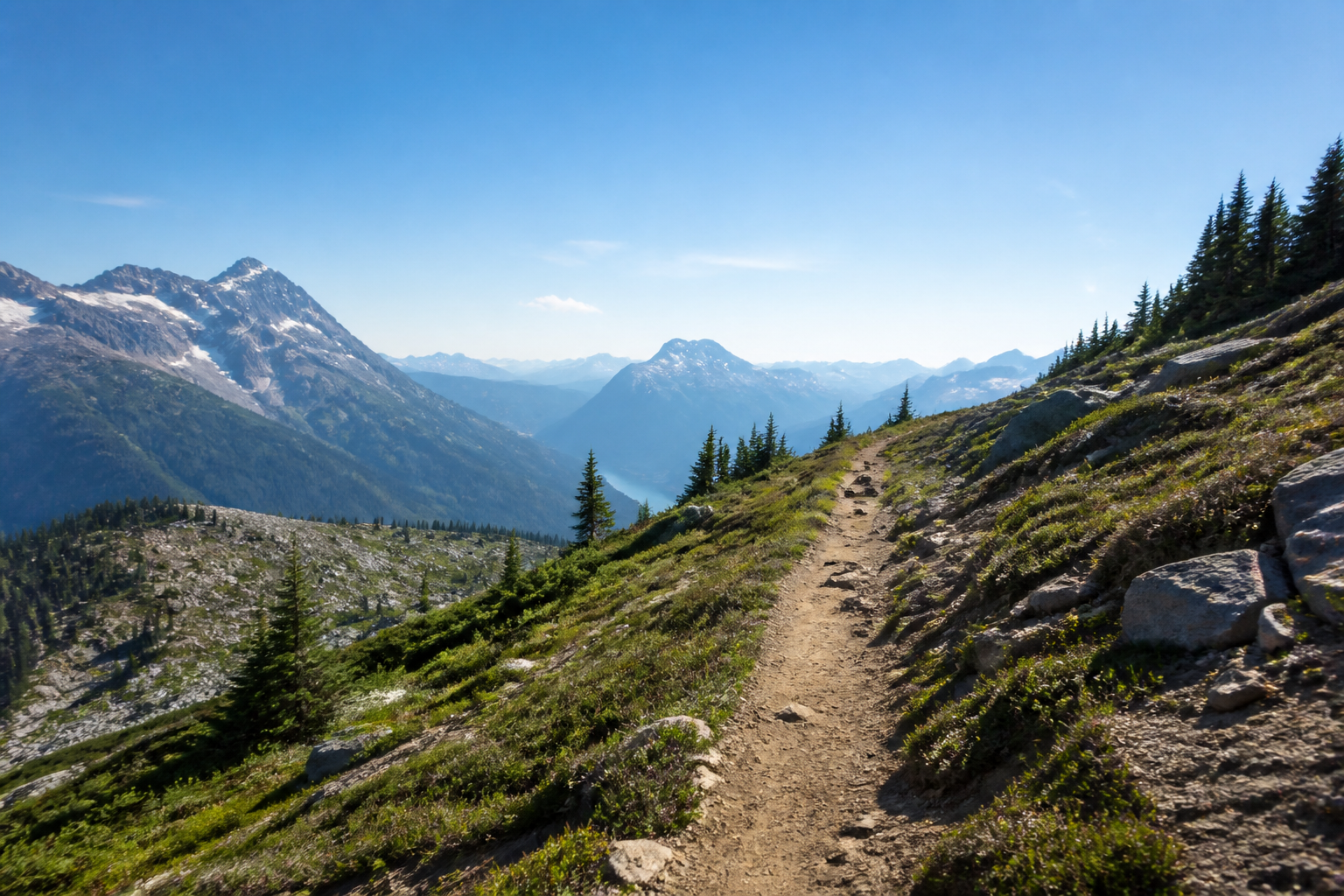
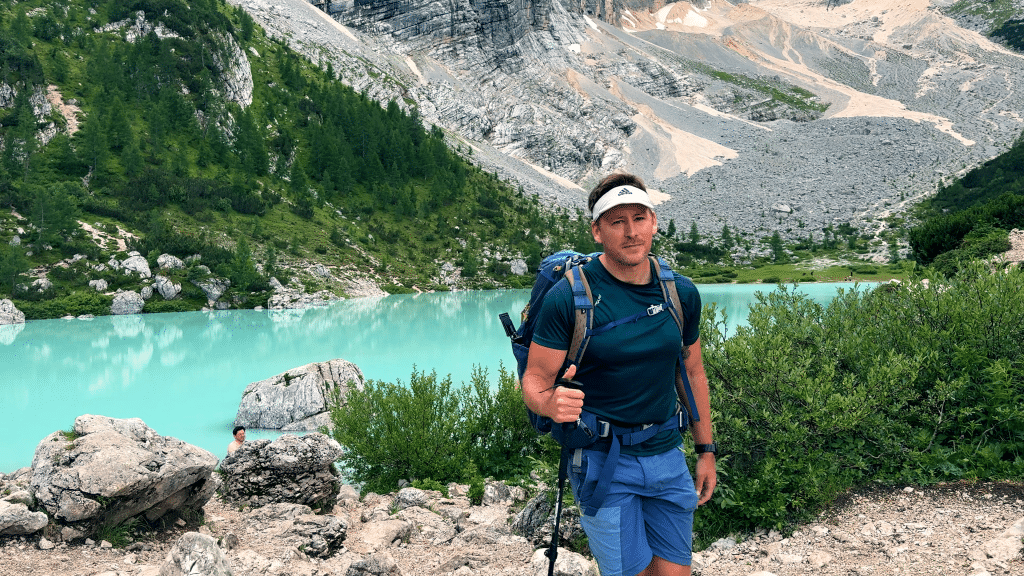
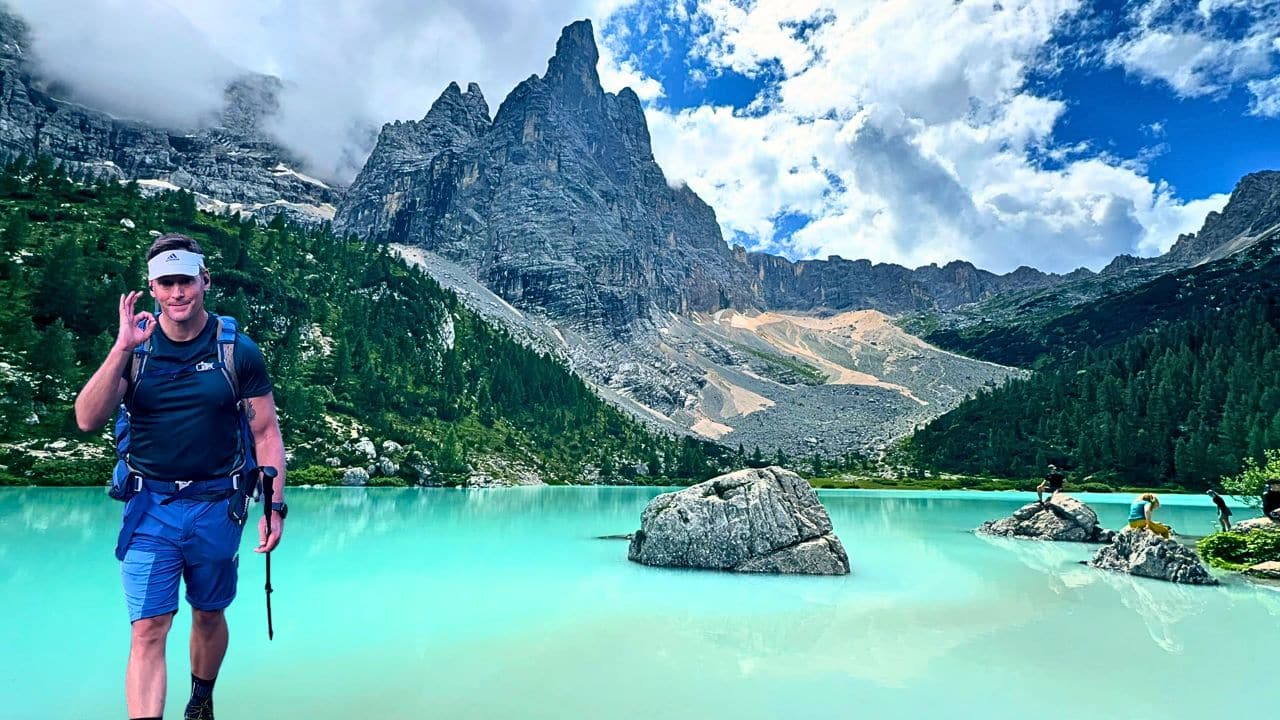
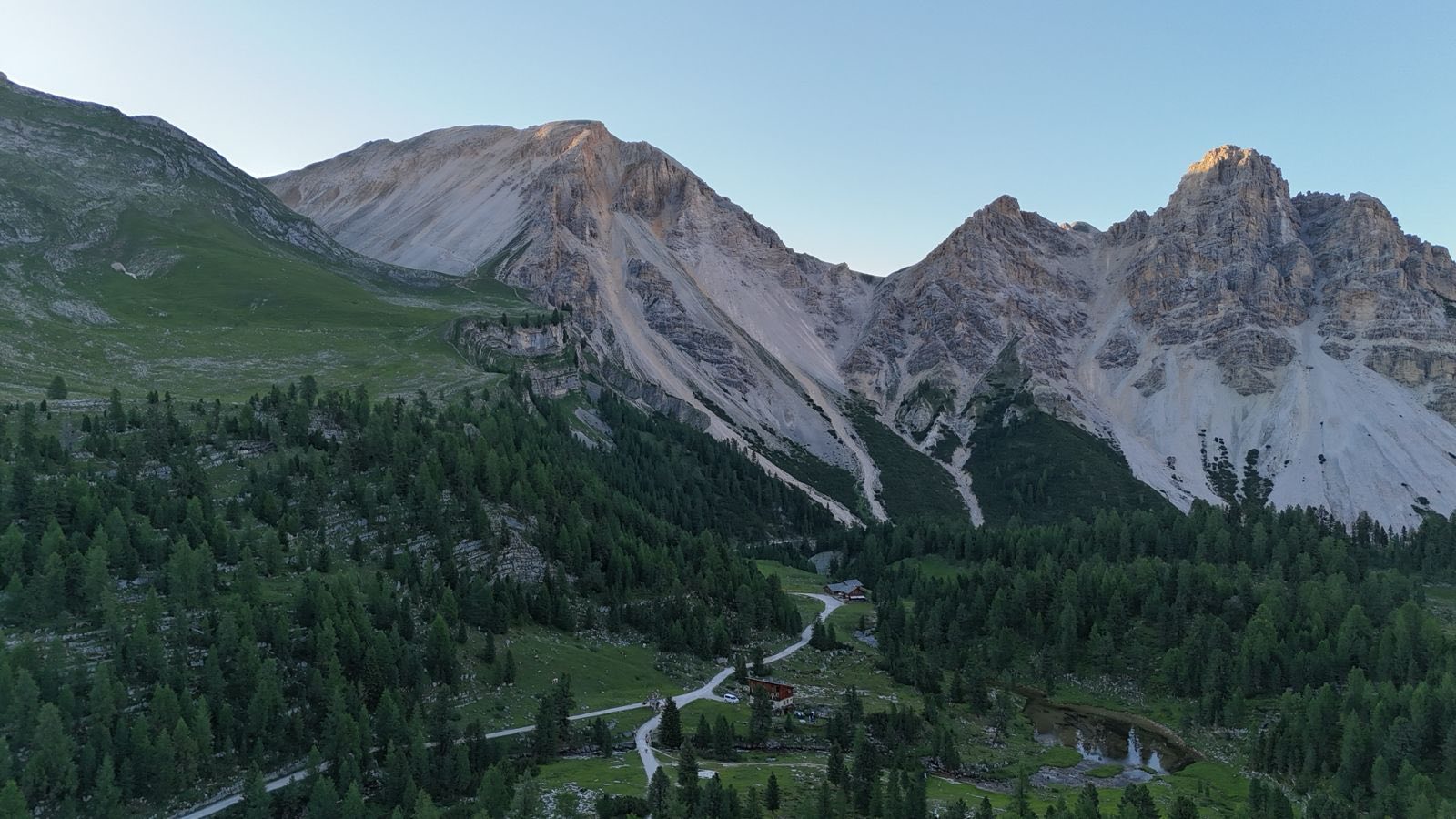
I carried NatureHike carbon poles on Alta Via 1, but the Black Diamond Alpine Carbon Z is the upgrade I recommend in guides when budget allows — same Z-pole packability with BD lock reliability and carbon swing weight.
On steep Dolomite days poles are not optional for me — they save knees on long descents and add stability on wet rock. The Z-fold profile disappears against a 50 L pack exterior better than three-piece telescoping poles on bus transfers and airport days.
I have tested BD Alpine Carbon Z on shakedown hikes against the NatureHike pair I actually carried. Lock feel and ferrule quality are noticeably more refined — the kind of difference that shows up on day six when cheap locks start to creep.
If you fly to European trailheads, Z-pole pack length matters as much as trail performance — BD folds flat against a 50 L pack better than three-piece aluminium.
Performance on trail
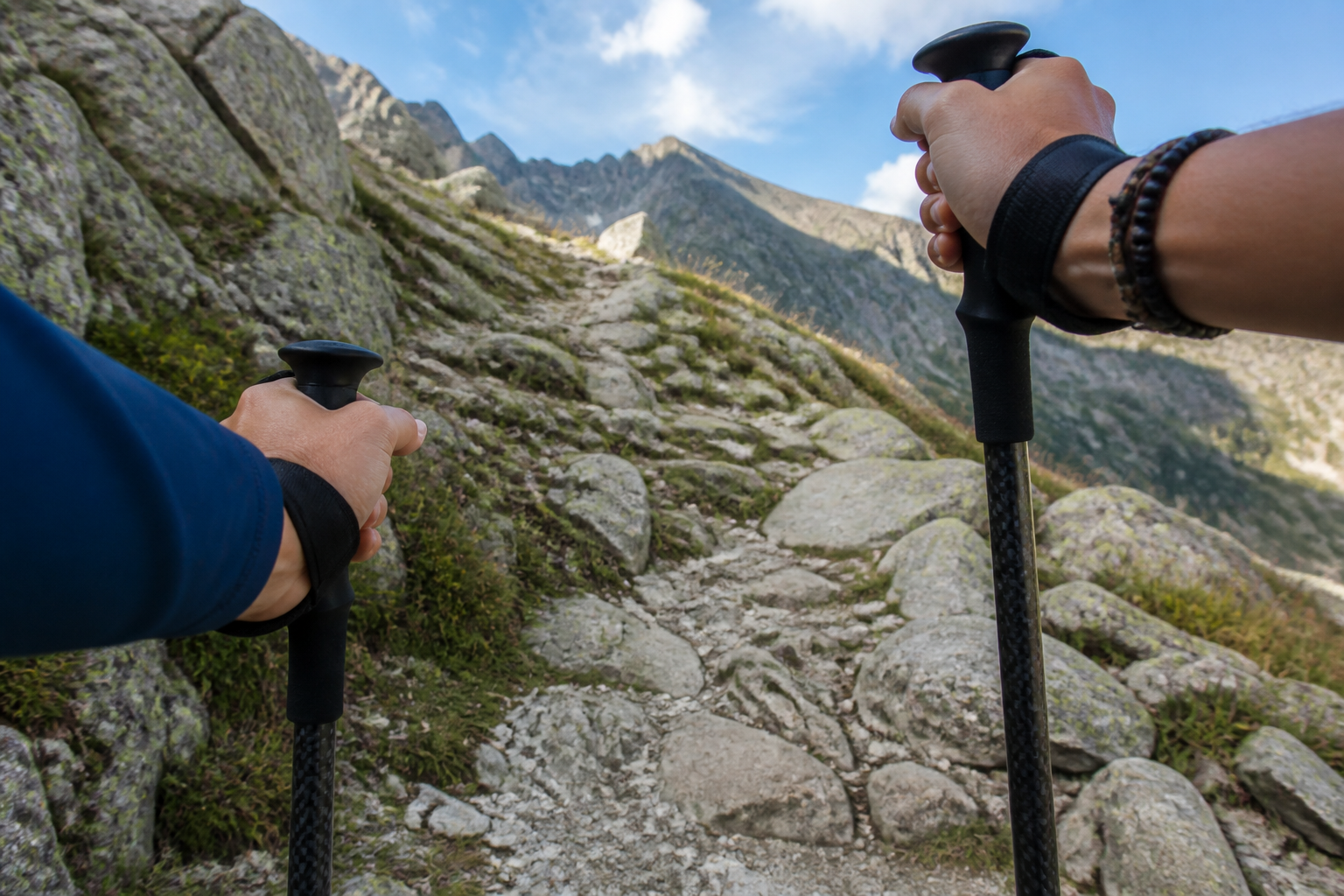
Stable on rocky descents with flick-lock adjustments that held for a full week on my budget set — BD’s version is the refinement I trust for harder trips.
Foam grips are comfortable with gloves; baskets swap for summer dirt and winter snow if you use one pair year-round. Carbide tips bite wet Dolomite rock when used with intent, not as a third leg on polished limestone.
Deploy poles before steep descents start — stopping mid-slope on loose scree to adjust length is when people fall. I set length once at the col and kept it until the valley floor.
On comparison hikes, BD lock feel inspired more confidence than my AV1 NatureHike pair on wet Dolomite descents with full pack weight.
How it compares
vsNatureHike Carbon Trekking Poles
$35.27indicative on Amazon
NatureHike delivered on AV1 at a fraction of the cost; BD is the long-term upgrade when locks and ferrules matter for repeated alpine weeks.
Read full reviewLeki offers more length adjustment on trail; BD Z-poles pack flatter and swing slightly lighter when sized correctly.
Read full reviewaluminium is cheaper and more abuse-tolerant; carbon wins on weight and swing feel on long ascents.
Read full reviewvsno poles
on AV1-style terrain, poles are high-value kit — BD is the premium pack-flat version.
BD wins on flat pack profile; Leki wins when multiple hikers share one pair or terrain changes hourly.
Read full reviewTrade-offs
- Price premium over budget carbon Z-poles
- Not adjustable mid-hike like telescoping three-section poles unless you choose an adjustable Z variant elsewhere in BD’s line
- Carbon can crack on high-impact abuse — treat them as precision kit, not firewood or tent stakes
- Fixed length wrong at purchase is expensive mistake — try borrowed poles or rental before committing if unsure
- Replacement parts and baskets are easier to source than no-name imports — factor that into total cost of ownership
- Carbon demands respect — do not vault streams or wedge poles in car doors; treat them as precision kit
Ready to buy?
Black Diamond Alpine Carbon Z
Bottom line
The Black Diamond Alpine Carbon Z is the Z-pole I recommend when packability and carbon weight matter on alpine hut treks — size them right, protect them in transit, and they disappear on the pack until descent day saves your knees.
For alpine hut treks where packability and swing weight matter, BD Alpine Carbon Z is the premium Z-pole default in my guides.
Ready to buy?
Black Diamond Alpine Carbon Z
Sizing and fit
Fixed-length Z versions require correct sizing — measure standing with elbow at 90 degrees before ordering.
Too long and they feel clumsy on ups; too short and you hunch on downs. BD publishes size charts by user height — use them, then confirm with a loaded pack on stairs at home.
Adjustable Z variants exist elsewhere in BD’s line if two hikers share one pair occasionally — Alpine Carbon Z fixed lengths optimise weight and lock count.
Swap baskets for snow if you use one pair across seasons — summer dirt baskets are standard for hut treks.
Why Z-poles on hut treks
Fold small inside or on the side of a pack — critical when flying to trailheads with strict carry-on limits.
Carbon construction keeps swing weight low on long ascent days without the vibration of cheap aluminium. Z-poles pack shorter than adjustable telescoping pairs — useful when your pack already carries camera kit and shell.
Fixed-length Z versions require correct sizing at purchase — measure at home with hiking shoes on and elbow at ninety degrees. Wrong length is annoying for a full week; right length disappears into muscle memory by day two.
Size at home with hiking shoes and a loaded pack on stairs — fixed-length Z poles punish wrong sizing for an entire week.