footwear
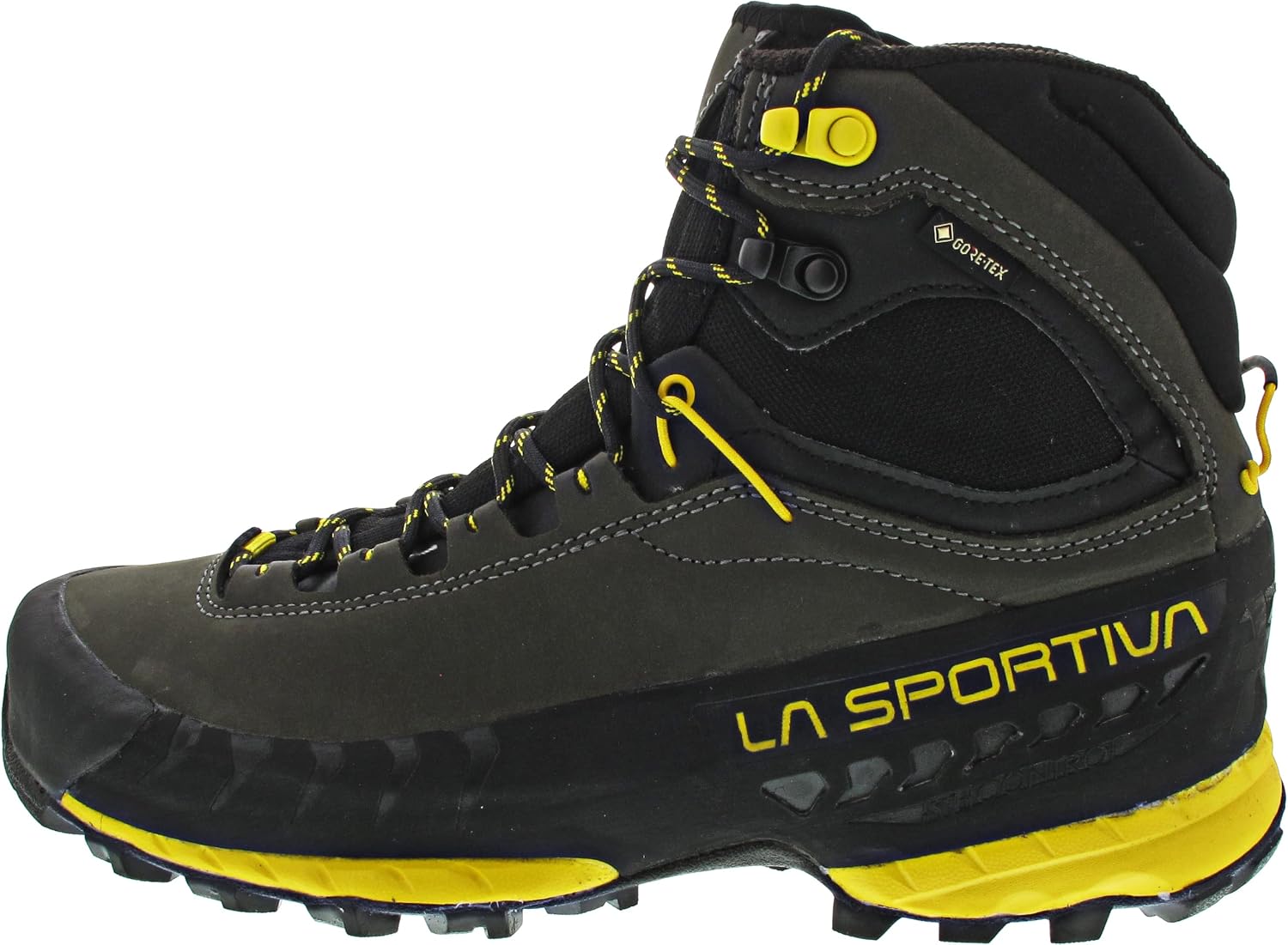
La Sportiva TXS GTX
My trail footwear on Alta Via 1. GTX membrane for wet Dolomite mornings without the bulk of a full boot.
Loading…
Gear
Footwear is personal — fit, terrain and pack weight all matter. The right boot or shoe should feel secure without hotspots on long days. Pair footwear with hiking socks and blister care; sock material and cushion often decide comfort before the shoe does.
Products I have personally carried, worn, or tested on trail.

footwear
My trail footwear on Alta Via 1. GTX membrane for wet Dolomite mornings without the bulk of a full boot.

footwear
Researched
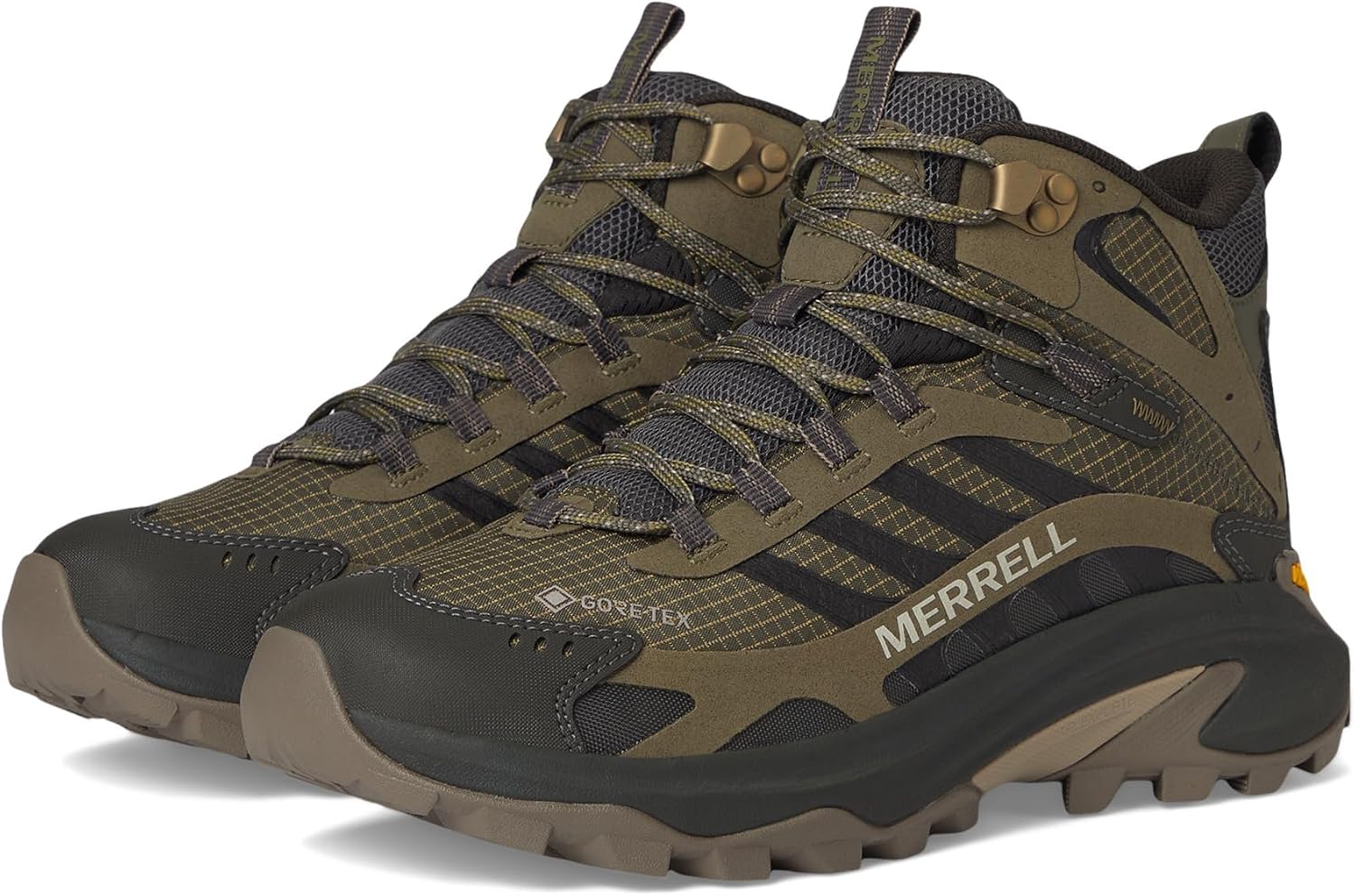
Previous-generation Merrell mid — superseded by Moab 3 Mid WP on merrell.com.
footwear
Researched
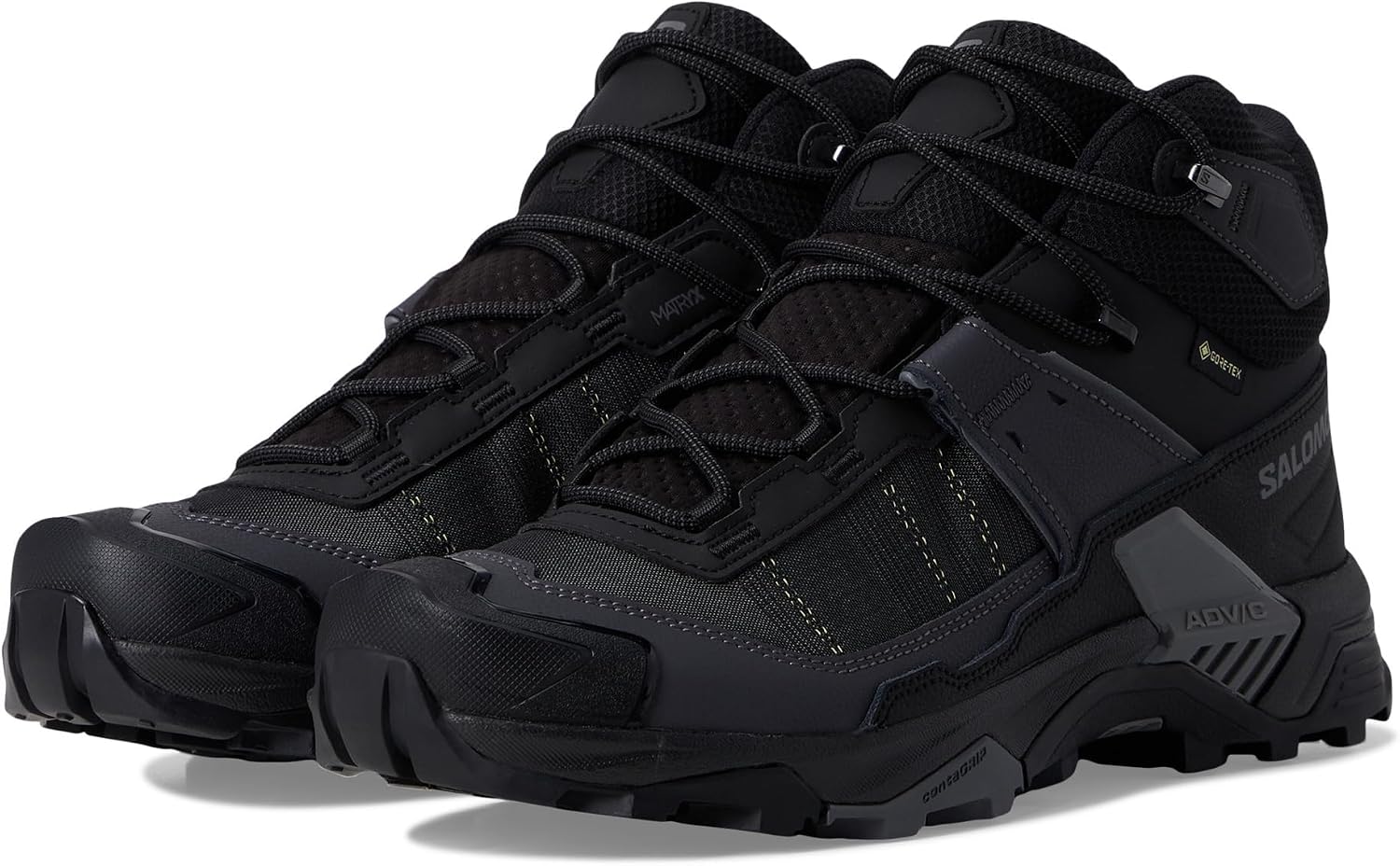
Agile mid GTX boot option from the HikingWithLee hiking boots guide.
footwear
Researched
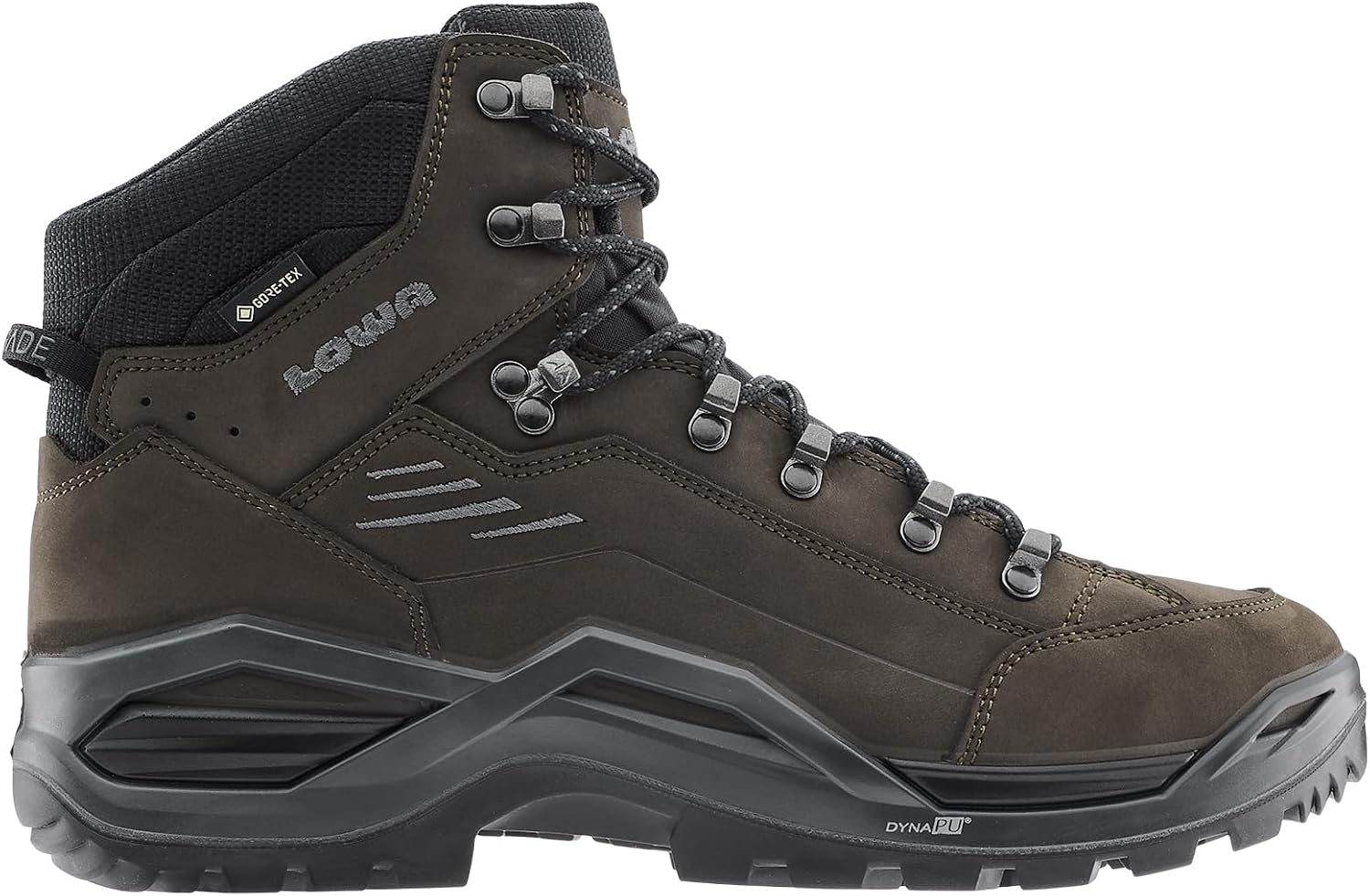
Supportive mid boot option covered in the HikingWithLee hiking boots guide.

footwear
Trail tested
My trail footwear on Alta Via 1. GTX membrane for wet Dolomite mornings without the bulk of a full boot.
Used on: Alta Via 1
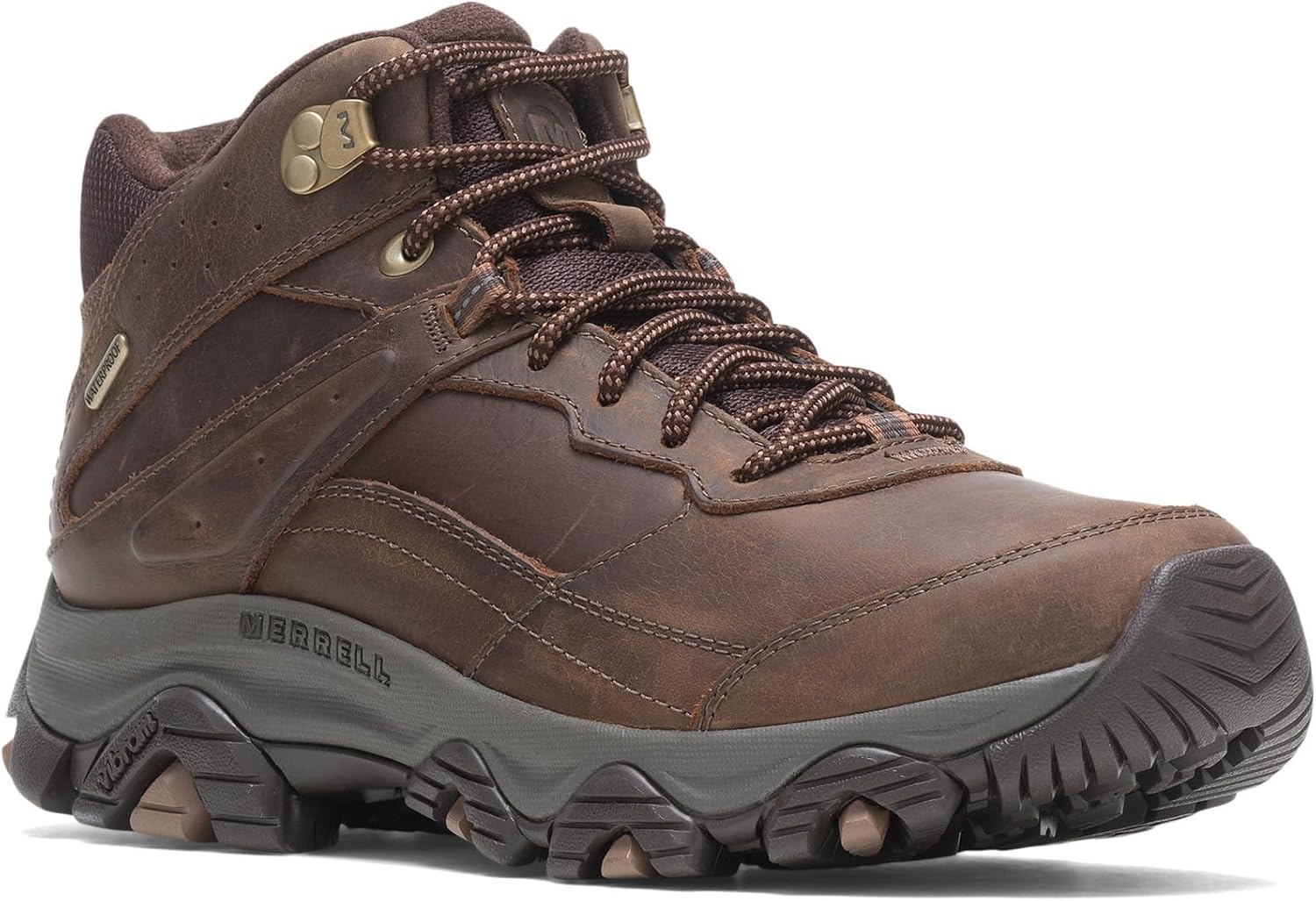
footwear
Researched
Merrell Moab 3 Mid WP — covered in HikingWithLee gear guides.
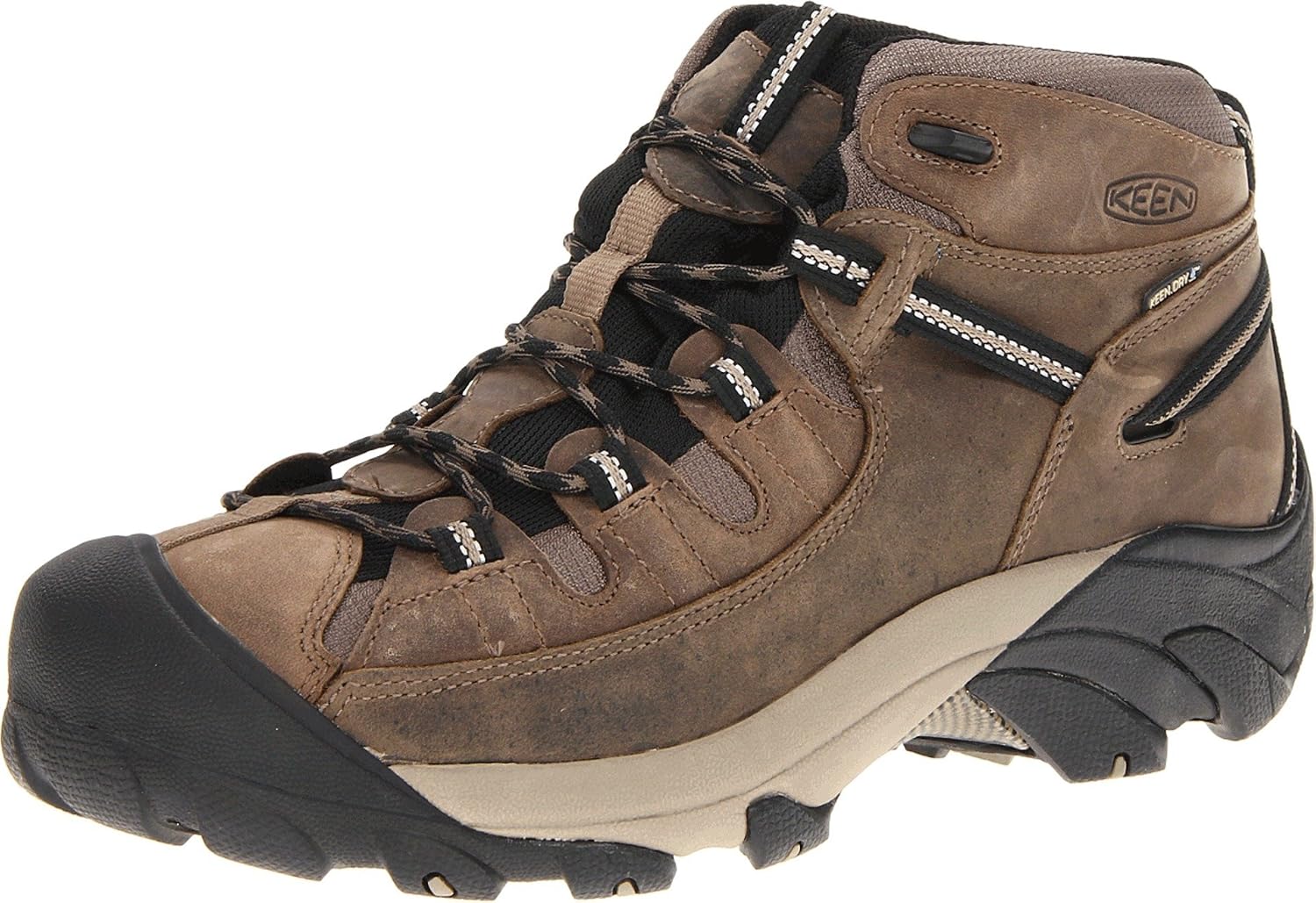
footwear
Researched
Keen Targhee III Mid Waterproof — covered in HikingWithLee gear guides.
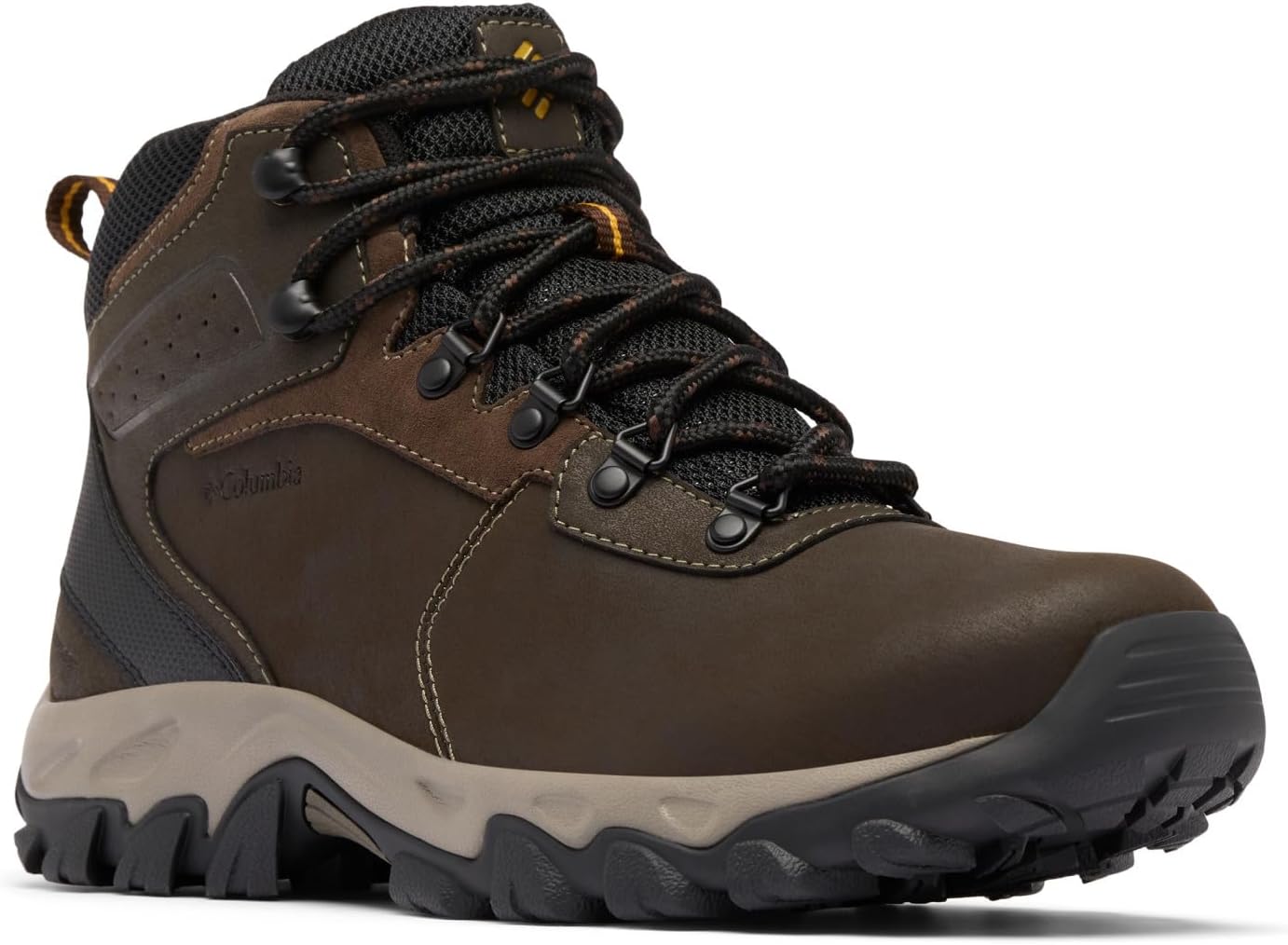
footwear
Researched
Columbia Newton Ridge Plus II Waterproof — covered in HikingWithLee gear guides.
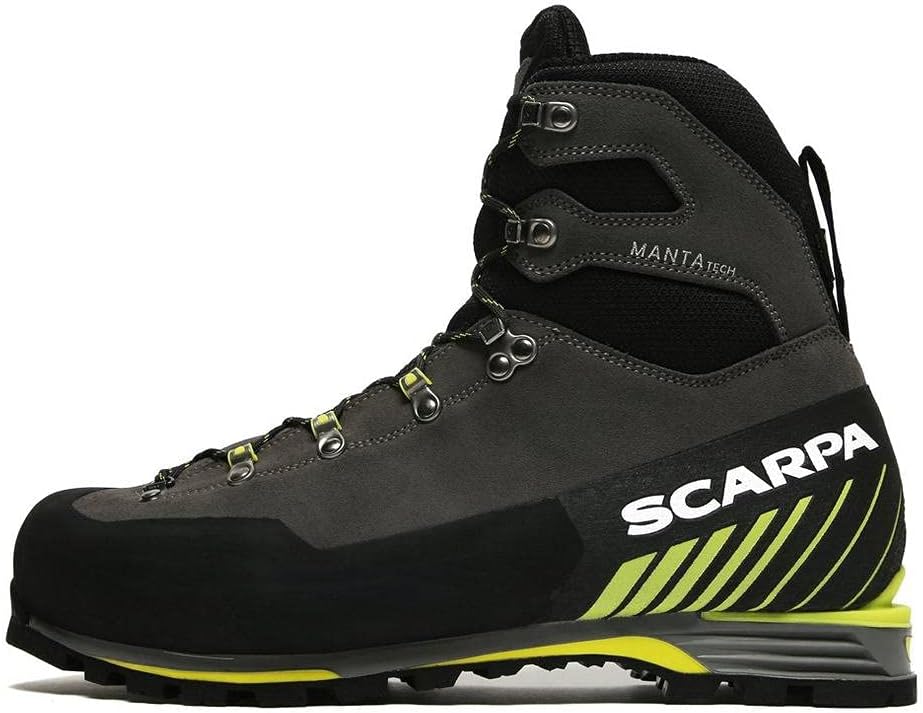
footwear
Researched
Scarpa Zodiac Plus GTX — covered in HikingWithLee gear guides.
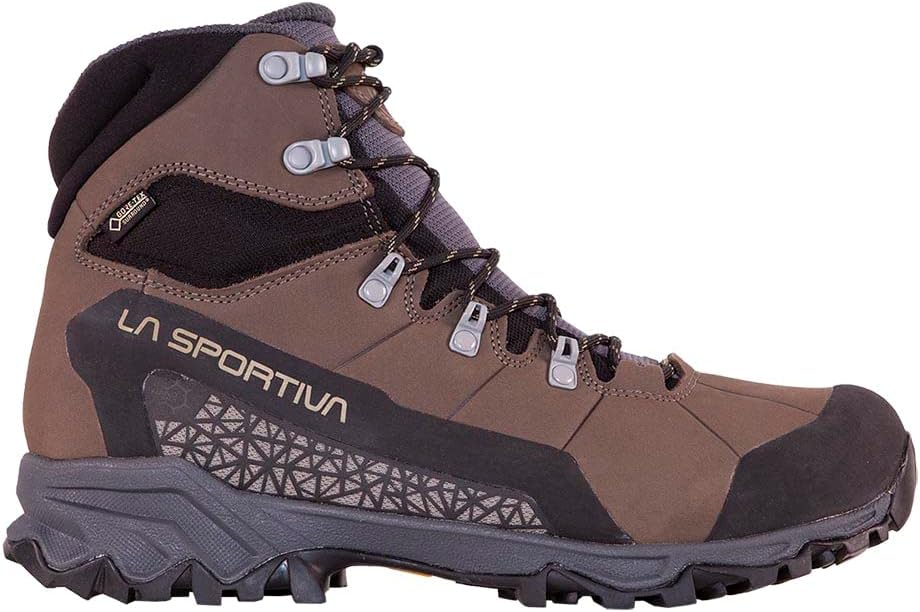
footwear
Researched
La Sportiva Nucleo High II GTX — covered in HikingWithLee gear guides.
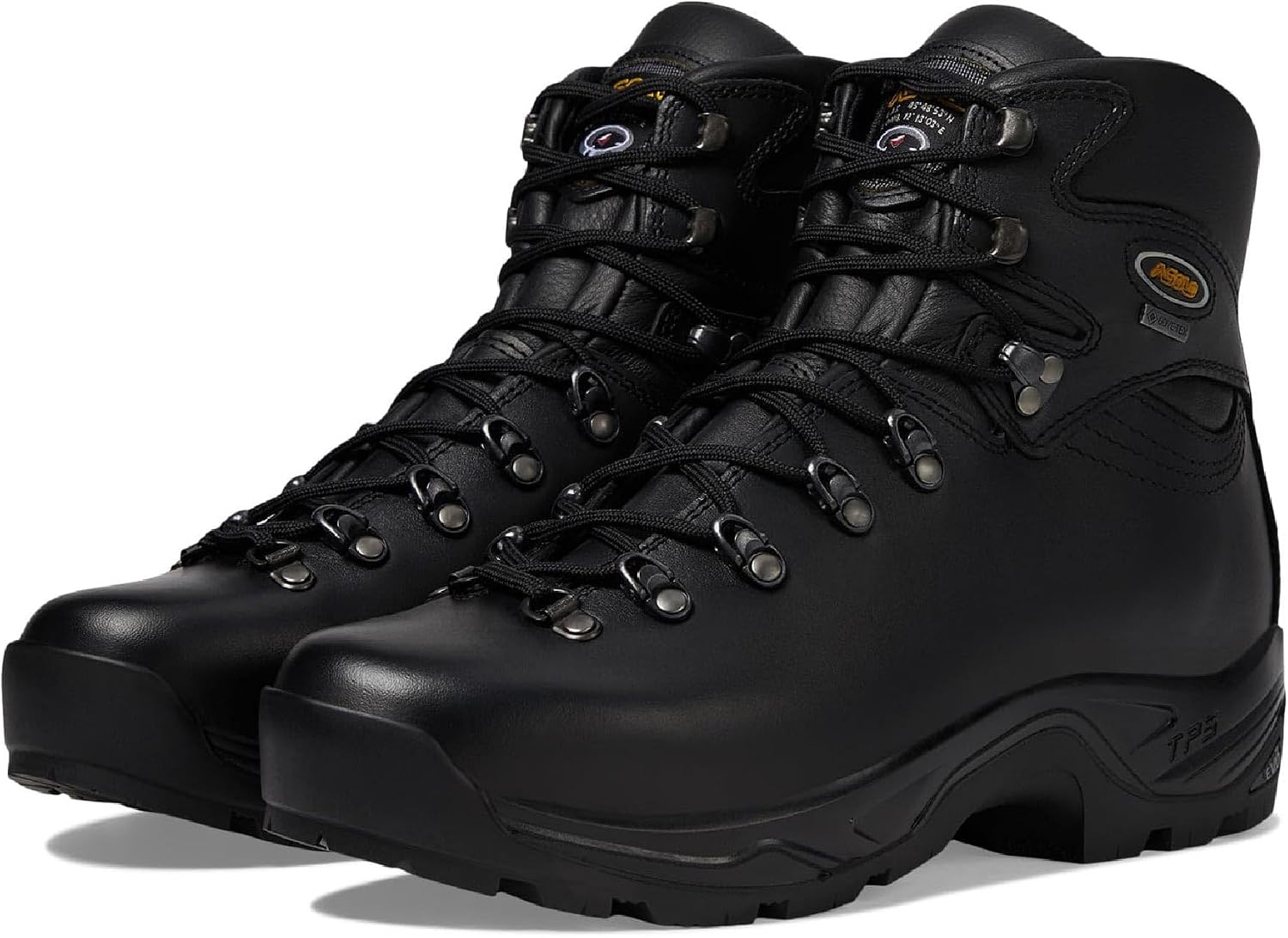
footwear
Researched
Asolo TPS 520 Evo — covered in HikingWithLee gear guides.
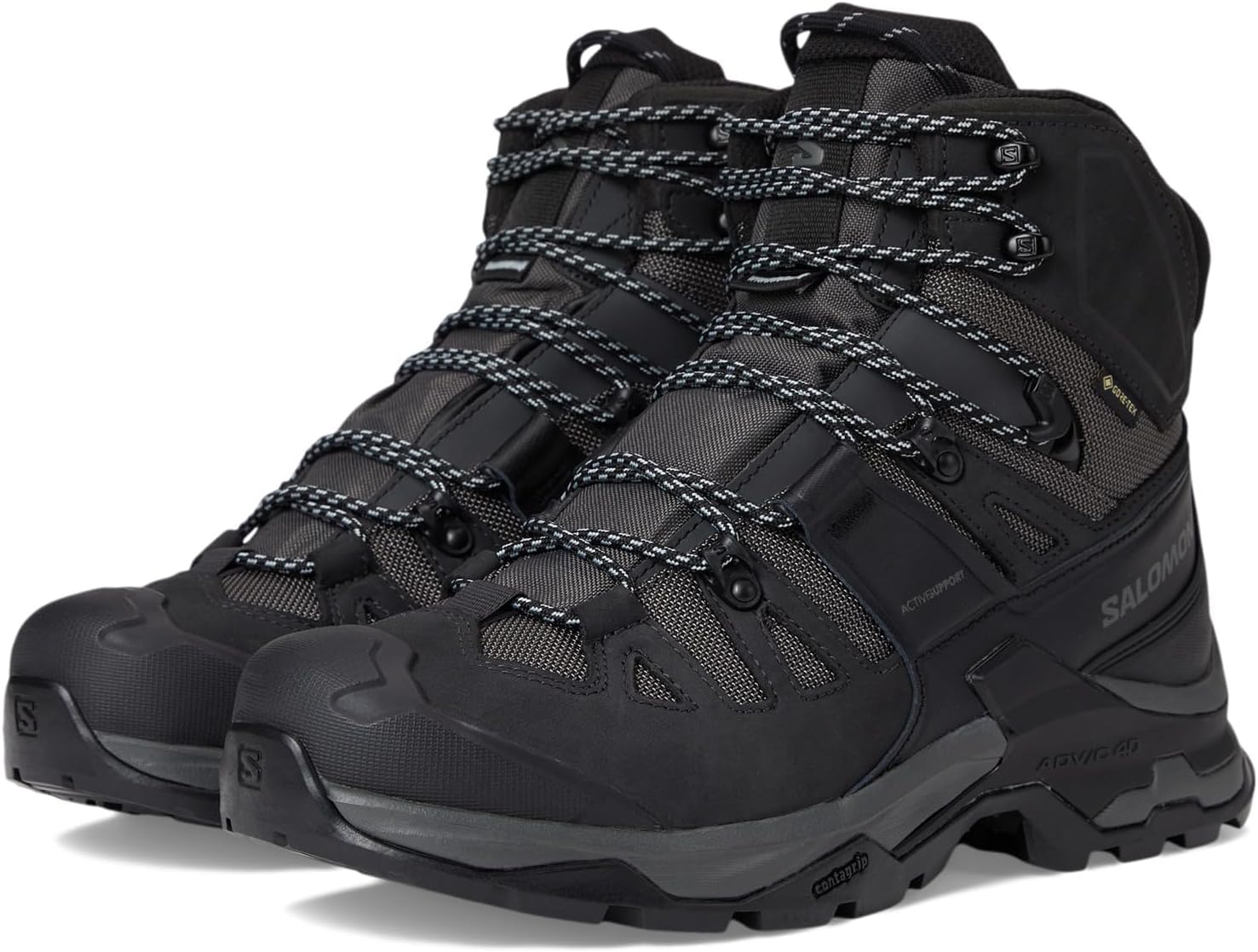
footwear
Researched
Salomon Quest 4D 3 GTX — covered in HikingWithLee gear guides.
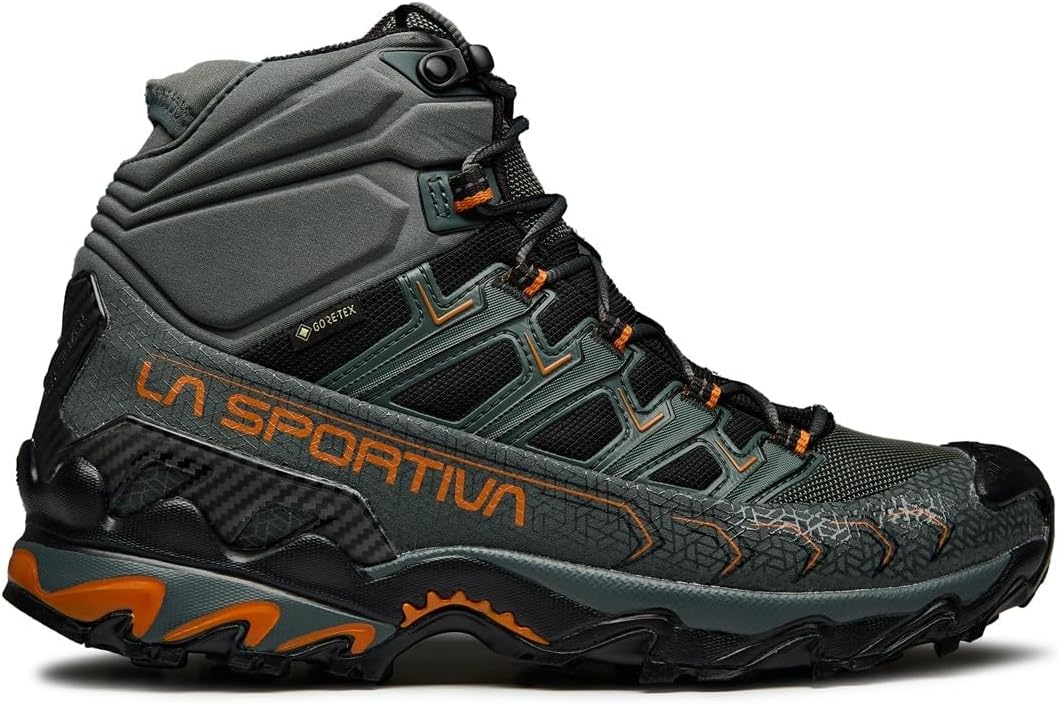
footwear
Researched
La Sportiva Ultra Raptor II Mid GTX — covered in HikingWithLee gear guides.

footwear
Researched
Merino hiking sock in a micro-crew height with cushioning, commonly chosen for multi-day treks. It is included because widely regarded merino hiking sock with lifetime guarantee; core comparison baseline. Key strength: durability and cushion for multi-day use. Main trade-off: heavier/warmer than ultralight runners' socks. Best for: Multi-day hut treks; Blister-conscious hikers seeking durable merino. Less ideal for: Hot-weather ultralight runners wanting minimal cushion. Typical use cases: hut-to-hut, multi-day, day-hiking. Confirm current generation and sizing against the Darn Tough Hiker Micro Crew Cushion listing before purchase.

footwear
Researched
Lighter-cushion merino micro-crew hiking sock for milder conditions. It is included because lighter cushion option in the same trusted line. Key strength: lower bulk for warmer conditions. Main trade-off: less underfoot cushion than the cushioned Hiker. Best for: Warmer hut-to-hut days; Lower-volume footwear. Typical use cases: day-hiking, hut-to-hut, fastpacking. Confirm current generation and sizing against the Darn Tough Light Hiker Micro Crew listing before purchase. This page summarizes researched catalog context for packing lists and buying guides; it is not a trail-tested first-hand review. Compare alternatives in the related category guides and check weight, fit, and availability for your trek style.

footwear
Researched
Merino outdoor crew sock with medium cushioning from Smartwool's PhD line. It is included because major merino alternative frequently compared to Darn Tough. Key strength: targeted cushioning and fit options. Main trade-off: durability reputation often debated vs Darn Tough. Best for: Hikers preferring Smartwool fit/feel. Typical use cases: hut-to-hut, day-hiking. Confirm current generation and sizing against the Smartwool PhD Outdoor Medium Crew listing before purchase. This page summarizes researched catalog context for packing lists and buying guides; it is not a trail-tested first-hand review. Compare alternatives in the related category guides and check weight, fit, and availability for your trek style.

footwear
Researched
Toe-style trail sock designed to reduce friction between toes. It is included because toe-sock specialist option for blister/toe-separation use cases. Key strength: separates toes to reduce inter-toe friction. Main trade-off: fit learning curve; not everyone likes toe socks. Best for: Hikers with toe blister issues. Typical use cases: long-distance, blister-prone. Confirm current generation and sizing against the Injinji Trail Midweight Crew listing before purchase. This page summarizes researched catalog context for packing lists and buying guides; it is not a trail-tested first-hand review. Compare alternatives in the related category guides and check weight, fit, and availability for your trek style.

footwear
Researched
Merino hiking sock aimed at everyday trail use. It is included because strong merino hiking sock often positioned as value alternative. Key strength: merino performance at competitive pricing. Main trade-off: less ubiquitous retail availability in some EU markets. Typical use cases: day-hiking, hut-to-hut. Confirm current generation and sizing against the Farm to Feet Damascus listing before purchase. This page summarizes researched catalog context for packing lists and buying guides; it is not a trail-tested first-hand review. Compare alternatives in the related category guides and check weight, fit, and availability for your trek style.

footwear
Researched
Merino hiking sock from a long-standing outdoor sock brand common in Europe. It is included because established UK/EU hiking sock brand relevant to European audience. Key strength: european availability and hiking-focused constructions. Main trade-off: model naming varies by market/year — verify generation. Typical use cases: hut-to-hut, alpine. Confirm current generation and sizing against the Bridgedale Hiker's Merino Comfort listing before purchase. This page summarizes researched catalog context for packing lists and buying guides; it is not a trail-tested first-hand review. Compare alternatives in the related category guides and check weight, fit, and availability for your trek style.

footwear
Researched
Double-layer sock construction marketed for blister-prone hikers.

footwear
Researched
Medium-cushion merino hiking crew sock from Icebreaker. It is included because merino brand already familiar to apparel buyers. Key strength: merino comfort and brand consistency with base layers. Main trade-off: often priced as premium. Typical use cases: hut-to-hut, cool weather. Confirm current generation and sizing against the Icebreaker Hike Medium Crew listing before purchase. This page summarizes researched catalog context for packing lists and buying guides; it is not a trail-tested first-hand review. Compare alternatives in the related category guides and check weight, fit, and availability for your trek style.

footwear
Researched
Max-cushion trail-running shoe commonly used for day hikes and long trail days.

footwear
Researched
Aggressive-lug trail shoe aimed at soft and muddy terrain.

footwear
Researched
Zero-drop trail shoe with a wide toe box, often chosen for long-distance hiking.

footwear
Researched
Cushioned hiking-oriented trail shoe with a roomy toe box.

footwear
Researched
Midweight waterproof hiking boot popular on European trekking routes.
Hiking boots for rough terrain and heavier loads — ankle support, waterproofing and a trustworthy outsole on wet rock. Fit and break-in still decide comfort more than marketing waterproof claims; match stiffness to pack weight and trail type, then use the buying guide and comparisons before you commit.
Hiking socks affect blister risk, moisture and temperature more than most hikers expect. Merino blends, cushion zones and a reliable fit reduce hotspots on multi-day miles — useful beside boots as packing kit, not as medical blister treatment. Pair sock choice with the footwear and blister-care notes linked below, and see the socks buying guide for material and quantity guidance.
Side-by-side notes when you are choosing between similar kit.