Best Hiking Socks: Merino, Cushion & Blister-Minded Picks
Best hiking socks for multi-day treks: merino cushion baselines, lighter crews, toe-sock and value options by fit, drying and packing role.
Last verified
Editor's shortlist
Top outdoor gear picks
Shortlist with evidence labels — Used by Lee, Trail tested, or Researched — so you can tell first-hand kit from editorial research.
Researched default when you want one cushioned merino pair as the packing-list staple. Full specs: /gear/darn-tough-hiker-micro-crew-cushion/.
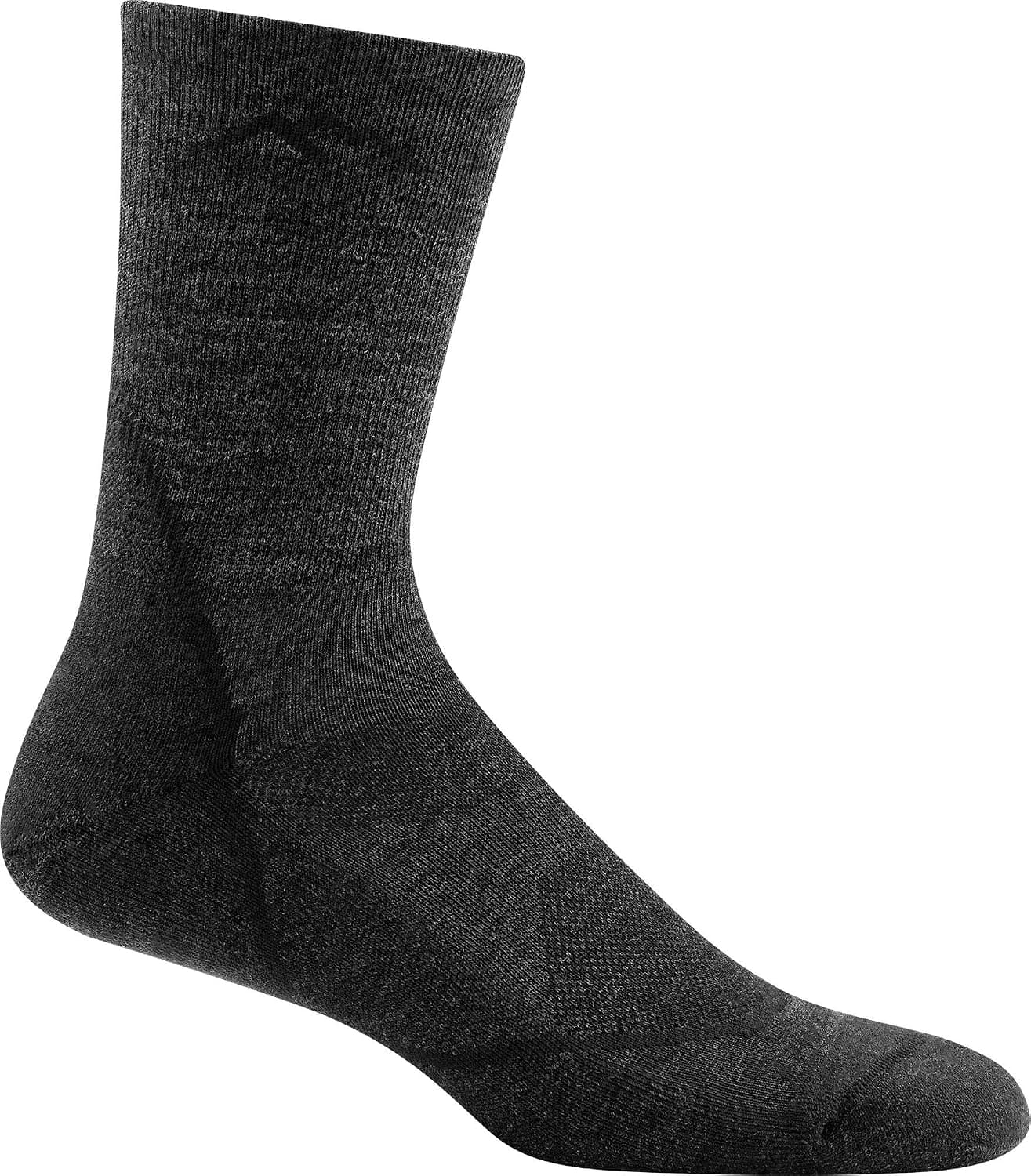
Researched warm-day or low-volume-shoe partner to the cushioned baseline. Full specs: /gear/darn-tough-light-hiker-micro-crew/.
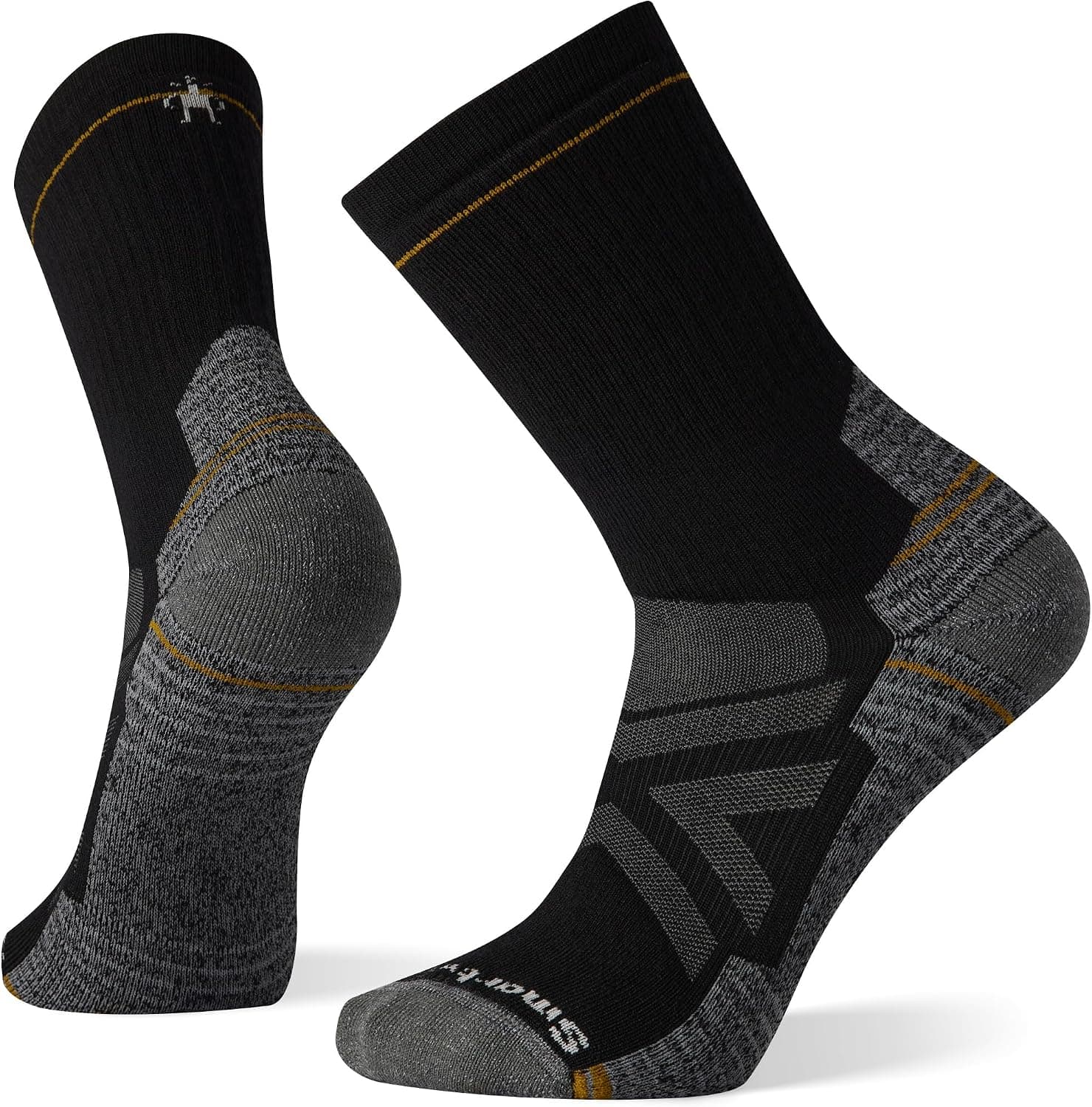
Researched merino alternative — choose by fit feel, not brand loyalty alone. Full specs: /gear/smartwool-phd-outdoor-medium-crew/.
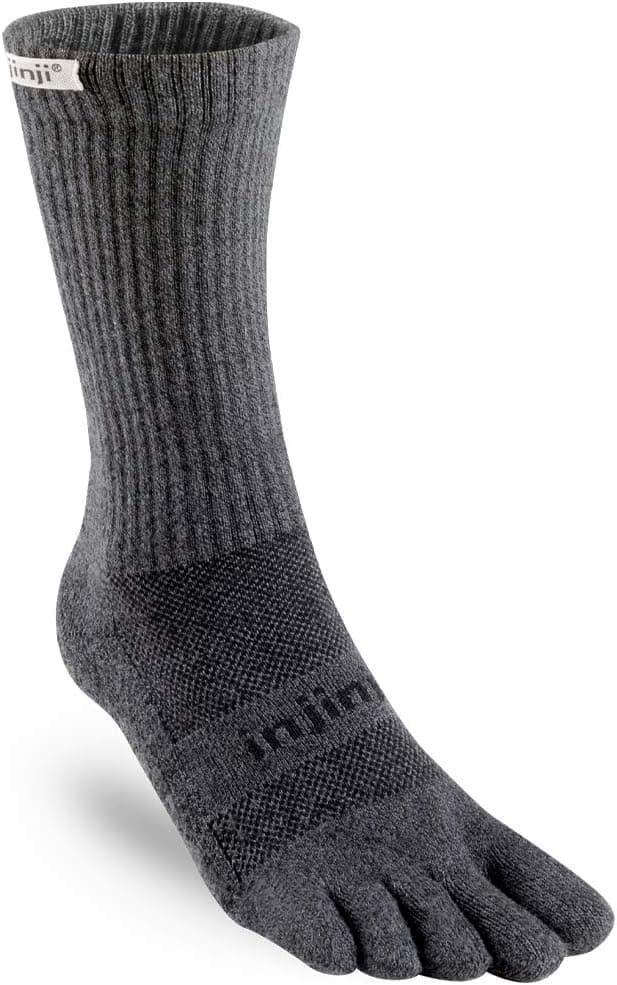
Researched specialist when standard crews leave toe friction unresolved. Full specs: /gear/injinji-trail-midweight-crew/.
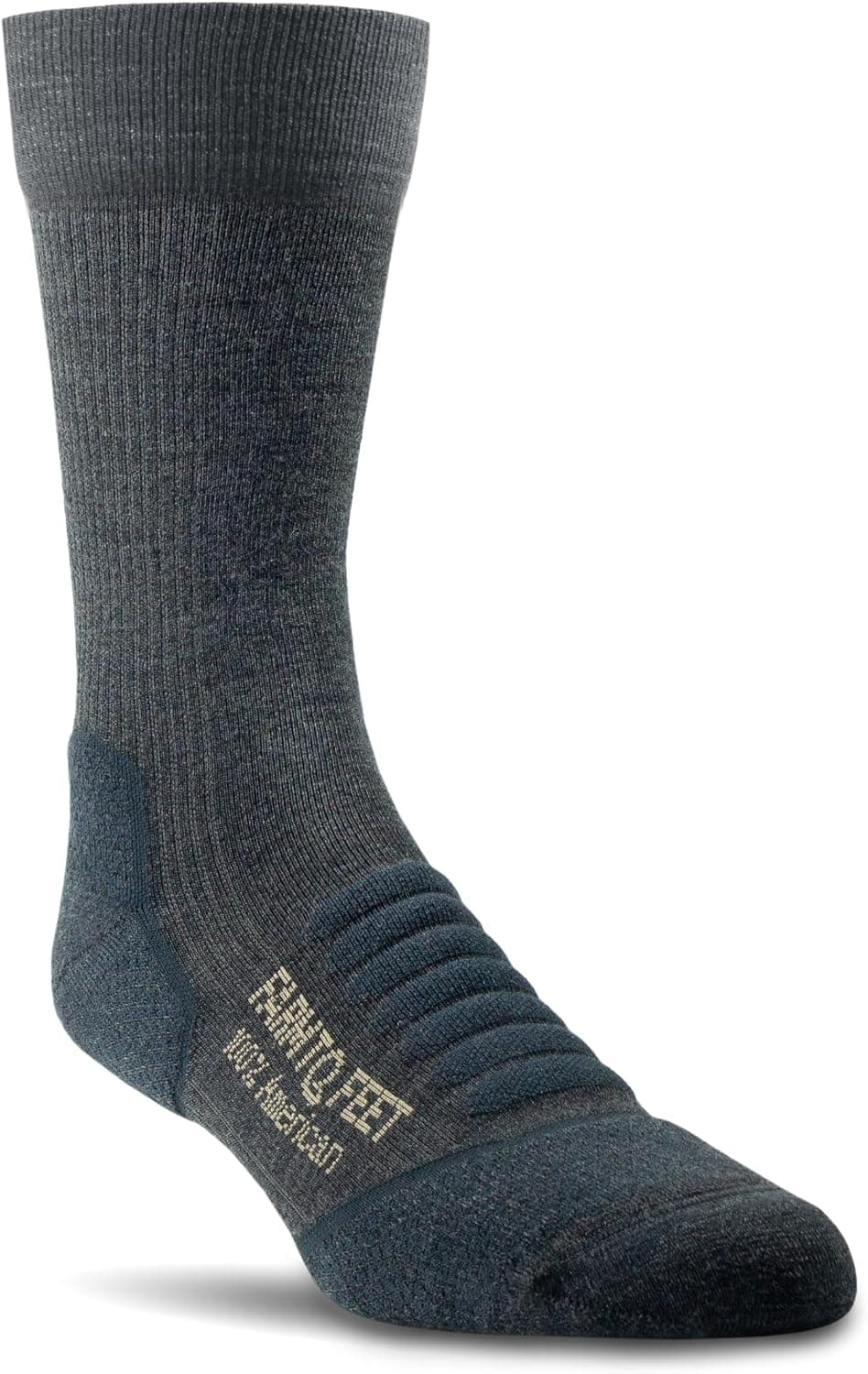
Researched value merino when the packing list needs another pair without premium markup. Full specs: /gear/farm-to-feet-damascus/.
Compare at a glance
How the top outdoor gear stack up
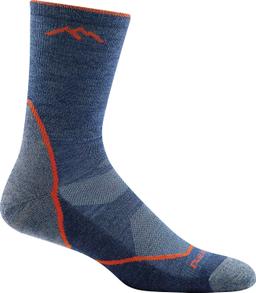
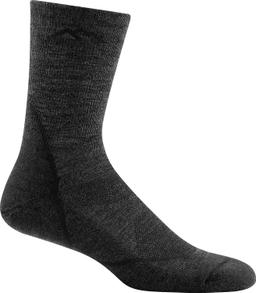
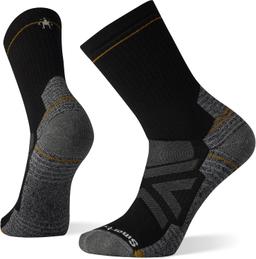
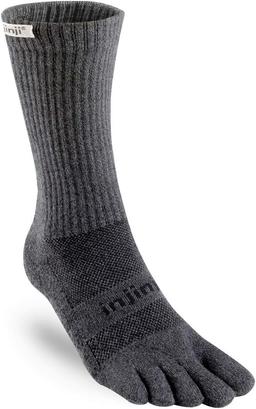
- Editor score
- 8.5/10
- Best for
- Multi-day hut treks
- Why it wins
- Durable cushion merino for consecutive hut-to-hut days
- Trade-off
- Heavier and warmer than ultralight running socks
- Experience
- Researched
- Editor score
- 8.5/10
- Best for
- Warmer hut-to-hut days
- Why it wins
- Lower bulk and cooler feel than the cushioned Hiker
- Trade-off
- Less underfoot protection on rocky approaches
- Experience
- Researched
- Editor score
- 8.5/10
- Best for
- Hikers preferring Smartwool fit/feel
- Why it wins
- Targeted cushioning options familiar to Smartwool users
- Trade-off
- Durability reputation is often debated versus Darn Tough
- Experience
- Researched
- Editor score
- 8.5/10
- Best for
- Hikers with toe blister issues
- Why it wins
- Separates toes for hikers who get inter-toe hotspots
- Trade-off
- Fit takes practice; not everyone likes toe socks
- Experience
- Researched
Hiking socks decide comfort before the boot does. Material, cushion depth and a reliable fit reduce hotspots on multi-day miles — useful packing kit beside footwear and blister care, not a medical treatment plan.
How this shortlist was chosen: catalog socks already mapped to hut-to-hut and multi-day packing use on this site, ranked by construction role (cushion baseline, light cushion, merino alternative, toe-separation specialist, value merino). Evidence labels: every pick below is a RESEARCHED RECOMMENDATION — not trail-tested first-hand claims. Product pages hold specs and current generations; packing lists decide how many pairs you carry.
Affiliate note: some outbound product links may earn a commission at no extra cost to you. Recommendations stay role-based either way.
Comparison snapshot
| Sock | Cushion | Best for | Tradeoff |
|---|---|---|---|
| Darn Tough Hiker Cushion | Full underfoot | Multi-day baseline | Warmer / bulkier than light crews |
| Darn Tough Light Hiker | Light | Mild days, low-volume shoes | Less rocky-trail cushion |
| Smartwool PhD Medium | Medium / targeted | Hikers who prefer Smartwool fit | Durability debate vs Darn Tough |
| Injinji Trail Midweight | Midweight toe | Inter-toe friction focus | Fit learning curve |
| Farm to Feet Damascus | Hiking merino | Value-minded packing | Patchier EU retail than big brands |
The Best Hiking Socks: Product Reviews
1. Darn Tough Hiker Micro Crew Cushion – Multi-day baseline
Multi-day baseline (researched)
Darn Tough Hiker Micro Crew Cushion

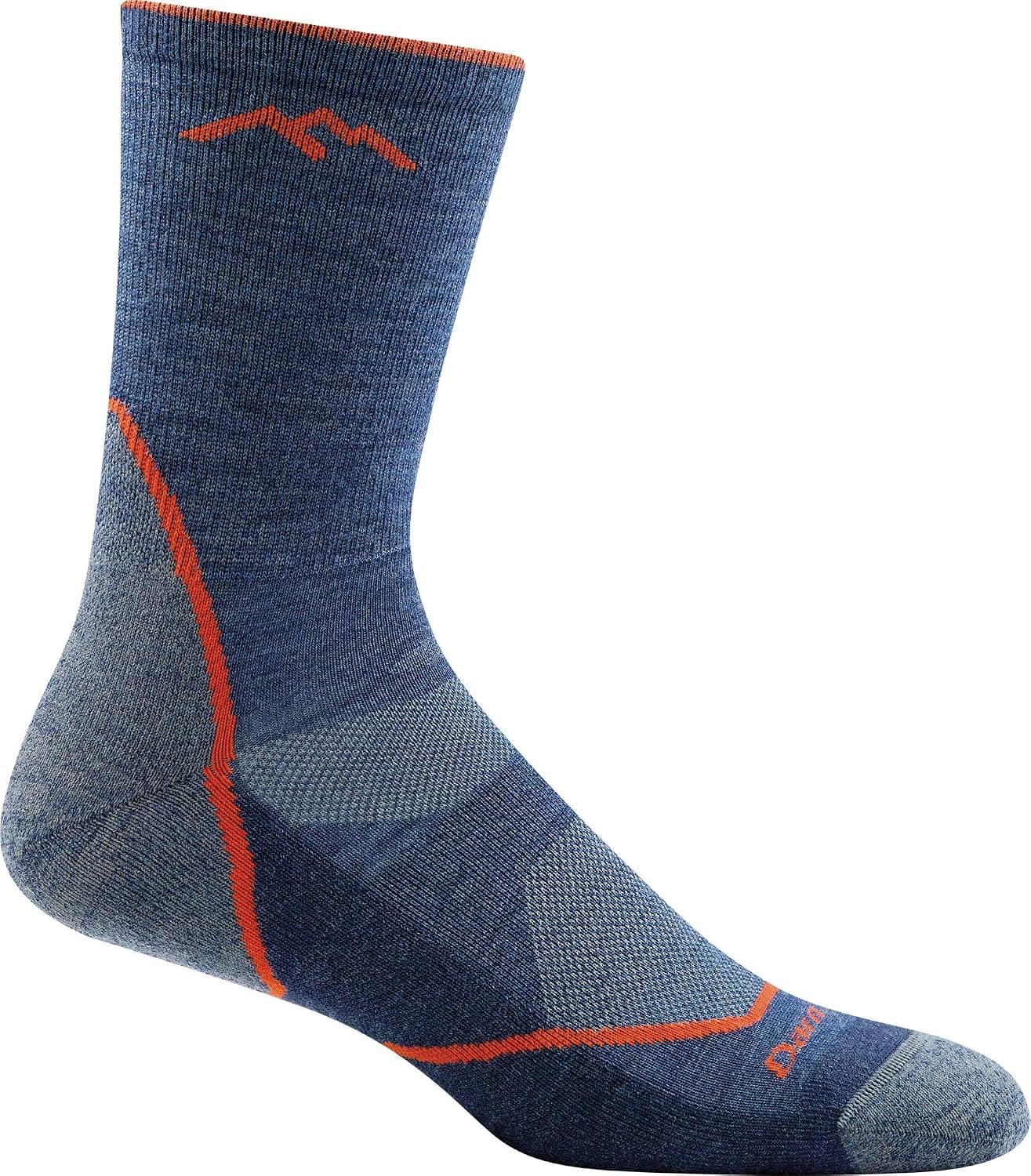
The Darn Tough Hiker Micro Crew Cushion is the catalog multi-day merino baseline: midweight cushion underfoot, micro-crew height for boot collars, and a lifetime guarantee reputation that makes replacement math simple for frequent hikers. Size carefully against boot volume — full cushion plus a tight mid can create pressure points.
Reasons to buy
- Durable cushion merino for consecutive hut-to-hut days
- Micro-crew covers ankle rub without summer overkill for many European stages
- Strong replacement reputation if a pair fails early
Reasons to avoid
- Heavier and warmer than ultralight running socks
- Overkill for short cool day hikes in low-volume shoes
2. Darn Tough Light Hiker Micro Crew – Lighter cushion
Lighter cushion (researched)
Darn Tough Light Hiker Micro Crew
Same brand line with less cushion for milder conditions and lower-volume footwear. Useful as the second pair in a wear / dry / spare rotation when full cushion runs hot on sunny hut stages.
Reasons to buy
- Lower bulk and cooler feel than the cushioned Hiker
- Same micro-crew height for consistent boot pairing
- Easy swap within one brand sizing chart
Reasons to avoid
- Less underfoot protection on rocky approaches
- Not the first pick if you want maximum cushion in stiff boots
3. Smartwool PhD Outdoor Medium Crew – Merino alternative
Merino alternative (researched)
Smartwool PhD Outdoor Medium Crew
The Smartwool PhD Outdoor Medium Crew is for hikers who prefer Smartwool’s targeted cushion and fit over the Darn Tough baseline. Compare feel in-store when both brands are available — sock preference is personal.
Reasons to buy
- Targeted cushioning options familiar to Smartwool users
- Solid merino alternative when Darn Tough fit feels wrong
- Crew height works with standard hiking boots
Reasons to avoid
- Durability reputation is often debated versus Darn Tough
- Not a toe-separation design if that is your priority
4. Injinji Trail Midweight Crew – Toe-sock specialist
Toe-sock specialist (researched)
Injinji Trail Midweight Crew
Toe-style trail sock aimed at reducing friction between toes. Expect a fit learning curve; many hikers love them, others never adapt. Not medical blister treatment — still pack tape from your blister-care kit.
Reasons to buy
- Separates toes for hikers who get inter-toe hotspots
- Midweight trail construction suited to hiking boots
- Clear specialist role versus standard crew socks
Reasons to avoid
- Fit takes practice; not everyone likes toe socks
- Harder to share or borrow sizing with partners
5. Farm to Feet Damascus – Value merino
Value merino (researched)
Farm to Feet Damascus
The Farm to Feet Damascus covers merino hiking performance at competitive pricing when you want a fifth pair without repeating the same brand. EU retail can be patchier than Darn Tough or Smartwool — check availability before a trek deadline.
Reasons to buy
- Merino hiking construction at value-minded pricing
- Useful spare or rotation pair beside a premium baseline
- Distinct brand if you prefer not to duplicate one line
Reasons to avoid
- Less ubiquitous in some EU outdoor shops
- Confirm current generation and sizing before bulk orders
Buying Guide: How to Choose Hiking Socks
Material: Merino blends manage moisture and odour better than cotton on hut-to-hut weeks. Synthetic-heavy socks can dry faster in some washes — check the fibre mix on the product page.
Cushion: Full cushion protects underfoot on rocky approaches; light cushion packs smaller and runs cooler. Match cushion to boot volume so the sock does not create pressure points.
Height: Micro-crew / crew covers ankle gaiter rub without summer overheating for most European hut treks. Ankle socks leave collar rub for many mid boots.
Quantity: Two to three pairs is a common packing pattern (wear / dry / spare). Dry overnight when you can; rotate after wet days. Build the count into trek lists via the packing list builder.
Blister context: Sock choice supports comfort. Hotspots still need early tape or plasters from your blister-care kit — this page is not medical advice.
Also in the catalog (not shortlisted): Bridgedale Hiker's Merino Comfort (common EU retail), Wrightsock Coolmesh II (double-layer construction experiments), Icebreaker Hike Medium Crew (merino aligned with Icebreaker layers).
Browse the full sock filter: /gear/footwear/socks/.
Packing and trek integration
Use socks beside boots on trek packing lists — for example Alta Via 1 packing list and Tour du Mont Blanc packing list. Pair decisions with best hiking boots for men when changing cushion depth or boot volume.
Related guides
Common questions
Frequently asked questions
Straight answers on fit, features, and buying — open a question to read more.
Usually two or three — one on feet, one drying, optional spare for wet days. Match the count to laundry access on your route.
Merino blends for odour control on consecutive days without laundry; more synthetic blends when fast drying after creek crossings matters more. Many hiking socks mix both.
They can reduce friction between toes for some hikers. They do not replace boot fit, early tape, or a blister-care kit. Not medical advice.
Yes — full cushion in a snug mid can create hotspots. Try the sock you will hike in when sizing boots.
No — this shortlist is researched catalog roles for packing and buying. Product pages and packing lists stay the source of truth for specs and trip counts.
Official brand and standards resources
Cross-check current specs and safety standards before you buy:
Leave No Trace · REI Expert Advice · Outdoor Industry Association · ISO outdoor textiles