Best Camping Tents for Backpacking
Best camping tents for wild-camp treks: picks tested on trail. Shelters compared for storm protection, inner space, packed weight and durability.
Last verified
Editor's shortlist
Top camping tents picks
Hand-picked from real trail use and side-by-side comparisons — jump straight to the right model for your hike.
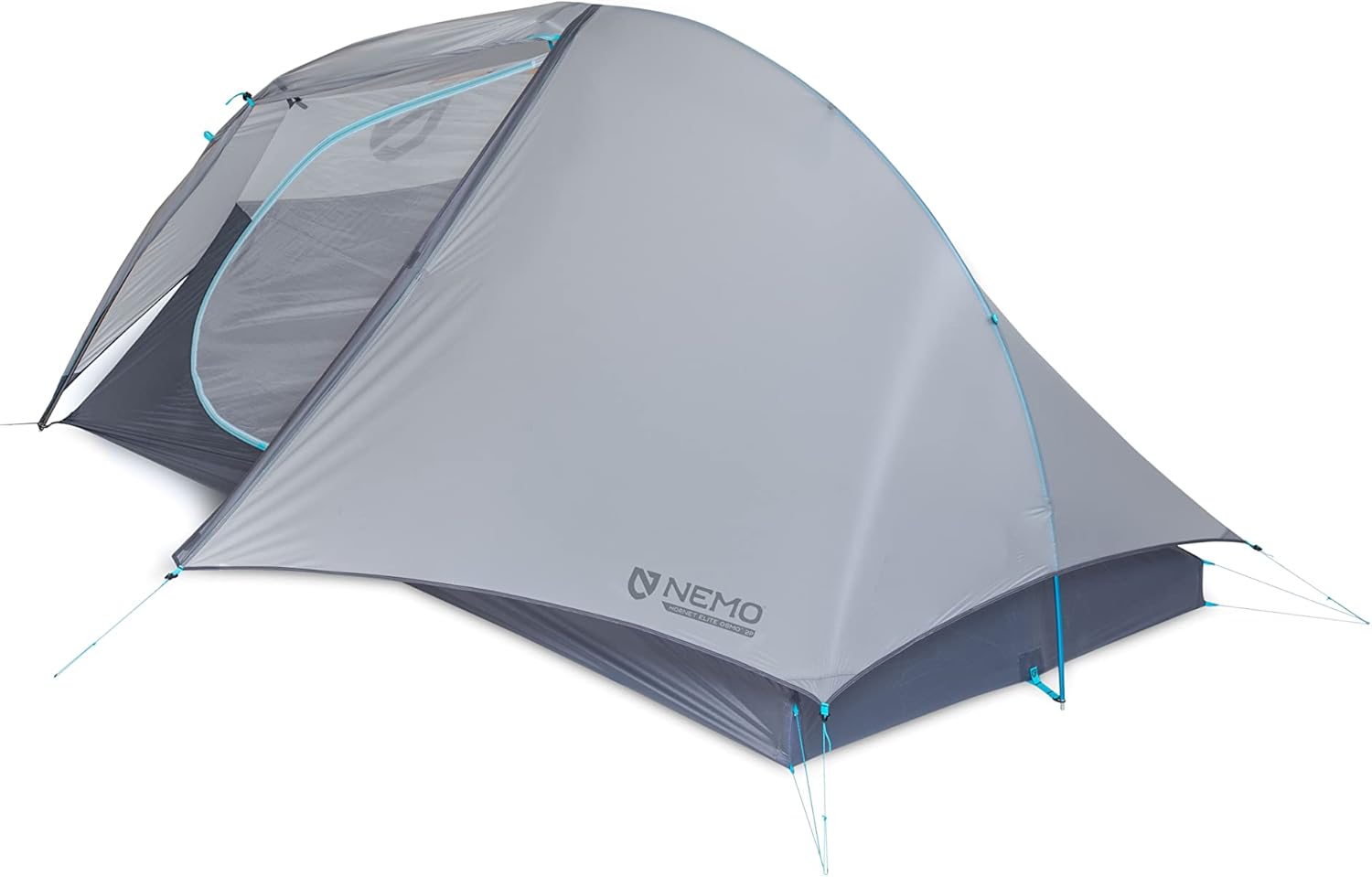
Ultralight freestanding tent I recommend for Skye Trail wild camps and gram-conscious backpacking when livable space still matters.
The value freestanding two-person tent with extra width — best for budget couples who want livable space without ultralight pricing.
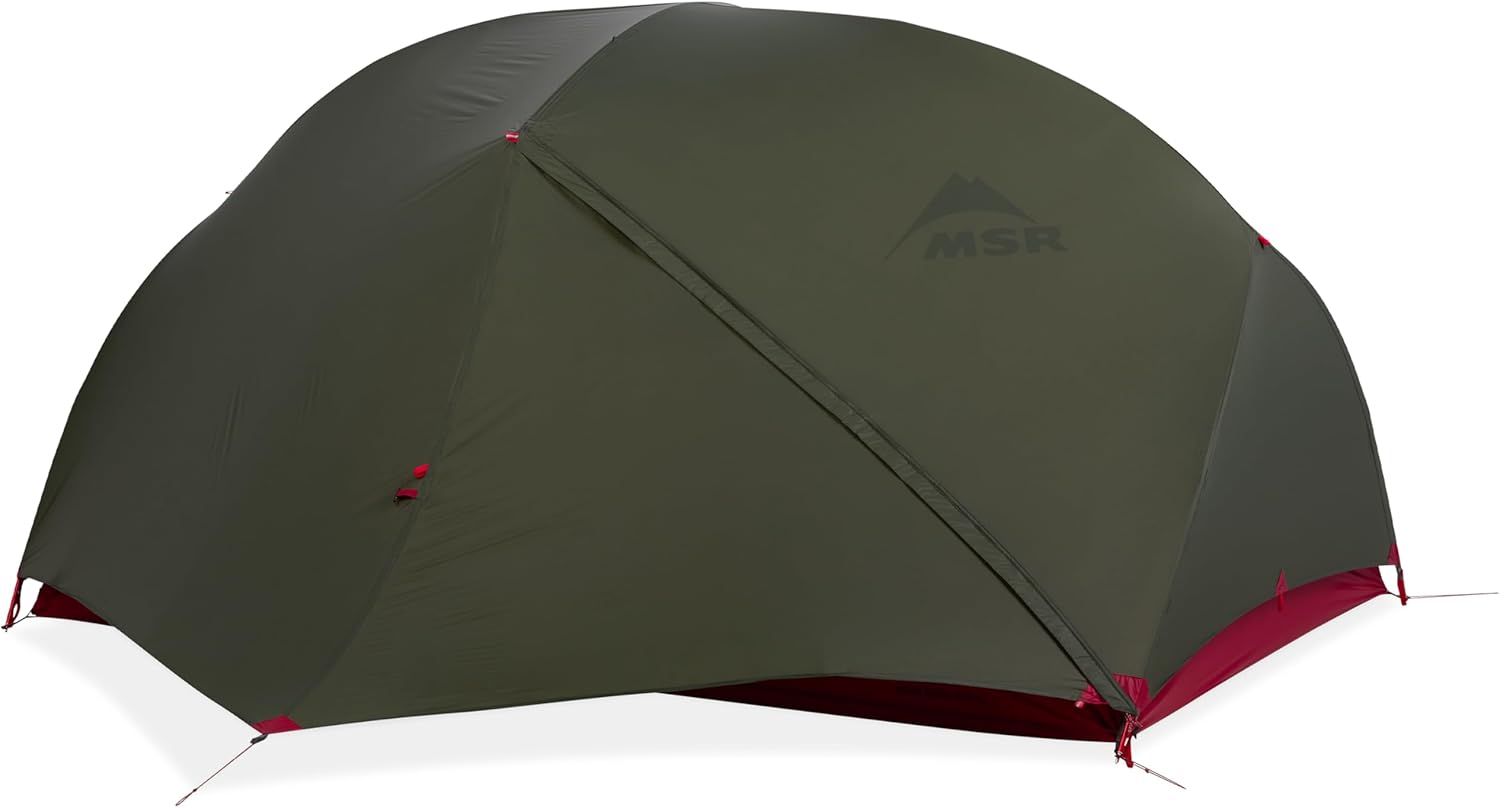
The premium two-person freestanding benchmark — proven weatherworthiness and livable space near 1.6 kg for couples who camp on mixed three-season routes.
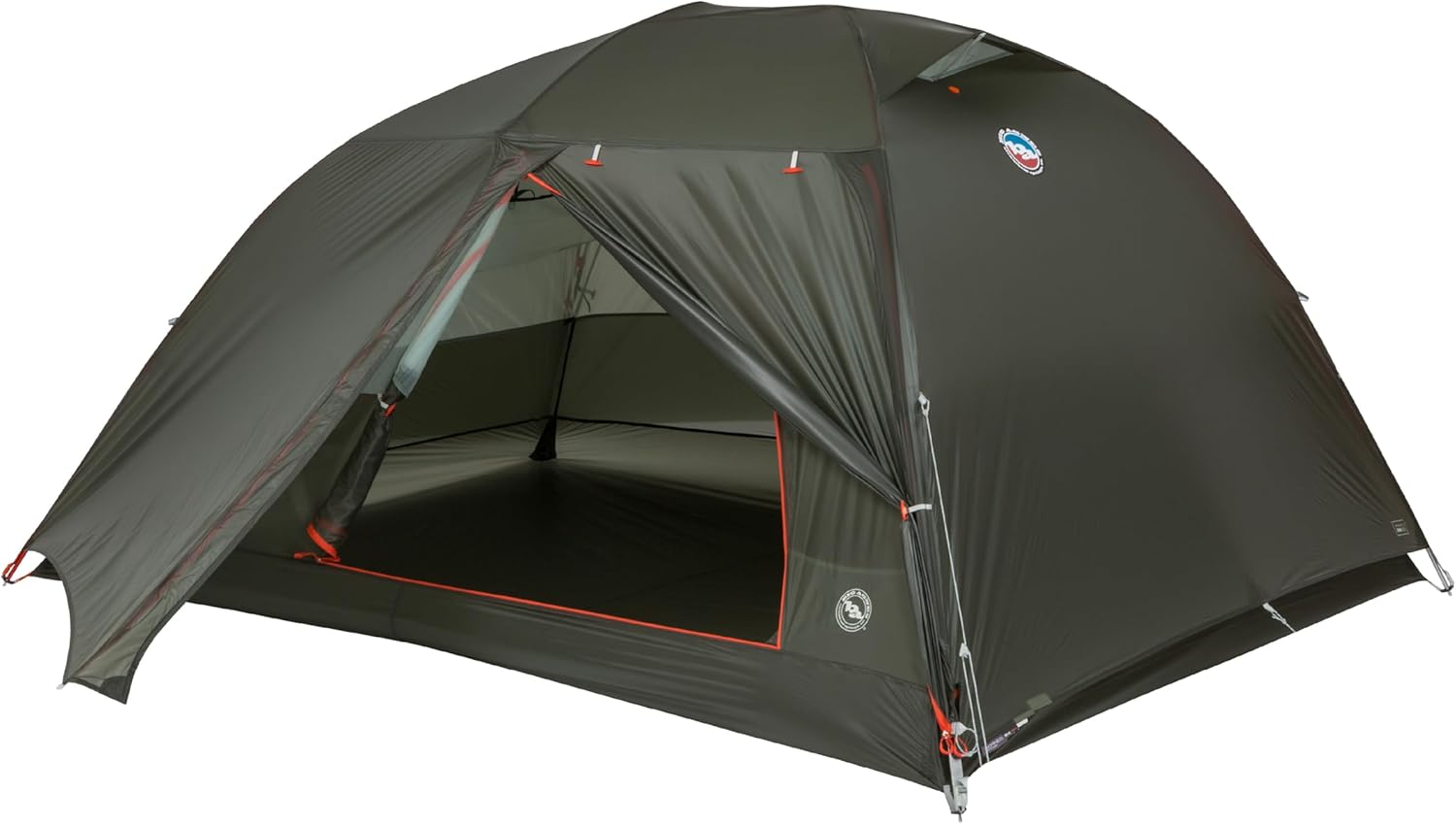
The best balance of livable space and pack weight for two campers who want a true three-person floor plan without jumping to a 3 kg shelter.
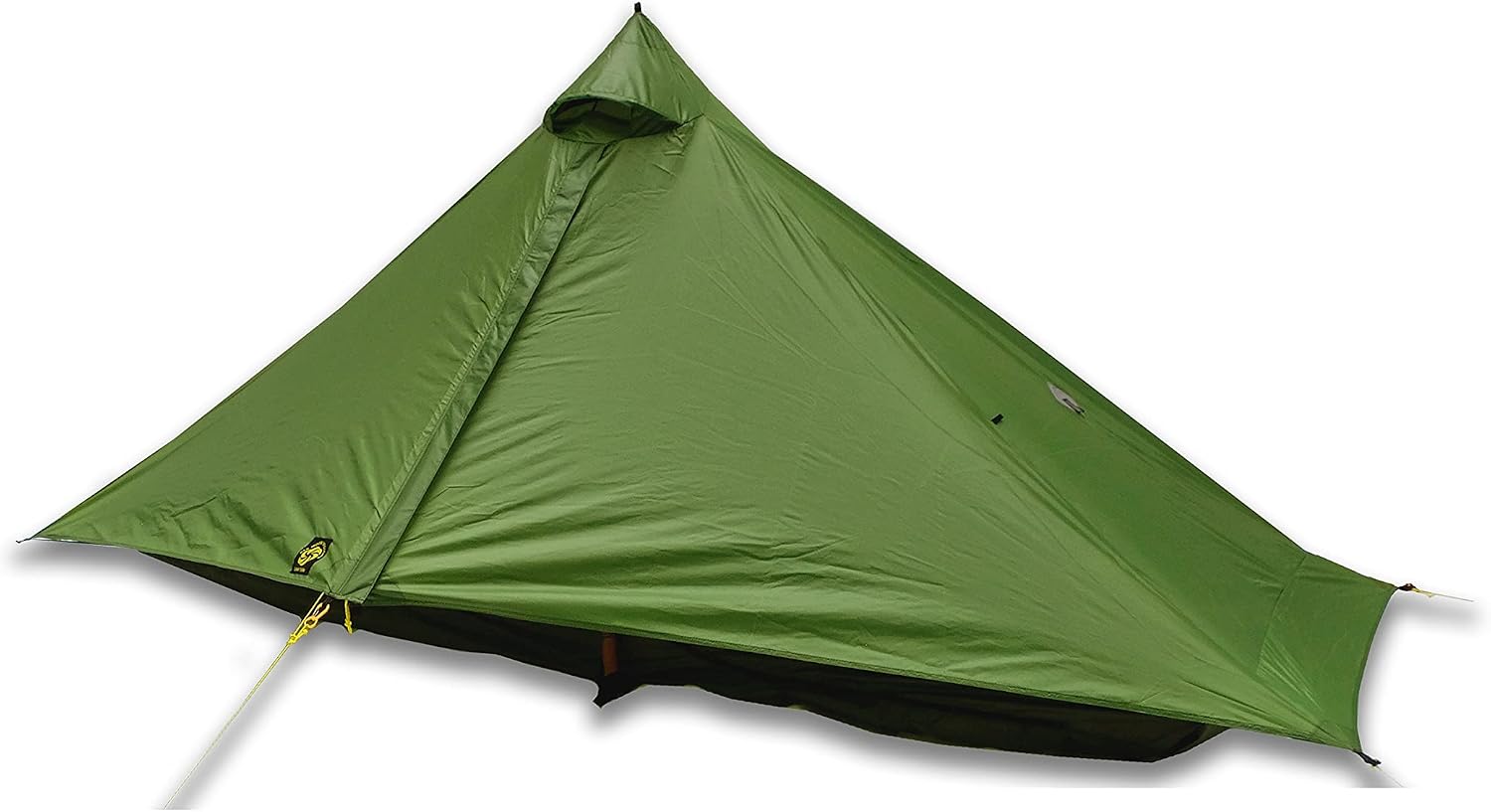
Budget-friendly solo ultralight shelter — trekking-pole pitch and silnylon value for thru-hikers who already carry poles.
Compare at a glance
How the top camping tents stack up
- Editor score
- 8.9/10
- Best for
- Top pick
- Trail weight
- 794 g
- Capacity
- 2P
- Why it wins
- Super light and packs small
- Trade-off
- Limited interior space
- Experience
- Trail tested
- Editor score
- 8.5/10
- Best for
- Runner-up
- Trail weight
- 1.7 kg
- Capacity
- —
- Why it wins
- Affordable without sacrificing quality
- Trade-off
- heavier than some ultra-light options
- Experience
- Worth considering
- Editor score
- 8.6/10
- Best for
- Also consider
- Trail weight
- 1.6 kg
- Capacity
- 2P
- Why it wins
- Can handle unpredictable weather
- Trade-off
- Higher price point
- Experience
- Worth considering
- Editor score
- 8.6/10
- Best for
- Also consider
- Trail weight
- 1.5 kg
- Capacity
- 3P
- Why it wins
- Light for a 3 person tent
- Trade-off
- Expensive for larger groups
- Experience
- Worth considering
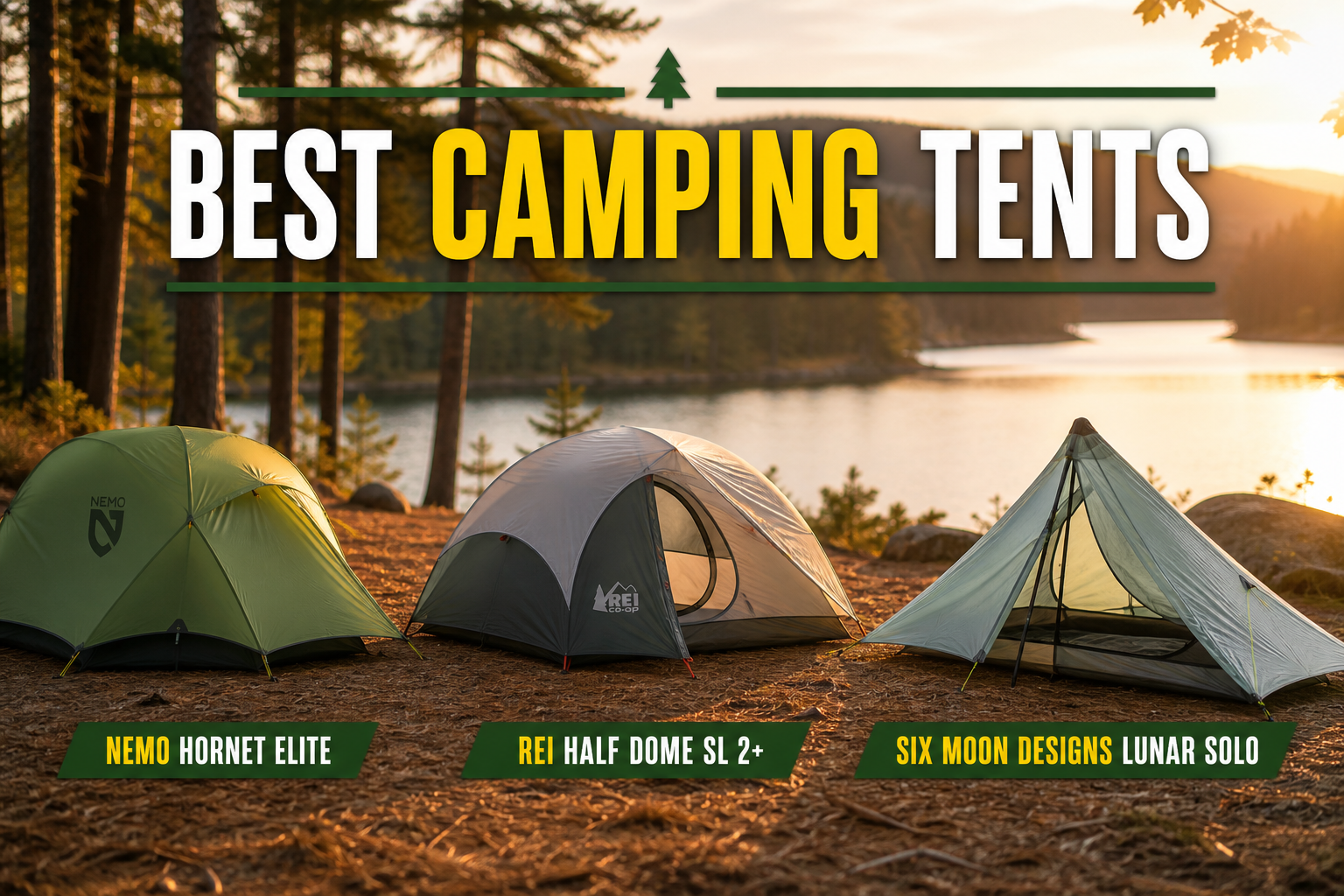
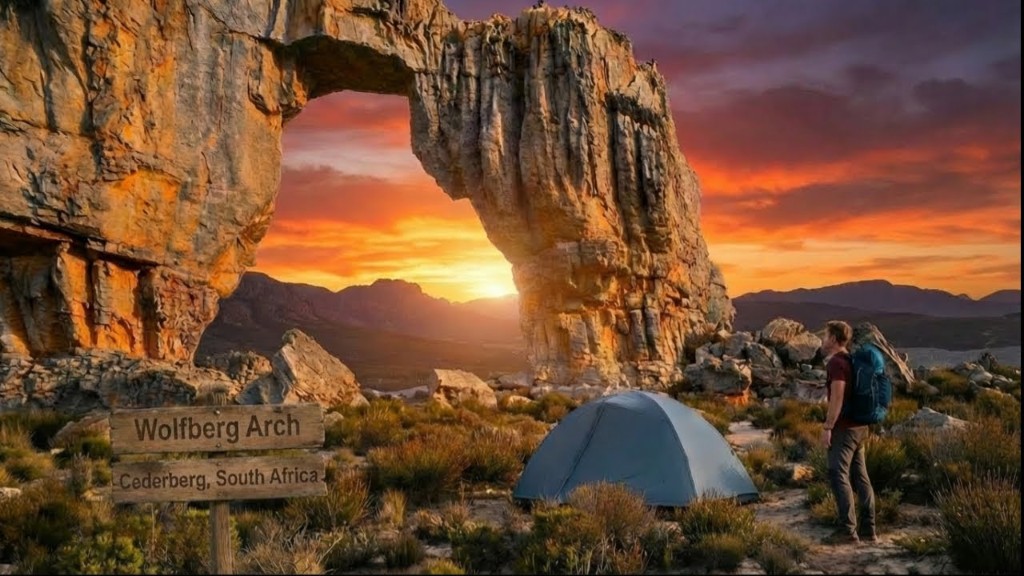
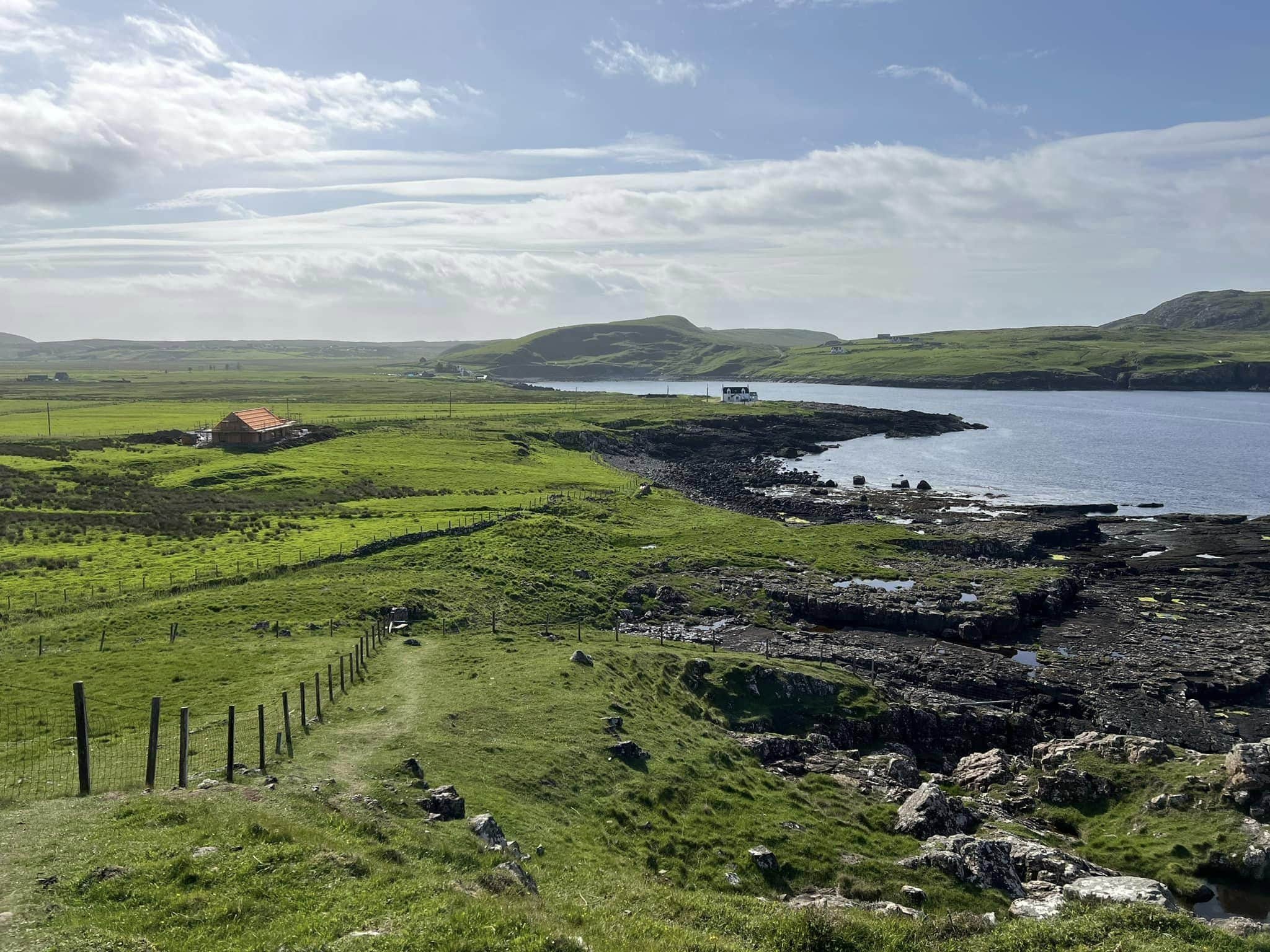
Camping tents matter when your trek includes wild camps or official campsites — Skye Trail, Cederberg, Hornstrandir-style trips — not when you sleep in huts every night.
This guide complements best hiking tents with a camping-first lens: weight, stormworthiness, and pitch difficulty on rocky ground.
The Best Camping Tents: Product Reviews
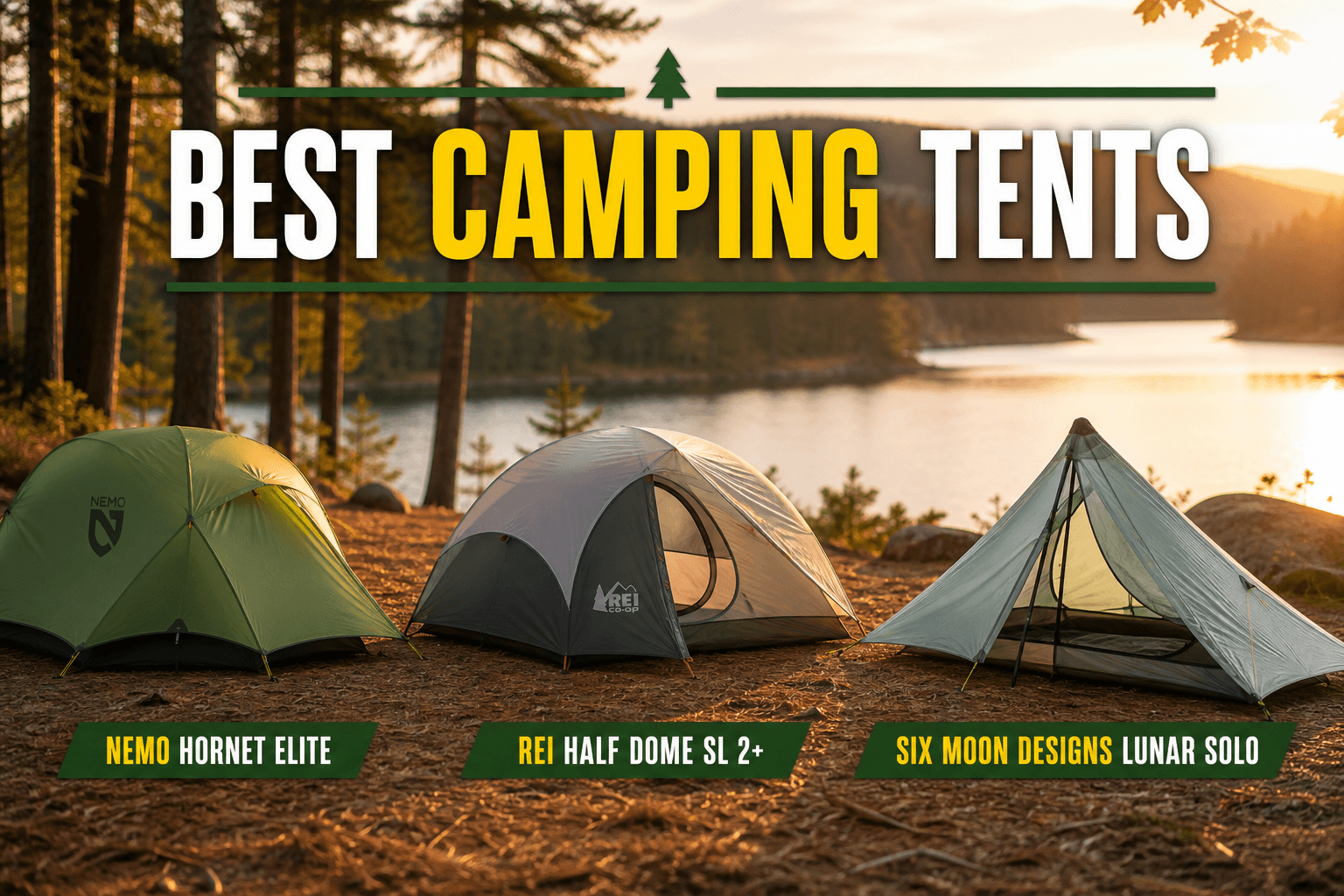
1. Nemo Hornet Elite – Best Ultralight Wild-Camp Shelter
Best Ultralight Wild-Camp Shelter
Nemo Hornet Elite
The Nemo Hornet Elite is the tent I plan around for self-supported camping treks where every gram counts — Skye Trail wild camps on rock slabs and Cederberg nights under open sky. At roughly 770 g packed with poles, it stays under my 1.5 kg shelter budget while remaining freestanding on uneven ground. Dual vestibules keep muddy boots and a wet pack outside the mesh inner — essential when midges swarm on Scottish evenings. Ventilation is good enough for humid coastal camps if you pitch door-open on calm nights.
Reasons to buy
- Sub-1 kg class packed weight for solo camping treks
- Freestanding pitch on rock where stakes fail
- Mesh inner for midges and condensation control
- Featured on Skye Trail and Cederberg lists
Reasons to avoid
- Tight for two hikers with full camping kit
- Not a storm bomb for Hornstrandir-grade exposure
- Premium price for ultralight specs
2. REI Co-op Half Dome SL 2+ – Best Value Camping Tent
REI Co-op Half Dome SL 2+
The REI Co-op Half Dome SL 2+ trades some packed weight for room and weather confidence when camping is a week-long commitment rather than a single wild night. The wider floor fits two hikers plus camp clutter — cook kit, dry bags, and camera gear — without elbow fights on rainy Cederberg evenings. Weatherproofing and a vented rainfly handle Atlantic squalls better than ultralight race tents. Packed around 1.75 kg, it still fits a 50–65 L trekking pack if you share shelter weight with a partner on Skye.
Reasons to buy
- Spacious interior for multi-night camping comfort
- Strong weather resistance at a mid-tier price
- Good ventilation for humid wild-camp nights
- Easier setup than single-wall tarps for new campers
Reasons to avoid
- Heavier and bulkier than Hornet Elite class tents
- REI availability varies outside North America
- Not ultralight for solo gram-counters
3. MSR Hubba Hubba NX 2 – Best Storm-Ready Camping Tent
Best Storm-Ready Camping Tent
MSR Hubba Hubba NX 2
The MSR Hubba Hubba NX 2 is the tent I recommend when weather turns before you can bail — exposed Skye ridges, Cederberg wind lines, or remote Iceland-style camps where re-pitching in rain is miserable. Freestanding DAC poles and ripstop nylon hold shape when gusts hit guy lines. Headroom lets you sit up, sort food, and dry a base layer without leaving the inner. At ~1.6 kg packed it is heavier than Hornet Elite but still reasonable for two-person camping loads split across packs.
Reasons to buy
- Proven three-season storm performance on wild routes
- Freestanding structure on rocky, uneven camp sites
- Excellent ventilation reduces condensation on cold nights
- Durable build for repeated seasonal camping
Reasons to avoid
- Higher price than value-oriented REI options
- Solo hikers pay weight penalty for unused capacity
- Still not a four-season expedition tent
4. Big Agnes Copper Spur HV UL3 – Best for Two-Person Camping
Best for Two-Person Camping
Big Agnes Copper Spur HV UL3
The Big Agnes Copper Spur HV UL3 solves the two hikers, one tent camping equation: enough floor space for sleep systems plus gear without jumping to a 4 kg family shelter. Dual vestibules keep packs and stove kit outside the inner on cramped Skye bothy-adjacent wild camps. Under 1.6 kg packed for a true three-person-rated tent is remarkable — color-coded poles speed setup when light is fading on day six of a camping trek. Best in mild to moderate conditions; pair with a solid rainfly tension routine on windy Cederberg nights.
Reasons to buy
- Ultralight for its interior volume class
- Dual doors and vestibules for organized camp life
- Quick pitch with intuitive pole clips
- Strong choice for couples camping Skye or Cederberg together
Reasons to avoid
- Premium price for group-capacity tents
- Large packed volume needs careful pack placement
- Not ideal for solo hikers minimizing weight
5. Six Moon Designs Lunar Solo – Best Budget Ultralight Solo Camp
Six Moon Designs Lunar Solo
The Six Moon Designs Lunar Solo is the budget ultralight path to solo wild camping — a single-wall shelter around 740 g that frees grams for food and water on long Cederberg carries. Trekking-pole pitch works well if you already run carbon poles on camping treks; the wide vestibule stores pack and boots off wet ground. Single-wall design means more condensation management than double-wall Hornet — vent aggressively on humid Skye nights and wipe inner walls before sleep. For dry-season Cederberg or fair-weather Skye weeks, the savings are real.
Reasons to buy
- Strong value in the ultralight solo camp category
- Light packed weight for gram-focused campers
- Roomy solo floor and vestibule for gear storage
- Silicone-coated fabric handles typical three-season rain
Reasons to avoid
- Single-wall condensation risk in humid coastal camps
- Requires trekking pole(s) — no dedicated tent poles
- Less storm-stable than freestanding MSR or REI designs
Buying Guide: How to Choose a Camping Tent
Capacity: 1-person tents save weight; 2-person gives gear storage space. Hornet Elite is marketed as 2P but solo hikers love the extra room for wet kit.
Season rating: Three-season tents cover most trekking and camping on this site. Do not take a non-freestanding ultralight tarp to Hornstrandir without storm experience.
Vestibule space: Store muddy boots and pack outside the inner — keeps sleeping space dry on Skye rain nights.
Pole quality: Dedicated tent poles beat trekking-pole tarps when you need fast pitch in wind — I valued freestanding setup after long Skye days.
Condensation: Single-wall tents save weight but drip in humid coastal camps. Double-wall Hornet inner reduces moisture on walls — still ventilate when possible.
Repair kit: Carry pole sleeve, patch tape, and spare guy line. Cederberg rock tears fabric — duct tape is a temporary fix to get off the mountain.
Weight budget: If tent exceeds 1.8 kg packed, check whether a lighter pack or shared shelter with a partner makes more sense.
Compare packed size against your Osprey Exos or Decathlon MT500 — awkward bulges throw off pack balance.
Practice pitching at home twice before a flight — unfamiliar poles and clip orientations cost daylight on day one of Skye Trail or Cederberg.
Stakeless sites: On rock slabs, use adjustable guylines to nearby boulders — practice knots before Hornstrandir where stakes pull from thin soil.
Midge nets: Inner mesh on Hornet helps Skye and Scottish evenings — pair tent choice with accessories guide head net if midges peak.
Door orientation: Pitch door leeward when wind is steady — reduces rain blow-in on Cederberg wild camps.
Two-person split: On couple camping treks, assign one hiker the tent body and poles, the other stakes and footprint — halves perceived weight and speeds camp setup after long stages.
Wild-camp ethics: camp on durable surfaces, 60 m from water where rules require, and pack out all waste — Leave No Trace applies on every route above.
Camping vs hut trekking
| Trip style | Shelter | Tent needed? |
|---|---|---|
| Hut-to-hut (AV1, TMB) | Rifugio bed | No — see trekking backpacks instead |
| Mixed / wild camp (Skye) | Tent + occasional bothy | Yes — light freestanding preferred |
| Full camping (Cederberg) | Tent every night | Yes — durability + ventilation |
What to look for
- Packed weight under 1.5 kg for solo trekking
- Freestanding pitch on rock (Skye, Cederberg)
- Inner mesh for midges and condensation
- Storm rating — know limits; none of these are four-season bombs
Treks where I carried a tent
| Trek | Nights in tent | Notes |
|---|---|---|
| Skye Trail | Most nights | Freestanding pitch on rock; midges — mesh inner essential |
| Cederberg | Wild camps | Heat by day; ventilation and guy-out stability |
| Hornstrandir | Camping only | Remote; storm exposure — know when to bail |
Hut treks like Alta Via 1 or TMB do not need a camping tent — see best trekking backpacks instead.
Pitching on rocky or wet ground
- Site selection: Look for flat, drained ground; avoid hollows that collect water
- Guy lines: On Skye and Cederberg I fully tensioned guys even in calm evenings — weather turns fast
- Footprint: Optional but protects floor on abrasive rock; pack out if wet
- Stakes vs rocks: Carry extra cord to tie out to boulders when stakes won't hold
Weight and packed volume
The Hornet Elite targets sub-1.5 kg packed with poles — reasonable for one person on a week-long camping trek. If two hikers share, compare packed volume in your trekking pack before buying.
Sleep system pairing
A tent is only half the shelter system:
- Sleeping pad: Insulation from cold ground — required on Skye and Cederberg
- Sleeping bag: Match rating to lowest expected night; damp air on coast needs synthetic or well-protected down
- Pillow: Inflatable or stuff-sack — see hiking essentials overnight list
Related guides
- Best hiking tents — broader comparison including non-catalog brands
- Nemo Hornet Elite review — full product page
- Skye Trail packing list — tent on a real route
- Cederberg packing list — desert camping kit
- Shelter & camping category — catalog
- Packing list builder — add shelter to your list
Common questions
Frequently asked questions
Straight answers on fit, features, and buying — open a question to read more.
Backpacking tents cover both — "camping" here means you carry shelter every night.
Some tarps use them — Hornet Elite is freestanding with dedicated poles.
Required for camping — add via packing list builder.
Official resources: Nemo Equipment · Leave No Trace camping