Best for
- Hut-to-hut treks
- Warm-weather multi-day hiking
Loading…
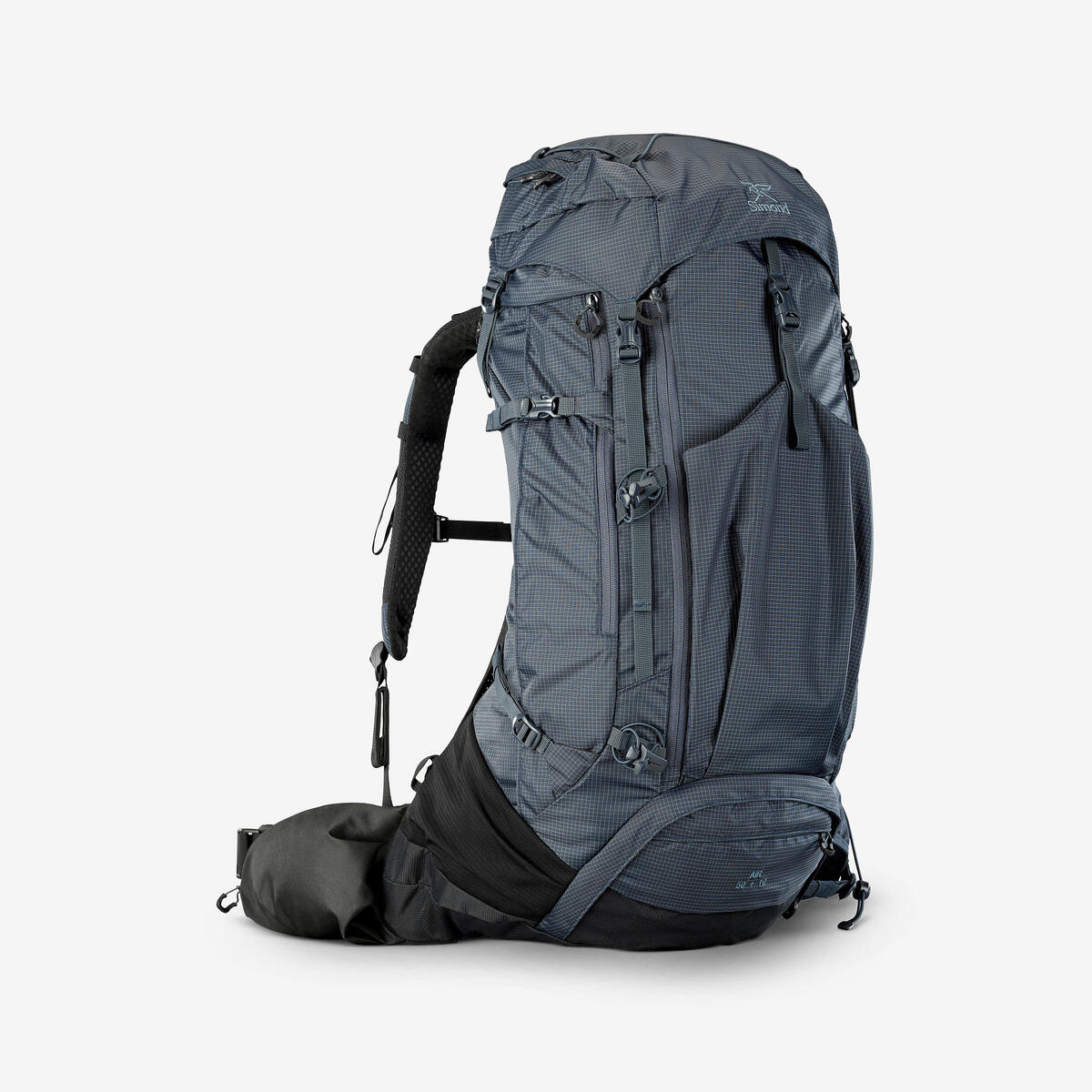
Decathlon · MT500 Air 50+10
Top pick
The pack I actually carried on Alta Via 1 — outstanding value, ventilated back, and expandable capacity for hut food.
First-hand / trail-tested
Trail tested
Used on: Alta Via 1
Main pack on Alta Via 1 — 50+10 L with good ventilation and adjustable fit for hut-to-hut loads.
Fit check
Quick read on where Decathlon MT500 shines — and where you should look elsewhere.
Full trail review
The pack I actually carried on Alta Via 1 — outstanding value, ventilated back, and expandable capacity for hut food.
Suited for trekking · hiking
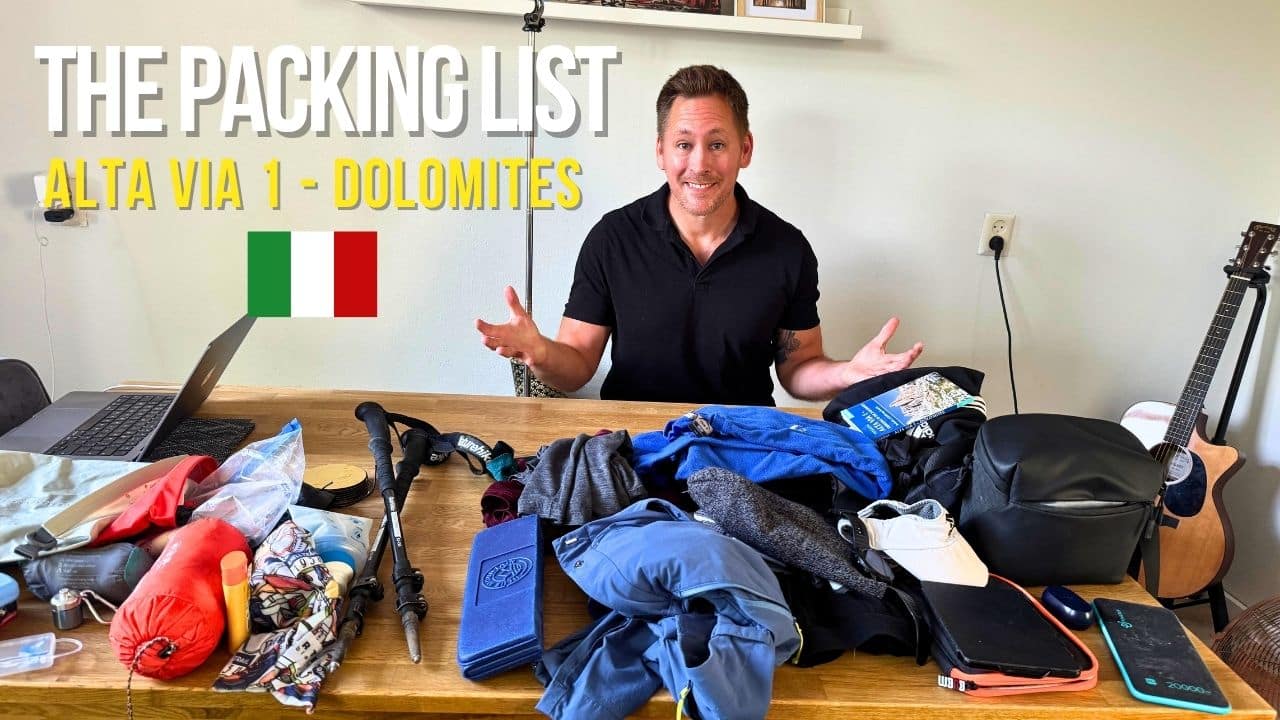
On trail
Carried on Alta Via 1 — 8 days hut-to-hut
Decathlon MT500 Air 50+10 L
Decathlon
At a glance
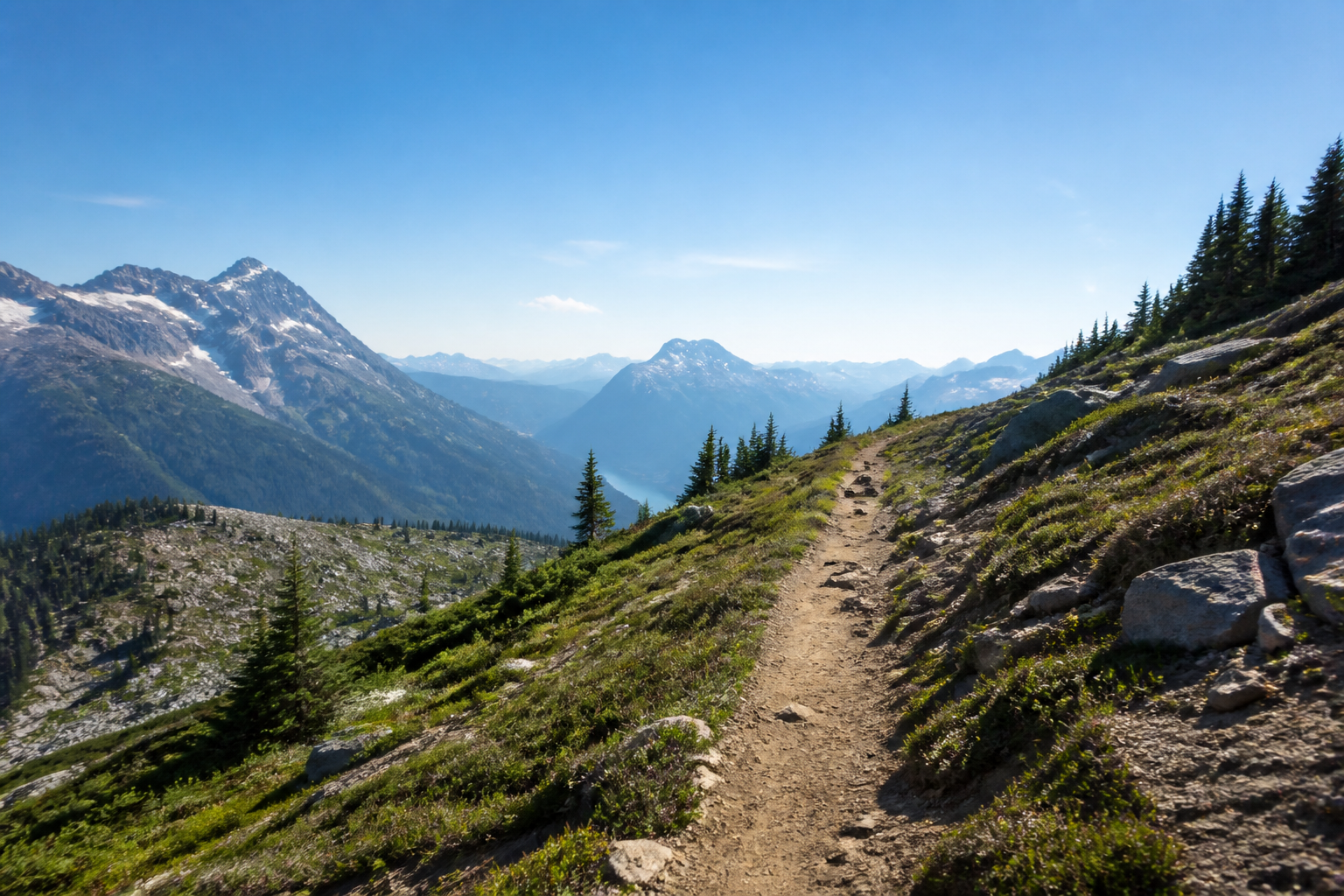
This is the pack on my back in the Alta Via 1 videos and packing lists — eight days hut-to-hut through the Dolomites with camera kit, layers, and food between rifugi. Loaded with food and water it came in around 9.5 kg, and the Air back panel kept my back noticeably cooler than non-ventilated packs in summer heat.
It is not the pack I would choose for a winter expedition or a 20 kg camping load. For a self-guided European hut trek in fair weather, it performed without a single failure that made me wish I had spent three times more.
By day five I stopped thinking about the pack — which is the best review I can give any frame on a long hut route. Straps stayed comfortable, zips worked, and the expander handled variable food loads between rifugi.
This is the pack in my AV1 videos — eight days hut-to-hut at roughly 9.5 kg loaded with food, water, camera kit, and layers.
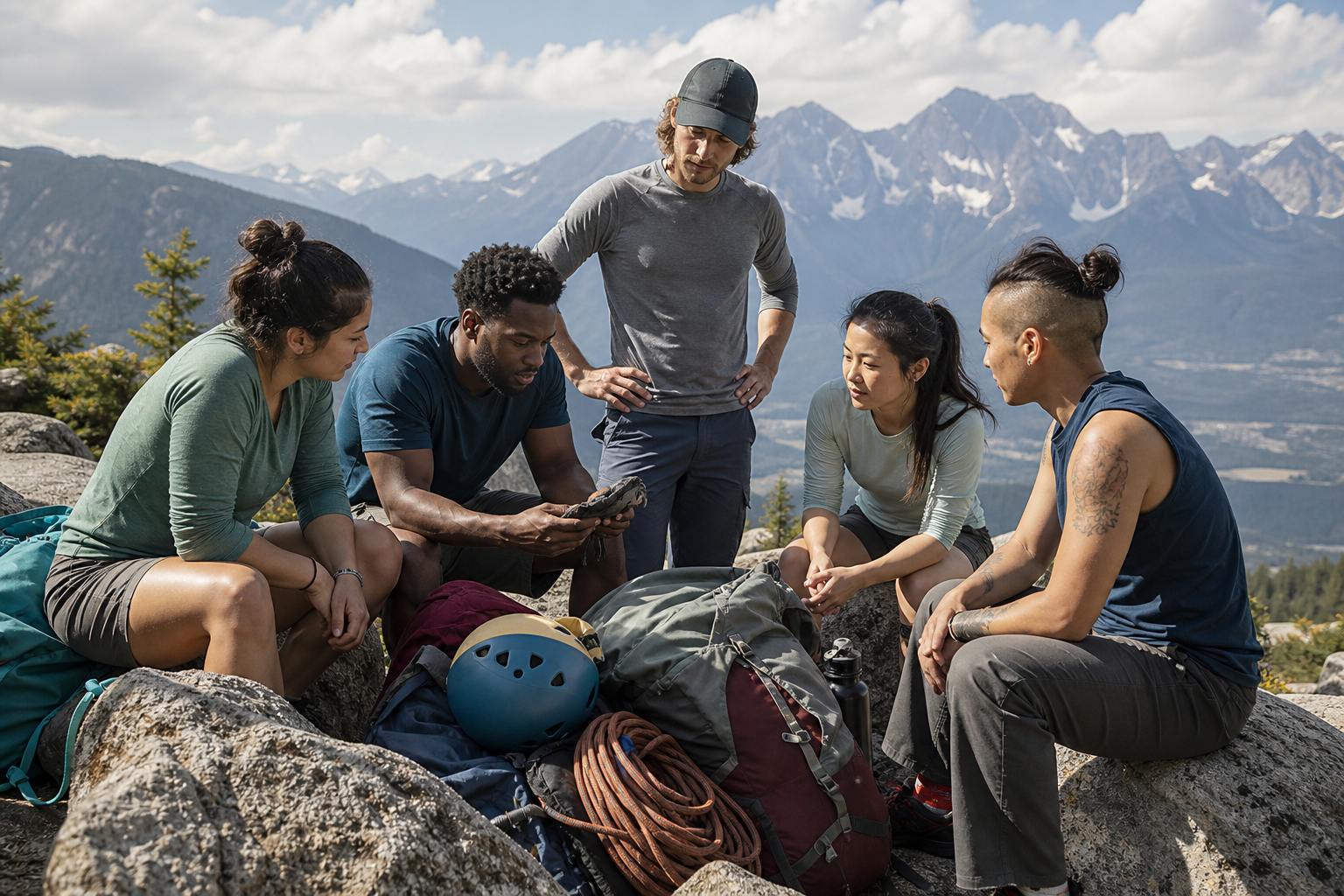
50+10 L gives you expansion room for food and souvenirs without jumping to a heavy 65 L frame. Ventilated back contact is the feature you feel every afternoon on exposed ascents.
Decathlon’s fit range and adjustability are good enough for most hikers if you spend ten minutes dialling torso length and hip belt at home before the trip.
Think of the +10 L expander as insurance for stages where rifugio portions are generous or you pick up a spare layer mid-route — compress it when you do not need the volume to keep load stable.
Air back panel kept my shirt noticeably cooler than non-ventilated packs on 25°C valley ascents — the feature you feel every afternoon.
I used packing cubes and dry bags inside the main compartment — same system as premium packs. Top lid and side pockets handle snacks, rain layer, and water filter access.
The +10 L expander is useful when rifugio food portions vary or you pick up extra layers mid-trip. Compress it when you do not need the volume.
Bottom access is limited compared with panel-loader packs — I kept daily items in lid and side pockets to avoid full repacks at every hut.
Use packing cubes and dry bags inside — same organisation system as premium packs, without premium hip-belt padding above ~13 kg.
Exos is lighter and more refined; MT500 Air wins on price and ventilation per euro spent for warm hut treks.
Read full review$300.35indicative on Amazon
Atmos carries heavy loads better. MT500 Air is the smarter pick for warm hut treks under ~11 kg like AV1.
Read full review$199.95indicative on Amazon
similar budget tier — MT500 Air’s ventilated back is why I carried Decathlon on Alta Via 1.
Read full reviewTrailbreak offers more volume at similar price; MT500 wins on Air back panel for hot alpine stages.
Read full reviewExos refines fit and durability; MT500 wins on price and ventilation per euro for warm hut treks like AV1.
Read full reviewReady to buy?
Decathlon MT500 Air 50+10 L
The Decathlon MT500 Air 50+10 is the pack I can recommend from first-hand use on Alta Via 1. Pack light, use the Air back panel on hot days, and upgrade only when your load or trip style outgrows it.
Pack light, use the Air panel on hot days, and upgrade only when load or trip style outgrows it.
Ready to buy?
Decathlon MT500 Air 50+10 L
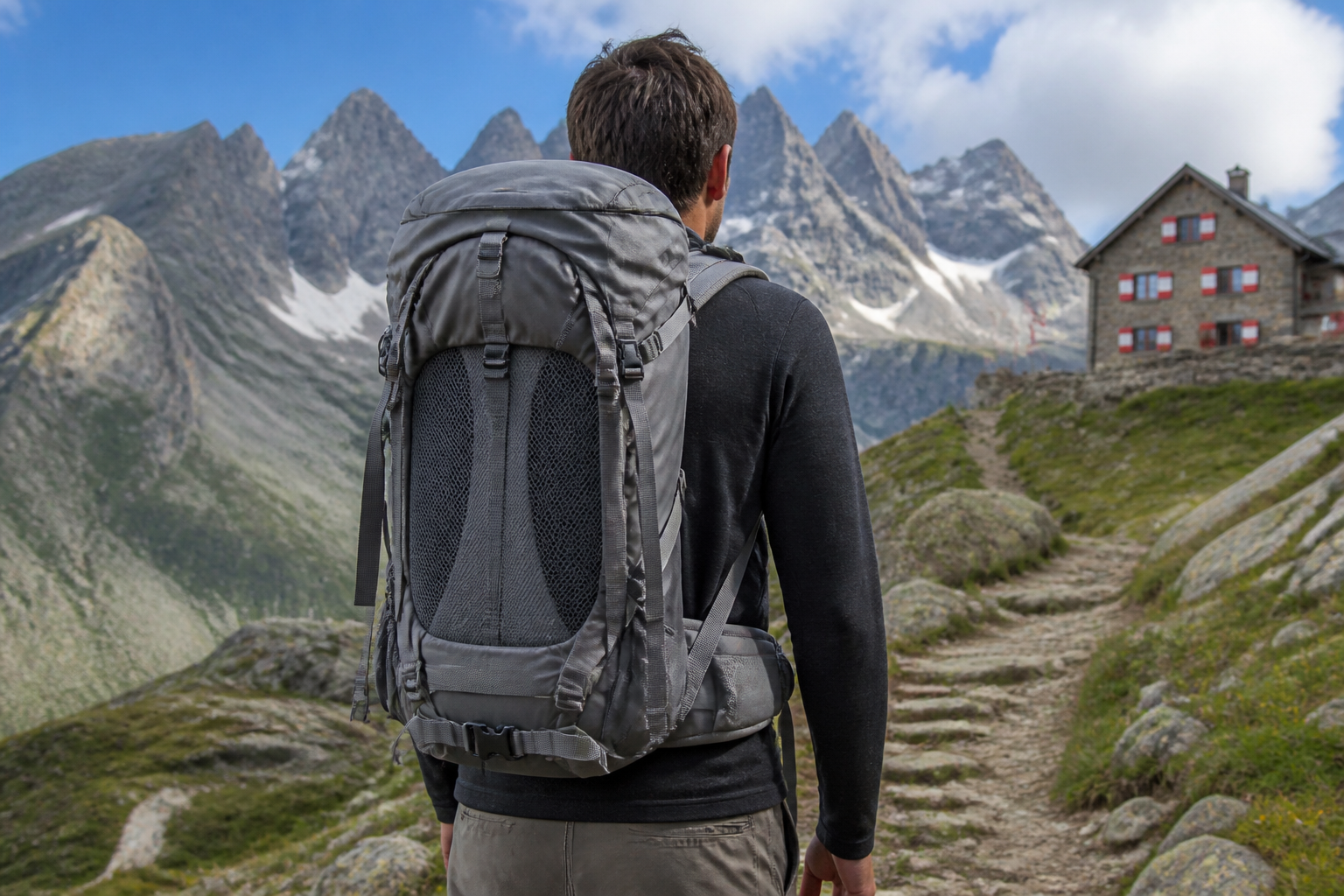
Hip-belt padding is thinner than Osprey Atmos or Gregory Baltoro — you feel that above ~12–13 kg total weight on long descents. Below that, it carries honestly for a week.
Shoulder straps are comfortable with a typical hut kit. I used a sternum strap and load lifters daily; they matter on the steeper AV1 stages.
Air back panel creates stand-off between pack and shirt — on 25°C valley approaches that ventilation is worth more than hip-belt padding you only notice above 14 kg.
By day five I stopped thinking about the pack — straps comfortable, zips working, expander handling variable rifugio food portions.
Watch next
HikingWithLee — Alta Via 1 ultimate guide
On the trail
Trek packing lists and guides that recommend this gear (2).