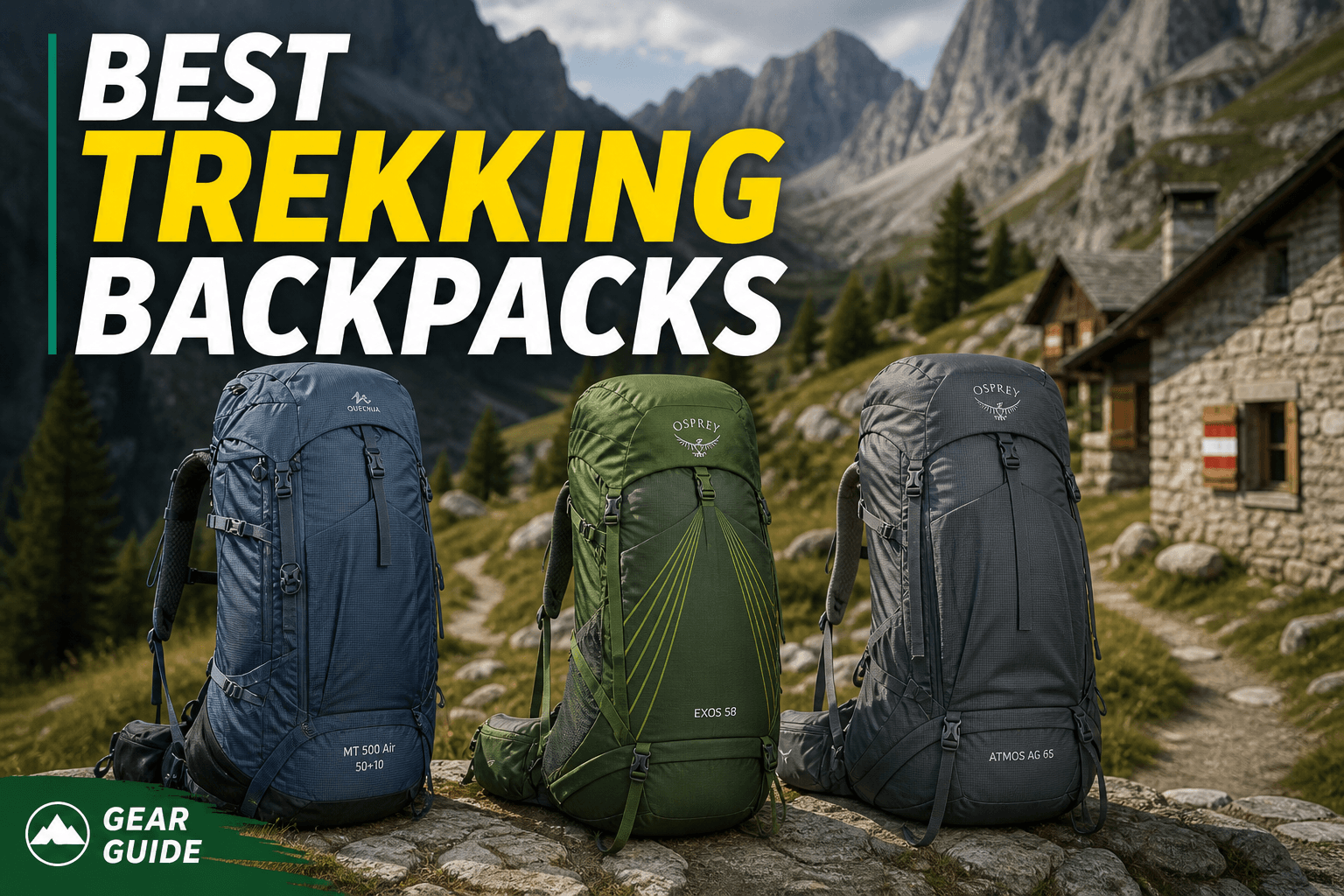
Best Hiking & Trekking Backpacks: Hut-to-Hut & Multi-Day Picks
Best hiking and trekking backpacks for multi-day trails — picks tested on trail. MT500 from Alta Via 1 leads hut picks; Osprey, REI and Hyperlite compared.
Last verified
Editor's shortlist
Top trekking backpacks picks
Hand-picked from real trail use and side-by-side comparisons — jump straight to the right model for your hike.
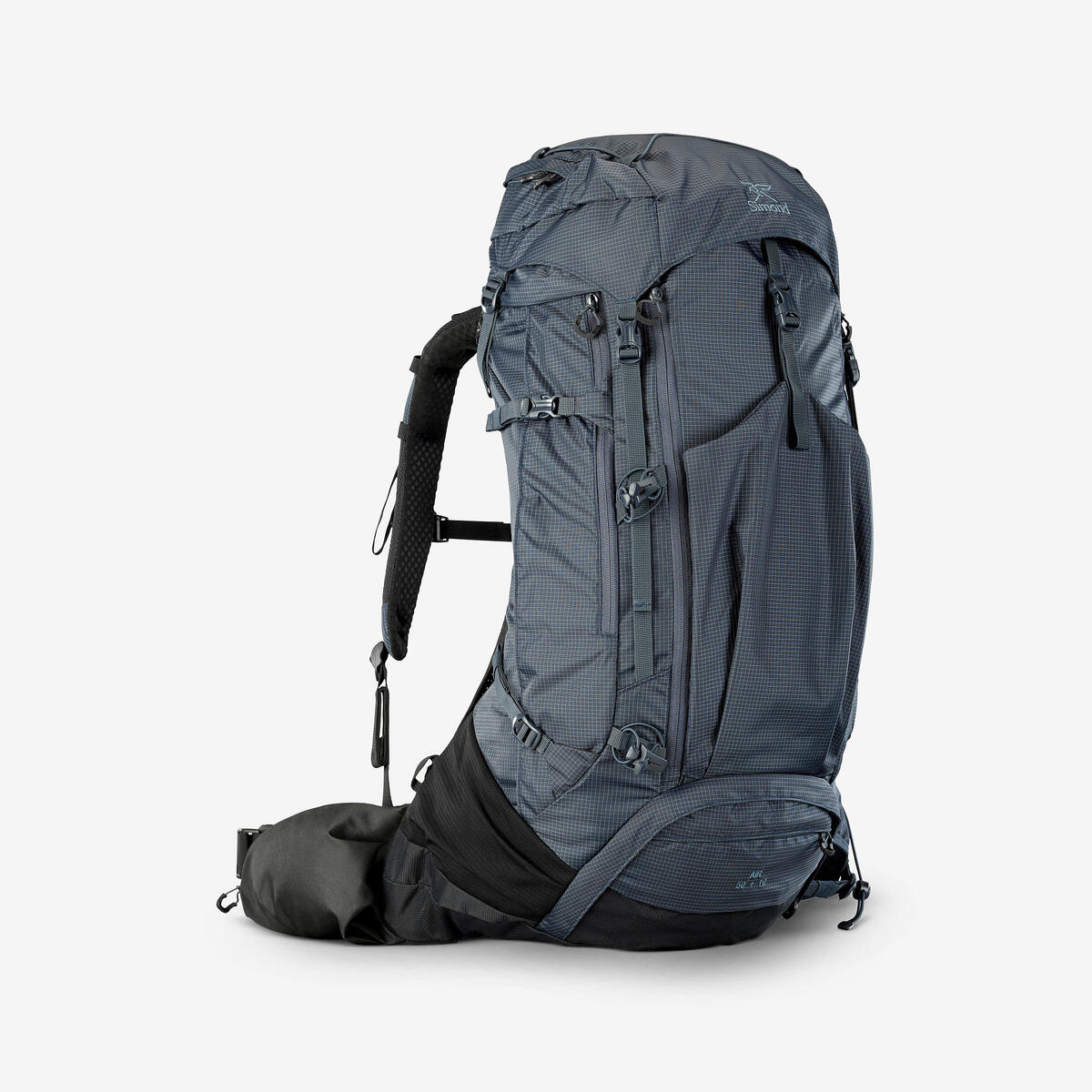
The pack I actually carried on Alta Via 1 — outstanding value, ventilated back, and expandable capacity for hut food.
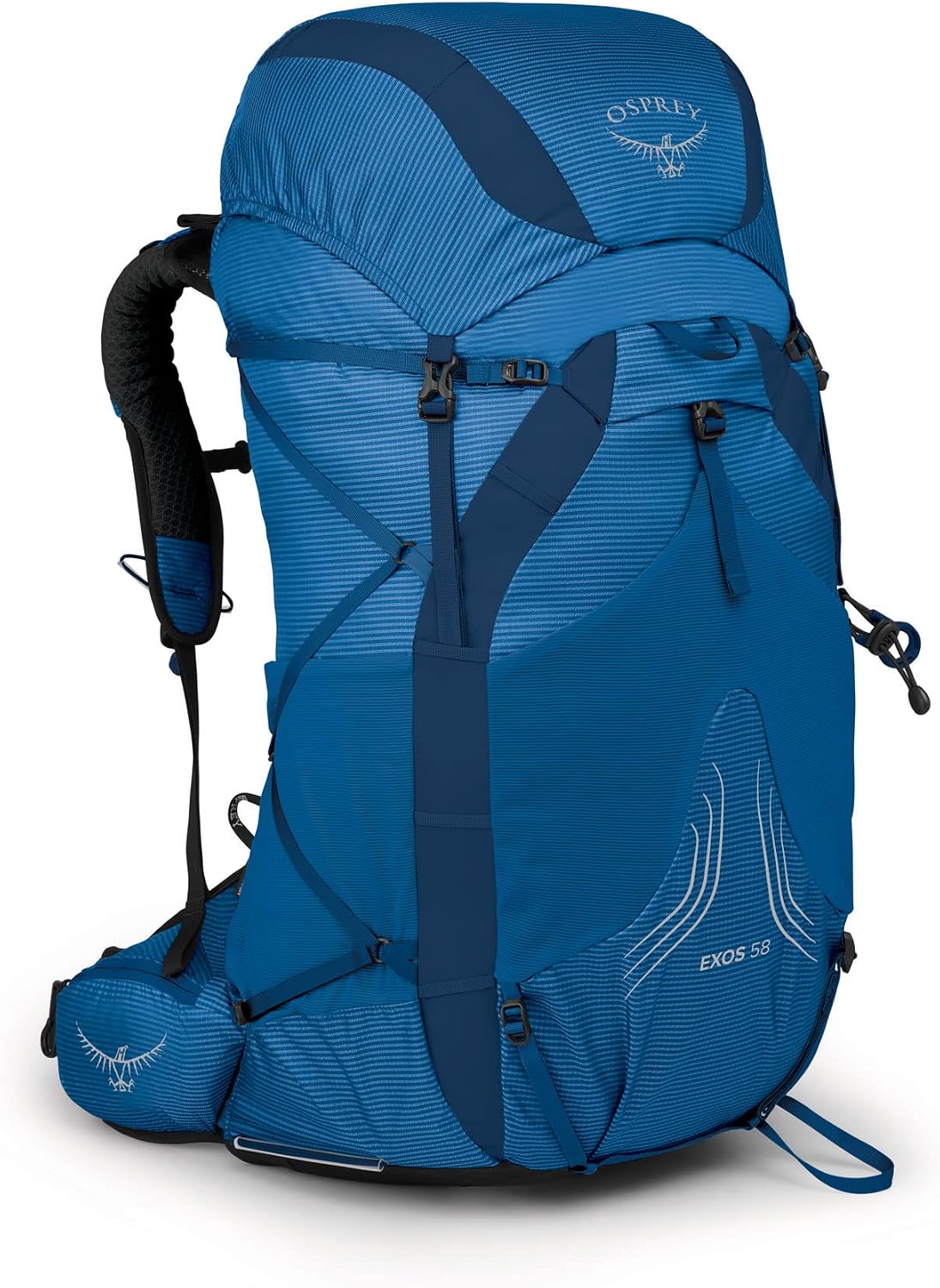
My go-to recommendation when you can keep base weight down — excellent ventilation and a sub-1.2 kg frame for multi-day alpine routes.
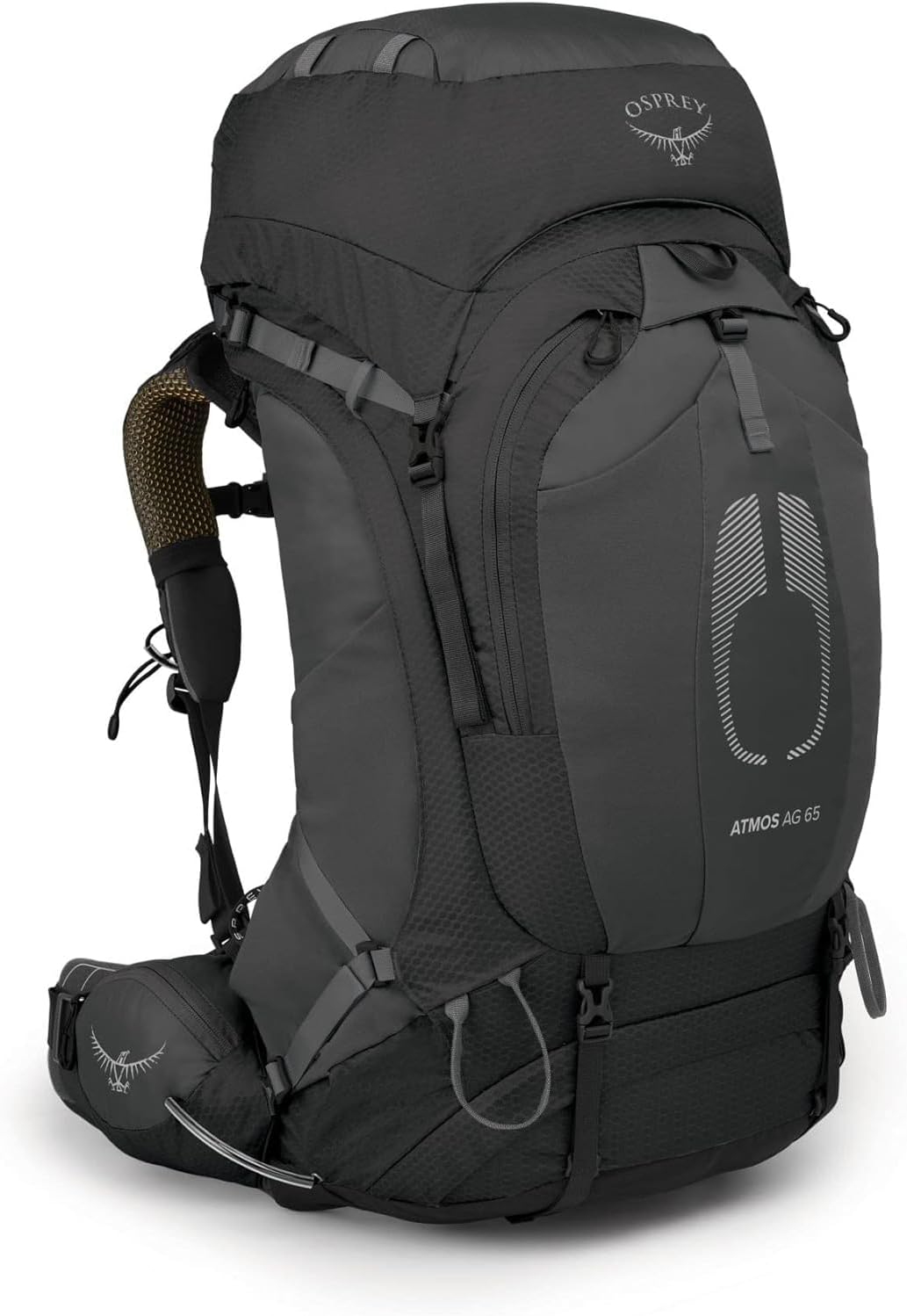
Premium comfort for 12–18 kg loads — considered and test-hiked, but not the pack I carried on published treks (AV1 was Decathlon MT500).
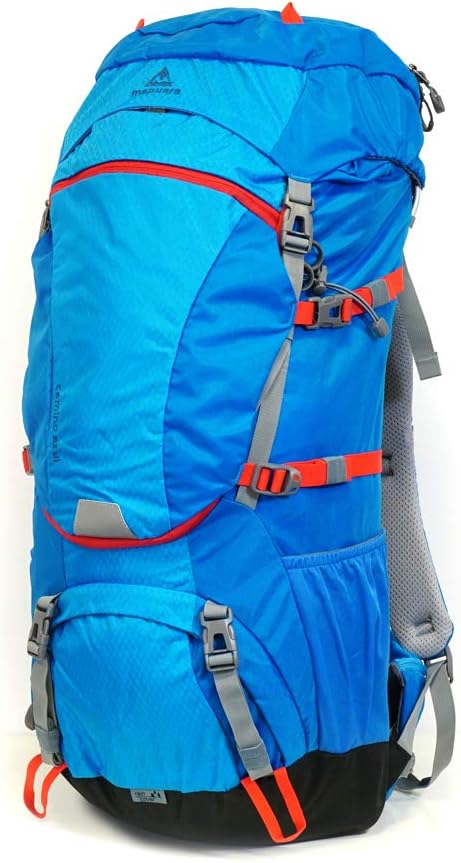
The beginner 60 L pack I point new hikers toward — simple organisation, adjustable fit, and enough capacity for first multi-day trips without flagship pricing.
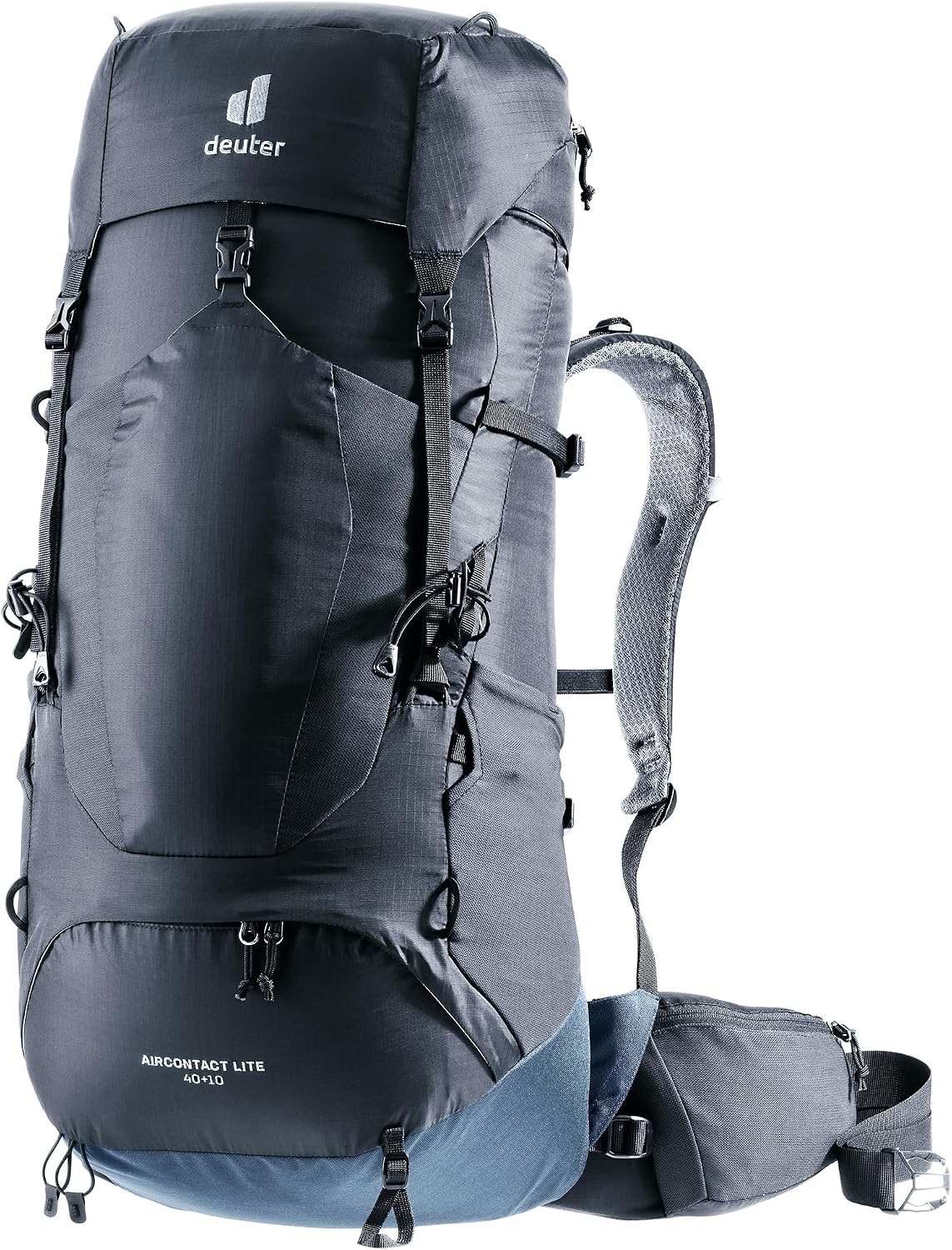
Top choice for women seeking a comfortable and versatile daypack. Perfect for day hikes or short overnight trips.
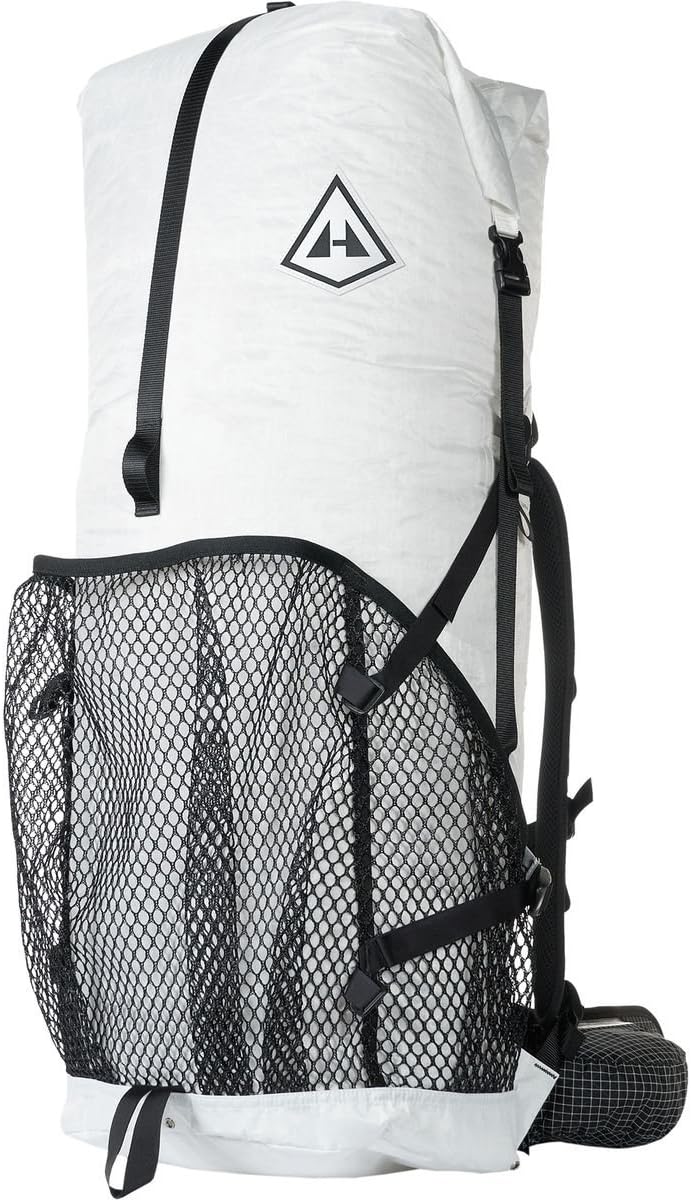
Outstanding backpack for thru-hikers and long-distance trekkers. Reliable choice for extended adventures
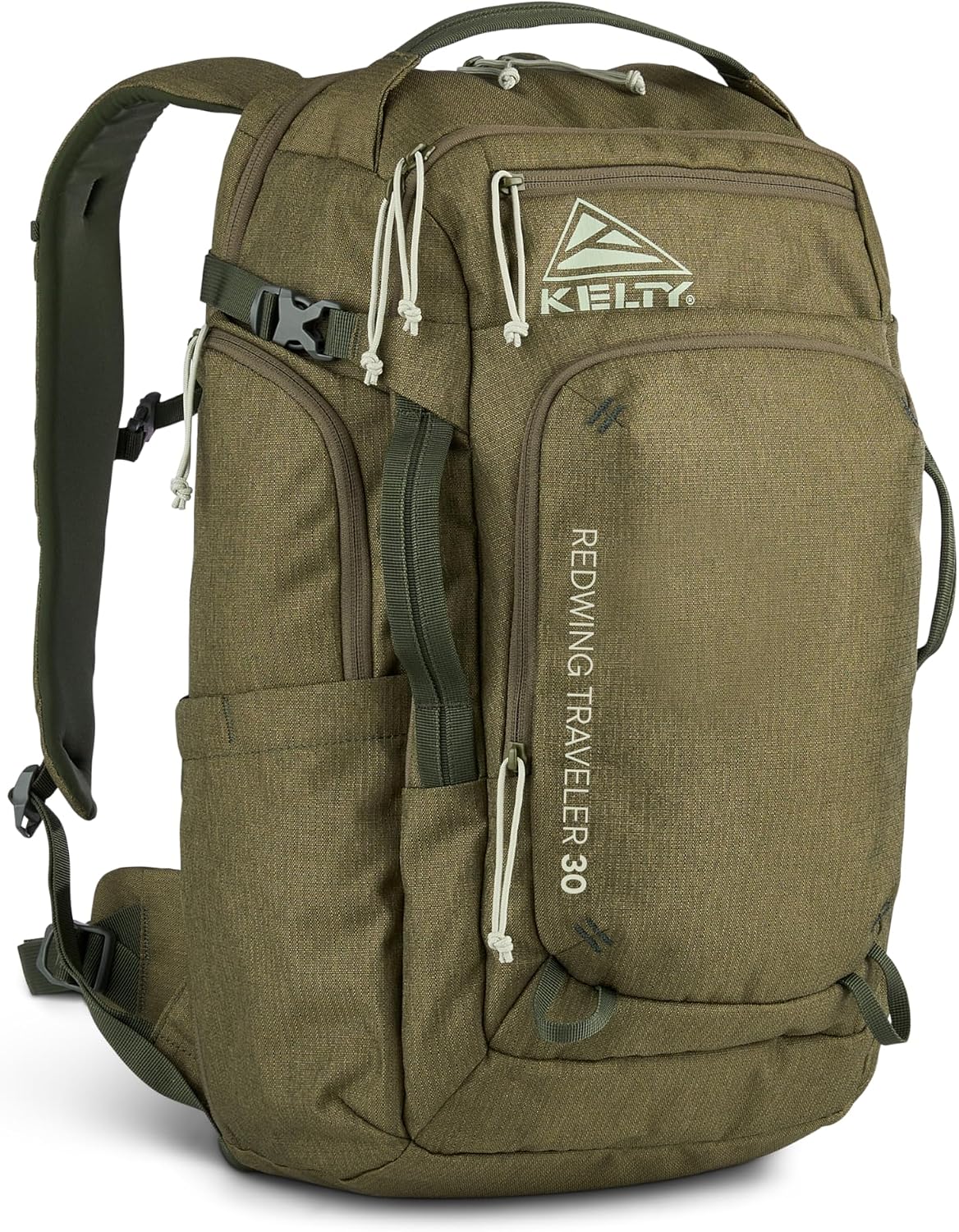
Solid budget multi-day option when you need capacity without flagship pricing.
Compare at a glance
How the top trekking backpacks stack up
- Editor score
- 9.1/10
- Best for
- Hut-to-hut treks
- Capacity
- 50+10 L
- Pack weight
- 1.4 kg
- Why it wins
- The pack I actually carried on Alta Via 1 — outstanding value, ventilated back, and expan…
- Trade-off
- —
- Experience
- Trail tested
- Editor score
- 9/10
- Best for
- Lighter multi-day loads
- Capacity
- 58 L
- Pack weight
- 1.1 kg
- Why it wins
- Lightweight and breathable design
- Trade-off
- Lacks a dedicated sleeping bag compartment
- Experience
- Worth considering
- Editor score
- 9.2/10
- Best for
- Multi-day hut treks
- Capacity
- 65 L
- Pack weight
- 2.0 kg
- Why it wins
- Affordable, comfortable, and easy to use, A great first pack for your hiking journey
- Trade-off
- At roughly 2 kg empty it is heavier than Exos-class packs
- Experience
- Worth considering
- Editor score
- 8/10
- Best for
- First multi-day hikes
- Capacity
- 60 L
- Pack weight
- 1.7 kg
- Why it wins
- Beginner-friendly organisation
- Trade-off
- Heavier than premium trekking packs
- Experience
- Worth considering
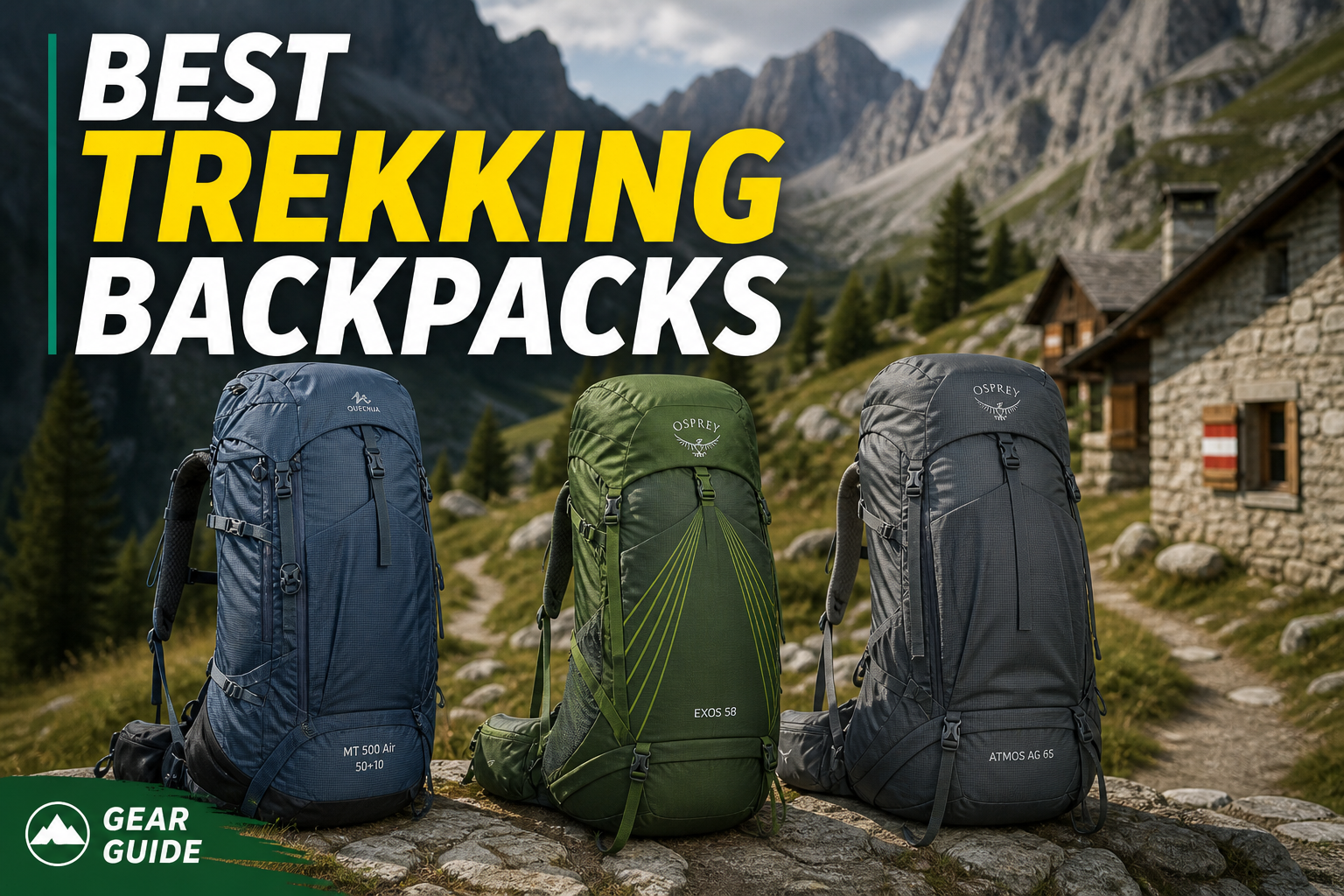
Trekking backpacks sit between daypacks and expedition loads: you need 50–65 L, a ventilated back panel for consecutive days, and a hip belt that still works when you add food, water, and layers between huts.
I carried the Decathlon MT500 Air 50+10 L on Alta Via 1 — this is the one backpack guide on the site. Hut-to-hut picks lead with that first-hand kit; later sections cover general multi-day, camping-bridge, and thru-hike frames when your route needs more volume or less weight.
Scope: 45–65 L hut-to-hut packs for consecutive European rifugio stages where you carry sleep kit, layers, and food between huts but not a tent every night. For 70 L camping loads (tent + stove every night), see Gregory Baltoro 65. Product pages (MT500, Exos, Atmos) go deeper on fit — this guide and the Osprey–Decathlon compare help you choose between them.
The Best Trekking Backpacks: Product Reviews
1. Decathlon MT500 Air 50+10 – Best Value Hut-Trek Pack
Best Value Hut-Trek Pack
Decathlon MT500 Air 50+10 L
The Decathlon MT500 Air 50+10 L is the pack I actually carried on Alta Via 1 — eight hut-to-hut days with camera kit, changing weather layers, and rifugio half-board food strategy. The ventilated back panel kept my shirt drier on warm Dolomite afternoons than flat-panel budget packs. The +10 L expander zip handles mid-week snack and layer bulk without jumping to a 65 L camping frame. Hip belt carried load on hips, not shoulders, through long descents to rifugi. Not ultralight, but the price-to-performance ratio is why it lands on my my gear page.
Reasons to buy
- Verified on full AV1 hut-to-hut itinerary
- Ventilated back panel for consecutive trekking days
- Expandable capacity for variable hut food loads
- Strong value vs Osprey premium tier
Reasons to avoid
- Heavier than Osprey Exos class ultralight packs
- Less refined harness than Atmos AG on 15+ kg loads
- Decathlon availability varies by region
2. Osprey Exos 58 – Best Lightweight Trekking Pack
Osprey Exos 58
The Osprey Exos 58 is the lightweight trekking standard on Tour du Mont Blanc, Laugavegur, and Skye Trail when hikers keep base weight lean. Sub-1.2 kg frame class frees grams for food carries between sparse huts. Works beautifully on TMB resupply rhythm — you do not need expander volume when villages appear every two days. Pair with disciplined kit: one insulation layer, compressible sleep clothes, and shared toiletries on couple treks.
Reasons to buy
- Among the lightest 55–60 L trekking frames
- Featured across multiple site packing lists
- Osprey fit system and resale value
- Ideal for experienced hikers with audited kit
Reasons to avoid
- Less comfortable above ~14 kg total load
- Tighter harness than Atmos for camera-heavy kits
- Premium price over Decathlon value tier
3. Osprey Atmos AG 65 – Best Comfort Trekking Pack
Osprey Atmos AG 65
The Osprey Atmos AG 65 is the comfort upgrade when trekking load creeps past ultralight discipline — DSLR + drone, extra insulation, or occasional camping nights on Skye Trail where tent weight joins hut kit. Anti-Gravity suspension transfers 70–80% of load to hips on 12–18 kg totals. Extra volume handles food carries on Laugavegur remote stages without external strapping chaos. Same model is the heavy-load hut-trek and camping-bridge pick when camera or tent weight joins hut kit.
Reasons to buy
- Best-in-class hip belt padding for heavier trekking loads
- 65 L capacity for tent + hut hybrid itineraries
- Anti-Gravity back panel for long consecutive days
- Strong harness for camera and electronics kits
Reasons to avoid
- Heavier frame than Exos — feel every gram on ascents
- Overkill for lean AV1 half-board kit
- Higher price than Decathlon MT500
4. Kelty Redwing 50 – Best Budget Trekking Pack
Kelty Redwing 50
The Kelty Redwing 50 covers first multi-day hut treks without Osprey pricing — solid 50 L capacity for Iseltwald loops and shorter European stages where you need consecutive-day carry but not expedition features. Panel-loading access simplifies rifugio repacking when you need sleep clothes without unpacking the entire main compartment. Not as ventilated or refined as MT500 Air, but accessible at entry retailers and good enough for three-to-five day introductions to hut culture before you invest in premium harnesses.
Reasons to buy
- Accessible budget entry to 50 L trekking capacity
- Panel access for hut-room organization
- Sufficient for shorter hut routes and first treks
- Lower financial risk before committing to premium fit
Reasons to avoid
- Less ventilation than MT500 Air mesh back
- Harness comfort below Osprey on 12+ kg loads
- Limited expander volume for long food carries
General multi-day & thru-hike packs
When your route is not hut half-board — first multi-day trips, women's day-hike capacity, or ultralight thru-hikes — these frames sit alongside the trekking picks above:
| Use case | Pick | Notes |
|---|---|---|
| Best for beginners | REI Co-op Trailbreak 60 | Affordable first multi-day pack; easy harness adjustment |
| Best women's daypack | Deuter AirContact Lite 45+10 SL | Lighter capacity for weekend trips and day-hike base camps |
| Best ultralight thru-hike | Hyperlite 3400 Southwest | Sub-1 kg frame class for PCT-style distance |
| Best lightweight day/multi | Hyperlite 2400 Windrider | Minimalist hikers on shorter supported routes — see Hyperlite 3400 Southwest |
These are researched and test-loaded picks — not the pack on my published AV1 kit. For side-by-side MT500 vs Exos vs Atmos on European hut treks, use the Osprey–Decathlon comparison.
Buying Guide: How to Choose a Trekking Backpack
Capacity math: 45 L works for lean half-board hut treks with laundry stops; 50–55 L fits camera kit and extra insulation; 60–65 L bridges camping nights when tent weight joins hut kit. Use expander zips (+10 L on MT500) before jumping frame size.
Fit in the shop:
- Load the shop pack with 10–12 kg of weight (they have sand bags)
- Hip belt carries 70–80% of weight on your hips, not shoulders
- Torso length: Match Osprey's size chart — S/M/L is not the same as shirt size
- Shoulder straps: No gap at the top of your shoulders; no pinching at armpits
- Walk the store 10 minutes — hot spots show up fast
If you buy online, order two sizes and return one — a poor fit ruins week two of a hut trek.
Ventilation vs weight: Mesh back panels (MT500 Air, Atmos AG) matter on warm Pyrenees and Dolomites weeks. Ultralight Exos trades some ventilation for frame grams — acceptable if you hike dawn-to-dusk in cool air.
Women's fit: Osprey WMN and Deuter SL harnesses change hip belt shape — try both if standard packs leave gaps at the lumbar.
Airline strategy: Most 50–65 L packs exceed cabin limits when full — wear empty through airports, check soft items inside, or plan checked bag fees on European budget carriers.
Upgrade path: Kelty or MT500 for trip one → Exos when kit is audited → Atmos when camera or camping weight is permanent. Resale on Osprey offsets second purchase.
What makes a trekking pack different
- Capacity: 45–65 L for 5–10 day hut routes; use the +10 expander for food between sparse huts.
- Ventilation: Mesh back panels matter on warm Dolomites or Pyrenees days.
- Fit: Torso length adjustment — try loaded before a long trek.
- Weight: Every 200 g adds up over eight consecutive days.
Pack fit checklist (at home)
Packing for hut-to-hut efficiency
- Bottom: Sleep clothes and down jacket in dry bag
- Middle: Food, cook kit (if any), water reservoir
- Top: Rain shell, first aid, headlamp
- Lid / brain: Sunscreen, map, snacks, hut cash
- Side pockets: Water bottles, poles when stowed
Match your list to a real route — Alta Via 1 packing list is my reference template.
Treks and typical pack choice
| Trek | Pack on site lists | Notes |
|---|---|---|
| Alta Via 1 | Decathlon MT500 | My actual pack |
| TMB | Osprey Exos 58 | Lighter when resupplying often |
| Laugavegur | Osprey Exos 58 | Food carries between huts |
| Skye Trail | Osprey Atmos 65 | Tent + food weight |
| Bernina | Osprey Exos 58 | Hut stages |
Related guides
- Best hiking daypacks — single-day capacity
- Backpacks category — catalog
- Gregory Baltoro 65 — heavier camping loads
- Packing list builder — build from trek template
- My gear — MT500 on my roster
Load weight and pack life
Base weight target: Under 12 kg base weight makes Exos-class packs comfortable; above 15 kg total lean toward Atmos or Baltoro harness support.
Food carries: Laugavegur and remote stages add kilos mid-week — choose capacity with expander zip (+10 L on MT500 helps).
Camera kit: DSLR + drone pushes you to Atmos hip belt — Exos still works if you leave drone home.
Airline carry-on: Most trekking packs 50–65 L exceed cabin limits — plan checked bag or wear empty on flights.
Durability: Abrasion on granite (Cederberg) and bus conveyor belts — reinforce worn panel patches early.
Rain strategy: Pack liner inside, not just pack cover — covers fail in horizontal Skye rain.
Resale value: Osprey holds value if you upgrade after first trek — budget brands are buy-once for many hikers.
Compare specs on Gregory Baltoro when camping loads exceed hut-trek weights.
If you are buying your first trekking pack, borrow a friend's loaded pack for a local 15 km hike before committing — shoulder hot spots are cheaper to fix at the shop than on day three of Giants Cup. See the Switzerland hiking guide for Bernina hut stages.
Hip belt sizing: Women's-specific harnesses (Osprey WMN fit) change load transfer — try both if available.
Trekking vs hiking vs camping packs
| Style | Typical capacity | Example from this site |
|---|---|---|
| Day hiking | 20–35 L | Best hiking daypacks |
| Trekking (huts) | 45–55 L | Decathlon MT500, Osprey Exos |
| Camping / self-supported | 55–70 L | Osprey Atmos AG 65, Gregory Baltoro 65 |
Common questions
Frequently asked questions
Straight answers on fit, features, and buying — open a question to read more.
Yes with hut half-board and a lean clothing kit — see my packing list.
Pack liner + rain shell on the pack — most trekking packs sell covers separately.
Same category on this site — trekking implies multi-day self-guided routes with consecutive days on trail.
Official resources: Osprey pack fitting · REI backpack fit guide
Related guides
gear comparison
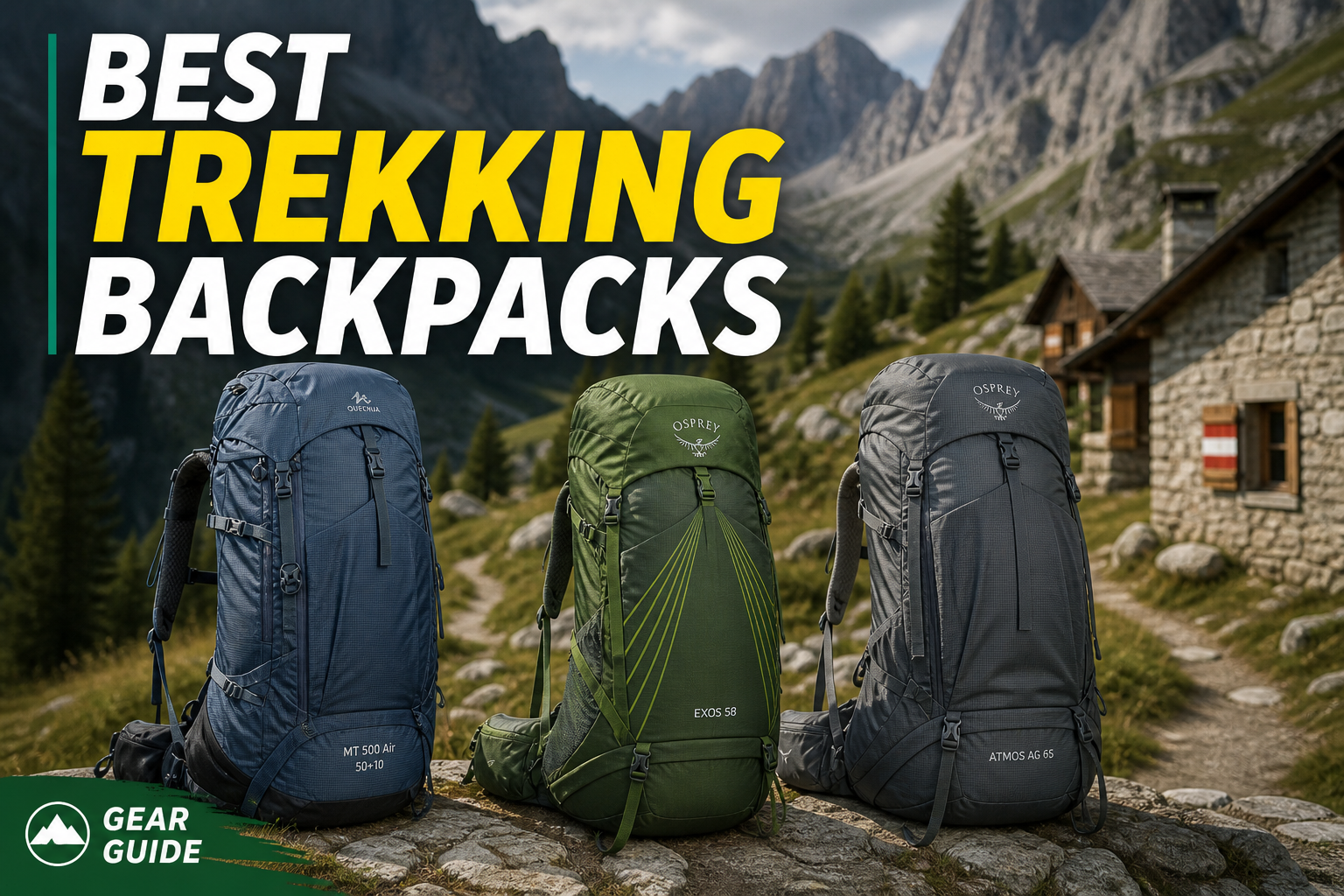
Decathlon MT500 vs Osprey Exos vs Atmos: Trekking Backpack Comparison
Alta Via 1 · 2 min read
Read guide →
trek packing guide
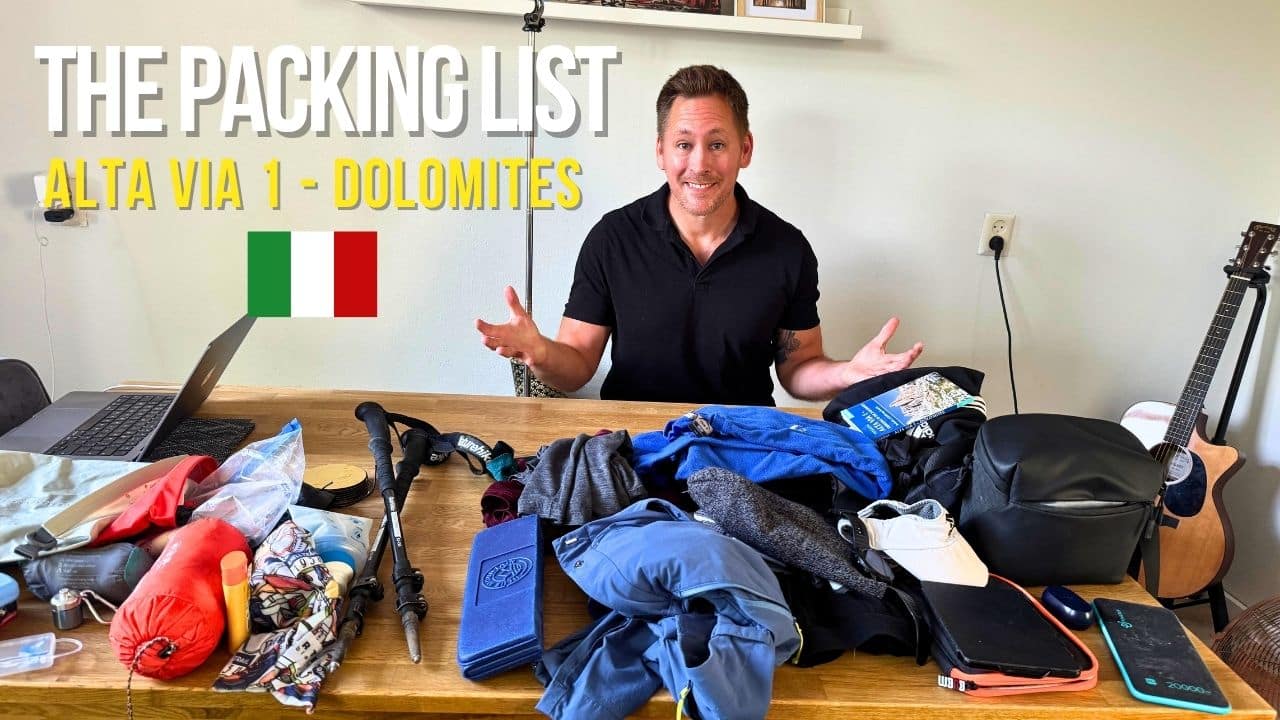
The Essential Alta Via 1 Packing List
Alta Via 1 · 13 min read
Read guide →
gear best of
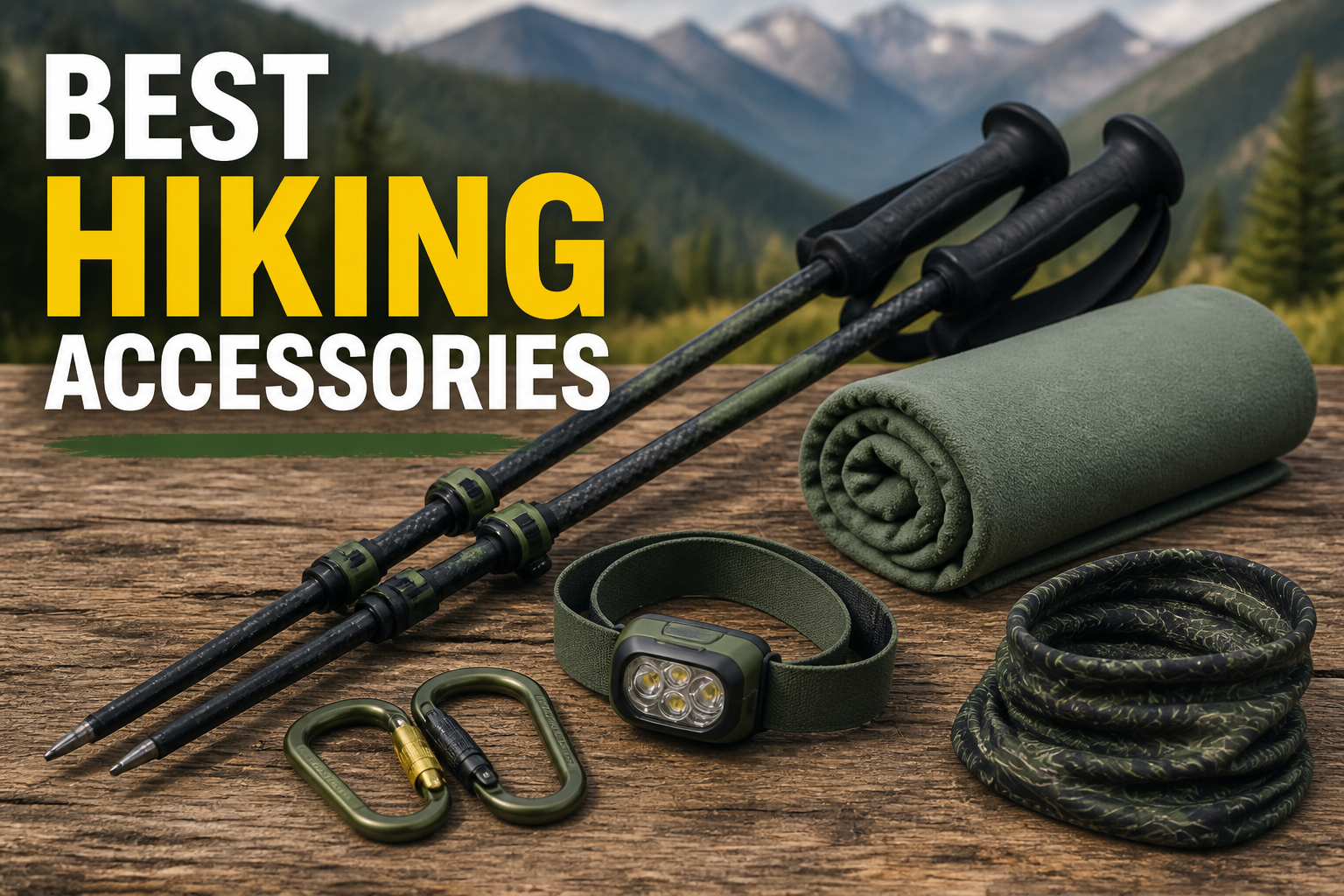
Best Hiking Accessories: Small Kit That Matters
Alta Via 1 · 9 min read
Read guide →