Best for
- Lighter multi-day loads
Loading…
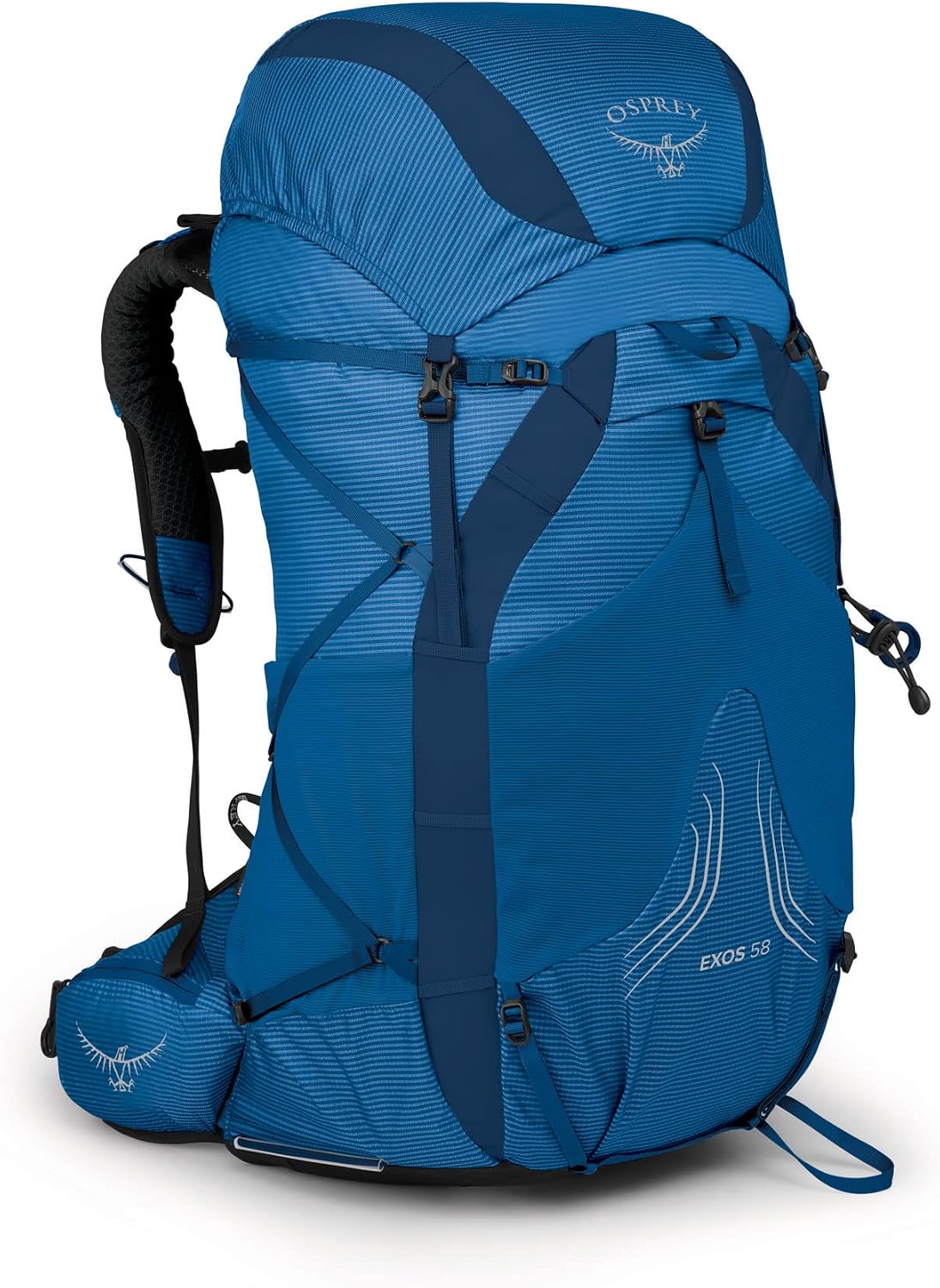
Osprey · Exos 58
Runner-up
My go-to recommendation when you can keep base weight down — excellent ventilation and a sub-1.2 kg frame for multi-day alpine routes.
Researched / considered
Worth considering
Fit check
Quick read on where Osprey Exos shines — and where you should look elsewhere.
Full trail review
My go-to recommendation when you can keep base weight down — excellent ventilation and a sub-1.2 kg frame for multi-day alpine routes.
Suited for trekking · hiking
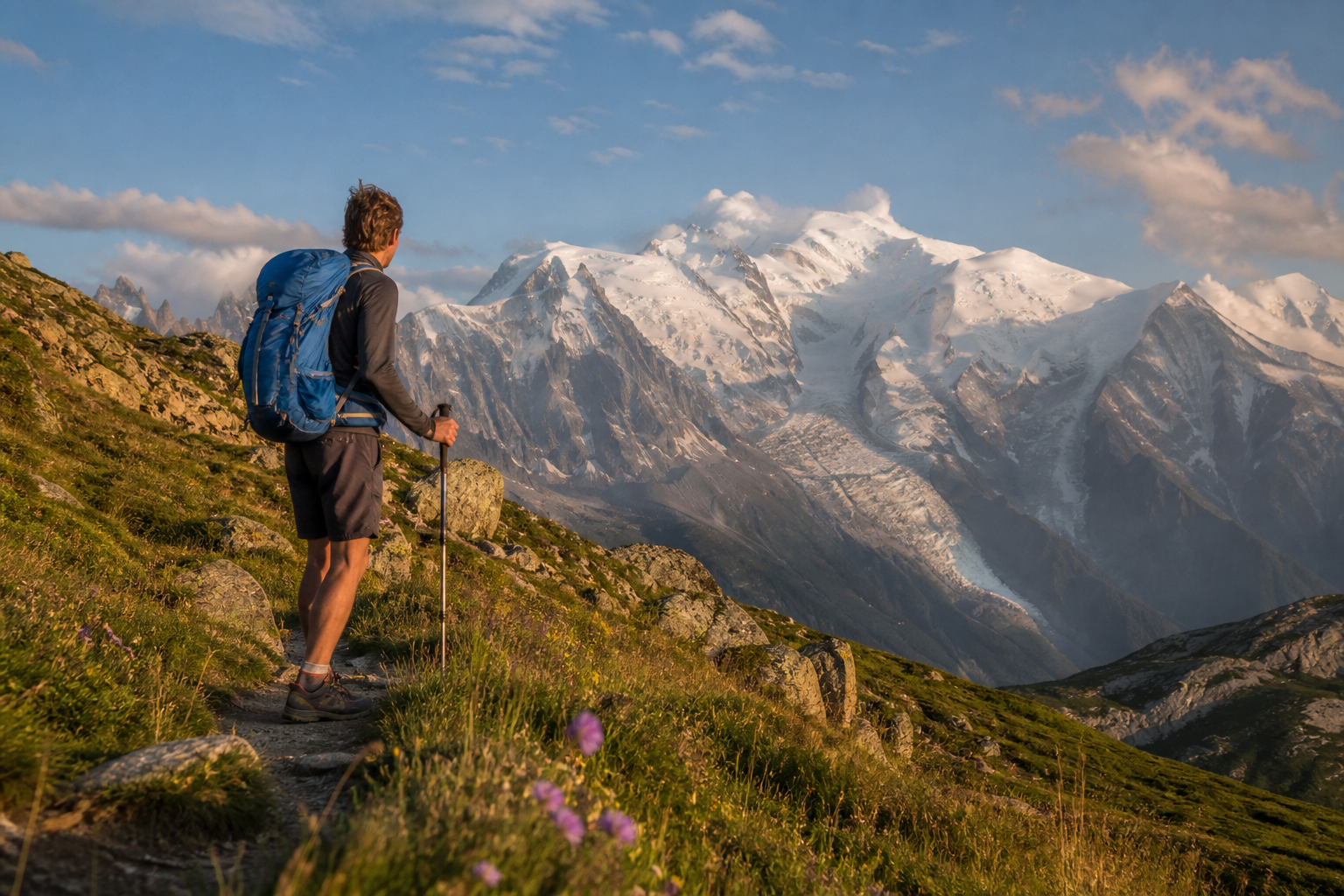
On trail
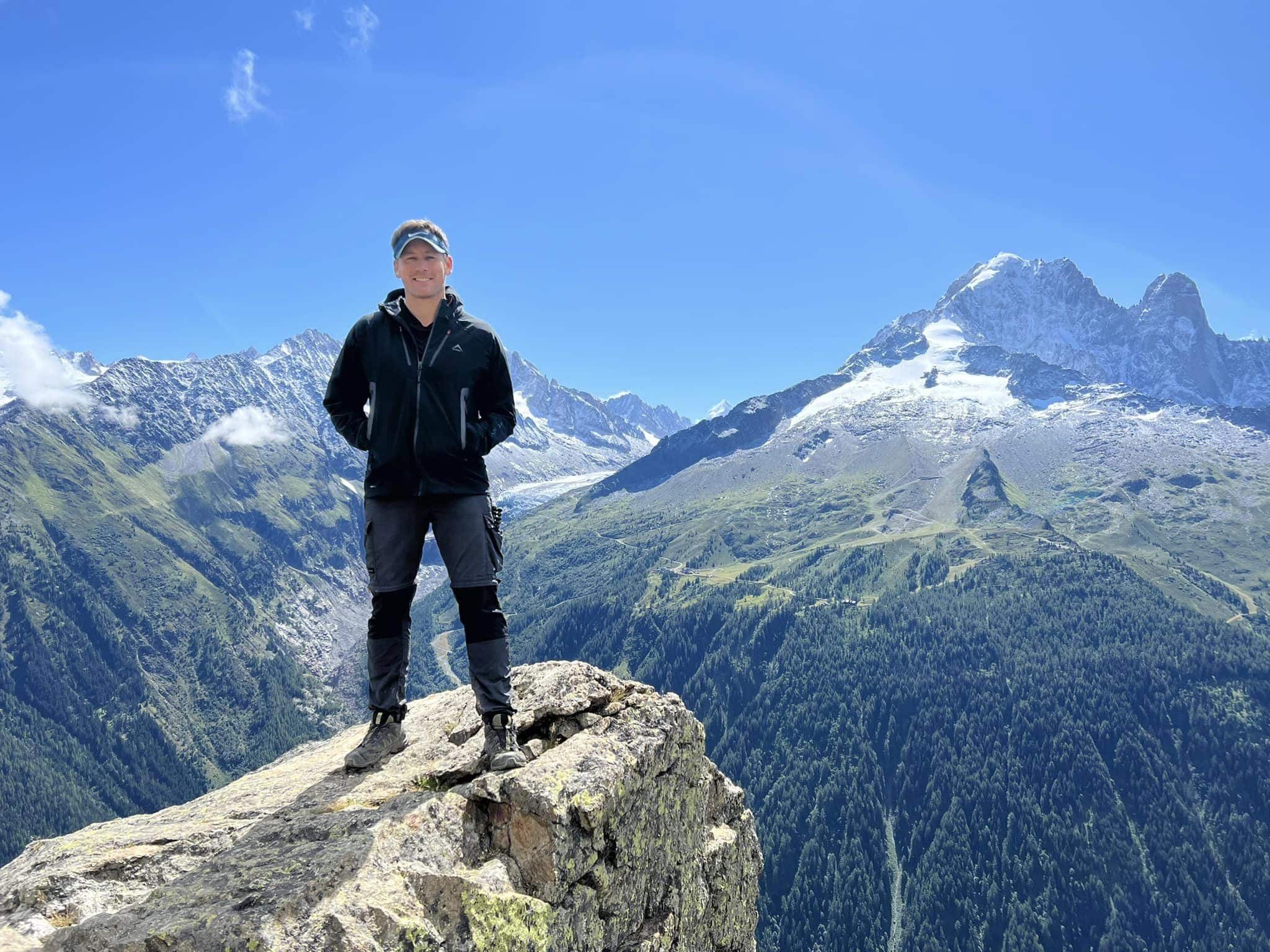
Featured on TMB, Skye & Laugavegur lists
Osprey Exos 58
Osprey
At a glance
Featured across many of my packing lists (TMB, Skye, Laugavegur). I would choose Exos over Atmos when the itinerary allows a lighter kit.
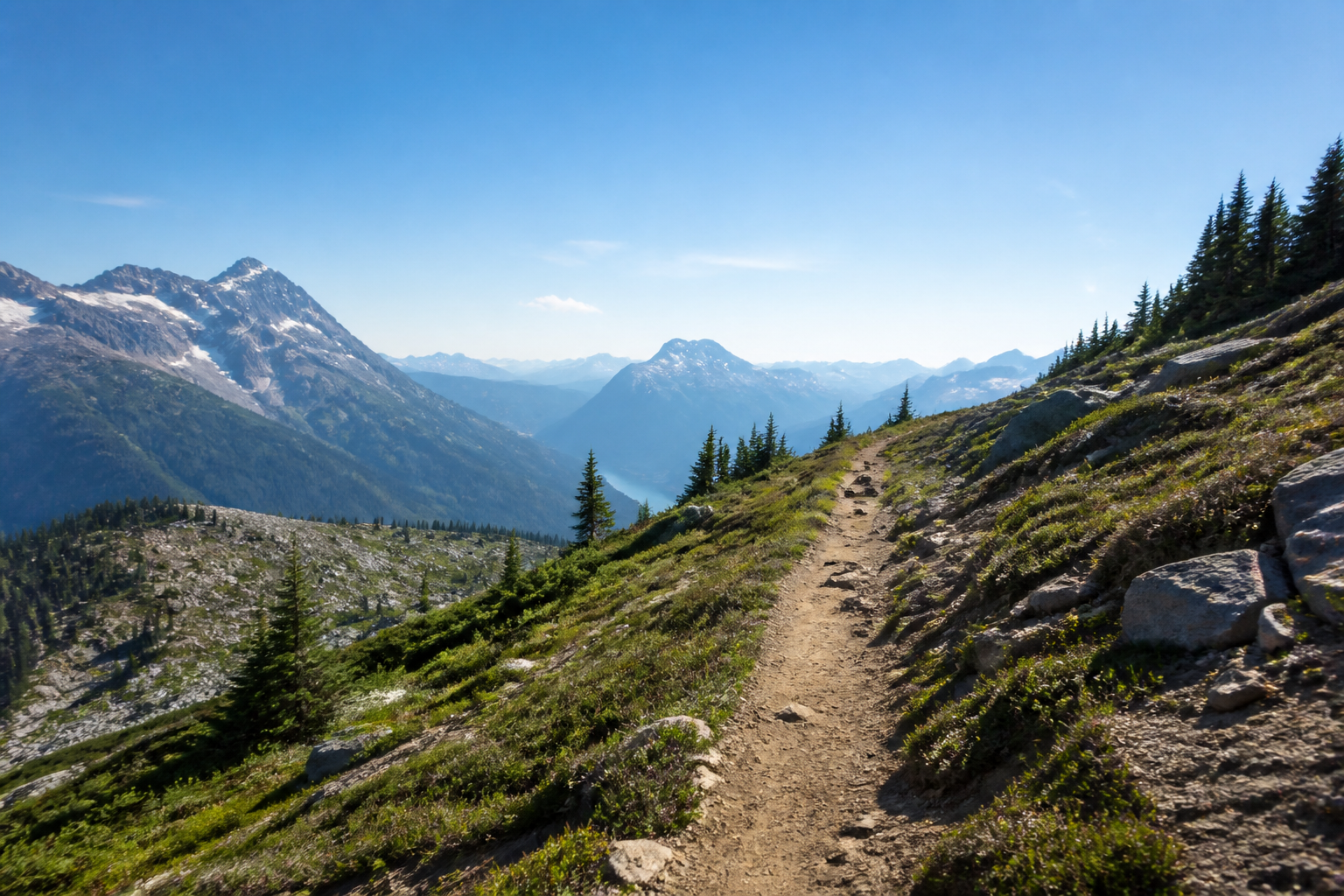
The Exos 58 appears on more of my published packing lists than any other premium pack — TMB, Skye Trail, Laugavegur, and lighter alpine hut routes where I am not carrying camping food for days on end. It is the pack I point hikers toward when they ask for one bag that covers most European multi-day trips.
On test hikes and kit comparisons it consistently feels lighter on the back than heavier 65 L frames, even when loaded to similar trail weight. The AirSpeed tensioned mesh back is the feature you notice on hot ascent days.
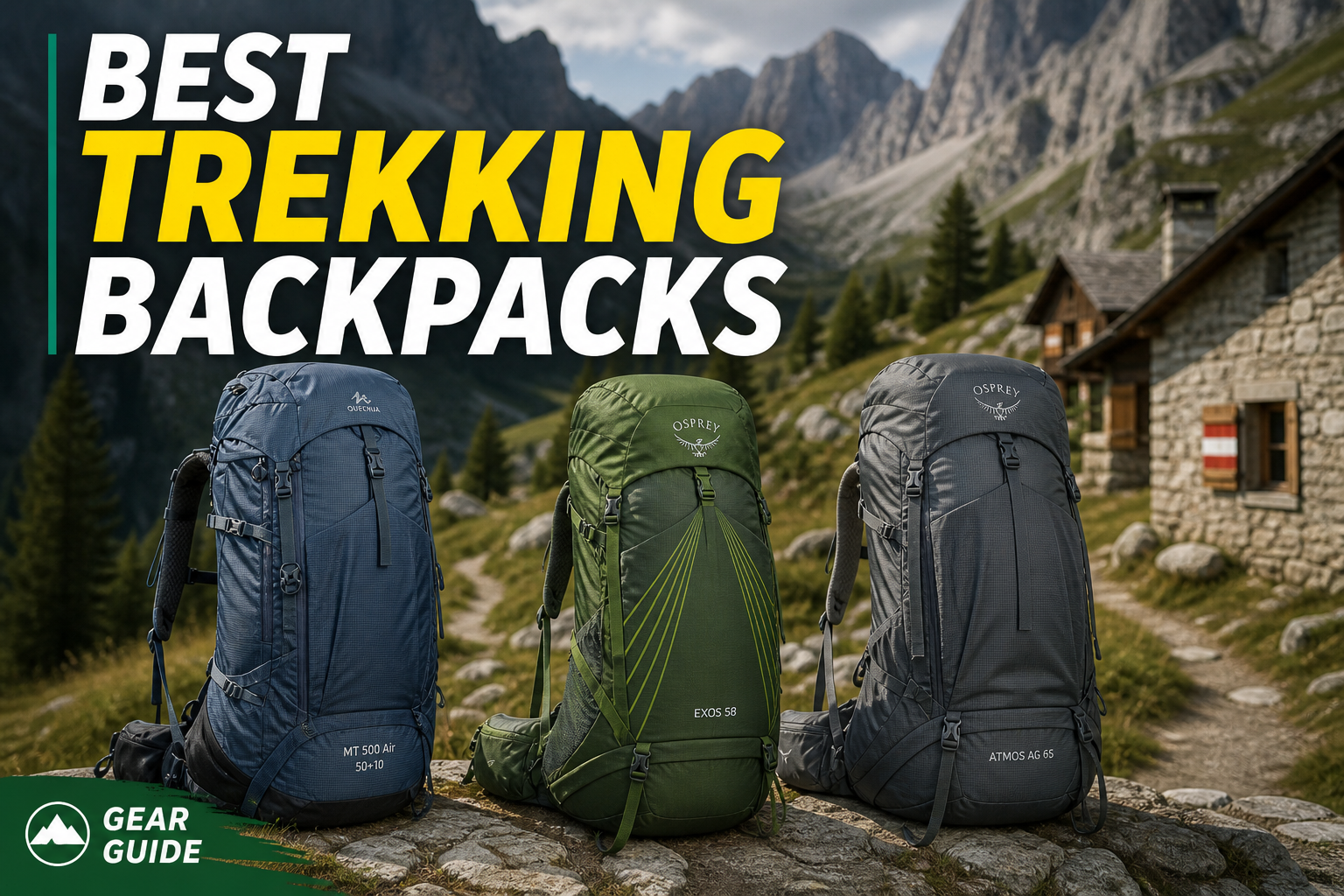
On Alta Via 1 I carried Decathlon MT500 Air instead — value for a warm hut trek — but Exos is the premium upgrade I recommend when fit refinement and long-term durability matter more than upfront savings.
Exos appears on more of my packing lists than any other premium pack — TMB, Skye, Laugavegur, and lighter alpine hut routes.
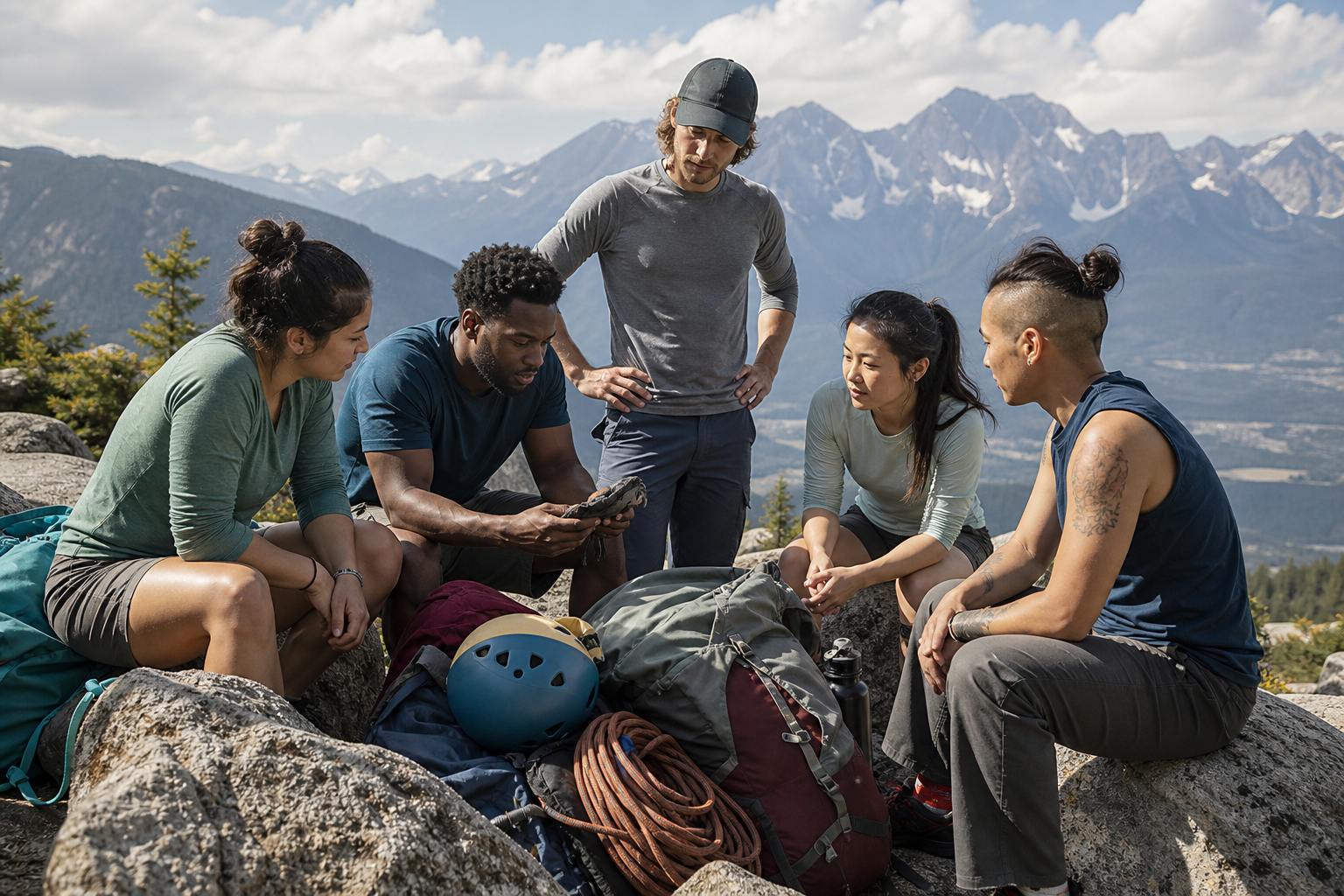
Hikers and trekkers who can keep total pack weight in a sensible range for a 58 L frame — typically hut-to-hut trips with a disciplined kit list, not full camping resupply loads.
Strong fit for experienced packers who already own cubes, a light shell, and a trimmed electronics kit. Less ideal as a first pack if you tend to overpack until you learn what rifugi actually provide.
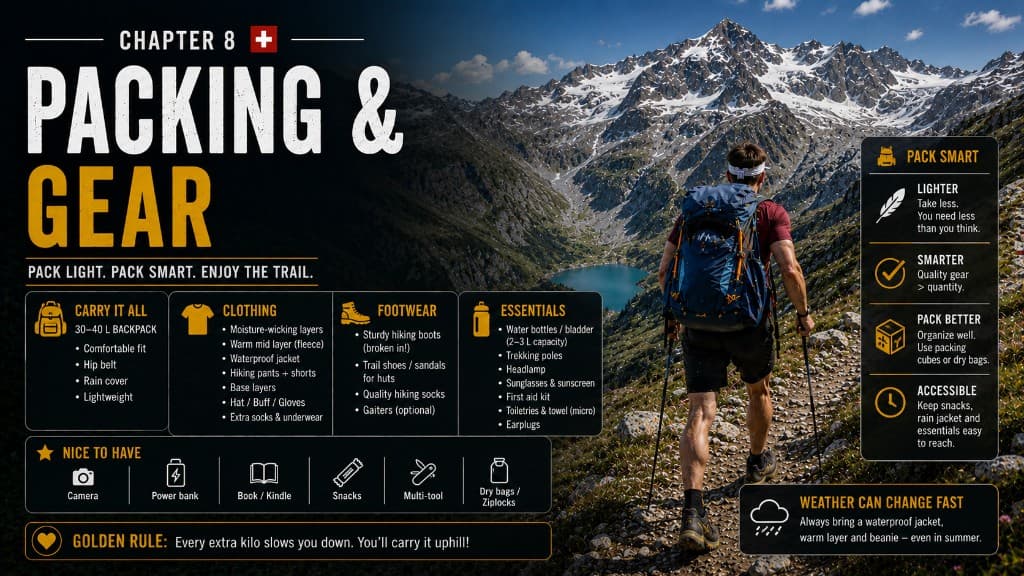
Right pick when you want premium ventilation and carry without jumping to 65 L expedition frames — most summer hut treks fit comfortably under 12 kg total weight.
On Alta Via 1 I carried Decathlon MT500 instead for value; Exos is the premium upgrade when fit refinement and durability matter long-term.
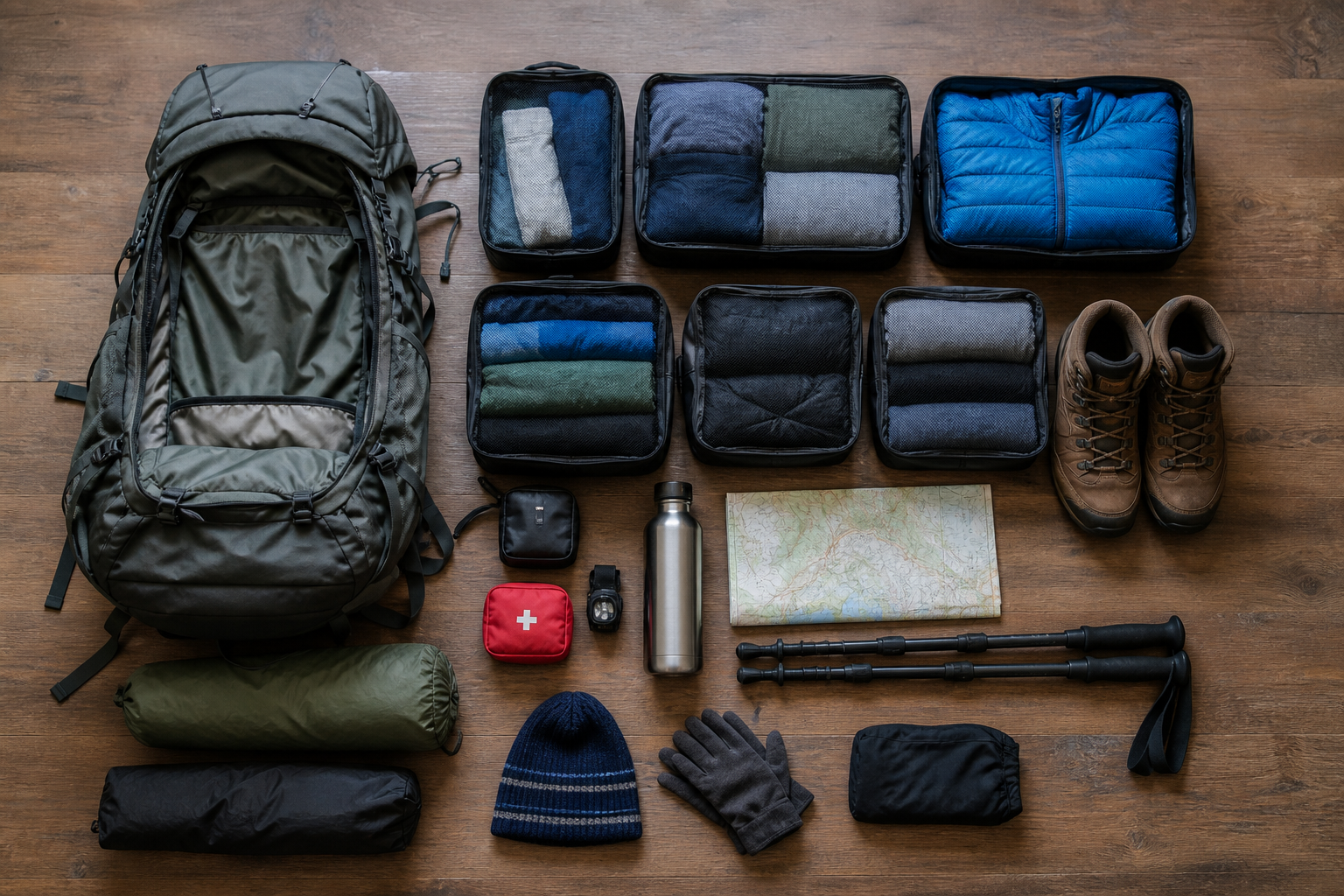
58 L is enough for hut treks when you are ruthless about layers and shared facilities. Camera gear fits if you use soft cubes instead of rigid cases.
No dedicated sleeping bag compartment — plan your packing system accordingly. I use a compression sack at the bottom and keep daily access items in the lid and hip belt.
Side pockets handle soft flasks and snack access; lid pocket swallows headlamp, sunscreen, and compact electronics for quick rifugio departures.
58 L suffices for hut treks when ruthless about layers — camera gear fits with soft cubes instead of rigid cases.
$300.35indicative on Amazon
Exos when you hike lighter; Atmos when camera kit and cold layers push weight up toward 14 kg.
Read full reviewExos costs more but refines fit and ventilation. MT500 wins on value for warm Dolomite-style hut treks like AV1.
Read full reviewBaltoro for heavy camping loads; Exos for disciplined hut kits under ~13 kg.
Read full review$161.00indicative on Amazon
Exos is more durable and forgiving for hikers still optimising their kit — a practical middle ground.
Read full reviewExos costs more but refines fit; MT500 wins on AV1-style warm hut treks under ~11 kg.
Read full reviewReady to buy?
Osprey Exos 58
The Osprey Exos 58 is my default premium recommendation for multi-day alpine hiking when you can pack with intent. Match load to capacity, break it in before a long trek, and it stays comfortable deep into a week on trail.
Match load to capacity, break it in before a long trek, and Exos stays comfortable deep into a week on trail.
Ready to buy?
Osprey Exos 58
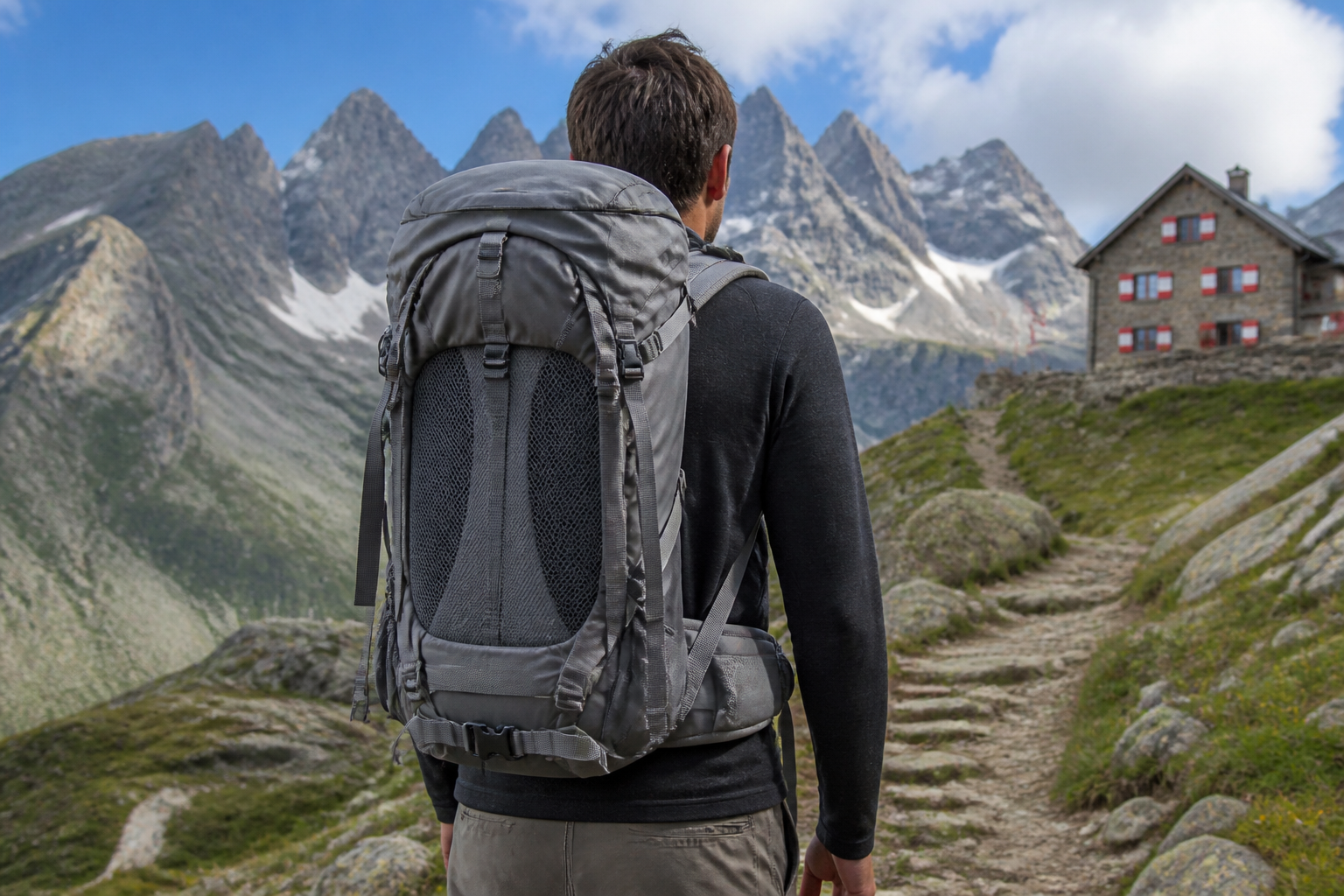
Less forgiving above ~13 kg total weight. Hip belt is narrower than Atmos/Baltoro — fine for fit hikers, less ideal for heavier loads or longer food carries.
Minimalist feature set by design. If you want maximum pockets and expedition-style organisation, look at larger Osprey or Gregory models instead.
Premium price over Decathlon MT500 Air — justify with fit, durability, and resale if you hike multi-day routes yearly.
Not a winter camping hauler — choose Atmos or Baltoro when tent, stove, and cold layers push loads above Exos comfort range.
Less forgiving above ~13 kg — hip belt is narrower than Atmos; keep loads honest or step up to 65 L frames.
Light for its capacity class, stable on rocky descents, and the tensioned mesh back is excellent in warm weather. Fits most medium torso hikers well.
The Exos trades some load-hauling padding for airflow. That is a win on Skye in July; it is a compromise on a cold, wet week when you are carrying extra insulation and food.
Listed pack weight: roughly 1.1–1.2 kg depending on size — verify your listing before comparing against Decathlon or cottage packs.
Hip belt is narrower than Atmos — load it first on fitting and keep heavy gear close to your spine for stable carry on Dolomite descents.
AirSpeed mesh back is the feature you notice on hot ascent days — trades load-hauling padding for airflow versus Atmos or Baltoro.
Watch next
HikingWithLee — HikingWithLee backpack guide
On the trail
Trek packing lists and guides that recommend this gear (25).
backpacks
Worth considering
Worth considering
A capable multi-day pack covered in the HikingWithLee backpack guide for heavier hut-to-hut loads.