Full trail review
In-depth analysis
Budget-friendly solo ultralight shelter — trekking-pole pitch and silnylon value for thru-hikers who already carry poles.
Suited for camping · trekking · hiking
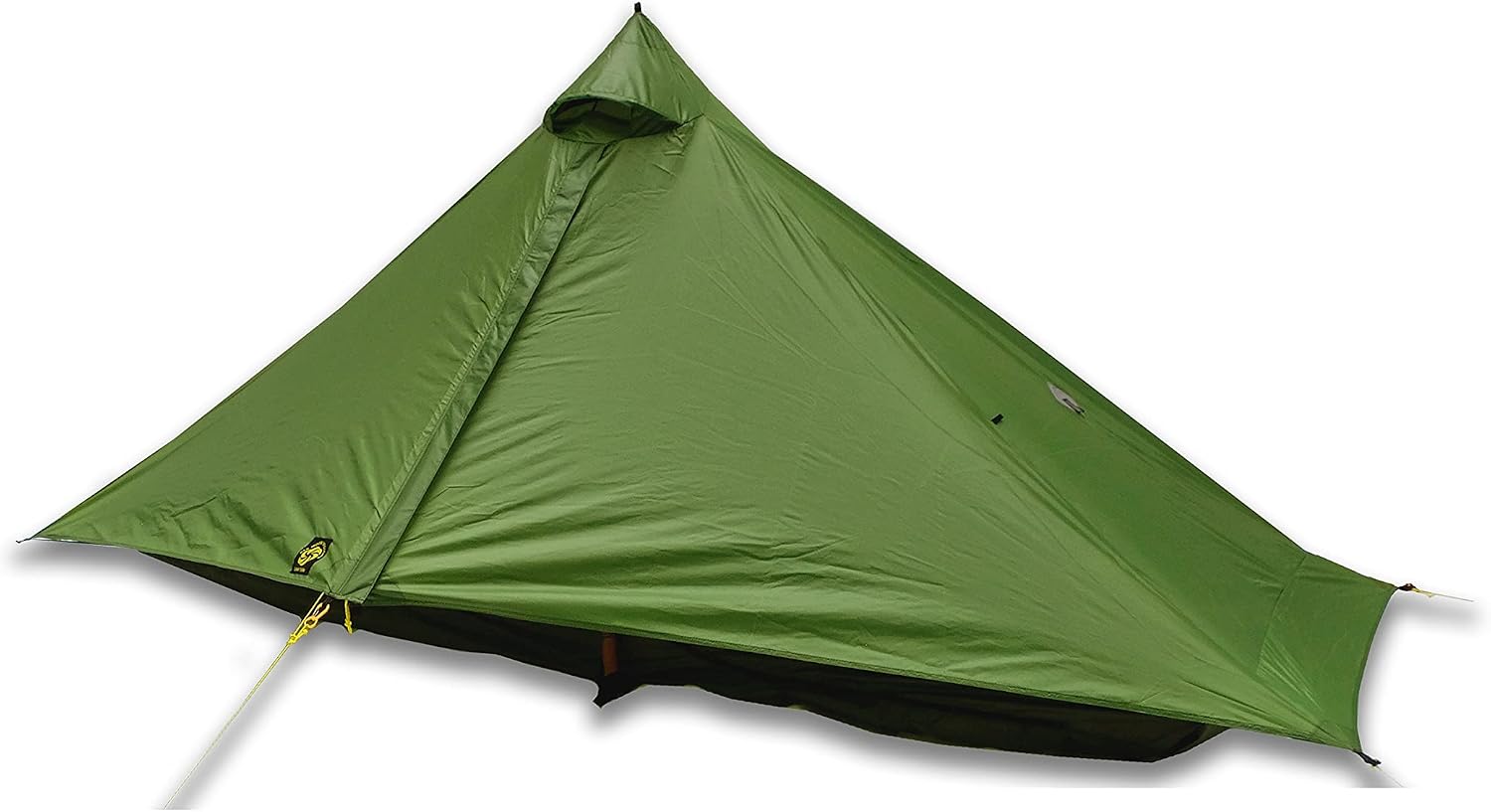
Six Moon Designs Lunar Solo
Six Moon Designs
At a glance
- Editorial score
- 8.5/10
What we like
- Excellent balance of weight, space, and affordability
- Roomy interior with ample headspace for a solo tent
- Highly weather-resistant materials and waterproof design
- Lightweight and compact when packed
Trade-offs
- Requires a trekking pole for setup
- Single-wall design can increase condensation in humid conditions
Hut treks stay tentless on my published routes. Lunar Solo is the solo ultralight value pick in tent guides — lighter wallet hit than Zpacks Duplex with similar pole-pitch logic for thru-hikers.
My experience on the trail
I have not slept in a Six Moon Designs Lunar Solo on a published trek — my camping recommendations lean freestanding for beginners, but I have pitched Lunar Solo shelters on shakedown hikes and compared them against Zpacks Duplex and Nemo Hornet Elite for solo ultralight guides.
The value proposition is clear: sub-800 g shelter with generous peak height for a trekking-pole tent, silnylon weather protection, and a large vestibule for pack and boots — at a fraction of Dyneema cottage prices. You trade pole-pitch learning curve and single-wall condensation management for weight and cost savings.
Who it's for
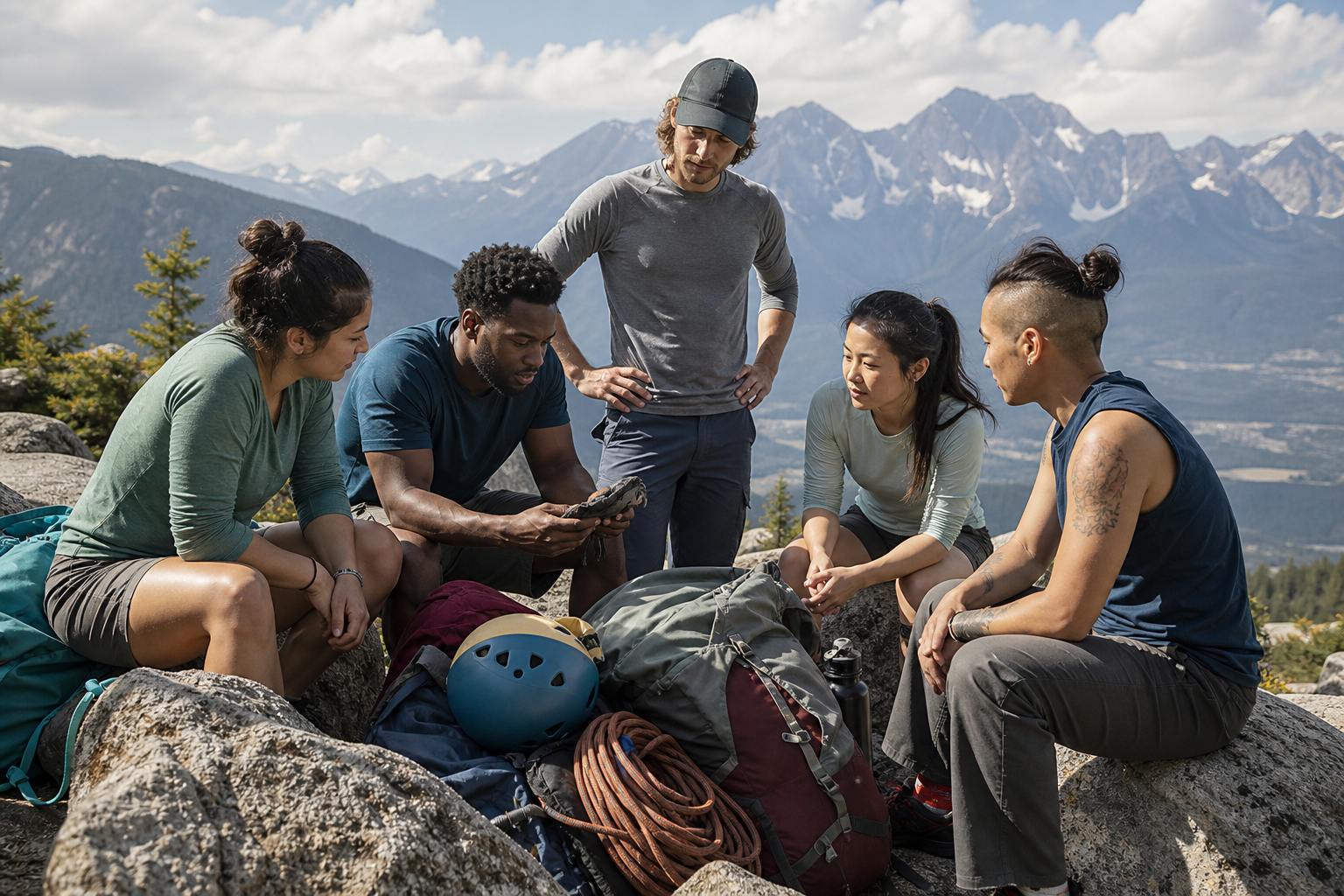
Solo thru-hikers, ultralight backpackers, and gram-conscious campers who already carry trekking poles and want affordable shelter weight. Strong fit for warm-to-moderate three-season routes where you accept single-wall condensation discipline.
Less ideal for first-time campers, couples, or hikers who want freestanding setup without poles. Also not a four-season storm shelter — site and ventilate thoughtfully.
Weight & footprint
- Trail weight
- ~740 g (26 oz) minimum — verify stakes and line on your order.
- Floor area
- ~2.4 m² with 122 cm peak height — roomy for one plus vestibule gear.
- Packed size
- Compact roll in pack lid or exterior — disappears compared with freestanding domes.
- Pole requirement
- One trekking pole — not included; factor your pole height into pitch geometry.
Key features
Silicone-coated polyester
Waterproof single-wall fly — durable for the weight class, not Dyneema stiffness.
Large vestibule
Stores pack, boots, and wet kit outside sleeping triangle.
Adjustable pitch height
Trekking pole length tunes peak clearance and storm profile.
Budget ultralight
Cottage-adjacent weight without cottage price — popular entry to pole tents.
Optional inner net
Bug protection configurations vary by season — check your kit variant.
Weather and condensation
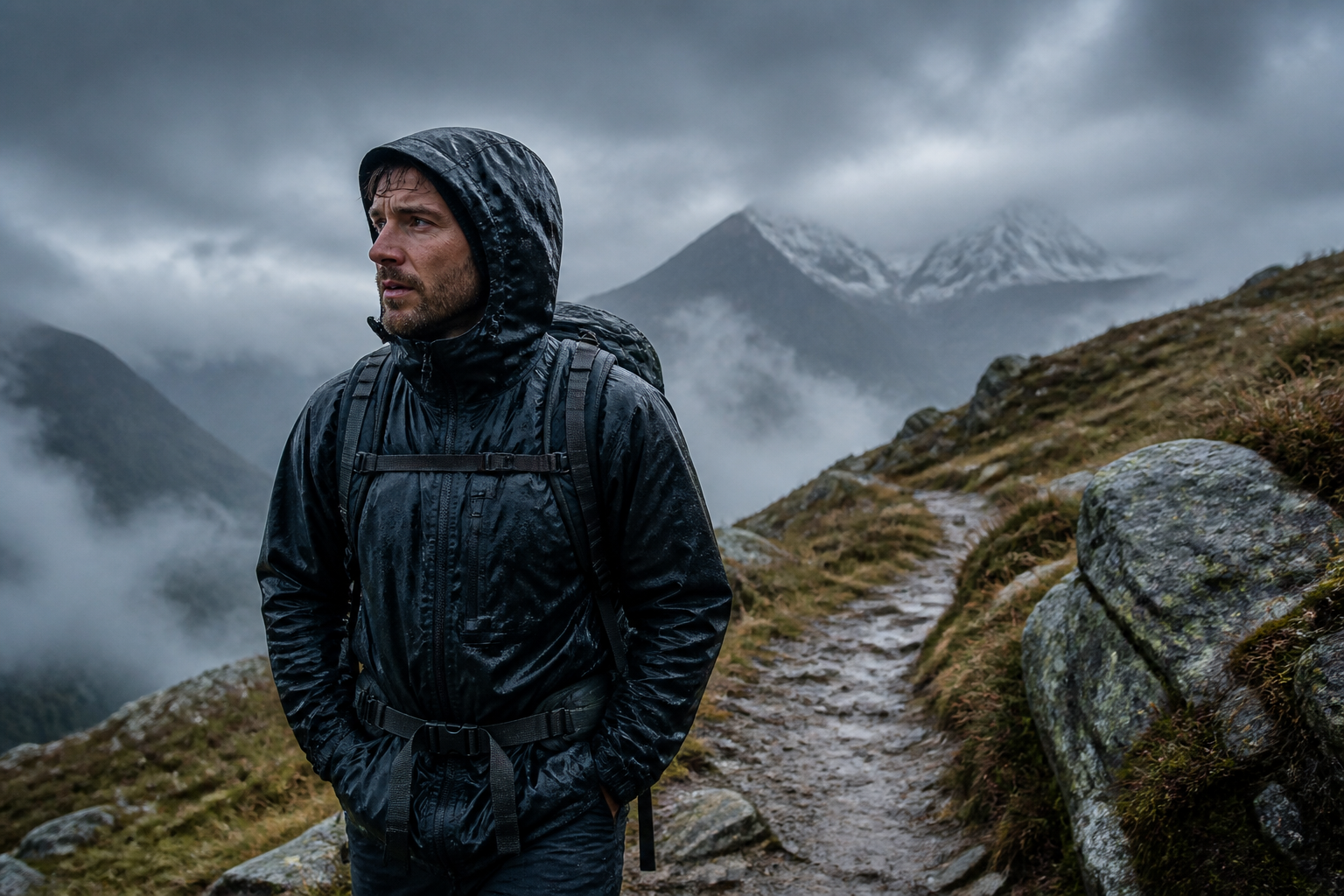
Handles three-season rain when pitched with tension — single-wall designs concentrate condensation on humid nights. Ventilate, pitch high, and keep wet gear in vestibule.
Not for horizontal gales on exposed ridges — conservative site selection or sturdier tent nights when forecast worsens. Warm moderate climates suit Lunar Solo better than constant damp Scottish weeks without ventilation skill.
Ready to buy?
Six Moon Designs Lunar Solo
How it compares
Duplex is lighter Dyneema two-person shelter at premium price; Lunar Solo wins on solo budget ultralight with simpler floor plan.
Read full reviewHornet is freestanding double-wall at higher weight and cost; Lunar Solo wins on price and packed grams for pole-capable solo hikers.
Read full reviewHubba is couple freestanding mainstream; Lunar Solo is solo ultralight pole pitch — different missions entirely.
Read full reviewHalf Dome is wide budget couple dome; Lunar Solo is solo gram counting with poles.
Read full reviewTrade-offs
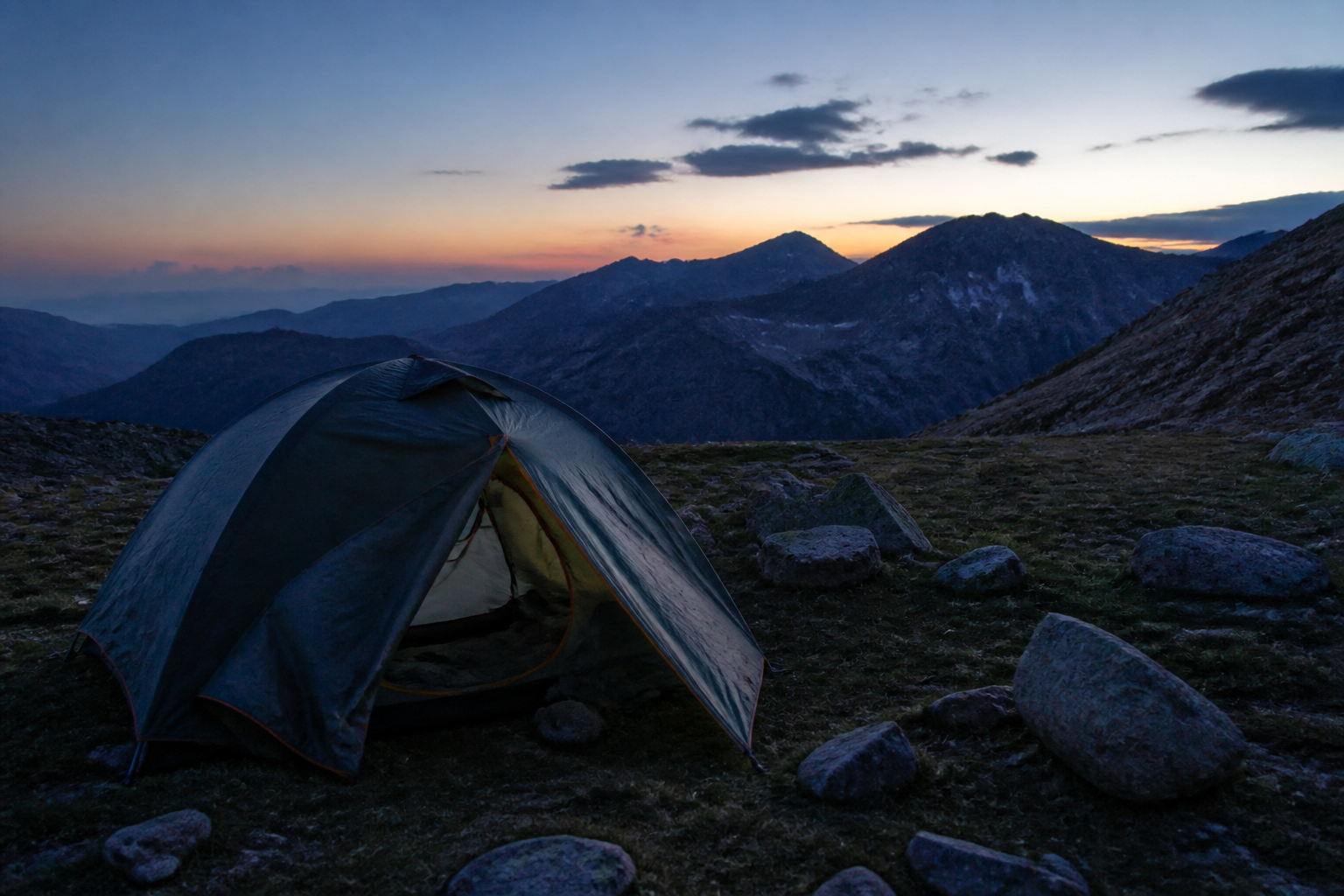
- Single-wall condensation management is real — beginners may prefer double-wall Nemo Hornet
- Requires trekking pole and pitch skill — no freestanding convenience
- Silnylon is not Dyneema longevity — expect different wear patterns over many seasons
- Solo only — couples need a different floor plan entirely
Bottom line
The Six Moon Designs Lunar Solo is the budget solo ultralight tent I recommend when trekking poles are already on your pack — learn the pitch, manage condensation, and save weight and money versus cottage Dyneema shelters.
Ready to buy?
Six Moon Designs Lunar Solo
Pitching and campsite fit
Practice at home until stake-out and pole height are automatic — pole tents punish rushed setup in wind. Site behind wind breaks when possible; orient door away from driven rain.
Rocky ground demands creative staking — carry extra guylines and lightweight stakes suited to soil type. Not freestanding: you cannot pitch inner-first on slab granite like Hubba Hubba.