Best for
- Thru-hiking
- Ultralight backpacking
- Two-person shelter
Loading…
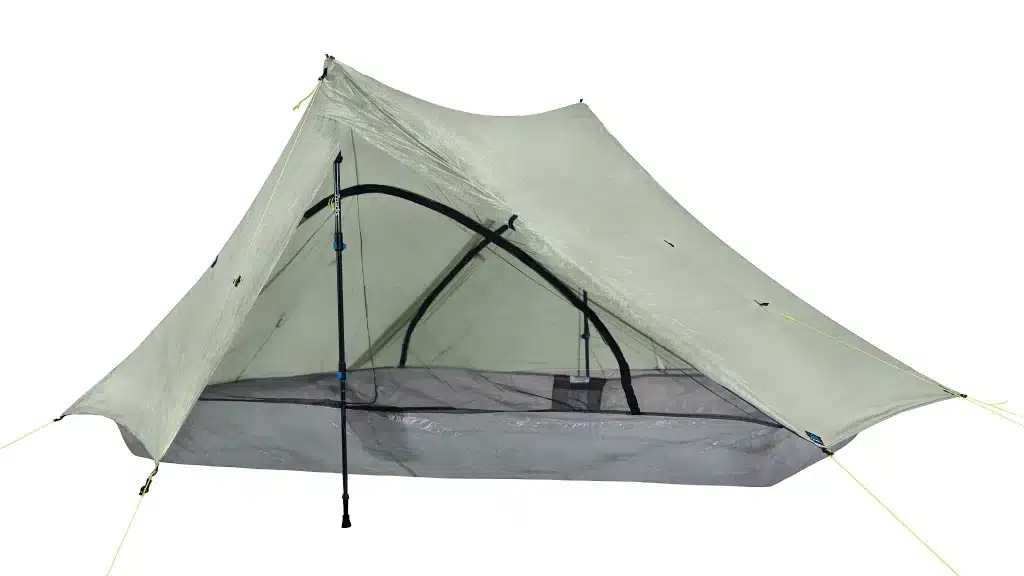
Zpacks · Duplex
Best ultralight
The ultralight benchmark for thru-hikers — Dyneema fabric and trekking-pole pitch at sub-600 g packed weight when every gram counts.
Researched / considered
Worth considering
Fit check
Quick read on where Zpacks Duplex shines — and where you should look elsewhere.
Specs
Full trail review
The ultralight benchmark for thru-hikers — Dyneema fabric and trekking-pole pitch at sub-600 g packed weight when every gram counts.
Suited for trekking · hiking · camping
Zpacks Duplex
Zpacks
At a glance
Most of my published treks are hut-to-hut. Zpacks Duplex is the shelter I recommend for thru-hikers and gram counters who already carry trekking poles and accept trekking-pole pitch complexity over freestanding convenience.

I have not slept in a Zpacks Duplex on a published HikingWithLee trek — my multi-day routes are overwhelmingly hut-based. I have pitched Duplex shelters on shakedown weekends and compared them against Nemo Hornet Elite and Big Agnes Copper Spur kits for our ultralight tent guides.
The packed weight is the shock: roughly 539 g minimum for a two-person Dyneema shelter with real interior volume and dual vestibules. Nothing else credible at that weight offers the same floor space — but you pay in price, trekking-pole dependency, and non-freestanding setup discipline.

Serious ultralight backpackers, thru-hikers, and gram counters who already carry trekking poles and want the lightest credible two-person shelter. Strong fit for Skye wild camps, long-distance trails, and hikers who have practised trekking-pole pitches at home.
Less ideal for car camping, first-time campers, or hikers who want freestanding setup on rocky ground without pole geometry puzzles. Also wrong for winter mountaineering or exposed gale camps — this is a three-season ultralight tool.
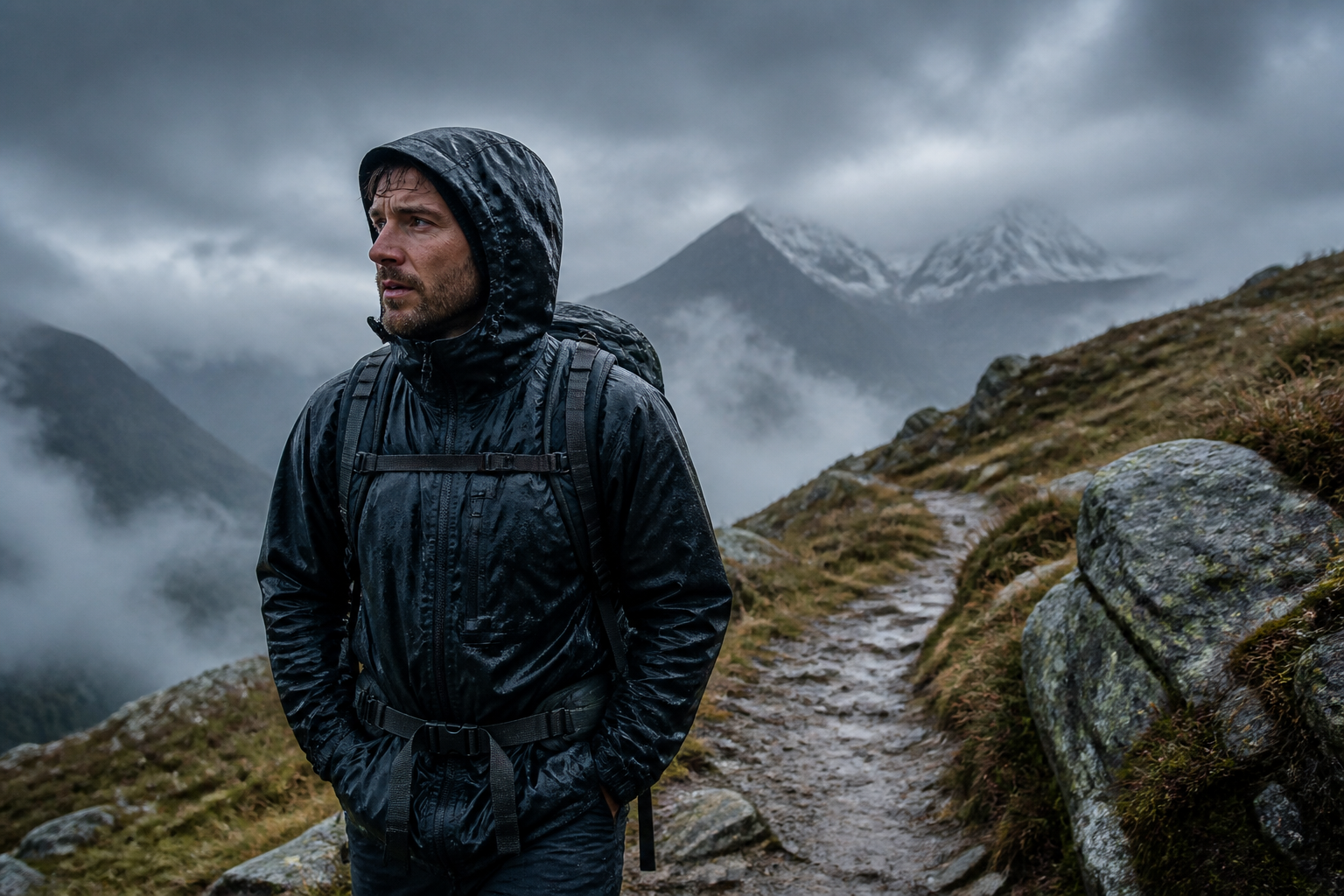
Handles three-season rain when pitched with proper tension and guy lines — not a four-season bomb shelter. Horizontal wind on exposed ridges demands conservative site selection or a sturdier tent.
Condensation management matters in humid UK and Appalachian nights — ventilate, pitch high, and keep wet gear in vestibules. Dyneema does not breathe like cotton — expect moisture management discipline.
Hornet is freestanding with included poles — easier on rocky sites; Duplex is lighter and more volume-efficient for pole-carrying thru-hikers.
Read full reviewvsBig Agnes Copper Spur HV UL3
Copper Spur is the livable freestanding three-person pick near 1.5 kg — Duplex is for gram counters who accept pole pitch and minimal comfort margin.
Read full reviewHubba is the mainstream premium freestanding benchmark; Duplex halves packed weight class for hikers who already own good poles.
Read full reviewif you are not camping, this tent stays home — obvious but worth stating for Alta Via 1 and TMB planners.
Read full reviewReady to buy?
Zpacks Duplex
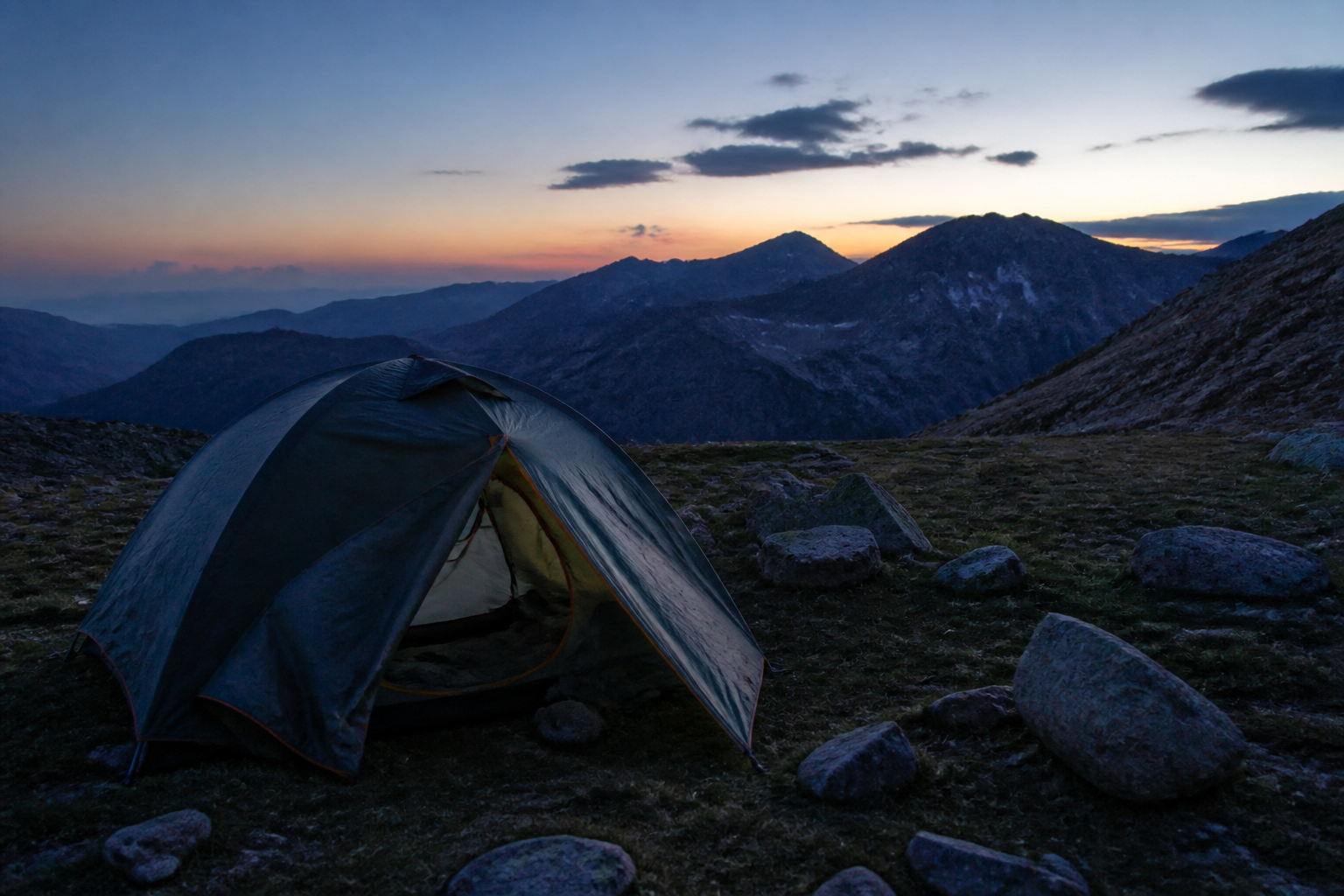
The Zpacks Duplex is the ultralight two-person shelter I recommend when trekking poles are already on your pack and every gram on ascents matters — practise the pitch, site conservatively, and accept cottage-tier pricing for thru-hike weight savings.
Ready to buy?
Zpacks Duplex
Trekking-pole pitch with adjustable apex height — practice at home until stake-out and tension are muscle memory. Site behind wind breaks when possible; Dyneema handles rain but ultralight geometry needs thoughtful orientation in gusts.
Requires two trekking poles, adequate stakes for soil type, and flat-ish ground — rocky Scottish platforms demand stake creativity. Not freestanding: you cannot pitch the inner first on slab granite like Big Agnes Copper Spur.
Footprint sold separately — worth it for abrasive ground on repeated wild camps.
Tent guide
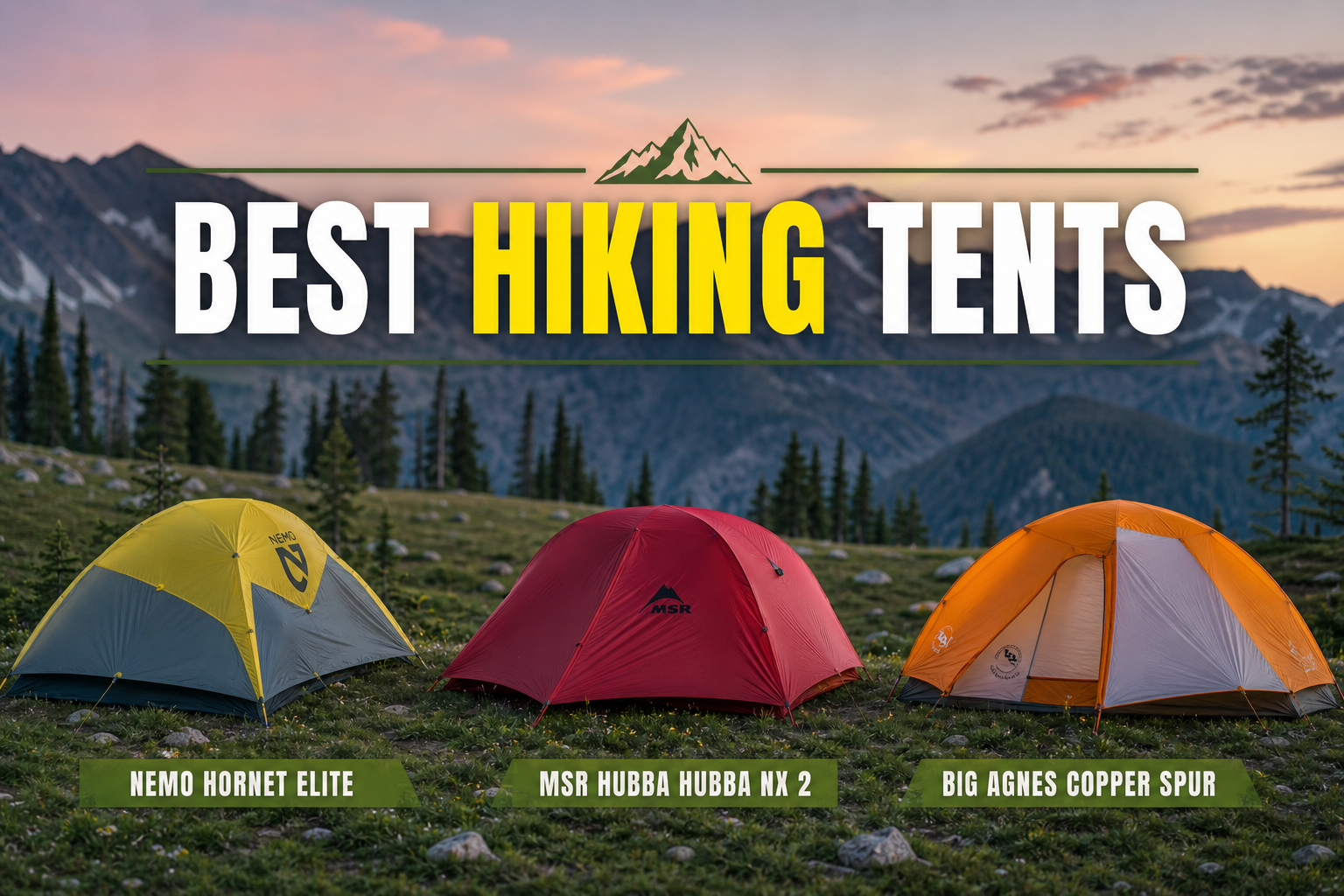
Best hiking tents for backpacking camps: picks tested on trail. Ultralight shelters compared for storm resistance, weight and fast pitch in wind.
Read guide →
Tent guide
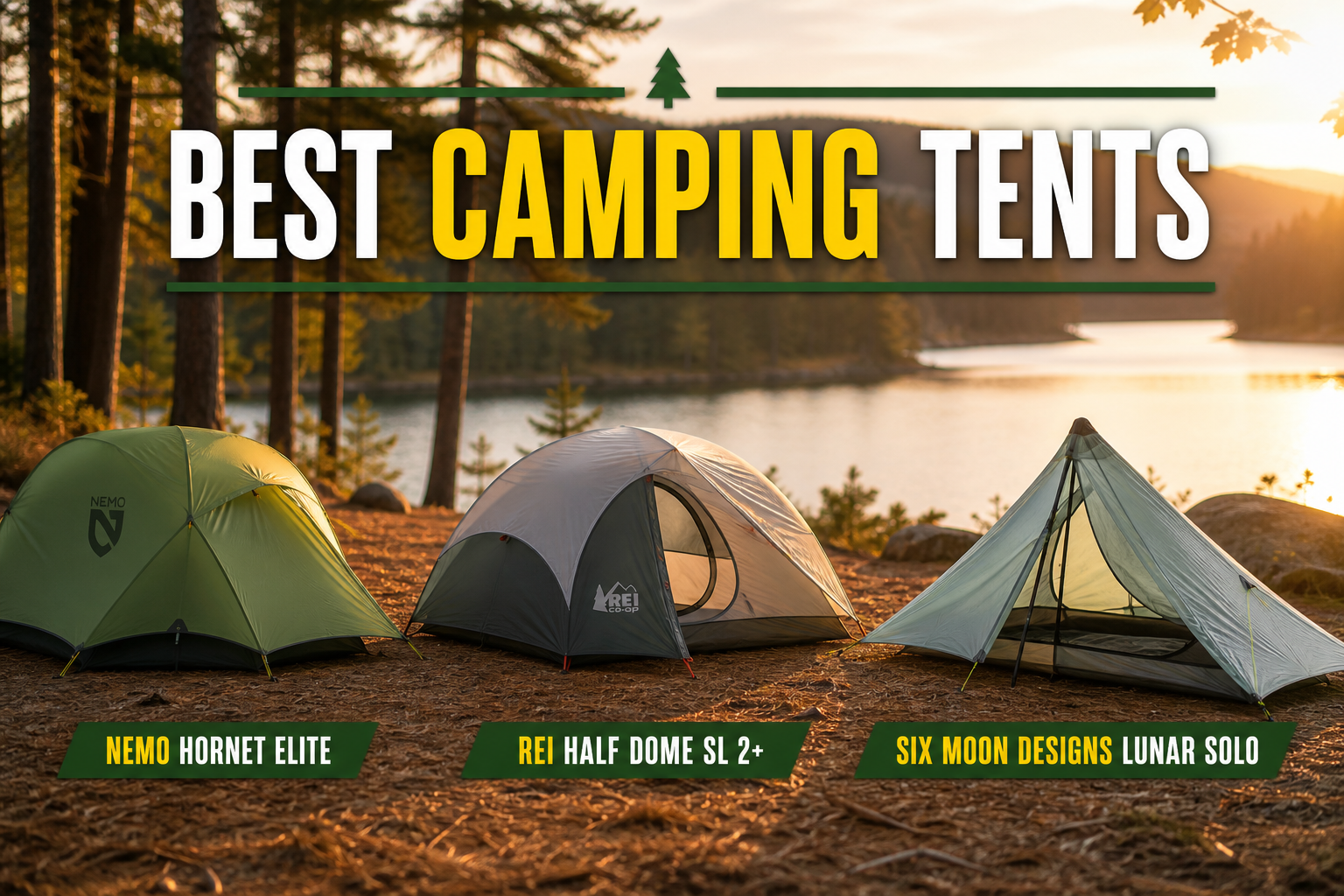
Best camping tents for wild-camp treks: picks tested on trail. Shelters compared for storm protection, inner space, packed weight and durability.
Read guide →