Researched context · product analysis
In-depth analysis
The CamelBak M.U.L.E. is designed around staying hydrated—and it excels at that. An internal sleeve is included to securely hold the hydration reservoir, keeping it organized and easily accessible. It’s a favorite among mountain bikers, but works equally well for short, high-output hikes where hydration matters most.
Suited for trekking · hiking
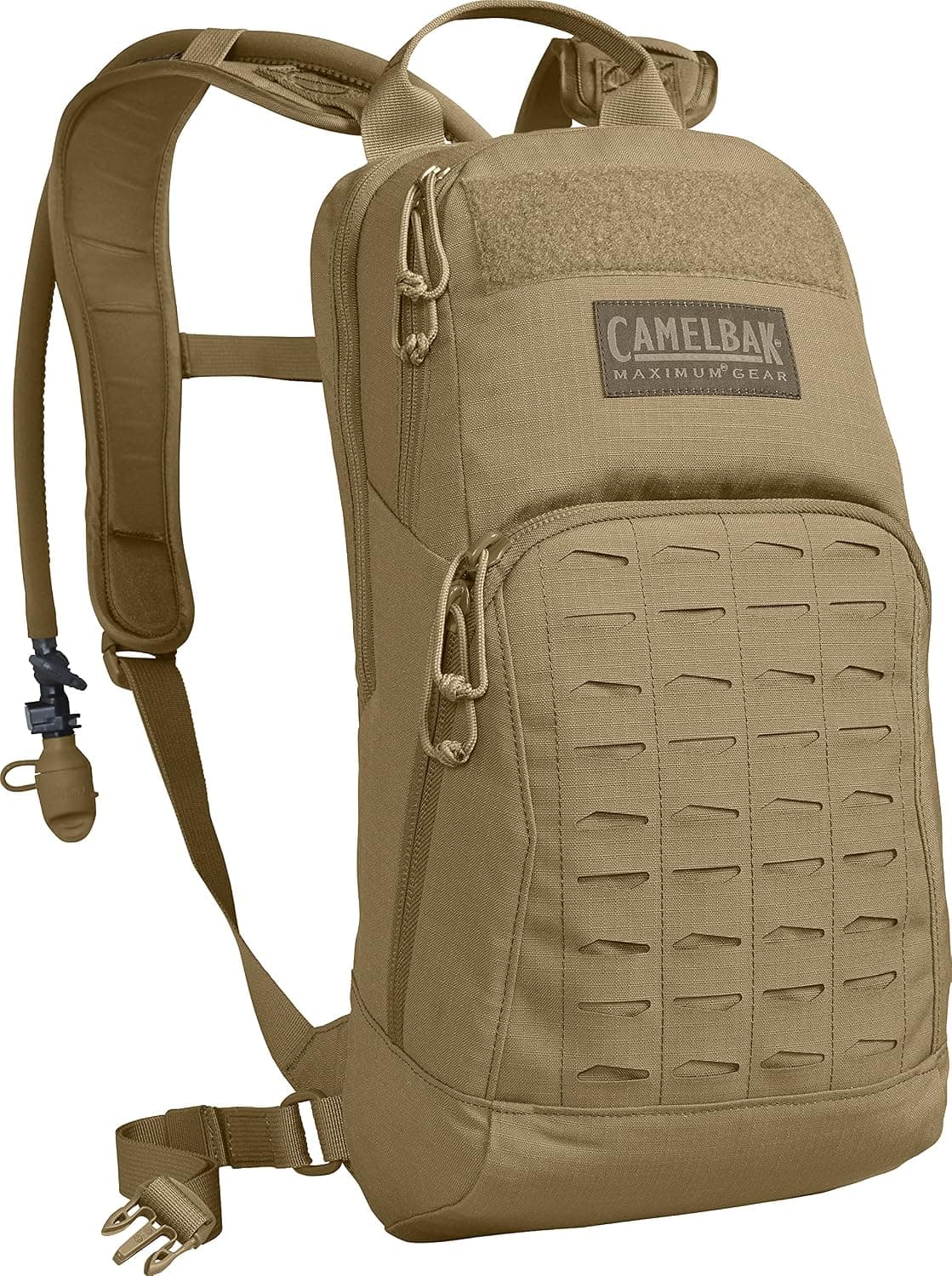
CamelBak M.U.L.E.
CamelBak
At a glance
- Weight
- 620 g
- Editorial score
- 8.4/10
What we like
- Excellent hydration system
- Ideal for hot climates and mountain biking
- Comfortable with secure fit
- Efficient organization
Trade-offs
- Less space for bulky items
- Not ideal for cold weather
- Limited or absent water bottle pockets compared to other packs
Overview
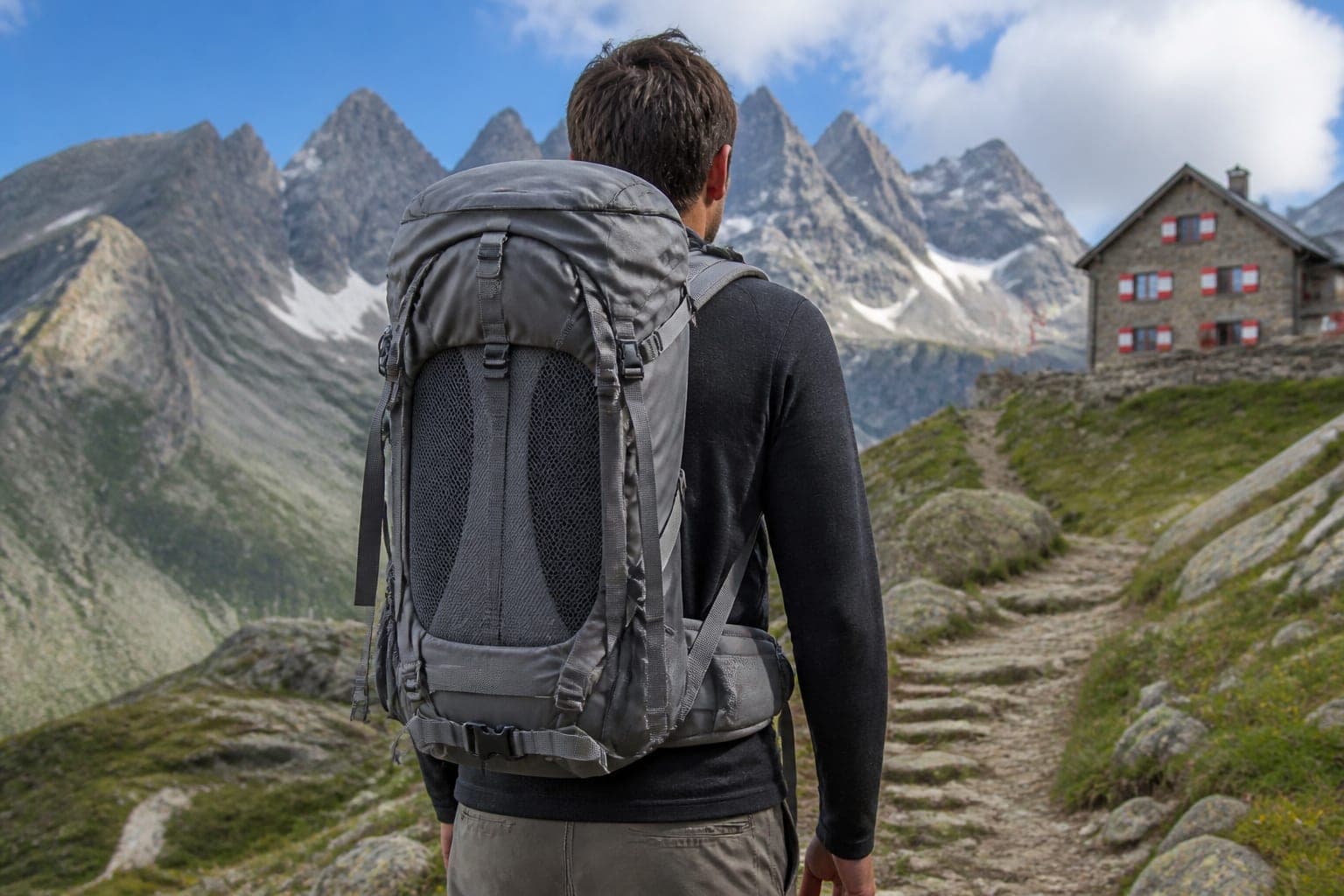
The CamelBak M.U.L.E. is designed around staying hydrated—and it excels at that. An internal sleeve is included to securely hold the hydration reservoir, keeping it organized and easily accessible. It’s a favorite among mountain bikers, but works equally well for short, high-output hikes where hydration matters most. On the Fimmvörðuháls trail in Iceland, I used this for a steep 8km day and was impressed by how often I drank water without breaking stride. The hose stays secure via a magnetic clip, and the bladder holds plenty without sloshing around. The pack itself is compact but offers room for essentials like a windbreaker, energy bars, and a small camera.
Who it's for
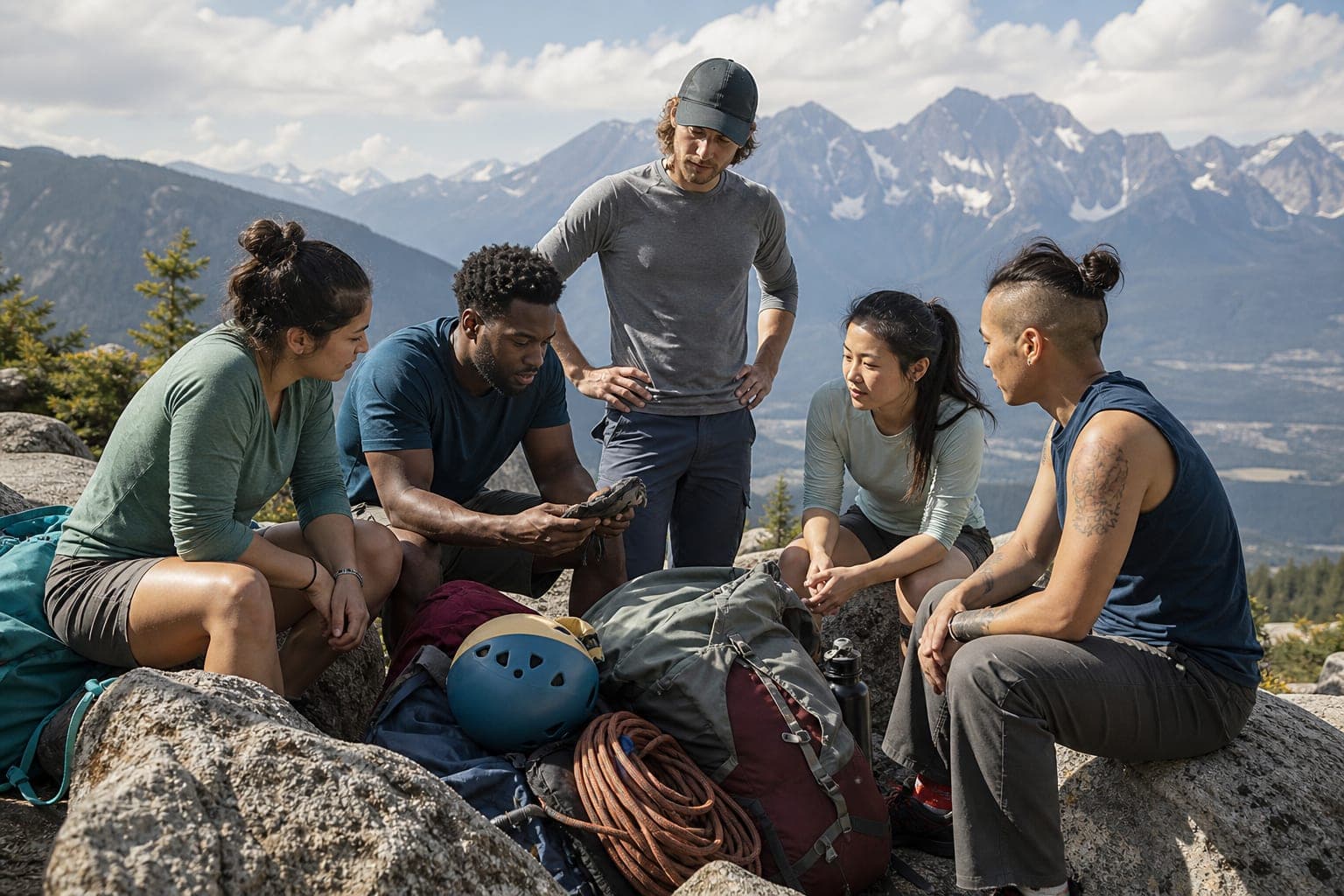
It doesn’t hold as much gear as other packs on this list—and it’s not designed to carry more weight like larger, framed packs—but for desert hikes or hot summer days, it keeps you cool and hydrated better than most.
Bottom Line: When hydration is your top priority, this pack delivers. Best for hot climates, fast hikes, or biking where water access and lightweight storage are key.
Key features
3L Crux hydration reservoir
3L Crux hydration reservoir
Compatible with hydration reservoirs
Compatible with hydration reservoirs up to 3L for extended hydration needs
Magnetic tube trap
Magnetic tube trap
12L gear capacity
12L gear capacity
Air director back panel
Air director back panel
Helmet hooks and gear
Helmet hooks and gear loops
Hiking Daypack Buying Guide
Finding the best hiking daypack isn’t just about picking the most popular brand or the one with the most pockets. It’s about understanding *your needs*, *your hiking style*, and how specific features will make your outdoor experience better—or worse.
This guide will help you find the best daypack for your needs by evaluating key features and suitability for different activities.
Below is a practical guide to help you make an informed decision before you buy.
If you’re still unsure which pack to choose, consider a versatile option in the 20- to 30-liter range, as it works well for a variety of adventures.
How to Choose the Right Hiking Daypack: Step-by-Step
- Start with Your Hike Type – Are you doing casual half-day forest walks? All-day alpine treks? Trail running?
- Check for Fit and Comfort – Fit matters more than features. Look for:
Many packs are available in multiple sizes to accommodate different body types, ensuring a better fit for everyone.
*A poorly fitting pack can cause shoulder pain or back fatigue—even on short hikes.*
Key Features and How They Impact Your Experience
A well-fitting, thoughtfully chosen daypack can turn a decent hike into a truly great one. Now that you know what to look for, you’re one step closer to finding the perfect companion for your next trail.
How it compares
bottles are simpler to clean and refill at huts; Mule wins hands-free sipping on bike-to-trail days and hot ascent-heavy routes.
Read full reviewPlatypus makes excellent bladders; CamelBak Mule bundles pack and hydration for day hikers who want one purchase.
Read full reviewvsBlack Diamond Women's Trail Pro Shock Trekking Poles
soft flasks are lighter; Mule adds organisation and bite-valve convenience for mountain bike approach plus hike combos.
Read full review3 L is right for hot exposed routes without reliable water — overkill for cool alpine days with frequent hut stops.
Read full reviewReady to buy?
CamelBak M.U.L.E.
Trade-offs
- Less space for bulky items
- Not ideal for cold weather
- Limited or absent water bottle pockets compared to other packs
Bottom line
Bottom Line: When hydration is your top priority, this pack delivers. Best for hot climates, fast hikes, or biking where water access and lightweight storage are key. If you are still deciding, start with the related buying guide on this page for comparisons, then return here to check pricing and availability.
Ready to buy?
CamelBak M.U.L.E.
Buying advice
In our guides it earns the "Hydration" label. Before you buy, compare the alternatives on this page, check return policies, and match capacity or fit to your typical trip length. Read the full category guide linked below for side-by-side comparisons, then sanity-check current pricing. Affiliate links help support the site; recommendations follow the same editorial standards as our trek guides.
Category context
A multi-day pack lives or dies on hip-belt comfort, back ventilation, and how honestly it carries weight above 12 kg. We judge capacity claims against real hut-to-hut loads — food between rifugi, rain layers, and camera kit — not empty-shell spec sheets. For CamelBak M.U.L.E., apply the same lens: will you use it every day of the trip, or is it dead weight?
How we evaluate gear
HikingWithLee reviews backpacks against real trail demands: weight in the pack, reliability in bad weather, comfort over long days, and whether the price matches what you actually get on a hut trek or multi-day hike. CamelBak M.U.L.E. is scored in context — not as an isolated Amazon listing — using hands-on notes where we have them and structured research from our buying guides where we do not. We retest assumptions against packing lists, trek conditions, and competitor models before updating scores.