Best Hiking Boots for Men: Waterproof Mids by Role
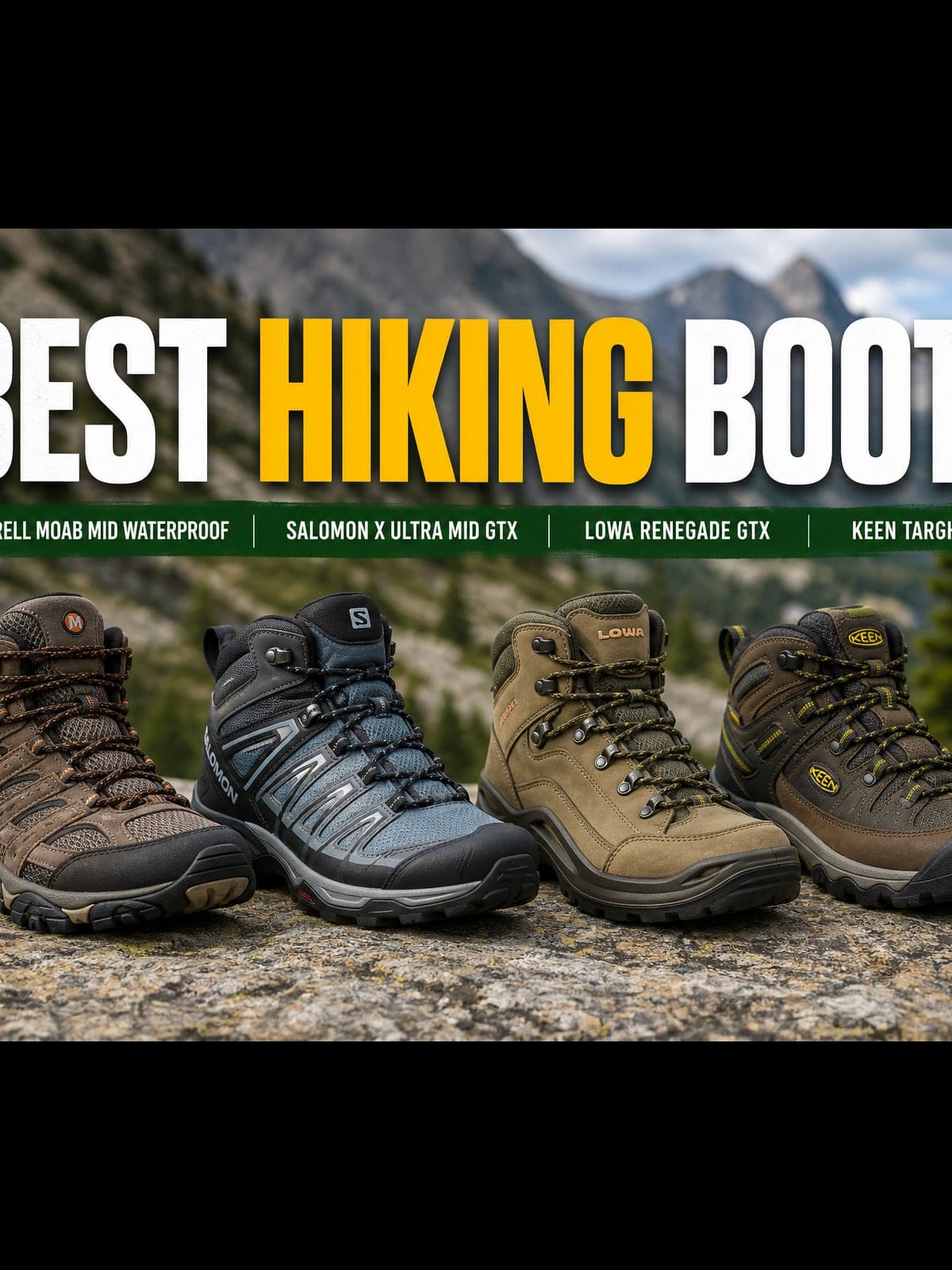
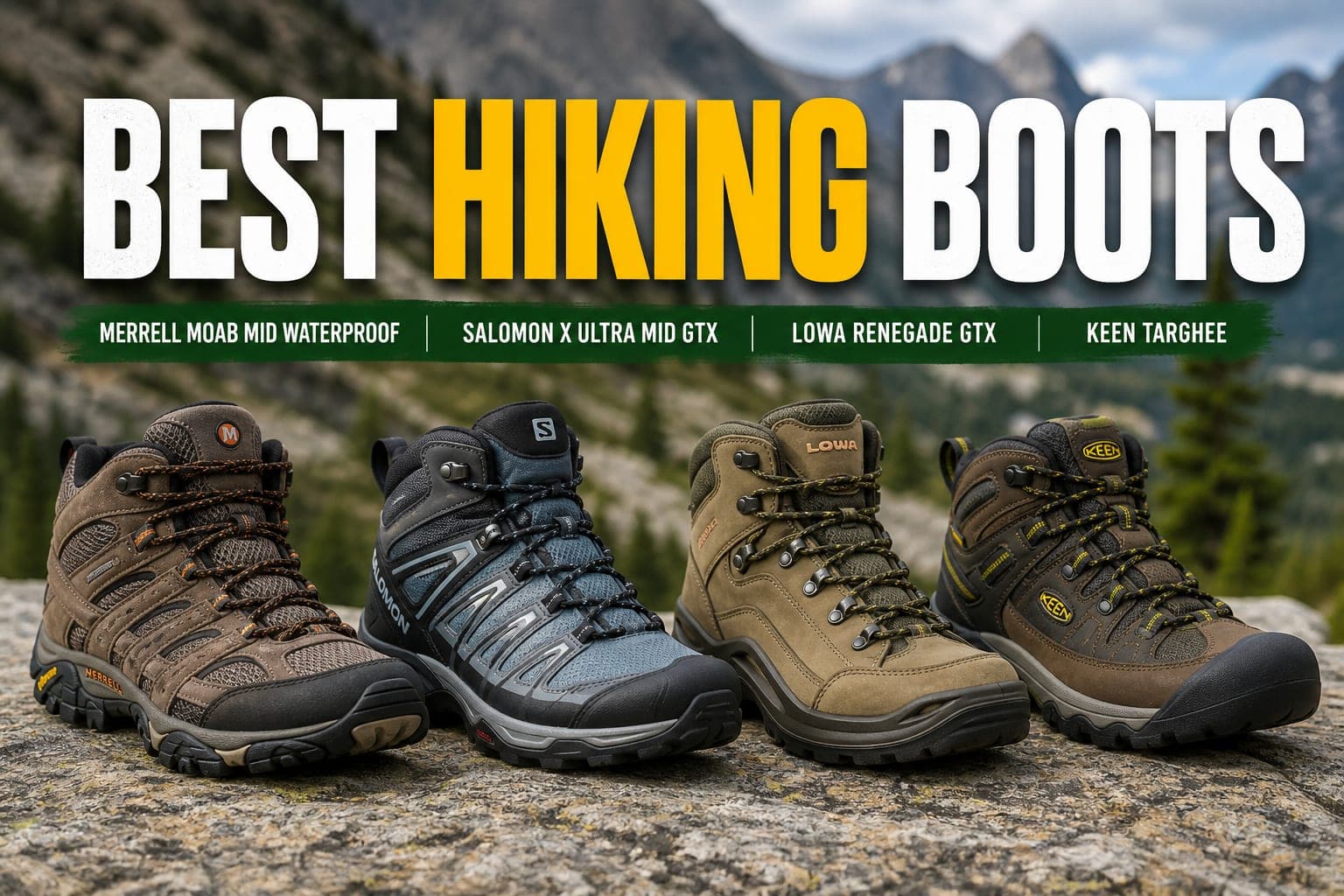
Best hiking boots for men: picks tested on trail — La Sportiva TXS GTX rocky-hut default, Merrell Moab beginners, Salomon and Lowa waterproof mids by role.
Last verified
Editor's shortlist
Top hiking boots picks
Shortlist with evidence labels — Used by Lee, Trail tested, or Researched — so you can tell first-hand kit from editorial research.
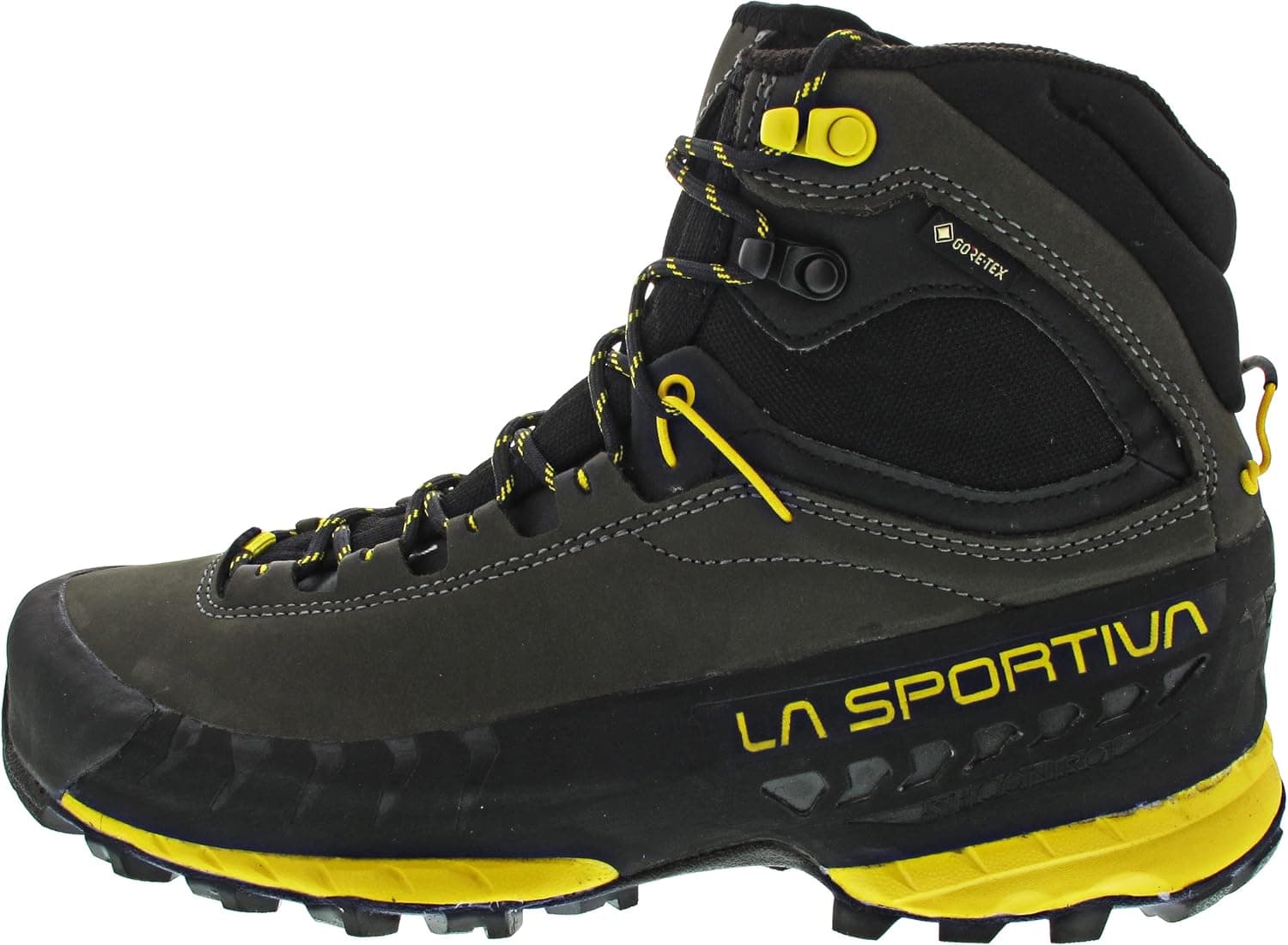
Lee's default trail shoe — GTX weather protection with approach-shoe agility on Dolomite rock and hut-to-hut routes.
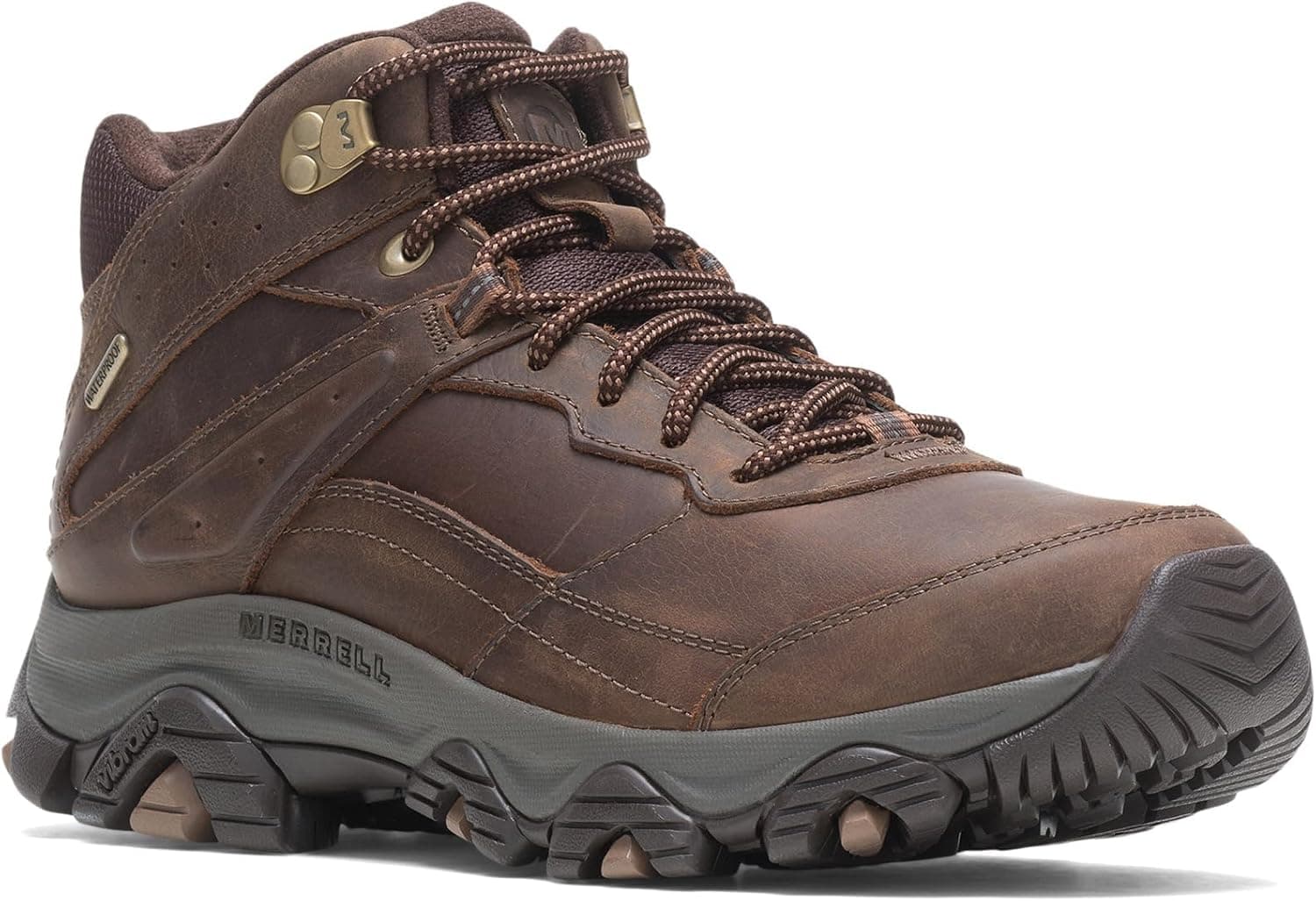
A lightweight and comfortable boot with a leather and mesh upper and a Vibram outsole. Known for its out-of-the-box comfort, the Moab 3 is perfect for those who want a reliable, lightweight hiking boot for various terrains.
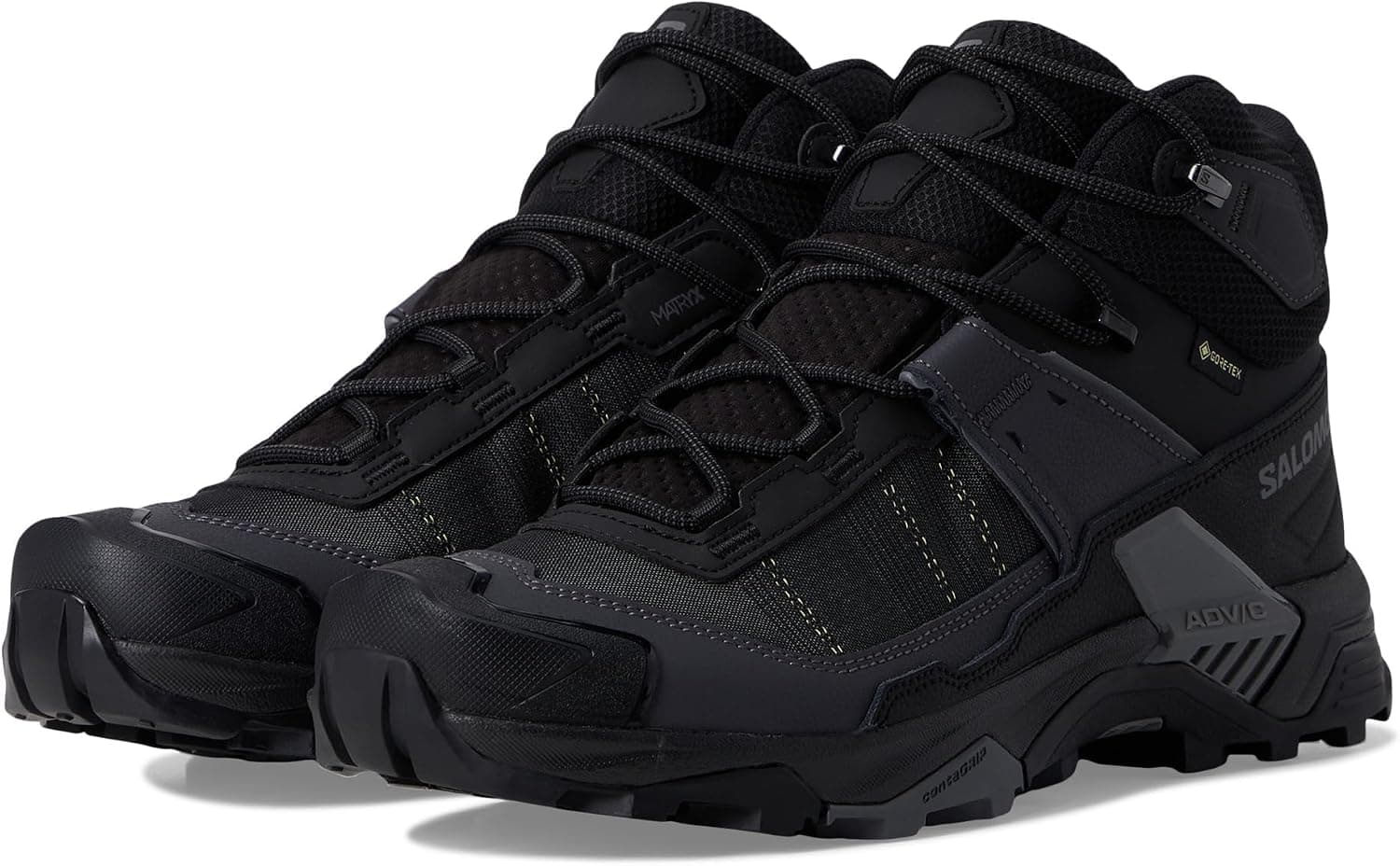
Agile mid GTX boot for fast hikers on mixed terrain.
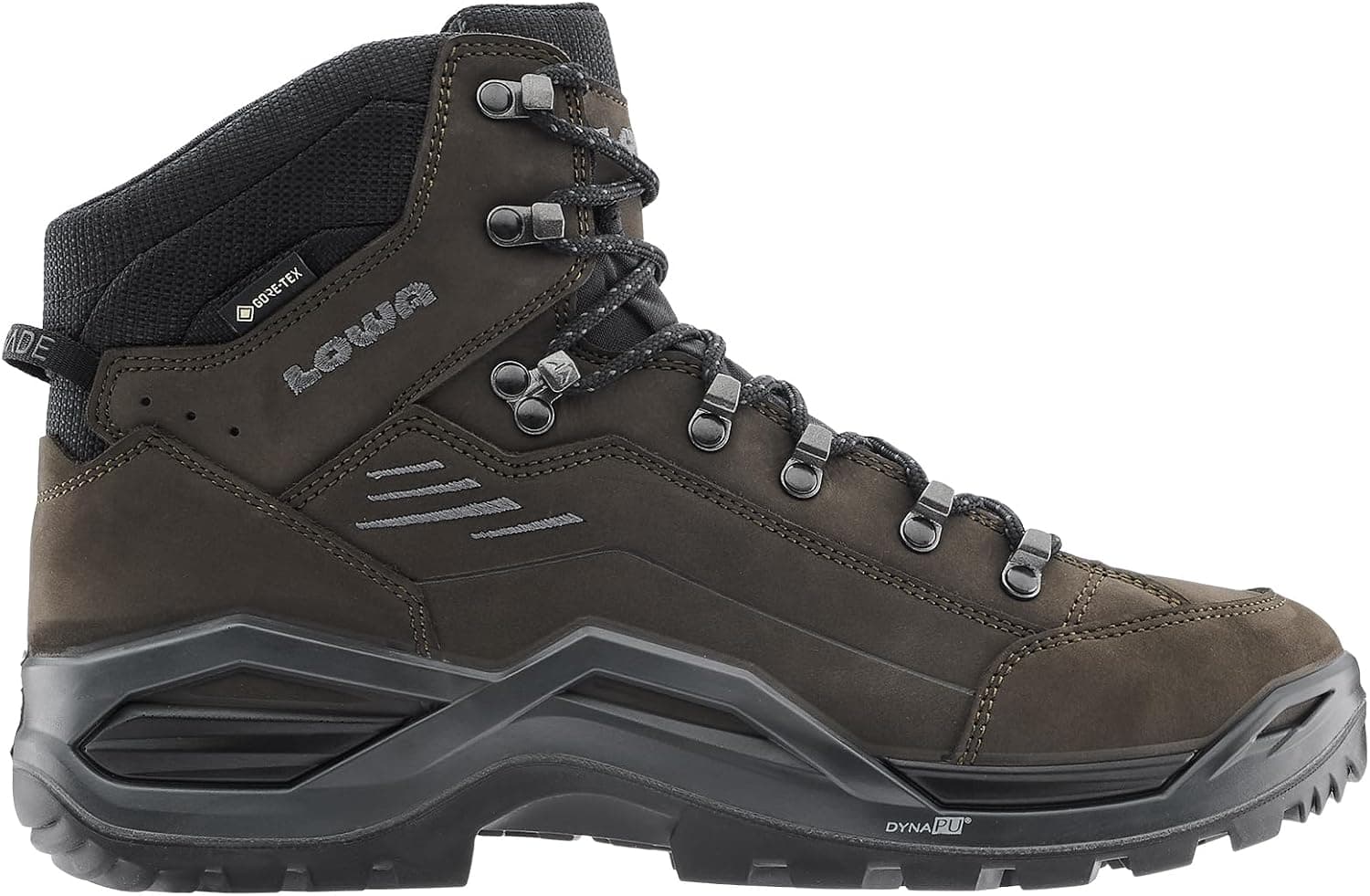
Premium support and durability for long European hut treks.
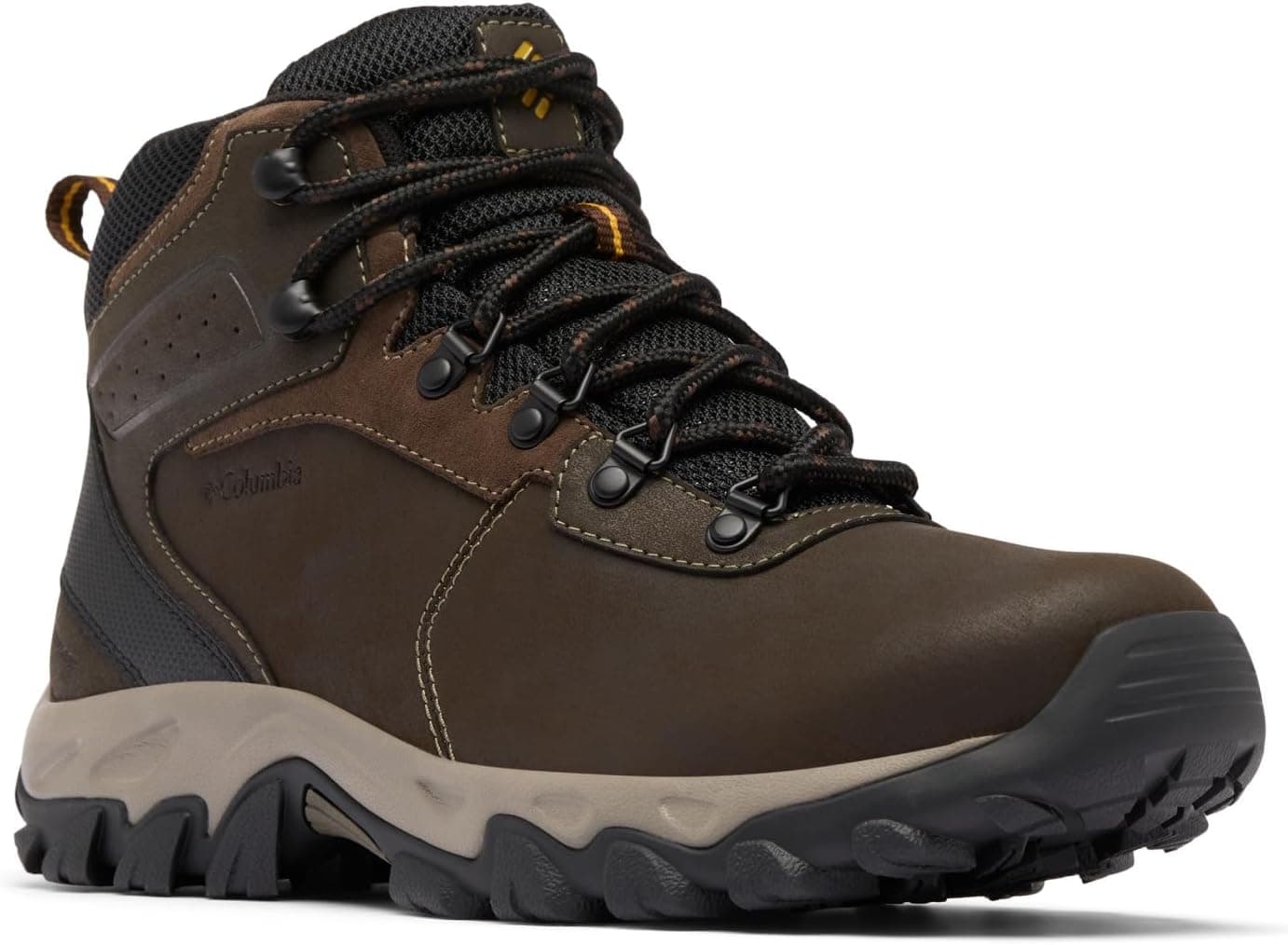
The budget waterproof hiking boot that needs almost no break-in — reliable grip for moderate trails without flagship boot pricing.
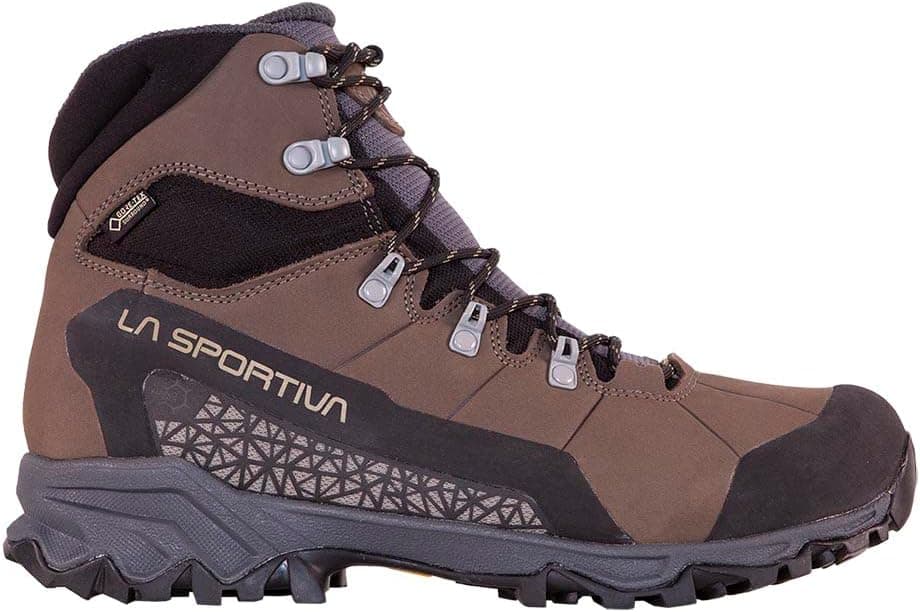
Breathable GTX Surround hiking boot for hot, rocky trails — high ankle support without the furnace effect of traditional waterproof boots.
Compare at a glance
How the top hiking boots stack up
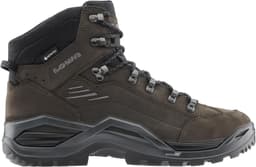
- Editor score
- 9/10
- Best for
- Alpine hut-to-hut routes
- Pair weight
- 820 g
- Why it wins
- Approach-style agility on rocky hut stages
- Trade-off
- Less forgiving than Moab-class soft mids for new hikers
- Experience
- Trail tested
- Editor score
- 8.5/10
- Best for
- for Beginners
- Pair weight
- 1.7 kg
- Why it wins
- Comfortable wide fit for new hikers
- Trade-off
- Not ideal for technical rocky cols — compare TXS GTX or X Ultra
- Experience
- Researched
- Editor score
- 8.7/10
- Best for
- for All-Day Comfort
- Pair weight
- 1.5 kg
- Why it wins
- Lightweight, great for long hikes
- Trade-off
- May feel snug for wide feet
- Experience
- Researched
- Editor score
- 8.8/10
- Best for
- for Durability
- Pair weight
- 1.8 kg
- Why it wins
- Durable materials built to last
- Trade-off
- Heavier than some other models
- Experience
- Researched
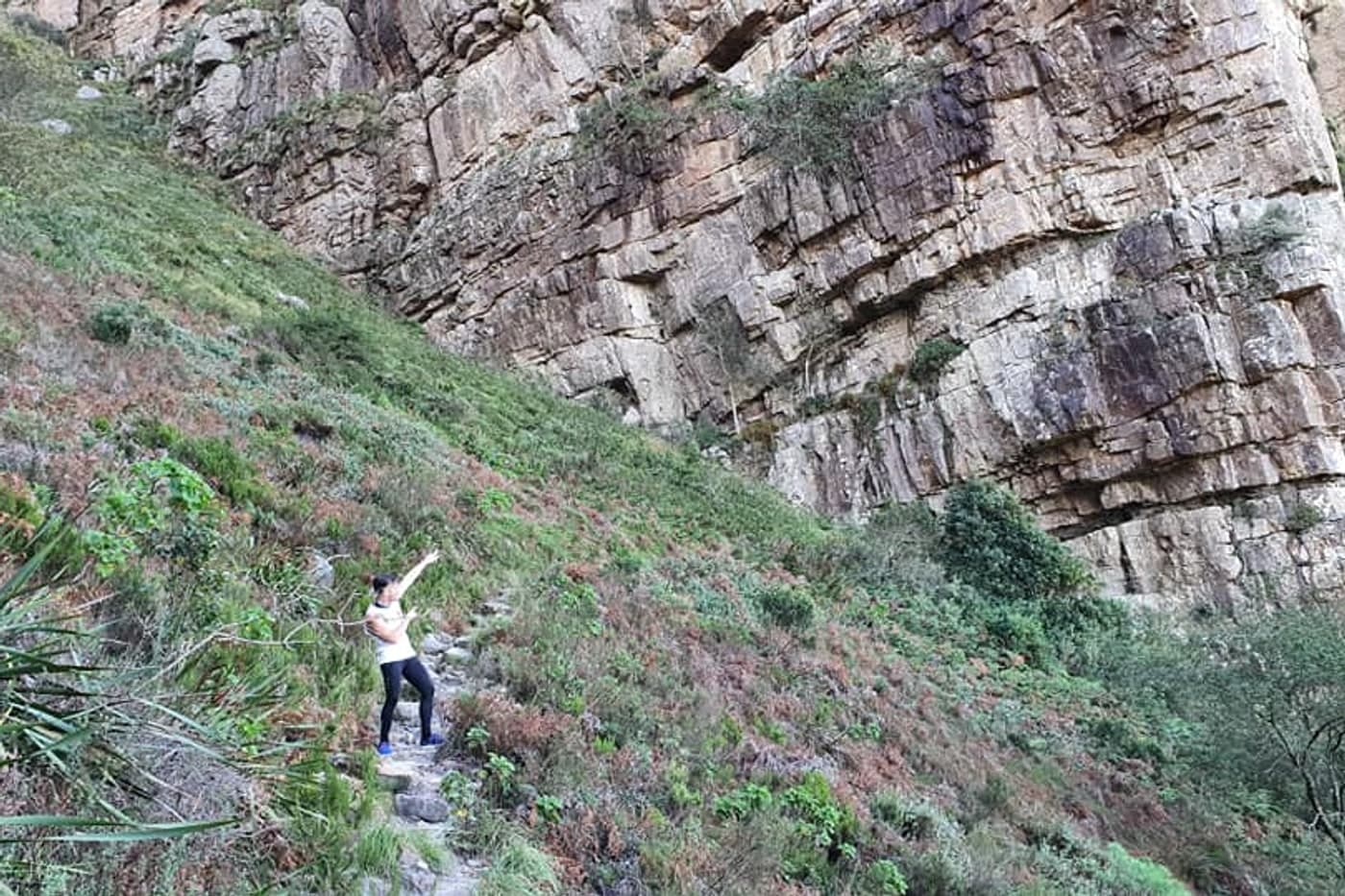
Quick answer: For rocky hut-to-hut routes like Alta Via 1, Lee’s default is a waterproof approach-style mid — La Sportiva TXS GTX — when a heavy boot slows you on rock. Beginners on milder trails often do better with a forgiving waterproof mid like Merrell Moab 3 Mid WP. Compare brands in Merrell vs Salomon vs Lowa.
This best hiking boots for men guide sorts picks by role (default trail shoe, beginner, comfort, durability, value, rough terrain). Labels below mix Lee’s trail default with researched alternatives — not every boot was worn on every trek.
How We Ranked These Boots
Picks are ranked for waterproof mid use on rocky and wet trails: ankle support, grip, break-in risk and long-day comfort. TXS GTX is Lee’s rocky-hut default from published trek context. Other models are researched role alternatives (catalog specs + trail-fit notes on this site) — not a claim that every pair logged 1,400 miles. For fit, try on with hiking socks you will actually wear.
The Best Hiking Boots for Men
1. La Sportiva TXS GTX – Default trail shoe
Default trail shoe (trail-used context)
La Sportiva TXS GTX
The La Sportiva TXS GTX is Lee’s rocky hut-route default when a heavy boot slows you on rock — GTX weather protection with approach-shoe agility on routes like Alta Via 1. Not a beginner soft mid; choose it when grip and precision matter more than plush break-in.
Reasons to buy
- Approach-style agility on rocky hut stages
- GTX membrane for wet alpine weather
- Lee’s published rocky-hut footwear context on this site
Reasons to avoid
- Less forgiving than Moab-class soft mids for new hikers
- Narrower fit for some foot shapes — try before trek day one
2. Merrell Moab 3 Mid WP – Best for Beginners
The Merrell Moab 3 Mid WP is Merrell's current waterproof mid — the line that replaced Moab 2 on merrell.com. It is designed for beginner and casual hikers who want reliable grip and waterproofing on less challenging trails. Perfect for day hikes or moderate routes where comfort and simplicity matter more than heavy-duty durability. Compared to a hiking shoe, the Moab 3 provides more ankle support — a great first mid for hut trekkers on muddy forest paths.
Still own broken-in Moab 2? Keep hiking in them until they wear out. For rocky alpine routes, see La Sportiva TXS GTX — Lee's default trail shoe on Alta Via 1.
Price: ~$140
The Moab 3 refines the forgiving Moab fit with updated outsole rubber and upper materials. Its Vibram sole ensures dependable grip on loose dirt and gravel — the same low-friction beginner mission Moab 2 held for years.
For beginners or those who mainly stick to mild terrain, this boot offers the comfort and support needed without the bulk of more advanced models. Break-in is minimal — ideal when your trip starts in two weeks.
Key Features
- Waterproof membrane for wet conditions
- Vibram sole for traction on various surfaces
- Lightweight construction
- Ample padding for comfort on shorter hikes
Reasons to buy
- Comfortable wide fit for new hikers
- Current Merrell line — easier to find in shops than Moab 2
- Waterproofing keeps feet dry in light rain
- Great grip, reducing slips on uneven trails
Reasons to avoid
- Not ideal for technical rocky cols — compare TXS GTX or X Ultra
- Mid-level ankle support may not suit advanced hikers with heavy packs
3. Salomon X Ultra 4 Mid GTX – Best Lightweight Hiking Boots for All-Day Comfort
The Salomon X Ultra 4 Mid GTX is ideal for hikers who embark on long hikes or all-day treks. Its lightweight design and comfortable fit provide exceptional support, making it perfect for people who prioritize comfort over rugged durability. The waterproofing and advanced traction make it versatile for various terrains and weather conditions.
Price: $165
With an advanced chassis and cushioned EVA foam, the X Ultra 4 is designed for comfort and stability over extended hikes. Its ergonomic design helps alleviate heel pain during long hikes. Its Gore-Tex waterproofing keeps your feet dry without sacrificing breathability, making it a reliable option in rainy or humid climates.
Compared to other comfort-focused boots, the X Ultra 4 stands out for its combination of lightweight design and supportive features, catering to hikers who need all-day support.
Key Features
- Gore-Tex waterproofing for weather protection
- Advanced chassis for stability
- EVA foam padding for comfort
- Lightweight yet sturdy design
Reasons to buy
- Lightweight, great for long hikes
- Excellent traction, even in wet conditions
- Gore-Tex keeps water out without overheating feet
Reasons to avoid
- May feel snug for wide feet
- Higher price compared to basic models
4. Lowa Renegade GTX Mid – Best for Durability
The Lowa Renegade GTX Mid is meant for seasoned hikers who frequently trek rugged terrain and want a boot that can handle years of wear. This boot is a solid choice for those who prioritize durability and need reliable support for challenging environments.
Price: $249
Built with tough nubuck leather, the Renegade GTX Mid is a classic leather hiking boot featuring a Vibram Evo sole that withstands rocky, uneven trails with ease.
Its Gore-Tex lining provides waterproofing, and its high ankle support is ideal for preventing sprains on technical paths. While heavier than other options, its durability and stability make it ideal for dedicated hikers or those who often tackle rocky trails.
Key Features
- Nubuck leather upper for durability
- Gore-Tex lining for waterproof protection
- Vibram Evo sole for traction
- Stabilizing shank for ankle support
Reasons to buy
- Durable materials built to last
- Provides excellent ankle support
- Reliable in rough conditions and terrains
Reasons to avoid
- Heavier than some other models
- Requires a break-in period
5. Columbia Newton Ridge Plus II Waterproof – Best Value for Money
The Columbia Newton Ridge Plus II is designed for budget-conscious hikers who want a reliable boot for moderate trails without overspending. It’s ideal for occasional hikers or those looking for a boot that performs well without heavy-duty features for extreme trails. As a supportive hiking boot, it offers good value for money with its comfort, stability, and durability.
Price: $99
The Newton Ridge Plus II offers reliable waterproofing and grip, making it suitable for weekend hikes or moderate trails. It’s comfortable right out of the box, so there’s little to no break-in period.
While it may lack some of the advanced features of pricier options, it’s a great boot for budget-conscious hikers who still want a quality product for light to moderate hiking conditions.
Key Features
- Waterproof construction with suede and leather
- Lightweight midsole for comfort
- Omni-Grip rubber sole for traction
- Classic hiking boot look
Reasons to buy
- Affordable price for solid performance
- Lightweight and easy to break in
- Reliable waterproofing for light to moderate use
Reasons to avoid
- Not ideal for rugged, technical hikes
- Limited ankle support
6. La Sportiva Nucleo High II GTX – Best for Rough Terrain
The La Sportiva Nucleo High II GTX is tailored for hikers who frequently tackle challenging terrain such as steep, rocky, or uneven paths. It’s designed to offer advanced support and ventilation, making it ideal for long, difficult hikes in warm or hot climates.
Price: $140
Equipped with Gore-Tex Surround and Nano Cell technology, this boot excels in breathability, which is essential for hikers in hot climates or those taking on strenuous trails. Its Vibram sole offers traction even on loose surfaces, while the high ankle support helps prevent injuries on rocky paths.
The boots’ roomy toe box enhances comfort by allowing toes to naturally splay out, providing extra support on rough terrain. Though it has a stiff sole initially, this feature adds to its stability on tough terrain, setting it apart from lighter, less supportive boots.
Key Features
- Gore-Tex Surround technology for 360-degree breathability
- Nano Cell technology for improved ventilation
- High-traction Vibram sole
- Durable upper with extra ankle support
Reasons to buy
- Excellent grip on steep and rocky trails
- Advanced breathability keeps feet dry
- Great support for challenging terrains
Reasons to avoid
- Higher price point
- Stiff sole may require break-in
Top Picks by Weight
Hiking boots come in a range of weights, from lightweight to heavyweight. The right weight for you will depend on your hiking style, terrain, and personal preference. Here are our top picks for lightweight, mid-weight, and heavyweight hiking boots.
Lightweight Hiking Boots
Lightweight hiking boots are perfect for day hikes, fastpacking, and trail running. They offer excellent breathability, flexibility, and comfort. Here are our top picks for lightweight hiking boots:
- Salomon X Ultra 4 Mid GTX: A lightweight and breathable boot with a nubuck leather upper and a Contagrip outsole. This boot combines the agility of a trail running shoe with the support of a traditional hiking boot, making it ideal for fast-paced hikes.
- Merrell Moab 3 Mid WP: A lightweight and comfortable boot with a leather and mesh upper and a Vibram outsole. Known for its out-of-the-box comfort, the Moab 3 is perfect for those who want a reliable, lightweight hiking boot for various terrains.
- La Sportiva Ultra Raptor II Mid GTX: A lightweight and flexible boot with a nubuck leather upper and a Vibram outsole. This boot offers excellent traction and support, making it a great choice for trail runners and fastpackers.
Mid-Weight Hiking Boots
Mid-weight hiking boots offer a great balance of support, stability, and comfort. They’re perfect for backpacking trips, multi-day hikes, and rugged terrain. Here are our top picks for mid-weight hiking boots:
- Salomon Quest 4D 3 GTX: A mid-weight boot with a nubuck leather upper and a Contagrip outsole. This boot provides excellent support and stability, making it ideal for long backpacking trips and challenging trails.
- Lowa Renegade GTX Mid: A mid-weight boot with a leather and mesh upper and a Vibram outsole. Known for its durability and comfort, the Renegade GTX Mid is a favorite among serious hikers who need a reliable boot for various conditions.
- Keen Targhee III Mid Waterproof: A mid-weight boot with a leather and mesh upper and a Vibram outsole. This boot offers a roomy toe box and excellent support, making it a great choice for hikers with wider feet or those who need extra comfort on the trail.
Heavyweight Hiking Boots
Heavyweight hiking boots are designed for rugged terrain, heavy loads, and extreme weather conditions. They offer excellent support, stability, and protection. Here are our top picks for heavyweight hiking boots:
-
Asolo TPS 520 Evo: A heavyweight boot with a full-grain leather upper and a Vibram outsole. This boot is built to withstand the toughest conditions, providing unmatched support and durability for serious hikers.
-
La Sportiva Nucleo High II GTX: A heavyweight boot with a nubuck leather upper and a Vibram outsole. This boot offers advanced breathability and support, making it perfect for challenging trails and extreme weather.
-
Scarpa Zodiac Plus GTX: A heavyweight boot with a leather and mesh upper and a Vibram outsole. Known for its rugged construction and excellent grip, the Zodiac Plus GTX is ideal for hikers tackling the most demanding terrains.
By considering the weight and features of each boot, you can find the perfect pair to match your hiking style and needs. Whether you prefer lightweight agility or heavyweight support, our top picks have you covered.
Buying Guide: How to Choose the Best Hiking Boots for Men
Finding the perfect pair of hiking boots is all about balancing comfort, durability, and suitability for the terrain you’ll be tackling. A good fit and the right features make a big difference in performance and overall enjoyment on the trail. Here’s a step-by-step guide to help you make an informed decision.

Step 1: Determine Your Hiking Needs
Before diving into specific features, think about where and how often you’ll be hiking. Here’s how different terrains and hike lengths impact the type of boots you should look for:
- Casual Day Hikes: If you’re mostly on well-maintained trails or doing short day hikes, prioritize lightweight, comfortable boots with moderate support.
- Multi-Day or Backpacking Trips: For multi-day hikes or if carrying a heavy pack, look for boots with advanced support and durability to protect your feet under extended pressure. While traditional hiking boots offer excellent support and protection, they can feel overbuilt compared to more modern options, which may provide better comfort during longer hikes without compromising functionality.
- Rugged or Technical Trails: For steeper, rocky trails or technical hikes, prioritize boots with excellent traction and ankle support to prevent slips and twists.
Step 2: Key Features to Consider
Understanding each feature helps narrow down choices based on what’s most important to you. Here’s what to consider:
- Waterproofing vs. Breathability: Waterproof boots, often lined with Gore-Tex, keep feet dry in wet conditions. However, waterproofing can sometimes reduce breathability, causing feet to overheat in warm weather. Choose waterproof boots for rainy, snowy, or wet terrain, but opt for breathable materials if you mostly hike in dry, hot areas.
- Ankle Support: Ankle support helps prevent injuries on rocky or uneven terrain. If you’re doing strenuous hikes or have a history of ankle issues, look for high-top boots with reinforced ankle padding. For lighter trails or if you prefer more flexibility, mid or low-top designs may feel more comfortable and allow greater mobility.
- Sole and Traction: The sole of your hiking boot is essential for stability and grip. Vibram soles are popular for their rugged grip on both dry and wet surfaces. Softer soles provide more grip but can wear down faster, while harder rubber soles are more durable and better suited for rough terrain. Choose based on the terrain you’ll encounter most.
- Fit and Comfort: A well-fitting boot should provide enough room to wiggle your toes but be snug around the rest of your foot. Look for features like padded collars and EVA foam insoles for added comfort, especially on longer hikes. A good fit prevents blisters and foot fatigue, so always try on boots with your hiking socks before purchasing.
Step 3: Features Head to Head
When comparing features, it’s essential to consider how they interact with each other. Here are two key comparisons to think about:
- Waterproof vs. Breathable Materials: Waterproof boots are perfect for wet climates but may feel heavy or warm on hot, dry trails. Breathable materials, like mesh or lightweight synthetic fabrics, keep feet cooler but won’t hold up in rainy conditions. If you’re in mixed climates, consider a boot with a balance, like Gore-Tex Surround, which provides both water resistance and breathability.
- Weight vs. Support: Heavier boots usually offer more support and durability but can slow you down or cause fatigue over long hikes. Lightweight boots, while easier on the legs, may lack support on rough trails. If you’re tackling rugged or mountainous terrain, opt for heavier, supportive boots; for quick day hikes or light trails, go for a lighter option that lets you move quickly.
Practical Advice for Testing Fit
Trying on your hiking boots before purchasing is essential for comfort and fit:
- Wear Hiking Socks: Bring or wear the same socks you’ll hike in to test for proper fit.
- Test the Fit Later in the Day: Feet tend to swell as the day progresses, which is similar to how they’ll feel after a long hike.
- Check for Toe Room: Make sure there’s about a finger’s width of space between your toes and the end of the boot. This prevents bruising and discomfort, especially on downhill sections.
- Walk on Inclines: If possible, try them on an incline to ensure your feet don’t slide forward or lift at the heel.
Bottom Line: Matching the Boot to Your Needs
The perfect hiking boot will depend on your unique hiking style, terrain, and personal preferences. If you’re hiking casually or mostly in dry weather, a lightweight, breathable boot will serve you well. However, if you plan to hike challenging trails or encounter wet conditions, prioritize waterproofing, durability, and ankle support.
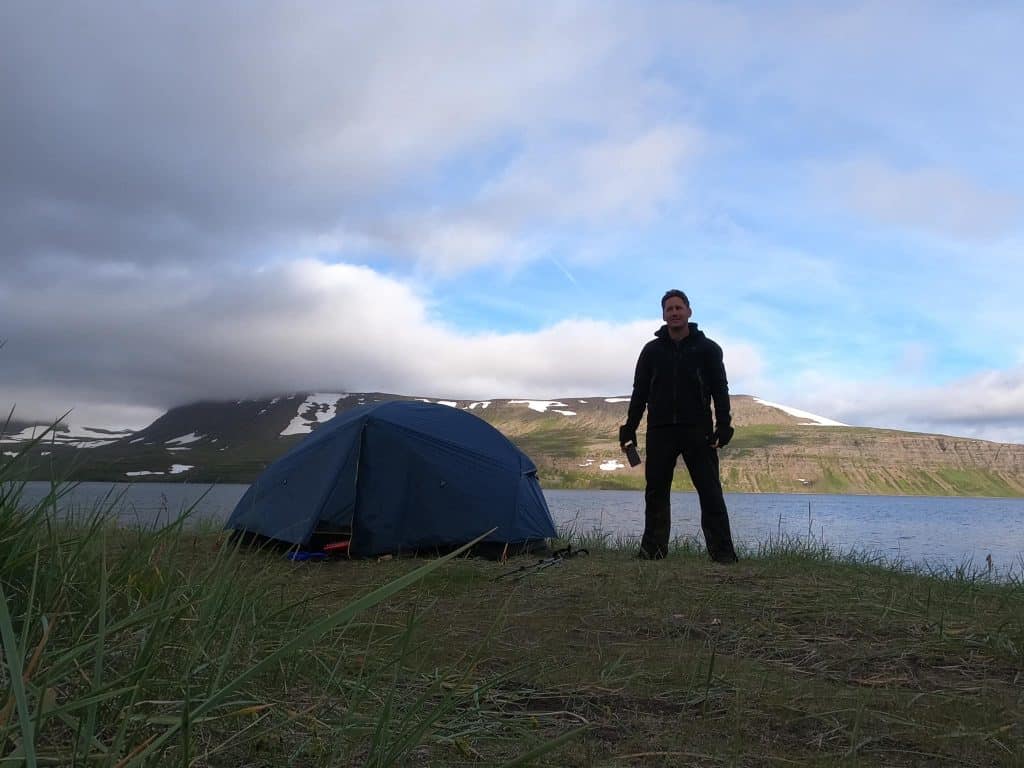
Conclusion
Choosing the right hiking boots can make all the difference, keeping you comfortable and supported on every trail. Each of these top picks offers something different for different types of hikers and terrain.
For beginners or those looking for a lightweight, comfortable waterproof mid for moderate trails the Merrell Moab 3 Mid WP is the way to go. For rocky hut routes where agility matters, La Sportiva TXS GTX is Lee's default trail shoe. For long hikes and all day comfort the Salomon X Ultra 4 Mid GTX is the best. For serious, rough hikers who need something tough and durable the Lowa Renegade GTX Mid is the way to go. On a budget but still want good performance the Columbia Newton Ridge Plus II Waterproof is a great value. For technical, rough terrain the La Sportiva Nucleo High II GTX is designed for grip, stability and breathability in extreme conditions.
Now get hiking! Click above to buy and lace up! 😊️️️️️️️️️️️️️
FAQ
1. What’s the difference between hiking boots and hiking shoes?
Boots have more ankle support and are more durable so are better for rough or uneven terrain. They’re heavier and for longer hikes or backpacking trips. Shoes are lighter and more flexible so are better for shorter, easier trails and day hikes where ankle support isn’t as important.
2. How do I know my boots fit?
A good fit should allow you to wiggle your toes but still be snug around your foot and ankle. Make sure there’s about a finger’s width of space between your toes and the front of the boot to prevent toe bruising, especially on downhill sections. Try them on with the socks you’ll be hiking in and walk around to see if they slip or put pressure anywhere.
3. Do I need waterproof hiking boots?
It depends on the weather and terrain you’ll be hiking in. Waterproof boots (often with Gore-Tex) are good for wet conditions or snowy trails as they keep your feet dry. But if you mostly hike in hot dry climates then breathable boots may be better to prevent overheating.
4. How do I break in my new boots?
Start by wearing your boots around the house or for short walks to let your feet adjust. Gradually increase the duration of wear over a few days or weeks. For tougher, leather boots this can take longer but it’s worth it to prevent blisters and get comfortable before a long hike.
5. How long do hiking boots last?
The life of hiking boots depends on the quality and how often you use them. High quality boots can last 500-1000 miles of hiking but will show signs of wear sooner if used frequently on rough terrain. Look for signs like worn out soles, compromised waterproofing or reduced support to know when it’s time to replace.
6. Can I use hiking boots for other things?
While hiking boots are designed for trails, many people use them for camping, light backpacking or even yard work. But due to their weight and design they might not be comfortable for everyday wear or sports that require more flexibility.
Official brand and standards resources
Cross-check current specs and safety standards before you buy:
Leave No Trace · REI Expert Advice · Outdoor Industry Association · ISO outdoor textiles