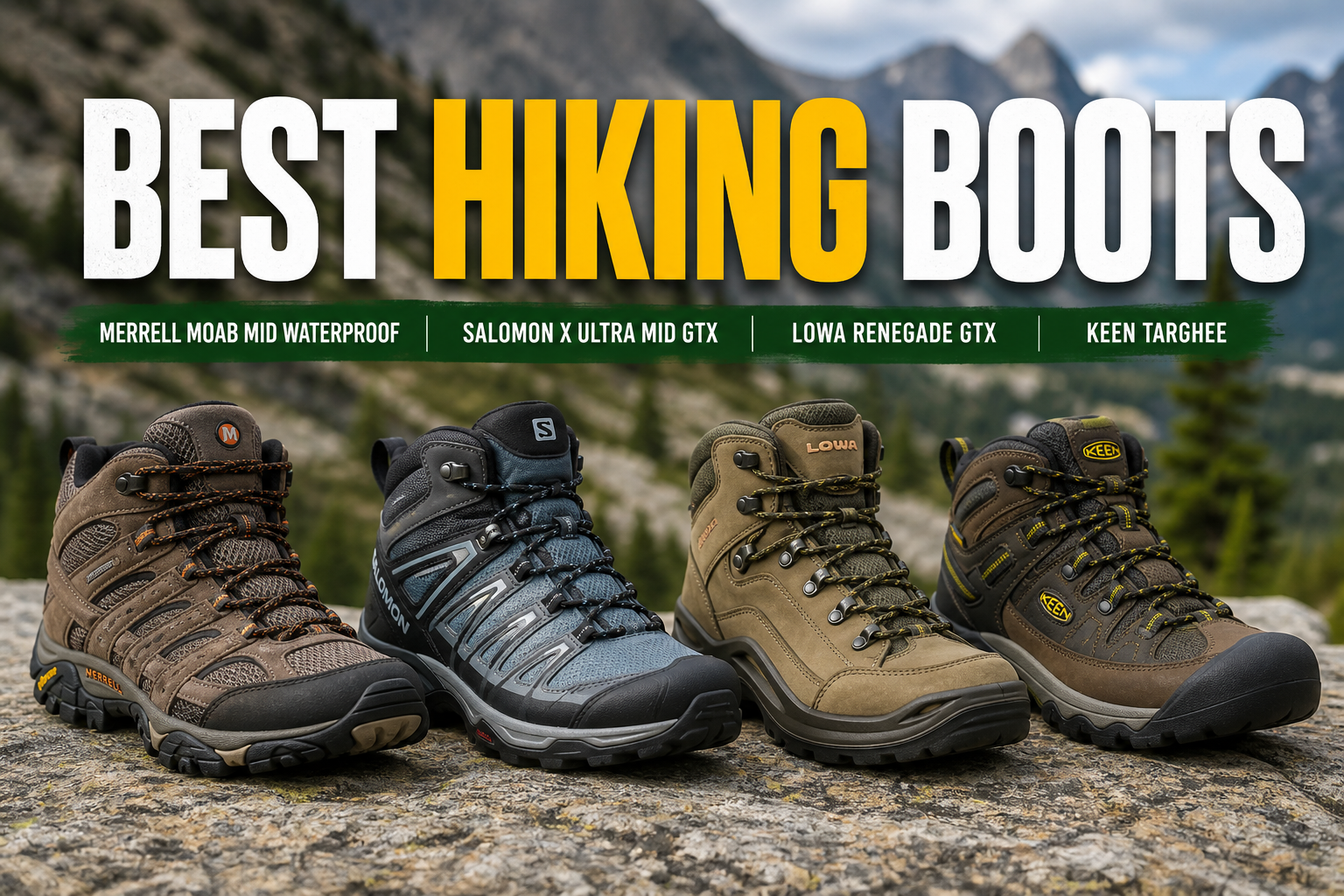
Full trail review
In-depth analysis
A lightweight and comfortable boot with a leather and mesh upper and a Vibram outsole. Known for its out-of-the-box comfort, the Moab 3 is perfect for those who want a reliable, lightweight hiking boot for various terrains.
Suited for hiking · trekking
$147.31
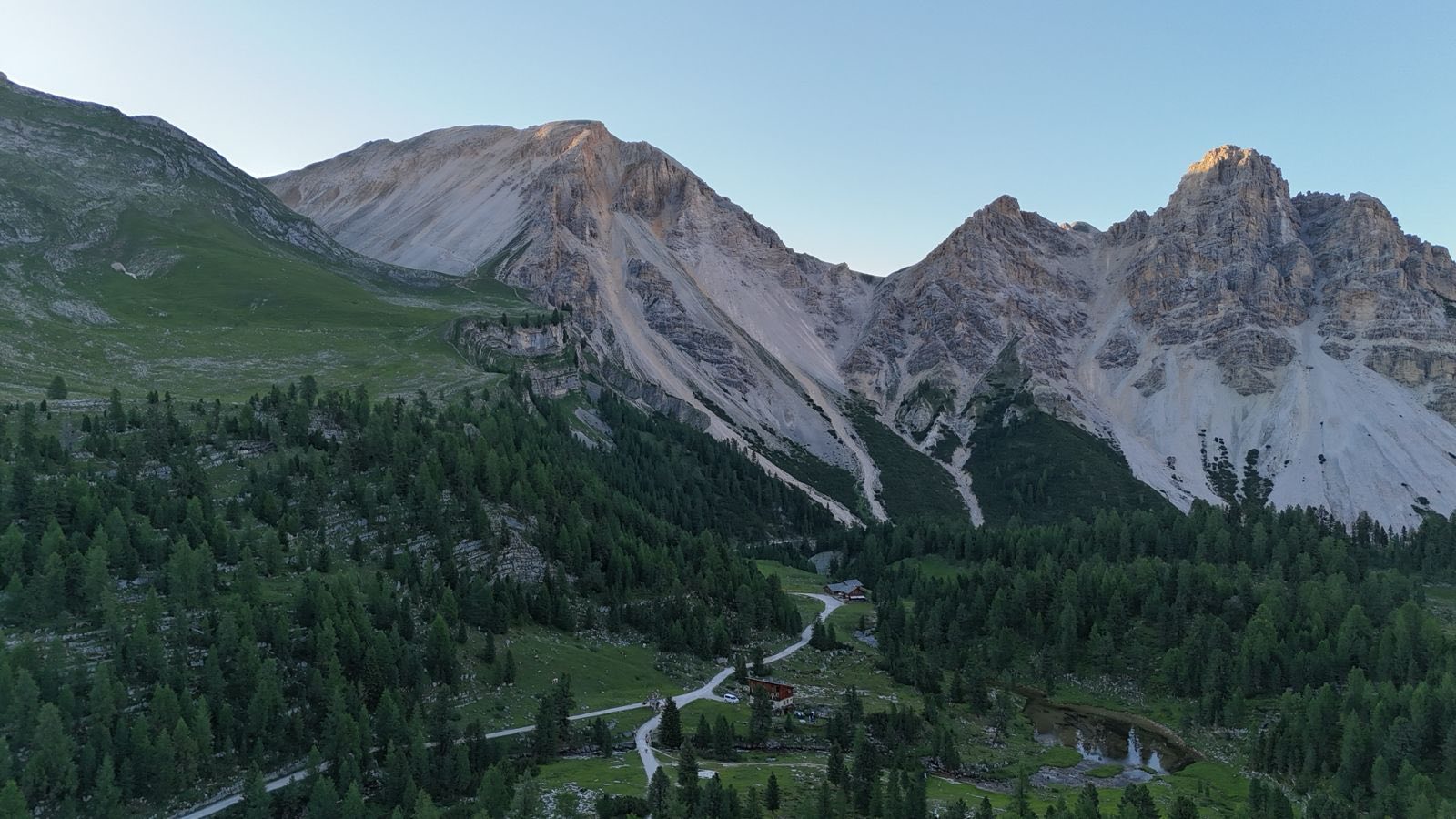
On trail
Current Merrell waterproof mid — beginner default
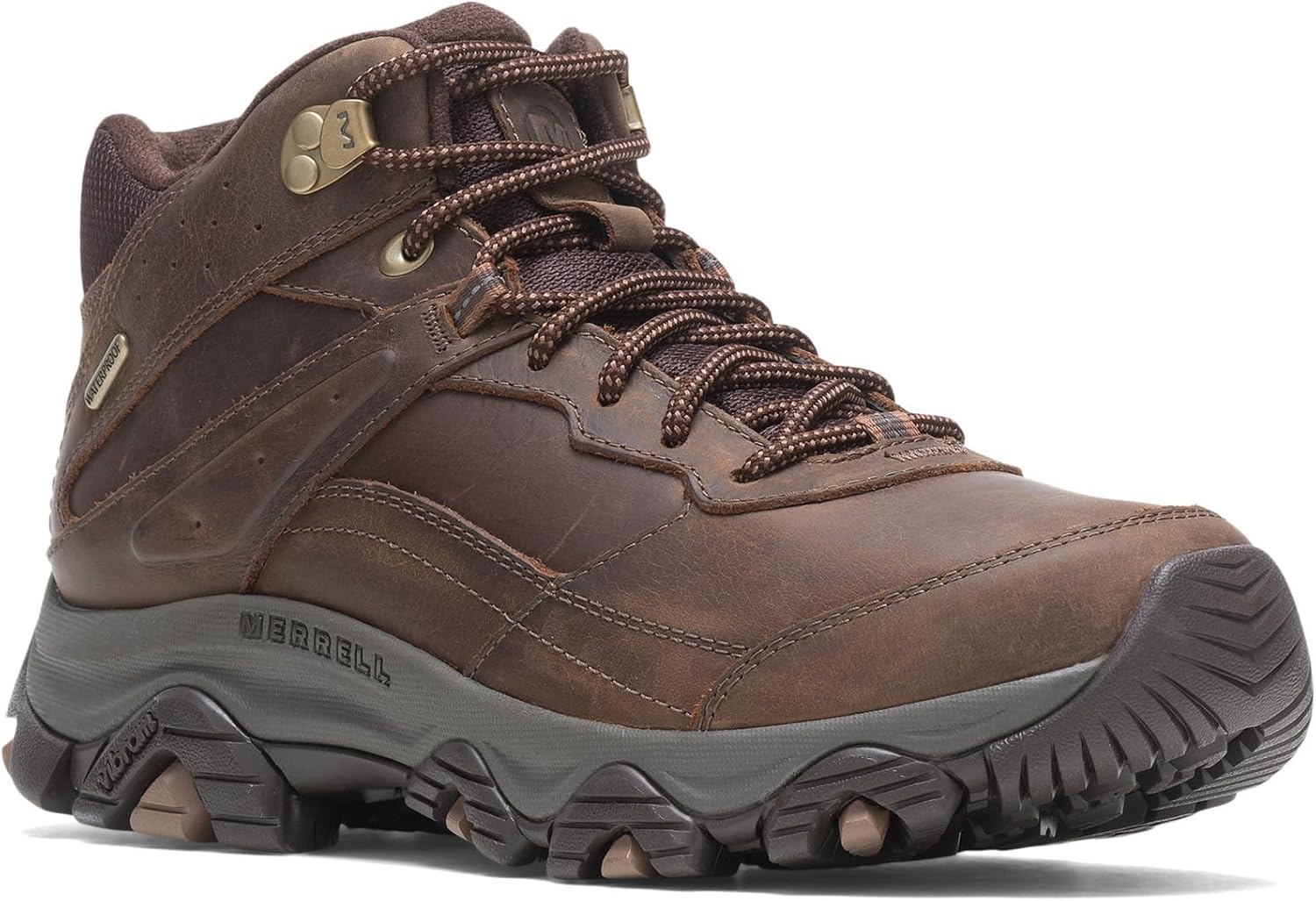
Merrell Moab 3 Mid WP
Merrell
$147.31
At a glance
- Indicative price
- $147.31 on Amazon
- Cut
- Mid waterproof
- Fit
- Wide toe box
- Outsole
- Vibram
- Best for
- First waterproof mid
What we like
- Comfortable fit for new hikers
- Waterproofing keeps feet dry in light rain
- Great grip, reducing slips on uneven trails
Trade-offs
- Not ideal for technical trails
- Mid-level ankle support may not suit advanced hikers
Overview
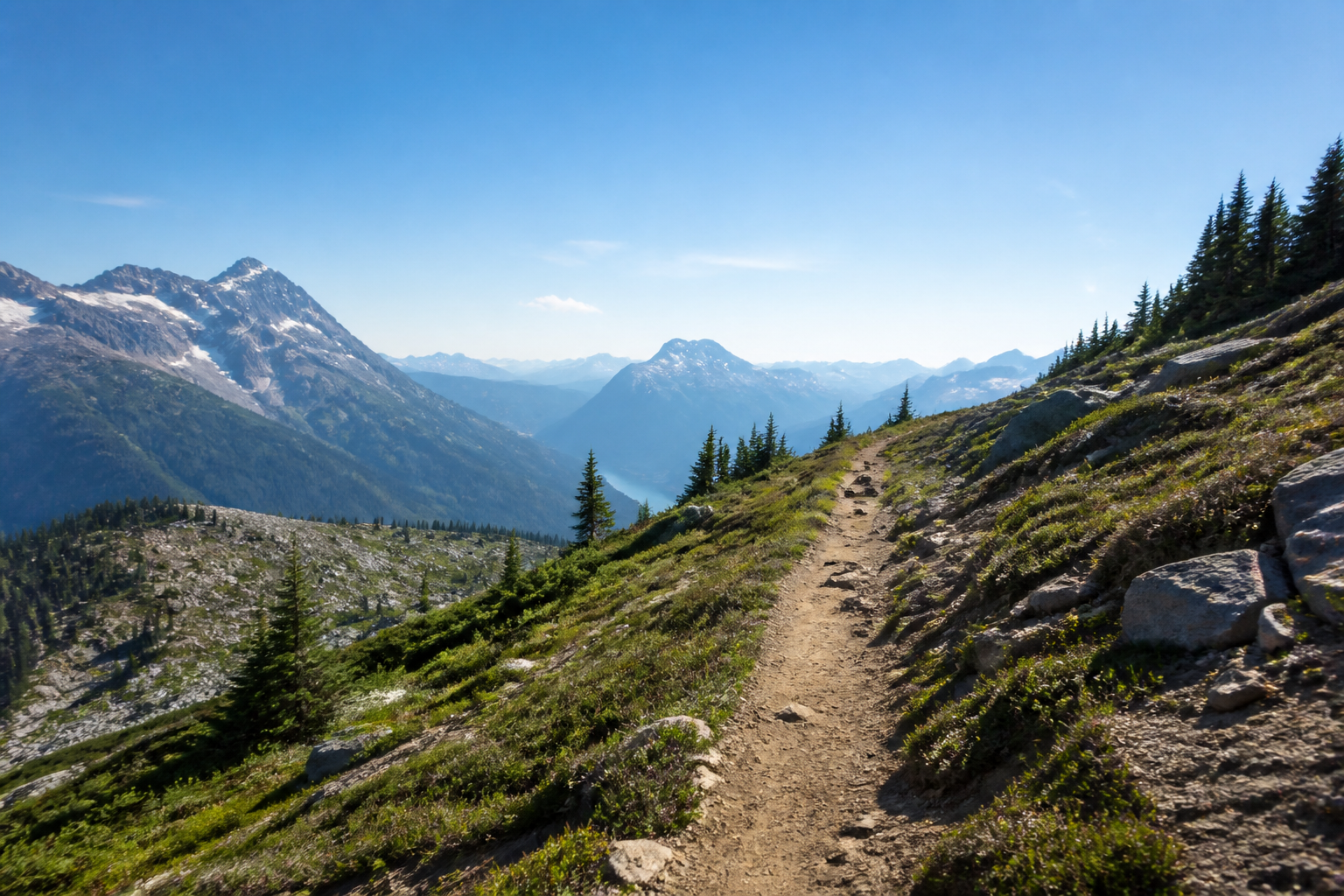
A lightweight and comfortable boot with a leather and mesh upper and a Vibram outsole. Known for its out-of-the-box comfort, the Moab 3 is perfect for those who want a reliable, lightweight hiking boot for various terrains.
Hands-on on the trail
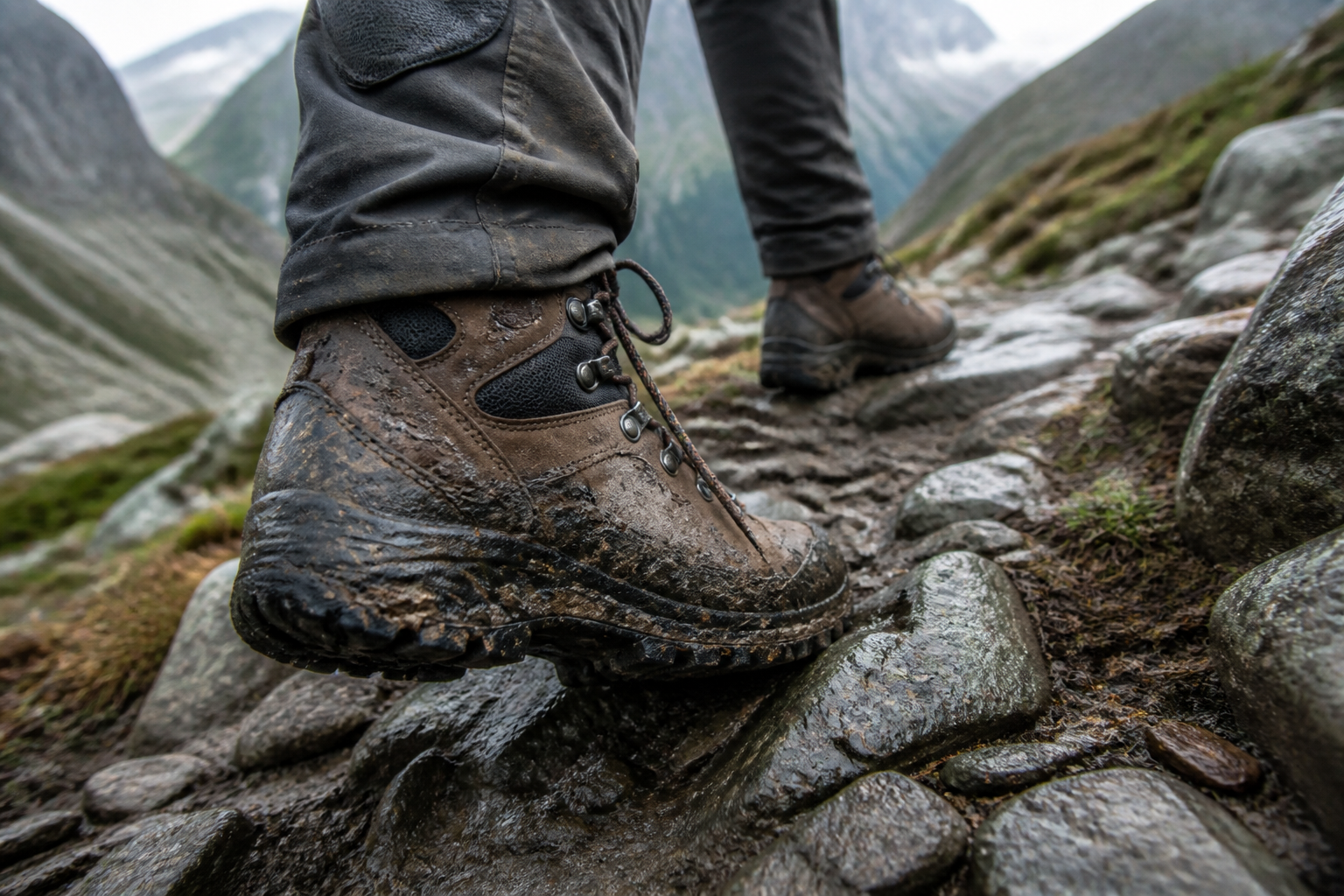
Merrell Moab 3 Mid WP: A lightweight and comfortable boot with a leather and mesh upper and a Vibram outsole. Known for its out-of-the-box comfort, the Moab 3 is perfect for those who want a reliable, lightweight hiking boot for various terrains.
Who it's for
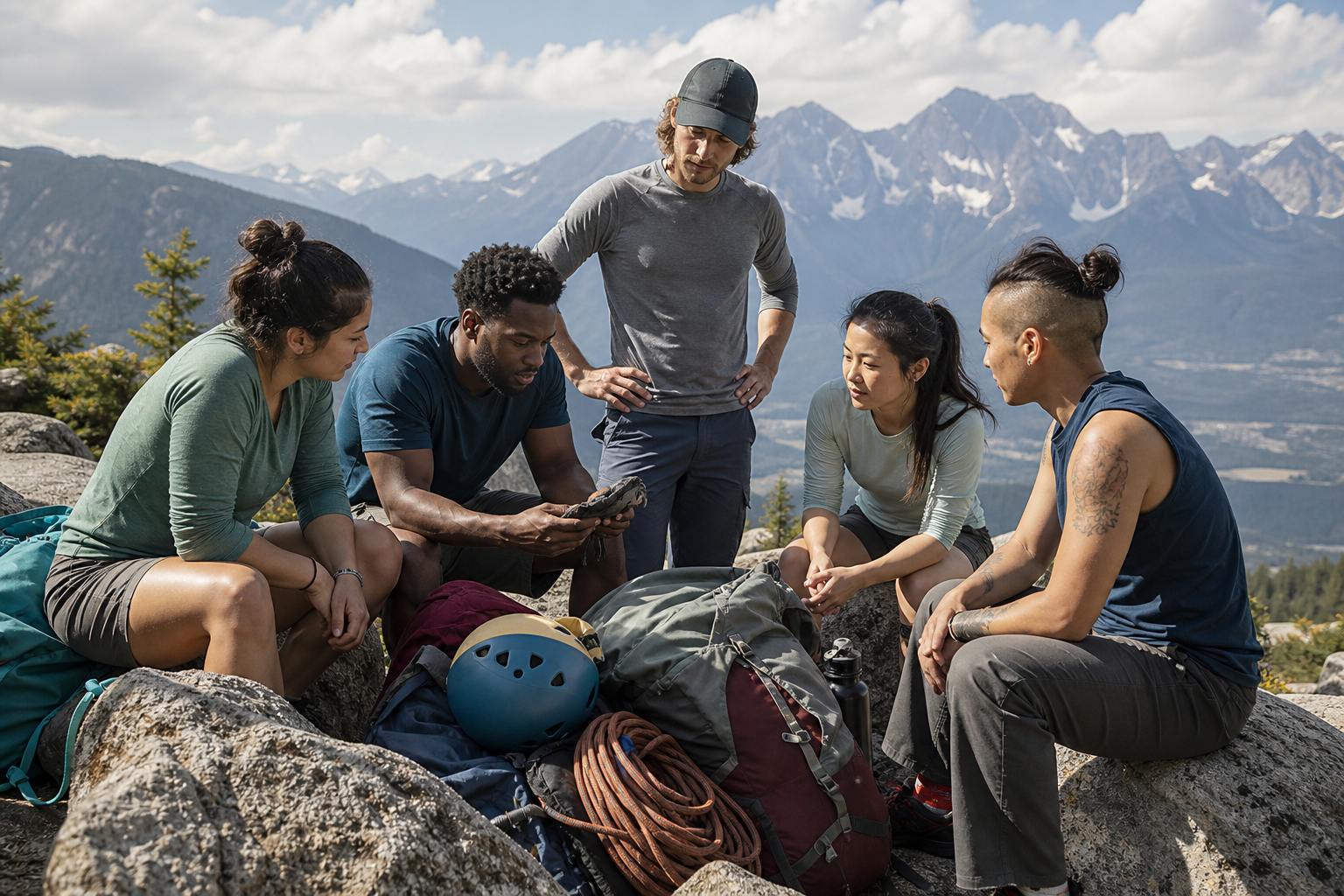
The Merrell Moab 2 Mid Waterproof is a fantastic choice for beginner hikers seeking a comfortable, affordable option for moderate trails and shorter hikes.
For beginners or those looking for a lightweight, comfortable option for moderate trails the Merrell Moab 2 Mid Waterproof is the way to go. For long hikes and all day comfort the Salomon X Ultra 4 Mid GTX is the best. For serious, rough hikers who need something tough and durable the Lowa Renegade GTX Mid is the way to go. On a budget but still want good performance the Columbia Newton Ridge Plus II Waterproof is a great value. For technical, rough terrain the La Sportiva Nucleo High II GTX is designed for grip, stability and breathability in extreme conditions.
Durability and long-term value
Merrell Moab 3 Mid WP should still make sense after a full season of use, not just a single photo-worthy trip. Stitching, coatings, zippers, and buckles all show their quality once grit and repeated packing cycles enter the picture. We weigh upfront price against how many weeks of trail time you realistically get before replacement — especially for footwear where mid-tier failures often show up on day three of a hut trek.
How it compares
vsMerrell Moab 2 Mid Waterproof
$180.32indicative on Amazon
the Moab 3 refines outsole rubber and upper materials without changing the forgiving wide fit — upgrade when your Moab 2 pair is worn, not because the 2 was wrong.
Read full reviewSalomon feels sportier and narrower on rocky cols; Moab 3 is the wider, more traditional mid for muddy forest trails and first-time hut trekkers.
Read full reviewvsKeen Targhee III Mid Waterproof
both target comfort-first hikers — Keen often wins on toe-box width; Moab 3 wins on shop availability and Vibram familiarity across European routes.
Read full reviewTXS is lighter and more agile on Dolomite rock; Moab 3 is the safer muddy-trail default when ankle support and waterproofing matter more than scrambling precision.
Read full reviewReady to buy?
Merrell Moab 3 Mid WP
$147.31
Bottom line
The Merrell Moab 2 Mid Waterproof is designed for beginner and casual hikers who are just getting into the activity. This lightweight, comfortable boot offers reliable grip and waterproofing for less challenging trails. It’s perfect for day hikes or moderate trails where comfort and simplicity are priorities over heavy-duty durability. Compared to a hiking shoe, the Moab 2 provides more ankle support, making it a great choice for beginners. If you are still deciding, start with the related buying guide on this page for comparisons, then return here to check pricing and availability.
Ready to buy?
Merrell Moab 3 Mid WP
$147.31
Buying advice
Before you buy, compare the alternatives on this page, sanity-check sizing or capacity for your typical trips, and read the full category guide linked below. Match the model to your climate, pack weight, and trip length — not just the spec sheet. Affiliate links help support the site at no extra cost to you.
Category context
Boot and shoe reviews on HikingWithLee always balance waterproofing against breathability, break-in time, and grip on wet rock. Fit varies by foot shape — wide toe boxes, heel hold, and stiffness on descents are called out explicitly. For Merrell Moab 3 Mid WP, apply the same lens: will you use it every day of the trip, or is it dead weight?
Top Picks by Weight
Hiking boots come in a range of weights, from lightweight to heavyweight. The right weight for you will depend on your hiking style, terrain, and personal preference. Here are our top picks for lightweight, mid-weight, and heavyweight hiking boots.
Lightweight hiking boots are perfect for day hikes, fastpacking, and trail running. They offer excellent breathability, flexibility, and comfort. Here are our top picks for lightweight hiking boots:
Mid-weight hiking boots offer a great balance of support, stability, and comfort. They’re perfect for backpacking trips, multi-day hikes, and rugged terrain. Here are our top picks for mid-weight hiking boots:
Heavyweight hiking boots are designed for rugged terrain, heavy loads, and extreme weather conditions. They offer excellent support, stability, and protection. Here are our top picks for heavyweight hiking boots:
By considering the weight and features of each boot, you can find the perfect pair to match your hiking style and needs. Whether you prefer lightweight agility or heavyweight support, our top picks have you covered.
How we evaluate gear
HikingWithLee reviews footwear against real trail demands: weight in the pack, reliability in bad weather, comfort over long days, and whether the price matches what you actually get on a hut trek or multi-day hike. Merrell Moab 3 Mid WP is scored in context — not as an isolated Amazon listing — using hands-on notes where we have them and structured research from our buying guides where we do not. We retest assumptions against packing lists, trek conditions, and competitor models before updating scores.