Full trail review
In-depth analysis
Adjustable carbon poles with Leki's reliable flick-lock system.
Suited for trekking · hiking
On trail
Adjustable carbon for varied terrain
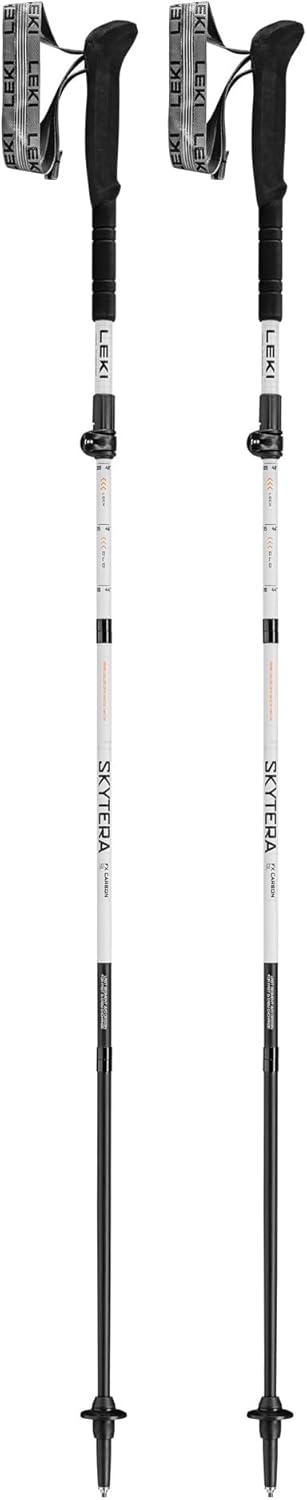
Leki Micro Vario Carbon
Leki
At a glance
- Material
- Carbon
- Locks
- Leki flick-lock
- Best for
- Adjustable length
What we like
- Ideal for ultralight and experienced hikers, offering excellent weight savings and adjustability
Trade-offs
- More moving parts than fixed Z-poles — slightly heavier and more to maintain over years of use
- Inspect locks annually if poles see monthly mileage
- Premium price over NatureHike-style budget carbon — justify when poles become year-round kit, not one-trip disposable gear
- Carbon still cracks on high-impact abuse — do not use poles to vault stream gaps, wedge car doors, or prop heavy packs on rocky ledges
- Not as infinitely adjustable as three-section aluminium Leki pairs — Micro Vario targets packable carbon with meaningful adjustment, not maximum length range
On Alta Via 1 I used NatureHike fixed carbon poles. Micro Vario Carbon is the Leki upgrade I recommend when on-trail length adjustment matters more than absolute minimum packed length.
My experience on the trail
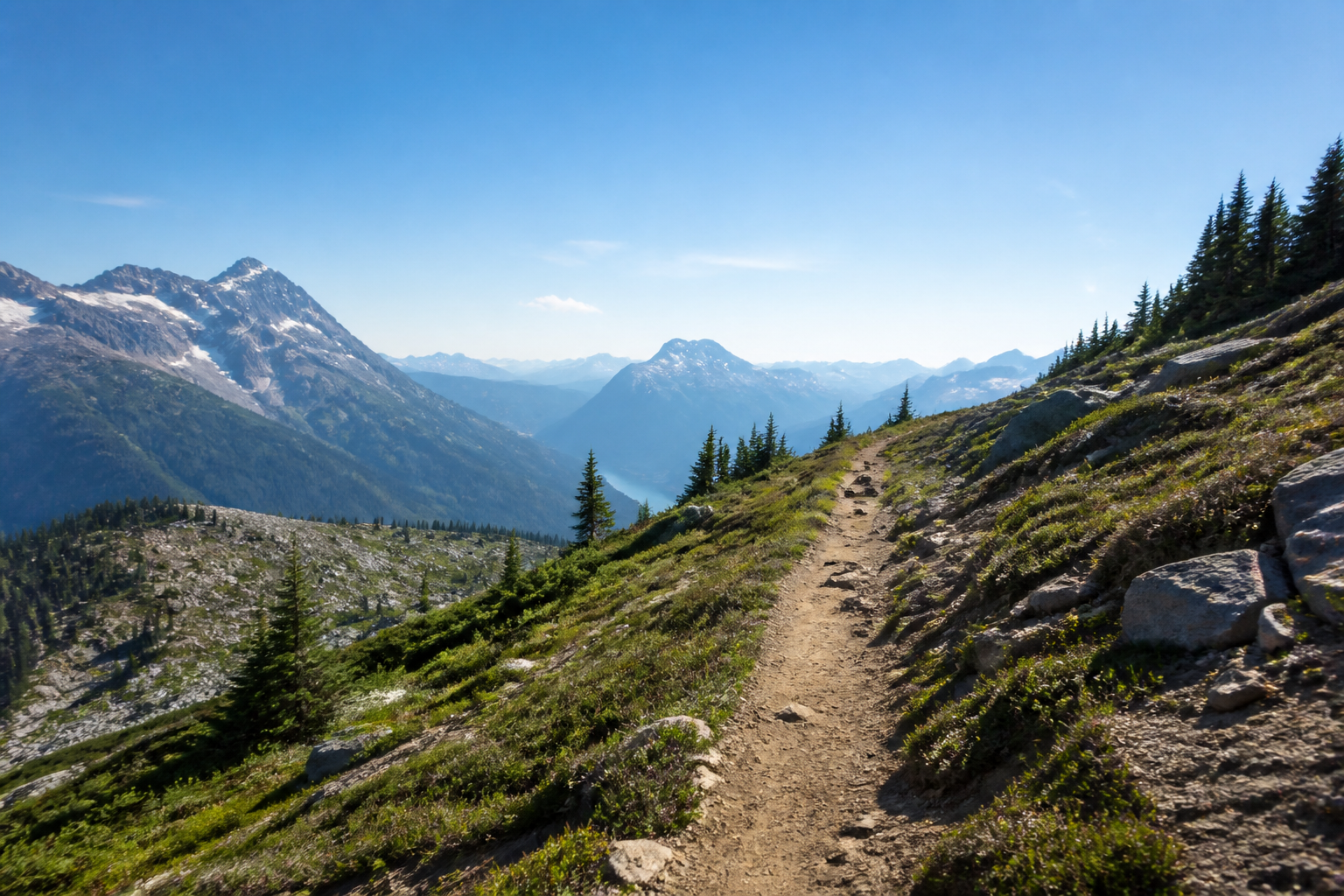
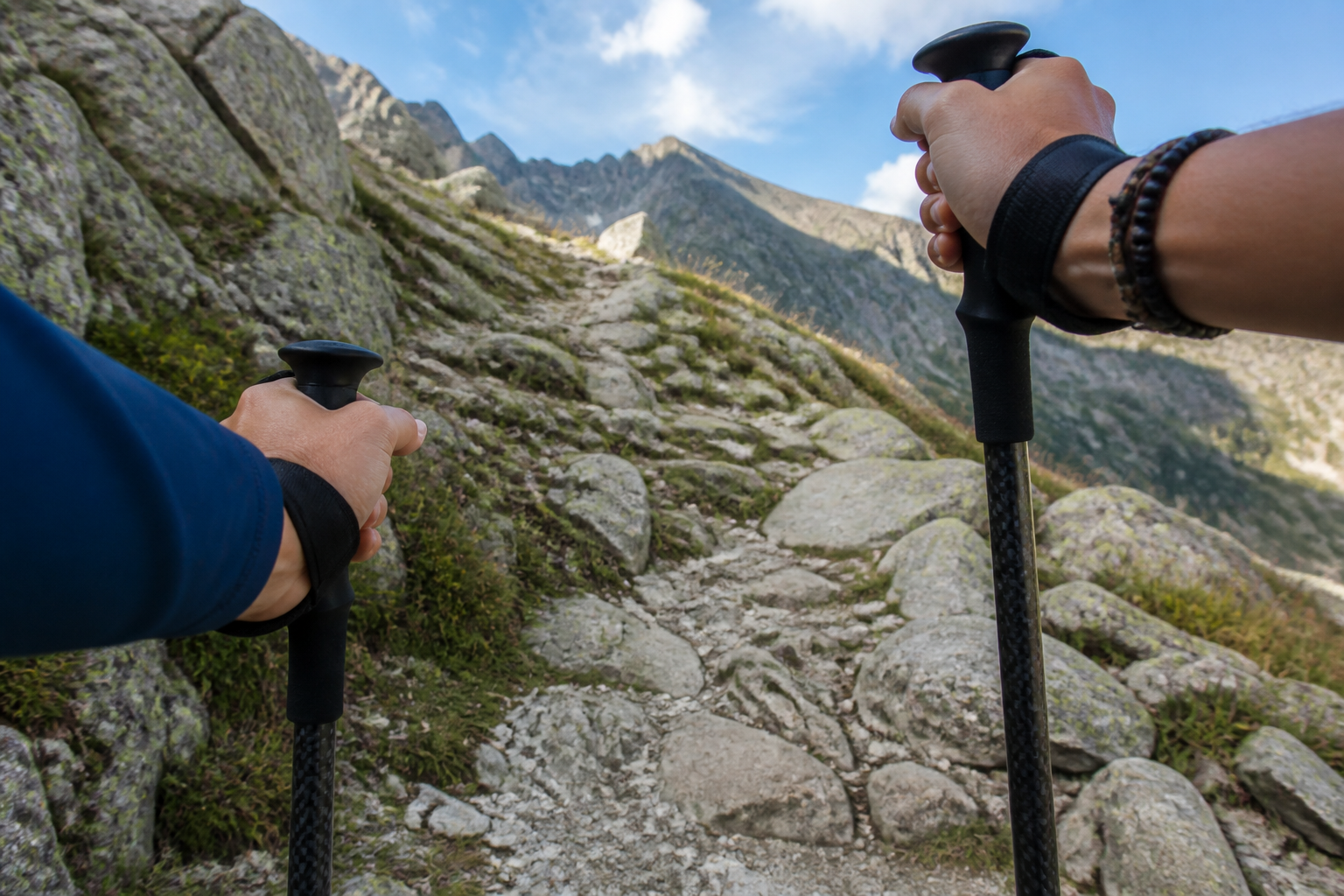
The Leki Micro Vario Carbon is my recommendation when hikers want packable carbon poles with on-trail length adjustment — steeper terrain, river crossings, and side-hilling where fixed Z-poles feel wrong.
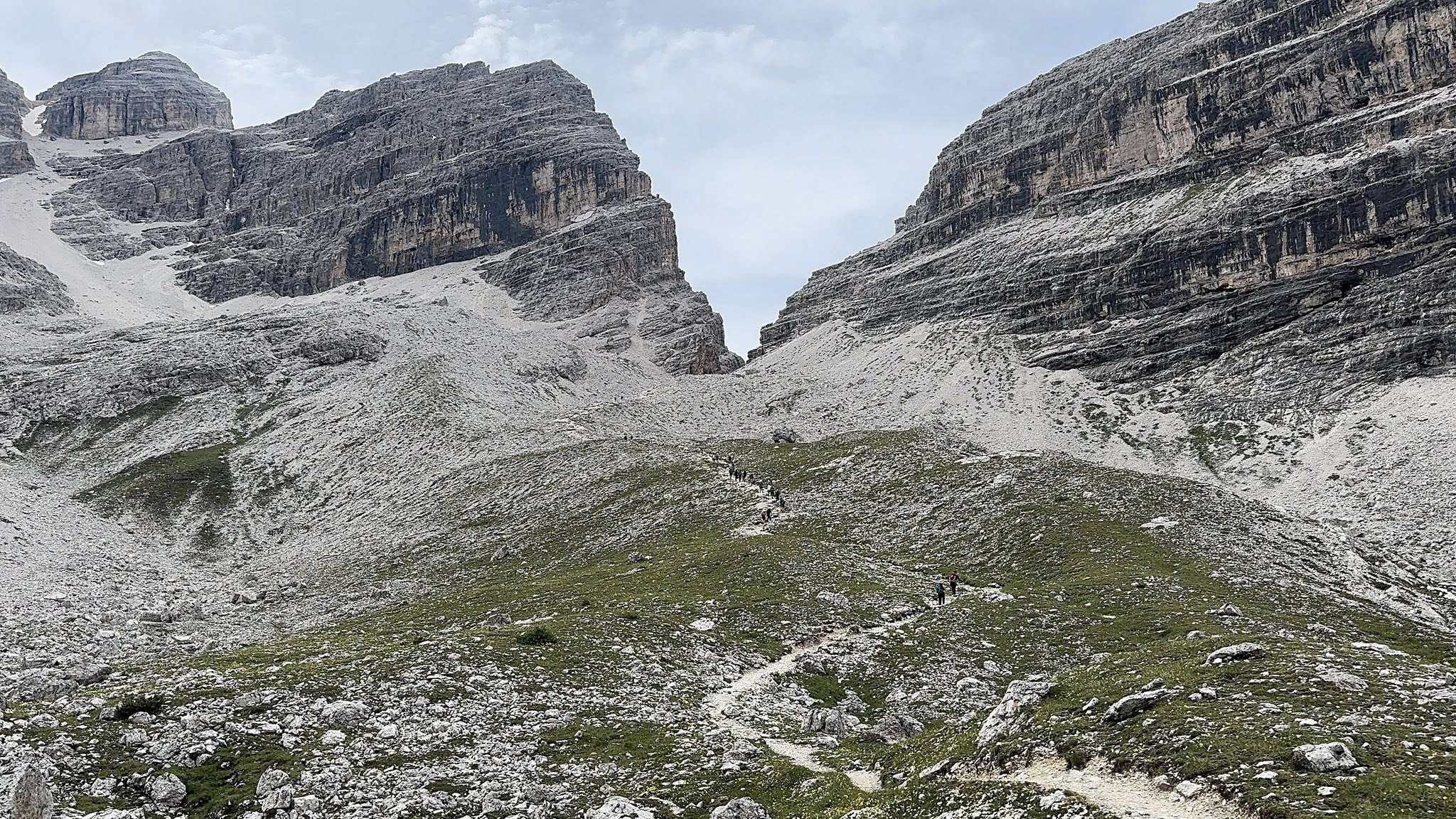
I used fixed-length NatureHike carbon on Alta Via 1 for all eight Dolomite stages; they worked, but I adjusted length only by changing my grip on fixed sections. Leki is what I suggest when you want proper length changes without pre-sizing at purchase — shorten for long ascents under the Tre Cime approach, lengthen for knee-saving descents into valleys, and fine-tune on side-hill traverses where one pole needs to be shorter than the other.
On test hikes the flick-lock held through wet Dolomite-style descents better than I expected from lighter budget pairs. That matters when your full pack weight is driving through the straps on day six — cheap locks are where pole anxiety shows up first.
Who it's for

Trekkers who want one pole pair for varied terrain — long ascents shortened, long descents lengthened, shared between hikers of different heights on occasional trips.
Strong alternative to Black Diamond Alpine Carbon Z when adjustability beats flat pack profile. Also suits hikers who fly to European trailheads and need one pole system for both travel days and week-long hut routes without carrying a second pair.
Less ideal if you already know your fixed Z-pole length and prioritise the flattest packed profile — BD Alpine Carbon Z still wins there.
Packed size and travel
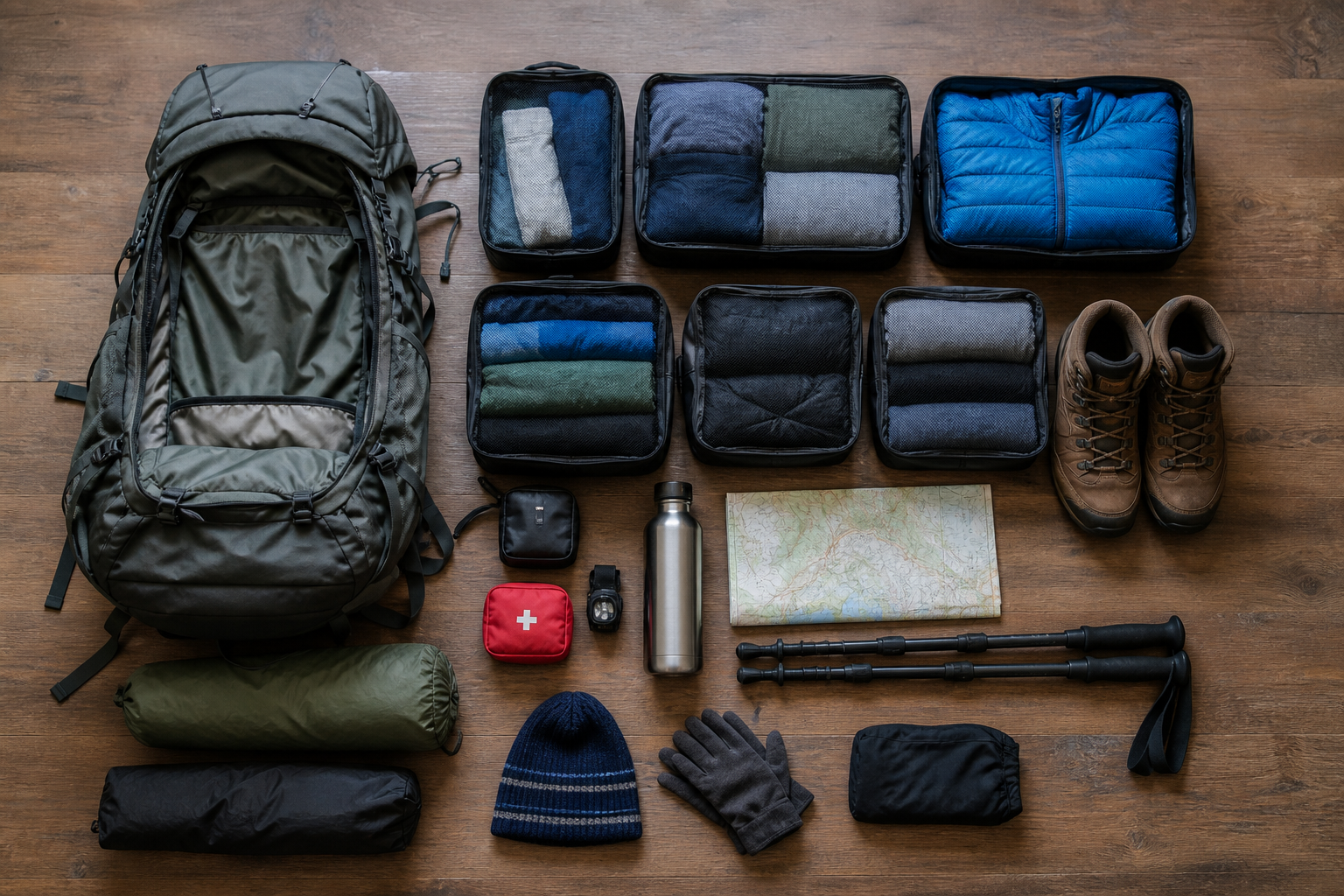
Folds shorter than three-piece aluminium poles but not as flat as Z-poles — still cabin-bag friendly for European hut treks when strapped to a 50 L pack exterior.
Protect the carbon sections in a pole bag inside your pack; gate checks and overhead bins are where damage happens. On Alta Via 1 travel days I kept NatureHike poles folded along the pack side — Micro Vario packed length is comparable, with the bonus that folded adjustable poles tolerate slightly different pack geometries than fixed Z-fold pairs.
Remove baskets before flying if baggage handlers are rough — ferrule damage is the common travel failure mode.
How it compares
vsBlack Diamond Alpine Carbon Z
BD packs flatter and swings slightly lighter; Leki adjusts on trail without pre-sizing at purchase — choose based on whether flat pack or on-trail tuning matters more.
Read full reviewcarbon saves swing weight on long ascent days; aluminium survives more careless abuse at lower cost for occasional hikers.
Read full reviewvsNatureHike Carbon Trekking Poles
$35.27indicative on Amazon
NatureHike delivered on AV1 at a fraction of the cost; Leki is the long-term upgrade when locks and adjustability matter for varied terrain year after year.
Read full reviewvsno poles
on AV1-style terrain poles are high-value knee insurance — Micro Vario is the premium adjustable carbon pick when budget allows upgrading from fixed budget pairs.
Ready to buy?
Leki Micro Vario Carbon
Trade-offs
- More moving parts than fixed Z-poles — slightly heavier and more to maintain over years of use
- Inspect locks annually if poles see monthly mileage
- Premium price over NatureHike-style budget carbon — justify when poles become year-round kit, not one-trip disposable gear
- Carbon still cracks on high-impact abuse — do not use poles to vault stream gaps, wedge car doors, or prop heavy packs on rocky ledges
- Not as infinitely adjustable as three-section aluminium Leki pairs — Micro Vario targets packable carbon with meaningful adjustment, not maximum length range
Bottom line
The Leki Micro Vario Carbon is the adjustable carbon pole I recommend for varied alpine trekking — reliable locks, sensible weight, and flexibility when terrain changes hourly between valley paths and rocky cols. Size and test locks before your trek; treat carbon like precision kit, not scaffolding, and they will outlast several seasons of hut routes.
Ready to buy?
Leki Micro Vario Carbon
Lock and adjustability
Leki's Speedlock or flick-lock variants (model dependent) are among the most trusted in the industry — less slippage anxiety on wet descents when your full pack weight is driving through the straps.
Carbon shafts keep weight reasonable despite the adjustment mechanism. I still check locks at the top of major descents after river crossings or muddy sections — good habit on any pole, but Leki's reputation is earned on long alpine weeks where cheap locks start to creep.
Replacement baskets and tips are easy to source — swap to larger summer dirt baskets for soft Dolomite scree or smaller tips for rocky slab if your kit spans seasons.