Classic Inca Trail to Machu Picchu: Complete Guide
Complete Classic Inca Trail guide — 4-day permit trek via licensed operators, Cusco acclimatisation, camping, altitude and what Lee learned hiking Peru.
Hiked by Lee
Guided
Last verified
Plan your trip: Packing list · Cost guide · Itinerary · Accommodation · Getting there · Difficulty · Food · Navigation · Trek overview · Rainbow Mountain
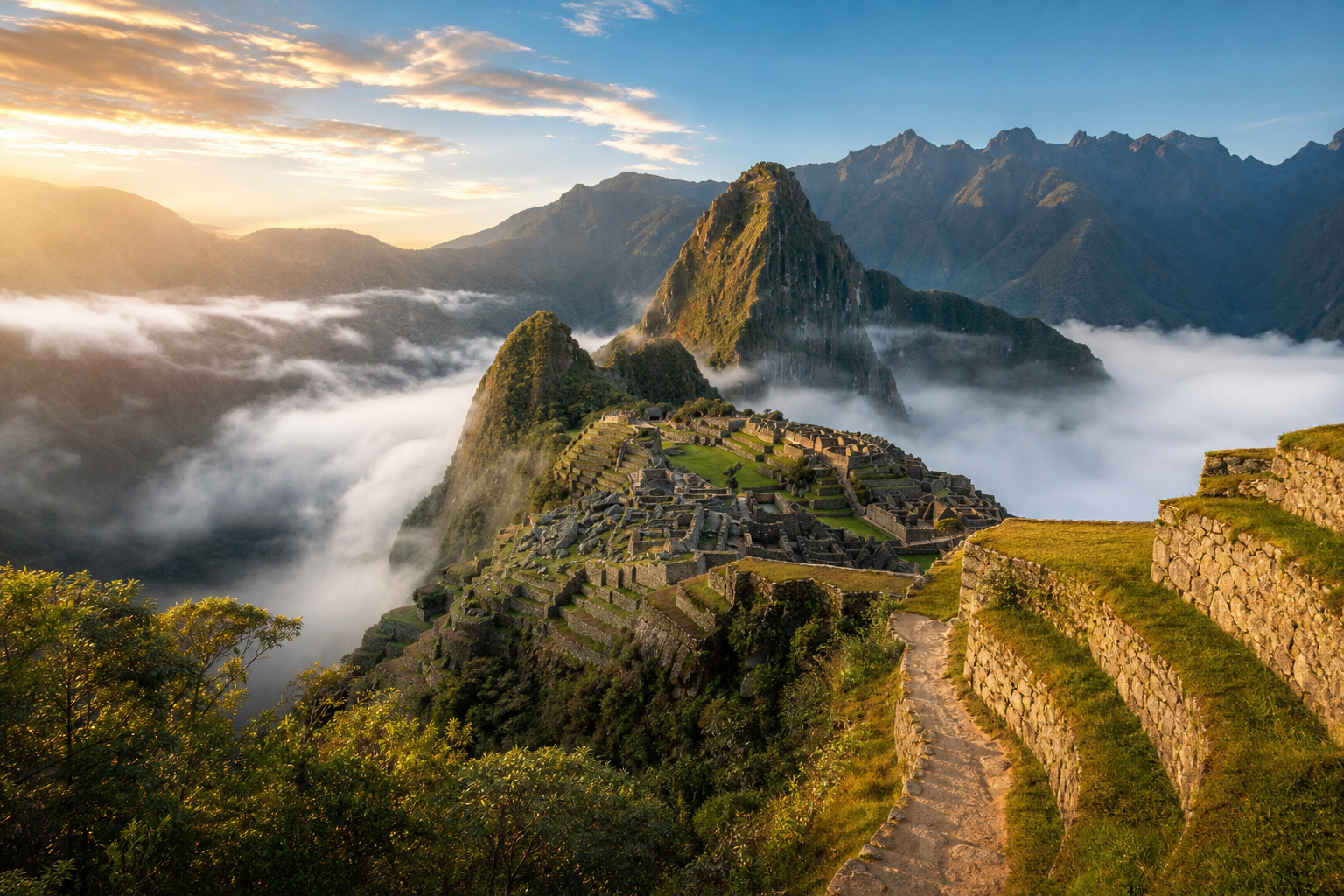
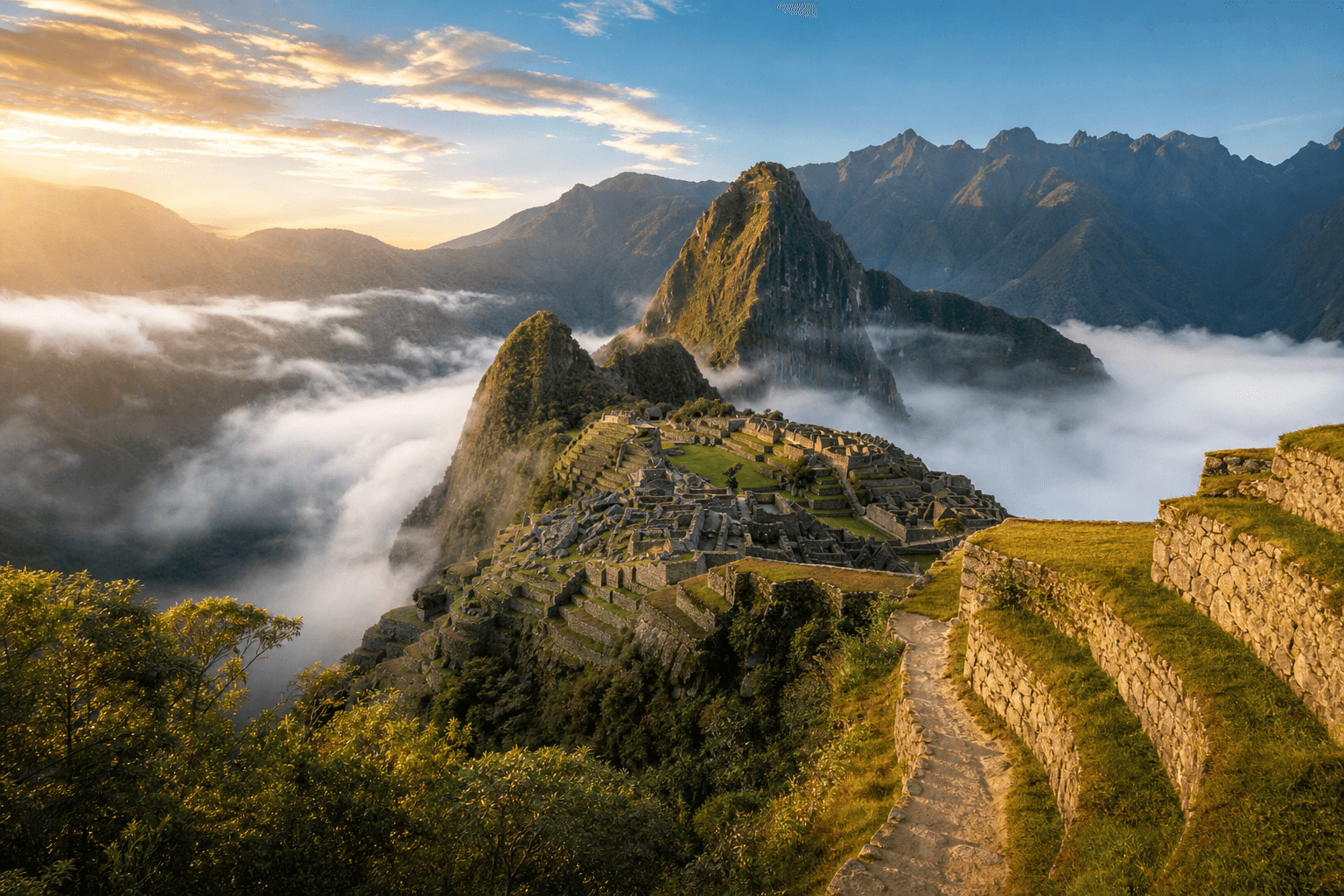
The Classic Inca Trail is Peru's most famous trek — four days of stone paths, cloud-forest ruins and a sunrise finish at Machu Picchu. Lee hiked it on an earlier Peru trip (before later high-altitude climbs like Kilimanjaro) and still rates Dead Woman's Pass as the altitude gut-check that sticks in memory.


What is the Classic Inca Trail?
The regulated 4-day / 3-night route runs roughly 43 km (26 miles) from KM 82 (Piscacucho) on the Urubamba River to Inti Punku (Sun Gate) above Machu Picchu. You cannot hike it independently — permits are required, tied to licensed operators and porter welfare rules.
| Stat | Typical figure |
|---|---|
| Distance | ~43 km over 4 days |
| Highest point | Warmiwañusca (Dead Woman's Pass) ~4,215 m |
| Style | Guided camping with porters |
| Finish | Machu Picchu via Sun Gate (day 4) |
| Permits | Limited daily; book months ahead via licensed operator |
Permits and licensed operators
The Classic Inca Trail is not a walk-up route. Peru's Ministry of Culture issues a fixed daily quota (historically 500 people per day, including guides and porters in that headcount). Permits are sold only through licensed tour agencies — you cannot buy a personal permit and hike independently.
That makes your operator choice the most important booking decision on this trek. Price matters less than: permit confirmation in your exact passport name, porter welfare standards, group size and what is actually included in the package.
How permits actually work (through your operator)
You will never buy a Classic Inca Trail permit yourself on a government website. Peru's Ministry of Culture allocates a fixed daily quota (historically 500 people per day on the trail — including guides, cooks and porters in that headcount). Licensed tour agencies purchase spaces in the official reservation system; your job is to pick a good operator and give them passport-perfect details.
| Step | Who does it | What happens |
|---|---|---|
| 1. Shortlist operators | You | Compare permit confirmation policy, porter welfare, group size and inclusions — not just sticker price |
| 2. Hold dates + deposit | You → operator | Pay a deposit only after they confirm space exists for your start week |
| 3. Permit purchase | Operator → government system | Agency buys trail spaces tied to your passport name and trek start date |
| 4. Written confirmation | Operator → you | Email showing your name, passport number and Day 1 start date — screenshot this |
| 5. KM 82 check | Park staff | Ranger compares your physical passport to the permit list — typos = no hike |
| 6. Machu Picchu entry | Operator (usually) | Separate timed circuit ticket for the citadel — confirm circuit and entry window in writing |
What you cannot do:
- Hike the Classic route independently — no personal permit exists for self-guided trekking
- Switch operators after they bought your permit — the slot is locked to that agency and date
- "Bring your own permit" on a different company's trek — the government list is operator-specific
- Assume Salkantay, Lares or a train-only Machu Picchu visit uses the same permit — different systems entirely
Official background: Ministry of Culture — Machu Picchu · Peru tourism
Deposits, balances and cancellations
Operators almost always take a deposit to secure your permit window, then the balance closer to departure. Policies vary wildly — get these in email before you pay:
| Topic | Ask your operator |
|---|---|
| Deposit refund | If they fail to secure your permit, is the deposit fully refunded? |
| Date changes | Can you move start dates if permits are sold out for your week? |
| Passport renewal | If you renew your passport after booking, will they update the permit list? |
| Included tickets | Does the package include Machu Picchu circuit, Aguas Calientes hotel and return train — or are those extras? |
Cheapest packages sometimes omit Machu Picchu entry or train segments — then you are scrambling in Aguas Calientes with sold-out circuits.
Booking workflow — do this in order
| Step | Action |
|---|---|
| 1 | Shortlist 2–3 licensed operators (see checklist below). |
| 2 | Confirm permit availability for your exact dates before flights. |
| 3 | Pay deposit only after written permit confirmation (name, passport number, start date). |
| 4 | Book Cusco acclimatisation nights (2–3 minimum). |
| 5 | Buy international flights once permit + operator are locked. |
| 6 | Reconfirm Machu Picchu entry circuit, train times and Aguas Calientes hotel one month out. |
Reverse steps 5 and 1 and you will find the forum threads about sold-out June departures.
Choosing a licensed operator
Not all agencies are equal. Before you pay a deposit, ask directly (email beats chat widgets — you want a paper trail):
| Question | Why it matters |
|---|---|
| Permit confirmation in writing? | Must show your passport name and trek start date — not "we'll apply later". |
| Porter welfare policy? | Weight limits, meals, sleeping gear, insurance — ethical operators publish this. |
| Maximum group size? | Smaller groups move faster on Day 2; large groups queue on narrow stone steps. |
| What's included? | Sleeping bag rental, mattress, poles, Machu Picchu ticket, Aguas Calientes hotel, return train. |
| Duffel weight limit? | Usually 7 kg personal porter load — overweight fees add up. |
| Tip guidelines? | Pool for cook, porters, guide — ask for a USD cash range before you leave home. |
| Weather / illness contingency? | What happens if you cannot keep pace on Dead Woman's Pass? |
| Machu Picchu circuit | Operators should align your timed entry with the Sun Gate arrival — verify circuit (often Circuit 2 for classic citadel access). |
Red flags: prices far below market with no porter policy; refusal to put permit details in writing; pressure to pay full balance before permit confirmation; vague answers about what's included in "all-inclusive" packages.
Cheapest is rarely best when porters carry your comfort. Budget operators cut food weight and camp setup — you feel that above 4,000 m.
More line-item detail: Cost guide · Accommodation (camping + Cusco/Aguas Calientes nights).
Day-by-day snapshot
| Day | Route highlight | Altitude note |
|---|---|---|
| 1 | KM 82 → Wayllabamba | Gentle warm-up along the river |
| 2 | Over Dead Woman's Pass → Pacaymayo | Hardest day — long climb to ~4,215 m |
| 3 | Ruins (Runkurakay, Sayacmarca) → Wiñay Wayna | Scenic, lots of steps |
| 4 | Pre-dawn to Sun Gate → Machu Picchu | Short hiking, big payoff |
Full stage detail: Itinerary hub
Altitude and acclimatisation
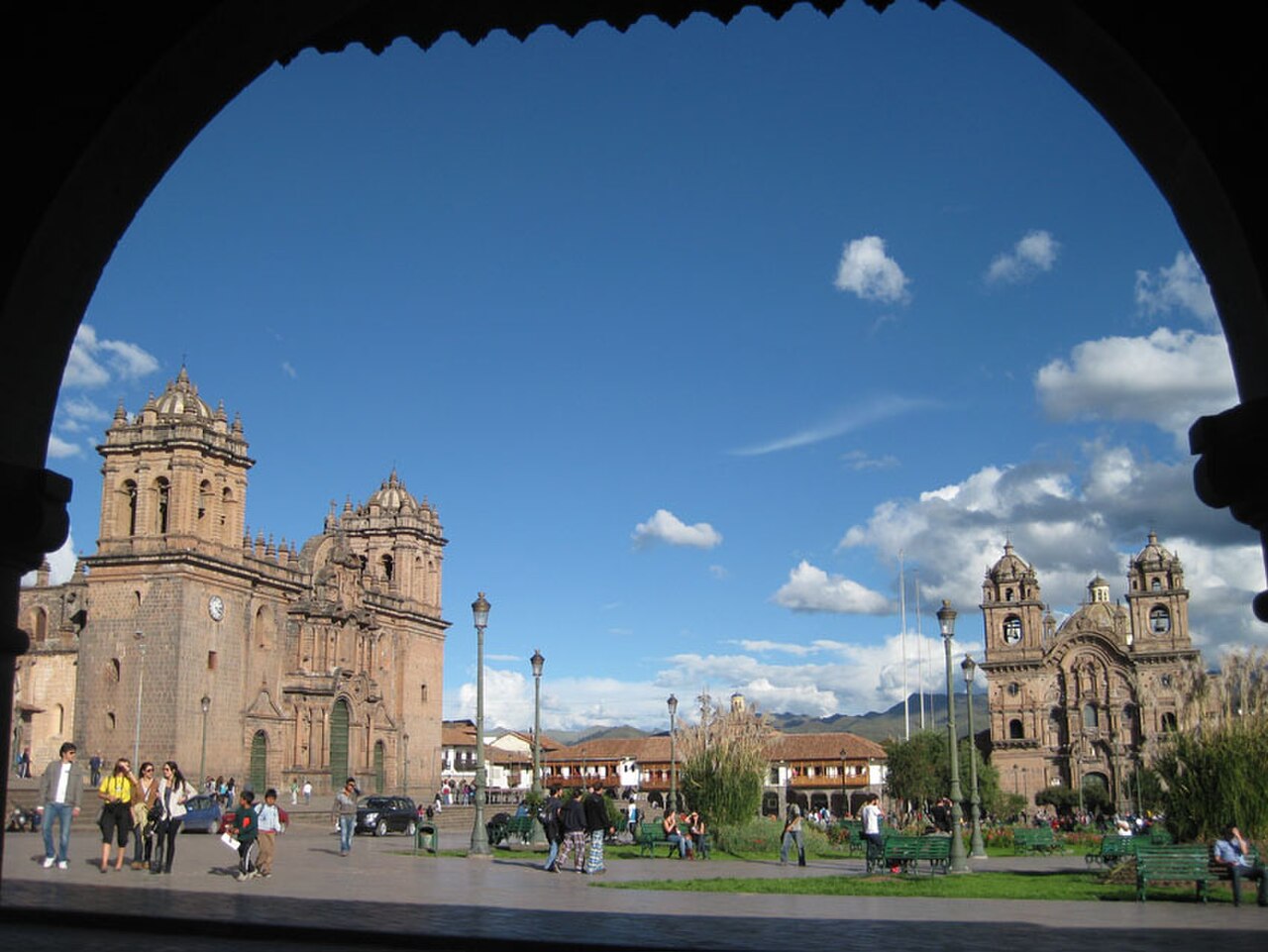
Cusco sits at 3,400 m. Spend at least 2–3 days acclimatising before the trek — light walks, hydration, coca tea. Lee later compared Inca Trail altitudes to Lava Tower on Kilimanjaro (~4,600 m); the Inca Trail spreads the gain over days, which helps, but Day 2 is still brutal.
Optional warm-up: Rainbow Mountain day hike — only if you're already acclimatised; don't stack it on arrival day.
Camping and support team
Expect tent camping every night. Porters carry group gear, food and often your duffel (weight limits apply — typically 7 kg personal porter load). You carry a daypack with water, layers and rain gear.
Meals are cooked by the team — surprisingly good considering the terrain. More: Food guide
Fitness and difficulty
Not technical climbing, but thousands of stone steps, long ascents and thin air make it challenging. Trekking poles help knees on descent. Rain gear is non-negotiable in cloud forest.
Honest breakdown: Difficulty guide
Budget overview
Guided Inca Trail packages commonly run $600–1,200+ USD depending on group size, porter treatment and hotel tiers in Cusco/Aguas Calientes. See Cost guide and model numbers in the Trek Cost Calculator.
Packing essentials
- Broken-in waterproof hiking boots
- Trekking poles
- Layers for cold nights and warm days
- Rain jacket + pack liner
- Headlamp for day 4 pre-dawn start
- Sleeping bag (often rented from operator — confirm rating)
Full list: Packing list
Getting there
Fly to Cusco (CUZ) via Lima, acclimatise, then your operator handles train/bus to KM 82 on day 1. Details: Getting there
Navigation and route
The Classic route is well defined — your guide sets pace and explains ruins. Offline maps are backup only. Navigation hub
Many Peru itineraries: Cusco acclimatisation → Rainbow Mountain day hike → Inca Trail. Lee planned that rhythm — allow rest days and don't underestimate altitude stacking.
Dead Woman's Pass (Day 2 crux)
Warmiwañusca (Dead Woman's Pass) is the mental benchmark. You climb stone steps for hours, stop for breath every few minutes above 3,800 m, then descend into Pacaymayo in afternoon weather that can flip from sun to horizontal rain.
Lee's comparison point: it felt similar in effort to Lava Tower on Kilimanjaro (~4,600 m) — not because the Inca Trail is higher, but because steps never end and you can't switch off your brain on uneven stone.
Trekking poles are not optional for most hikers on the descent. Break them in before Peru. Full fitness breakdown: difficulty guide.
Porters, duffels and tipping
Classic Inca Trail logistics:
- You carry a daypack (water, layers, snacks, rain gear)
- Porters take a duffel — usually 7 kg limit; weigh at the briefing
- Tips are pooled for cooks, porters and guides at the end — ask your operator for a USD cash guideline before you leave home
Pack the duffel like a lazy person won't re-open it until camp: dry socks, camp shoes, sleeping bag, everything in waterproof liners.
Machu Picchu and Aguas Calientes
Day 4 is short hiking but long logistics:
- Pre-dawn start to reach Inti Punku (Sun Gate) for first light
- Descend to Machu Picchu — your operator usually handles entry time slots
- Many itineraries include one night in Aguas Calientes after the trek; book this through the same operator to keep permits aligned
- The return train to Ollantaytambo is a separate bottleneck — confirm departure before you celebrate at the ruins
You do not need to be the first bus up the mountain if you already hiked in via the Sun Gate — but you do need to know your timed entry window.
Cusco acclimatisation rhythm
Fly to Cusco (3,400 m) and assume your first day is slow.
Lee's workable pattern:
| Day | Activity |
|---|---|
| Arrival | Rest, hydrate, light food — no alcohol |
| Day 2 | City walk, Sacsayhuamán viewpoint, early bed |
| Day 3 | Optional Rainbow Mountain only if already feeling strong — separate guide |
| Day 4+ | Operator briefing; transfer toward KM 82 |
Two full days in Cusco before the trek is a minimum; three is better if you're coming from sea level.
Permit calendar and seasons
Inca Trail permits are capped daily (guides and porters count toward the quota). They sell through licensed operators only — see Permits and licensed operators above for the booking workflow.
| Season | Weather | Booking lead time |
|---|---|---|
| May–Sep (dry) | Clearest skies; cold nights | 4–6 months for peak weeks |
| Apr / Oct | Shoulder — rain possible | 2–4 months |
| Nov–Mar (wet) | Mud, cloud forest mist, fewer crowds | Often easier to find space — pack serious rain kit |
February is typically closed for maintenance — confirm with your operator before you lock annual leave.
Book the operator first, get written permit confirmation, then buy flights. Reverse that order and you'll join the forum threads about sold-out June departures.
Track official timing on the 2027 booking calendar — permits are operator-held; Peru has not published a 2027 schedule yet.
Camp life on the trail
Three nights of tented camping with a cook team sounds romantic until Day 2 thighs scream on the tent zipper.
What to expect:
- Tents pitched when you arrive — porters race ahead; you walk with a daypack only
- Dining tent for dinner briefings — this is where your guide explains tomorrow's pass and start time
- Toilet tents at campsites — bring hand sanitiser and headlamp for night visits
- Cold mornings above 3,500 m — pack a down jacket for breakfast, not just summit day
Evenings are early. Use them to dry socks, tape hot spots and charge devices if your operator runs a solar setup — don't expect wall plugs until Aguas Calientes.
Permit and operator FAQ
Common questions
Frequently asked questions
Straight answers on fit, features, and buying — open a question to read more.
No. The Classic 4-day route from KM 82 is not open to independent hikers. Permits are issued only to licensed tour agencies, who purchase spaces in the government system and assign them to your passport. You book the operator; the operator books the permit.
Ask for written confirmation showing your full name, passport number and trek start date before you pay a large balance or buy flights. Vague "we'll apply when sales open" answers are a red flag. At KM 82, rangers check your physical passport against the operator's list — a typo blocks you even if you paid in full.
Yes. The historical 500-person daily cap includes guides, cooks and porters — not 500 tourists. That is why high-season spaces disappear fast and why ethical porter loads matter for everyone on the trail.
Not always. The trail permit and Machu Picchu citadel ticket are separate products. Confirm your operator includes a timed circuit entry aligned with your Sun Gate arrival — and whether Aguas Calientes hotel and return train are in the quoted price. See the cost guide for line items.
Slot guides — go deeper
This complete guide is the single Inca Trail hub — no second *-planning-guide slug. Use satellites for stage timing, USD line items and camping detail:
| Slot | Guide |
|---|---|
| Itinerary | Day-by-day stages |
| Cost | USD budget & deposits |
| Accommodation | Camping + Cusco/Aguas Calientes |
| Packing | Gear list |
| Getting there | Cusco & KM 82 transfers |
| Difficulty | Dead Woman's Pass fitness |
| Food | Cook-team meals |
| Navigation | Waymarks & pace |
Compare: Rainbow Mountain · Peru hub · 2027 booking calendar
Photo credits
Trail and Machu Picchu imagery from Wikimedia Commons (CC BY / CC BY-SA) where original photography is not shown.
Next guide
Inca Trail Itinerary: 4-Day Classic Route
Classic Inca Trail day-by-day itinerary — KM 82 to Machu Picchu, Dead Woman's Pass, Wiñay Wayna and sunrise at Sun Gate.