Best for
- Hut-to-hut water top-ups
- Lightweight filtering
Loading…
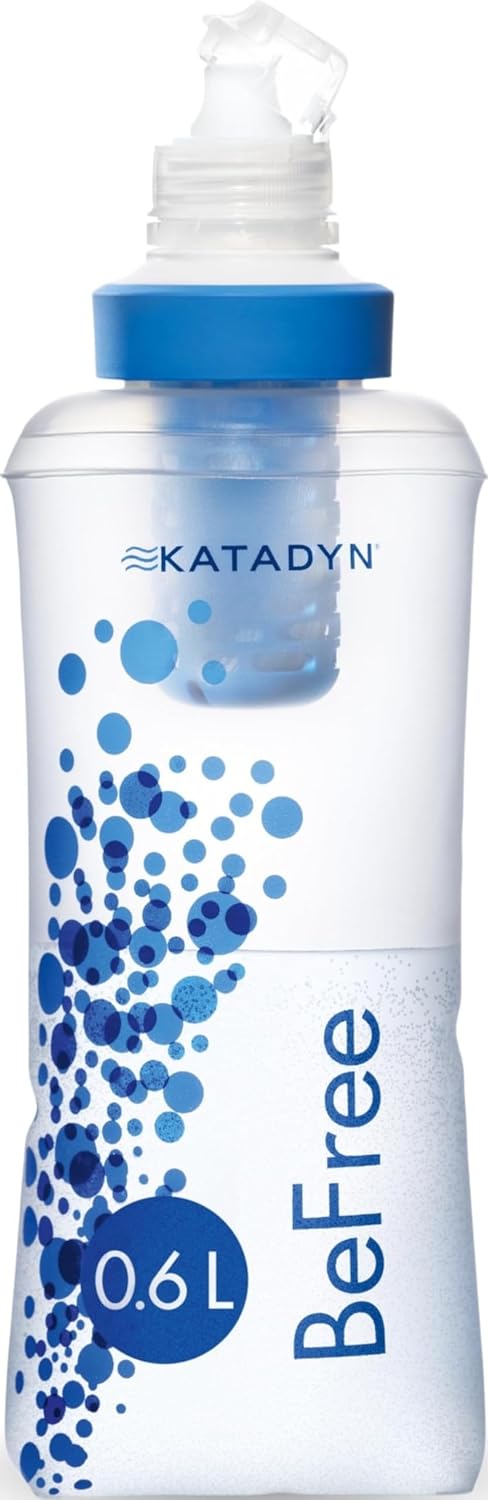
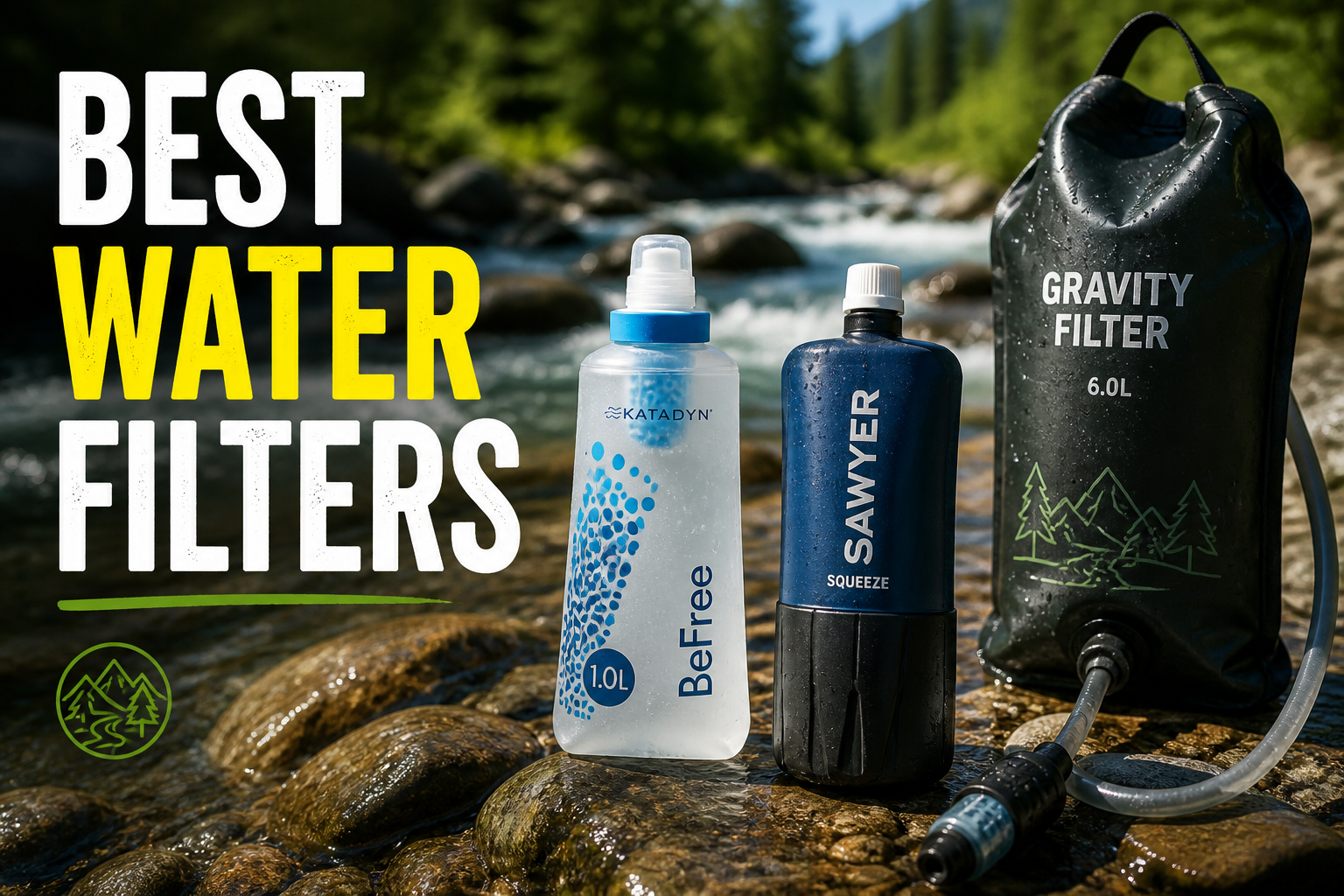
Katadyn · BeFree
Top pick
My filter bottle for hut-to-hut treks when water points are sparse between stops.
First-hand / trail-tested
Trail tested
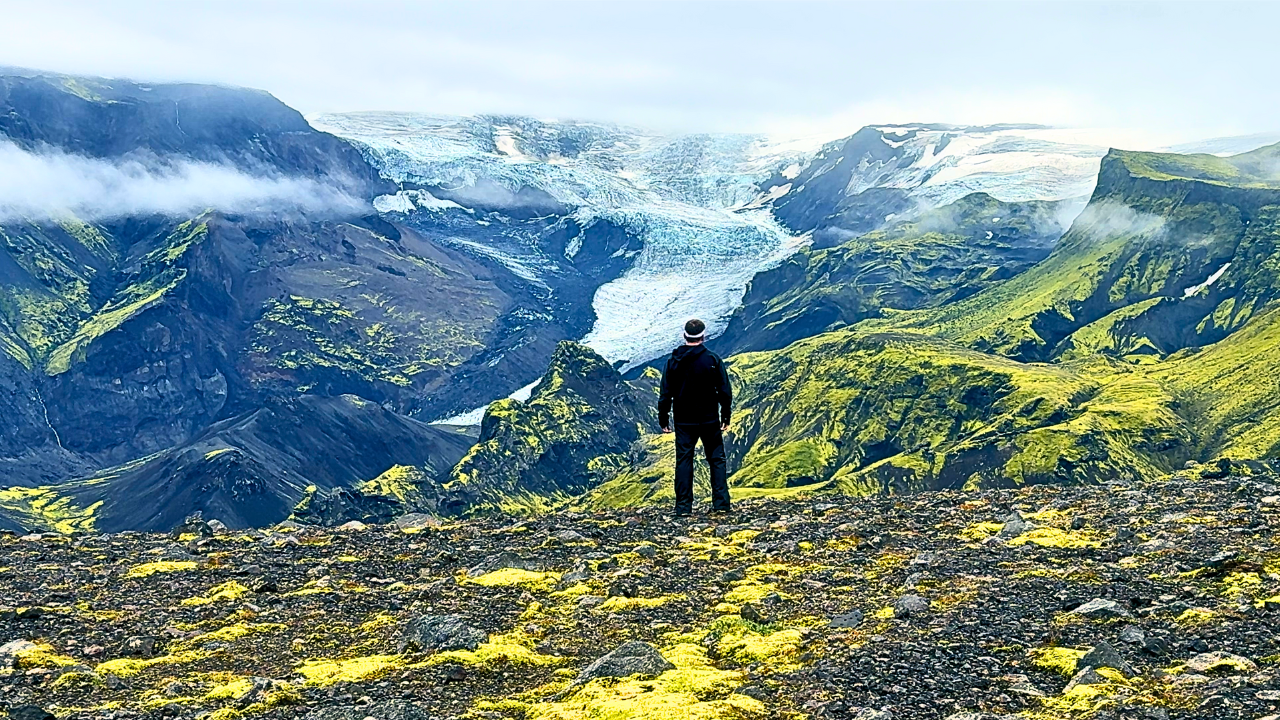
Used on: Alta Via 1 · Tour du Mont Blanc · Bernina Trek · Laugavegur · Skye Trail · Otter Trail
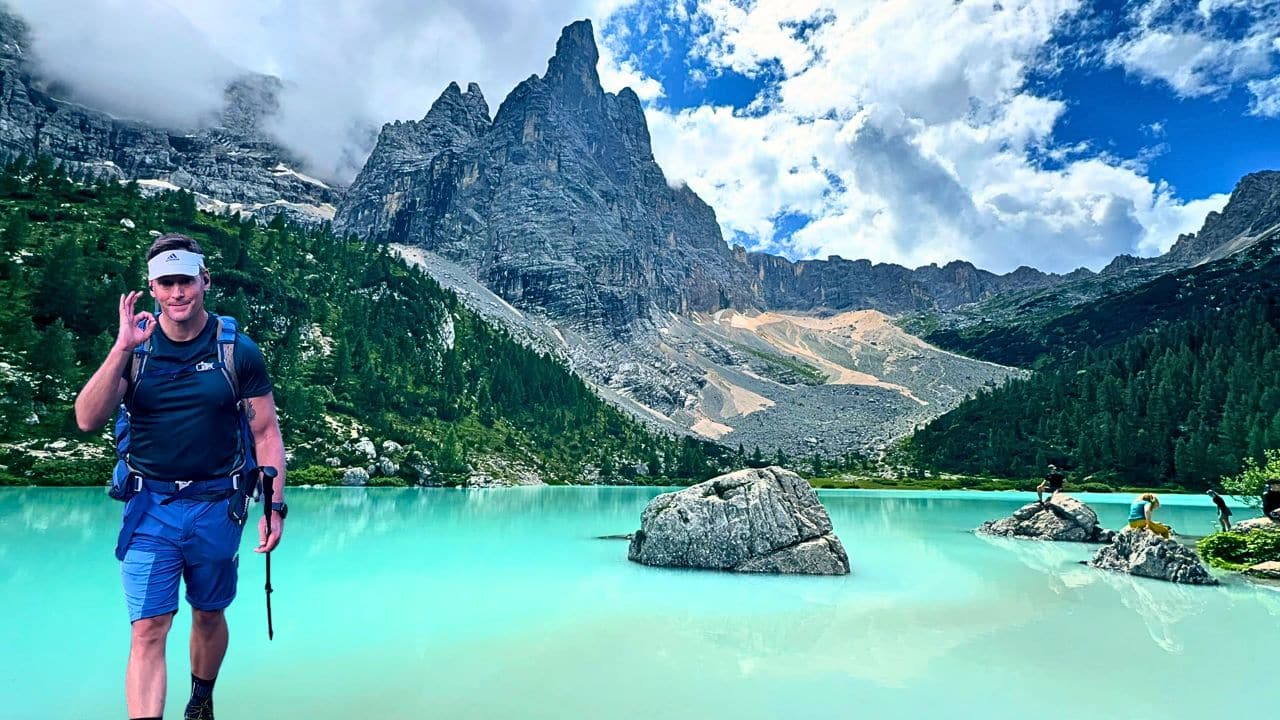
Carried as a 1 L soft bottle with built-in filter on Alta Via 1 alongside a hydration bladder.
Fit check
Quick read on where Katadyn BeFree shines — and where you should look elsewhere.
Full trail review
My filter bottle for hut-to-hut treks when water points are sparse between stops.
Suited for trekking · hiking · camping
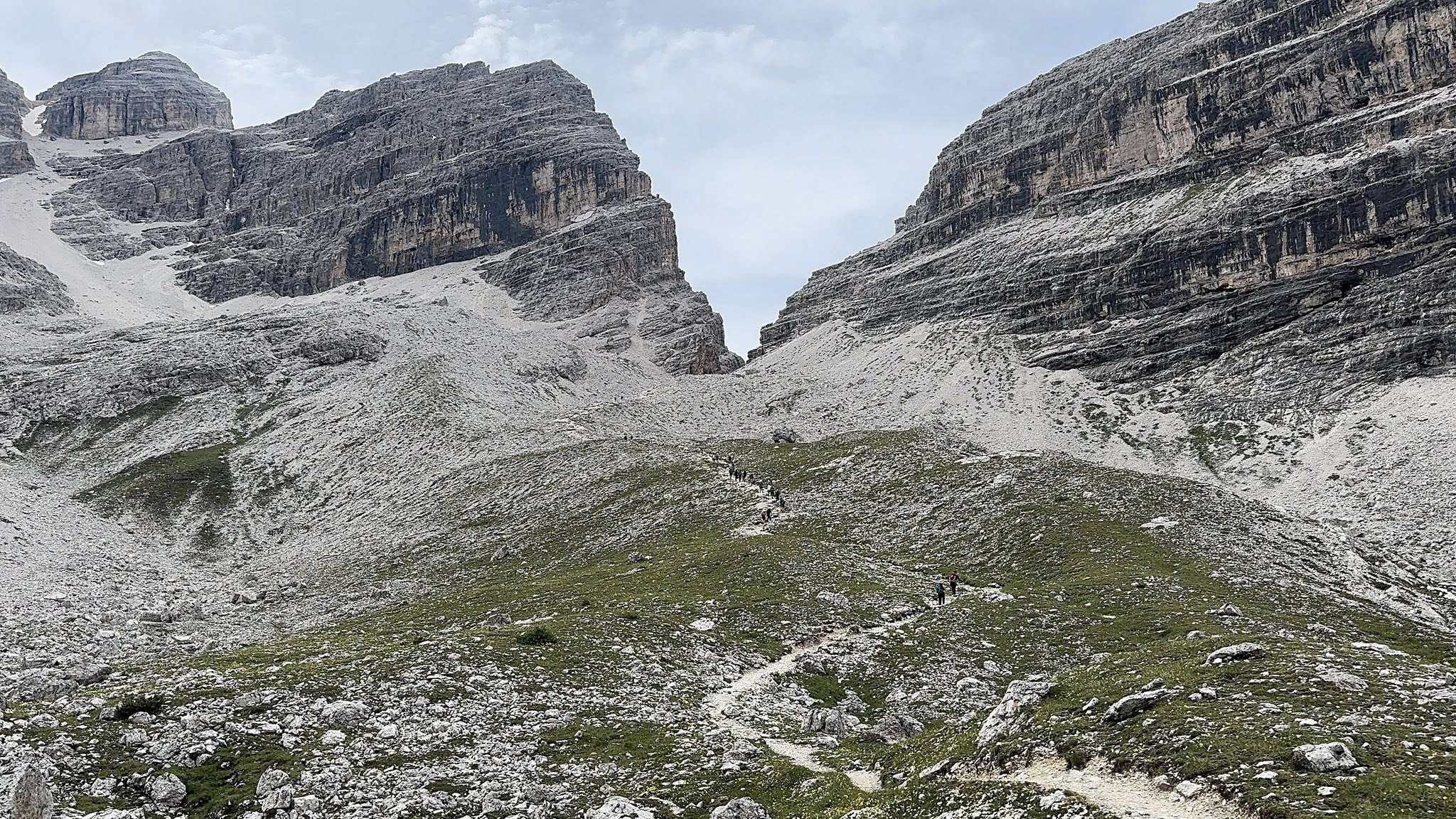
On trail
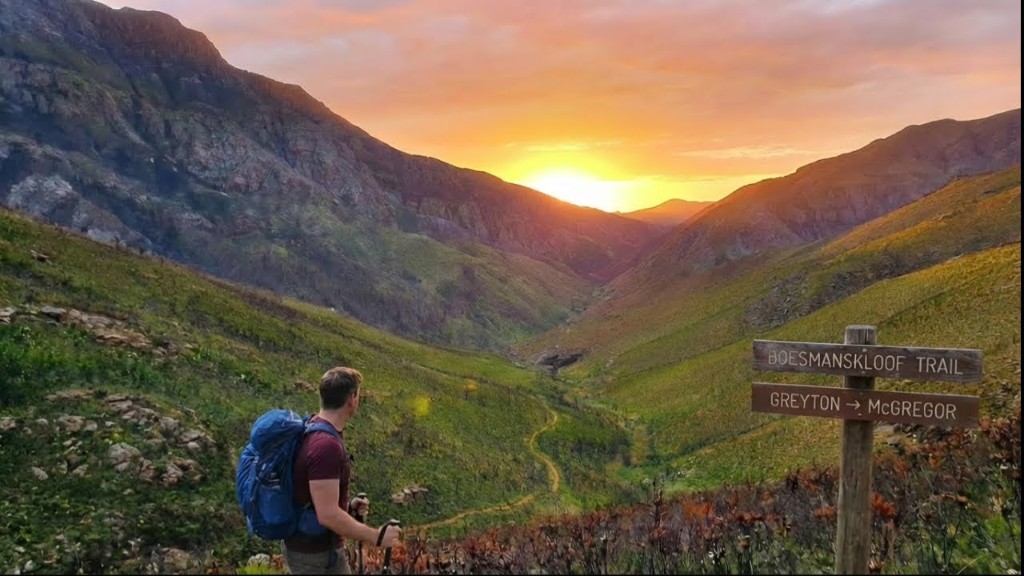
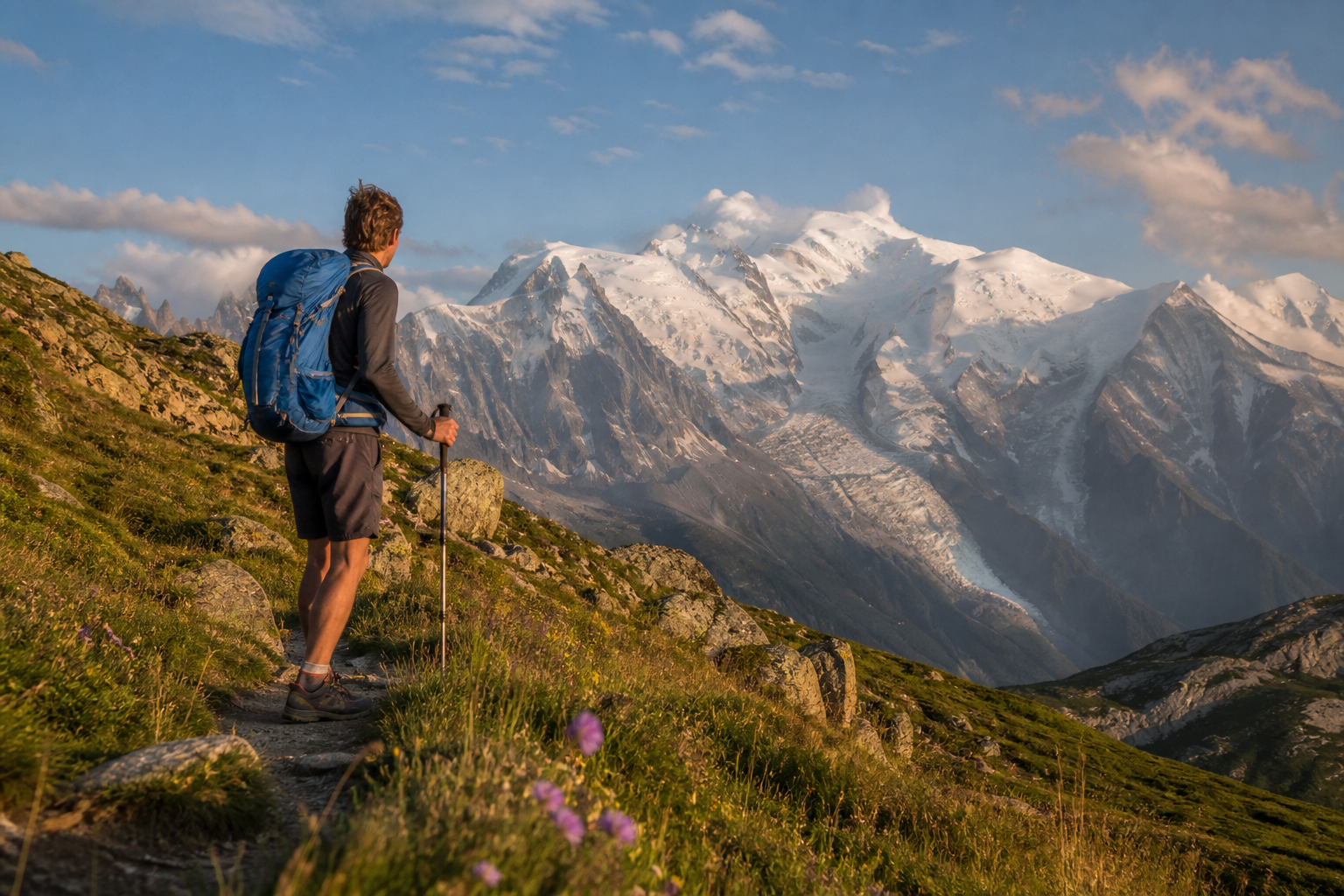
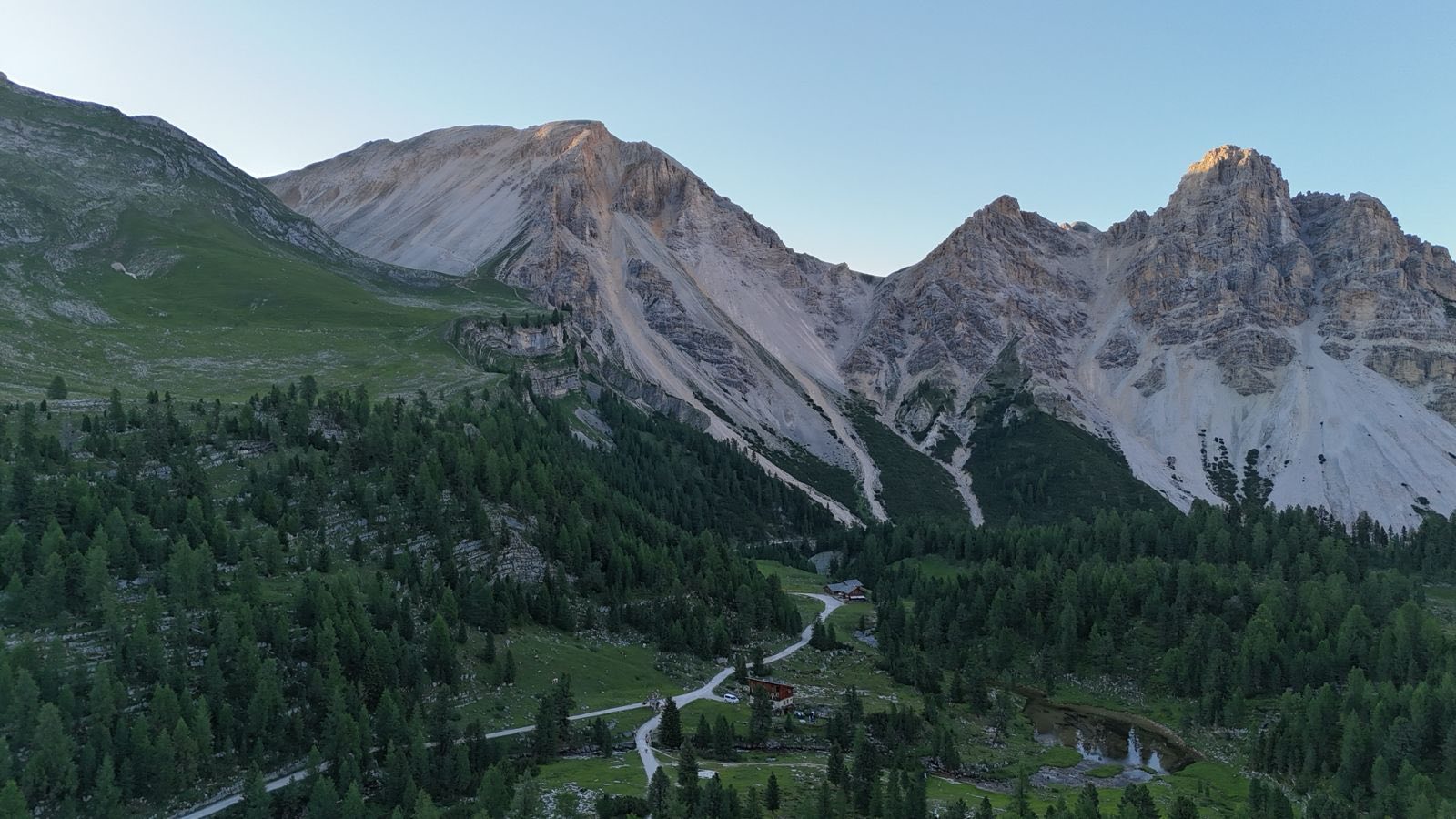
Water top-ups between rifugi on AV1
Katadyn BeFree
Katadyn
At a glance
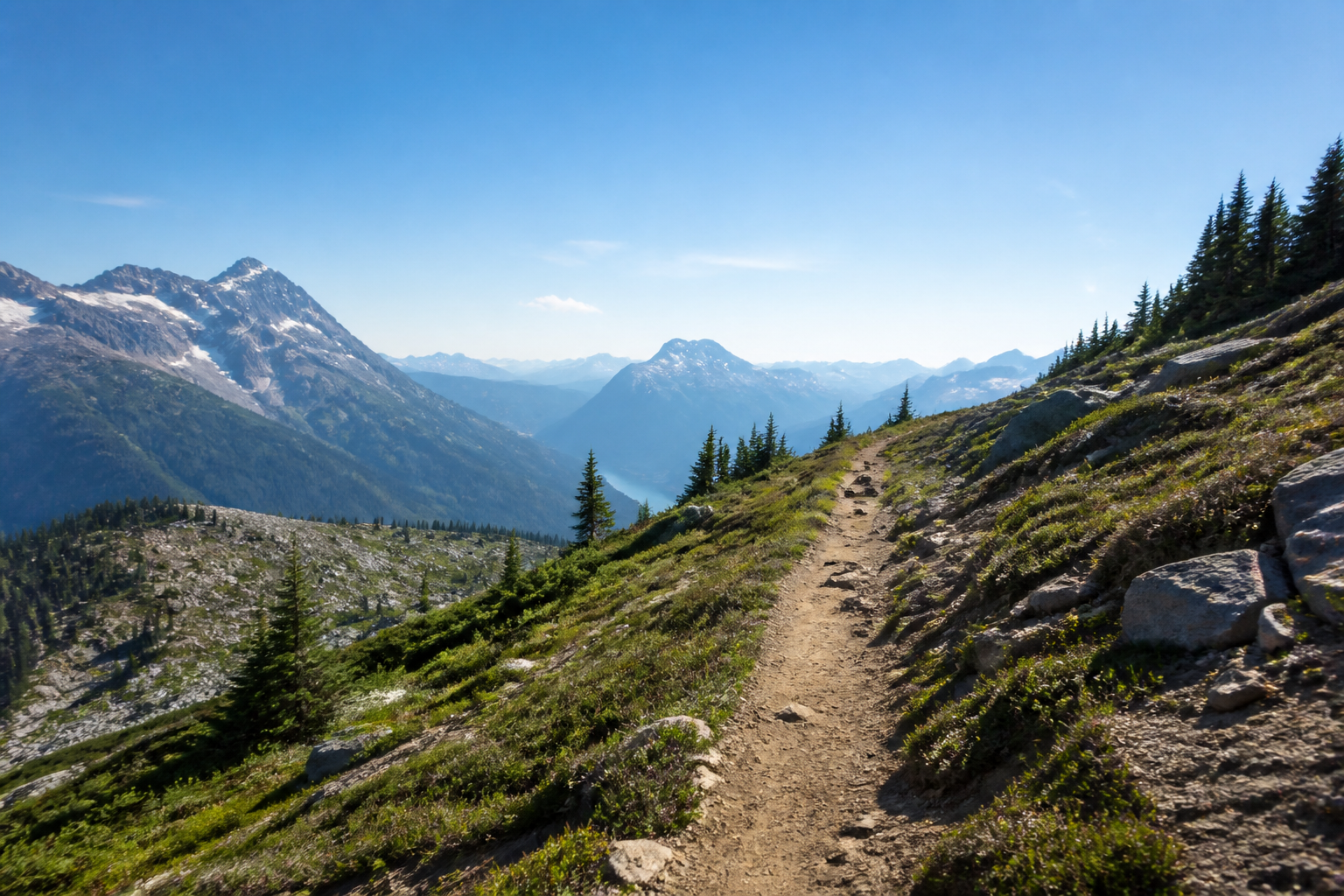
The Katadyn BeFree 1 L was in my pack on Alta Via 1 alongside a hydration bladder — top up at streams and rifugio taps without stopping to pump, filter into a separate bottle, or guess at water quality between huts.
On stages where water spacing was uneven it removed the low-level anxiety of running dry before the next rifugio. Dolomite routes mix reliable hut taps with long cols where you want confidence at a mountain stream — the BeFree handles both without breaking stride.
I squeezed while walking on easier trail sections and stopped for proper refills at obvious stream crossings. By mid-week the filter flow slowed slightly until I backflushed at a hut tap — maintenance is part of the workflow, not a surprise failure.
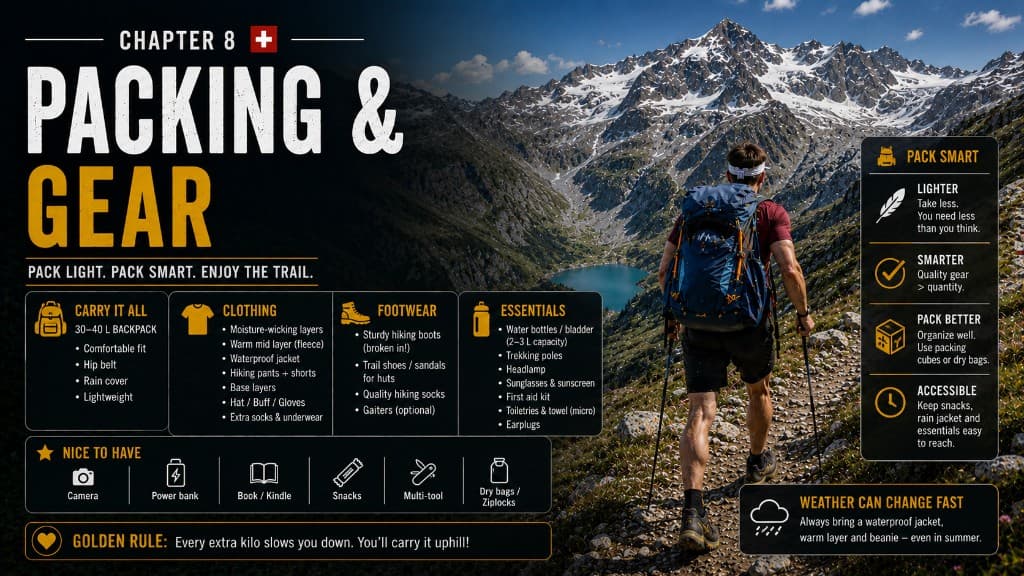
On AV1 I paired the BeFree with a 2 L bladder — filter at streams, sip from the hose while climbing, and refill both at rifugio taps when water was included.
$161.00indicative on Amazon
BeFree is faster and lighter for solo hut treks; pumps win for group camp kitchens and large volume.
Read full review$161.00indicative on Amazon
squeeze filter is immediate — no wait time at lunch stops when you are already tired.
Read full reviewSawyer is more modular for cooking water; BeFree's integrated bottle is simpler for on-the-go drinking while walking.
Read full reviewvsLifeStraw Peak Series Squeeze
$18.74indicative on Amazon
BeFree has stronger hut-trek track record and often faster sustained flow when maintained; LifeStraw wins on upfront price.
Read full reviewthe BeFree is cheap insurance against a trip-ending stomach issue.
Read full reviewThe Katadyn BeFree 1 L is the filter bottle I would pack again for hut-to-hut routes with variable water spacing — maintain the filter, carry a bladder backup, and drink confidently between rifugi on long Dolomite stages.
For solo hut treks with variable water spacing, this stays on my permanent packing list alongside map and shell.
Ready to buy?
Katadyn BeFree
Flow rate drops when the filter clogs — backflush regularly. Not a substitute for a group gravity filter on camping trips with fixed base camps.
Freezing can damage hollow-fibre filters — sleep with it in shoulder season cold, or protect in insulated pouch inside sleeping bag.
Does not remove viruses — fine for most European mountain streams; research destination if that matters.
Soft bottle can puncture if abused — do not use it as a crushing weight under heavy pack loads without protection.
Freezing ruins hollow fibre — in shoulder season, sleep with the filter or leave it in an insulated pouch inside your bag.
Ready to buy?
Katadyn BeFree
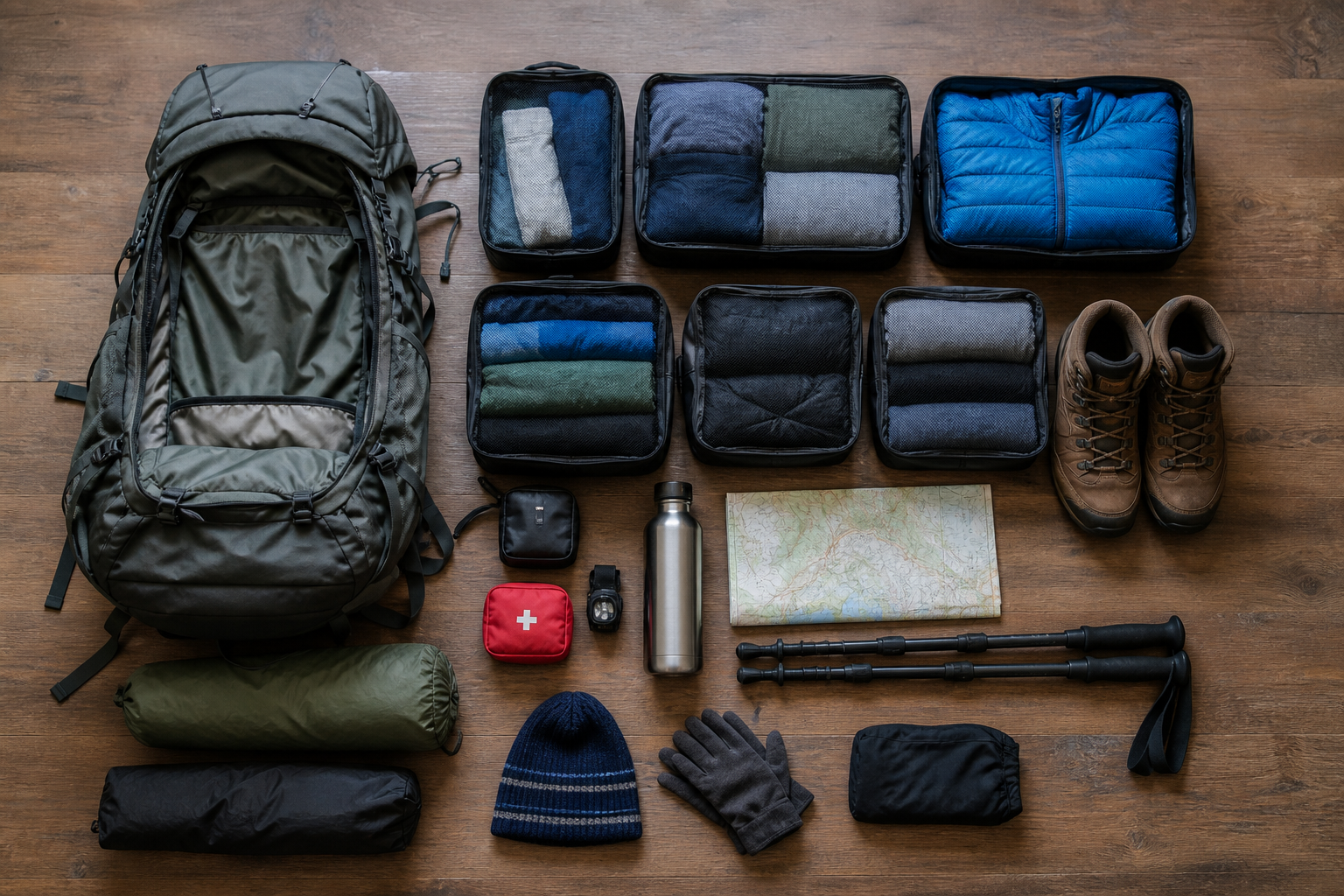
1 L soft bottle with integrated filter on Alta Via 1 alongside a hydration bladder. Squeeze through the filter, drink, refill when sources appear.
I still treated known safe hut taps as safe — the BeFree is for wild sources and uncertain points between stops. When a rifugio posted potable water, I filled the bladder directly and saved filter life for trail sources.
The flip cap is easier one-handed than screw-top bottles while holding poles — small detail that matters on long ascent days when you do not want to stop every twenty minutes.
Mark uncertain water sources on your map before departure — the BeFree removes guesswork but not the need to plan stage hydration.
Pair with a 2 L bladder for hot Dolomite days — BeFree handles refills, bladder handles steady sipping while climbing.
Some rifugi charge for water; budget cash and still carry capacity for self-sufficient stages. I marked stream waypoints on my map for long afternoon sections where hut timing was uncertain.
Keep the bottle accessible in a side pocket or hip belt pouch — buried filters do not get used. On AV1 I refilled whenever a good source appeared rather than gambling on the next stop.
Keep the bottle in a side pocket, not buried in the main compartment — filters only help when you actually use them at every source.
Fast flow when the filter is clean — slower after silty sources. Backflush regularly on trail; do not let it dry clogged with alpine silt.
Filter rating: 0.1 micron hollow fibre — bacteria and protozoa for typical European backcountry use.
Bottle capacity: 1 L soft flask — enough for a big refill at a stream before pushing to the next col.
Soft bottle packs flat when empty — useful on travel days and airport packing. Swirl and backflush at hut sinks when flow drops; aggressive shaking with clean water restores most performance without tools.
Backflush at hut sinks when flow slows; aggressive shake with clean water usually restores performance without tools.
On the trail
Trek packing lists and guides that recommend this gear (38).