Best Water Filters for Hiking & Trekking
Best water filters for hiking and trekking: picks tested on trail. Squeeze bottles and gravity kits compared for flow rate, cleaning and weight.
Last verified
Editor's shortlist
Top water filters picks
Hand-picked from real trail use and side-by-side comparisons — jump straight to the right model for your hike.
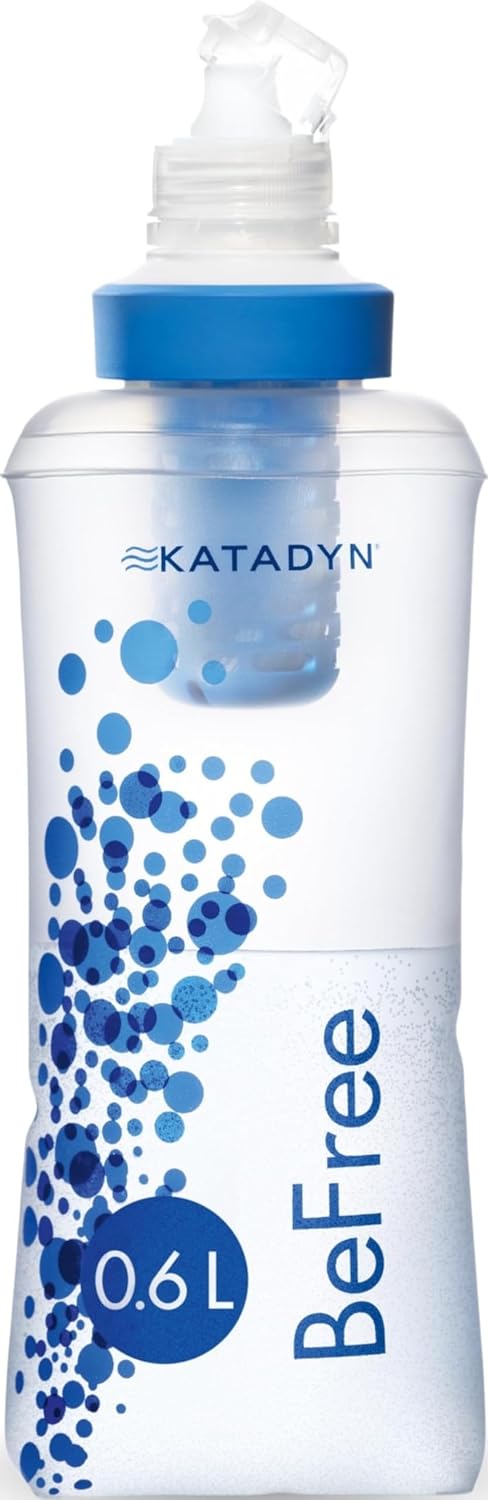
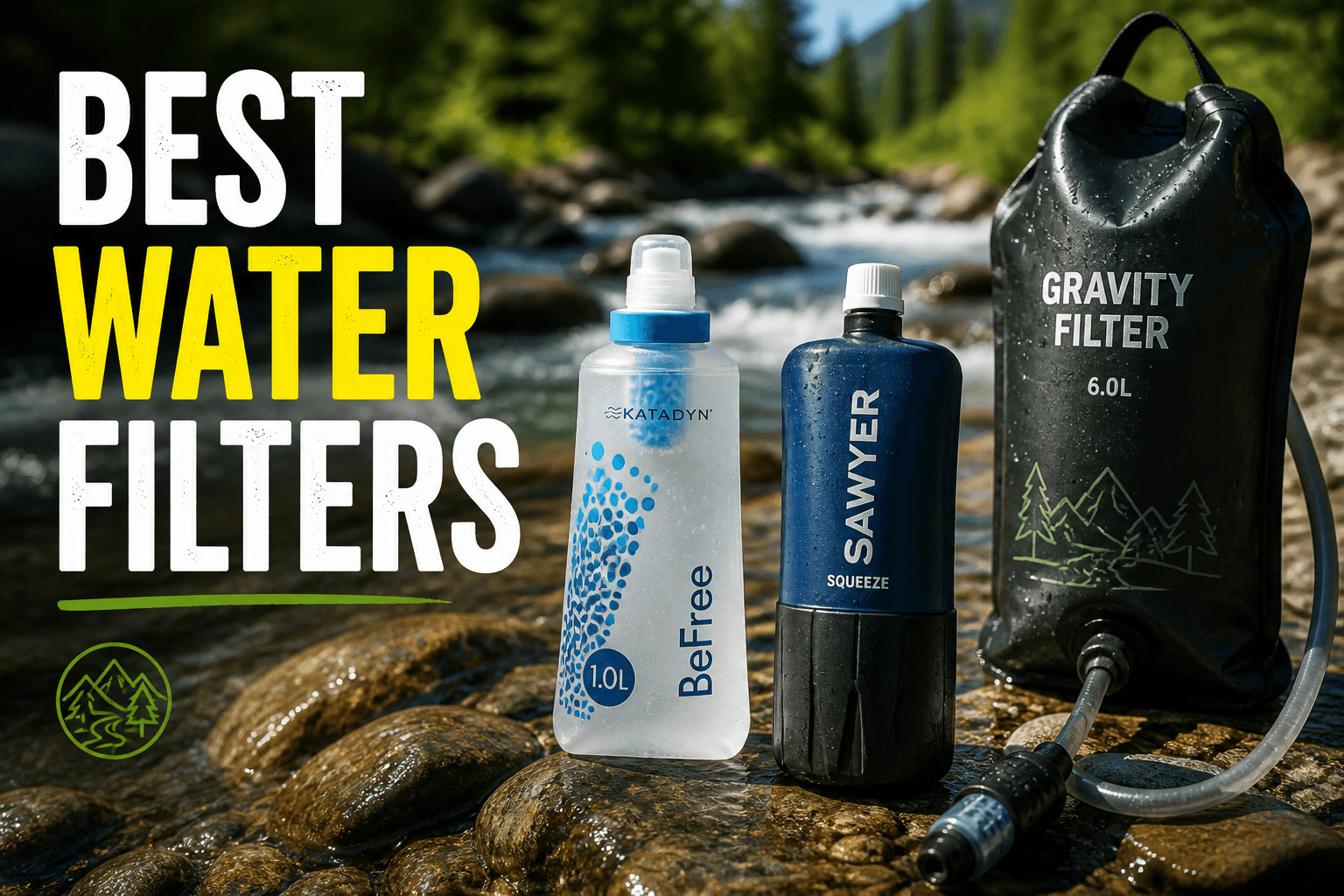
My filter bottle for hut-to-hut treks when water points are sparse between stops.
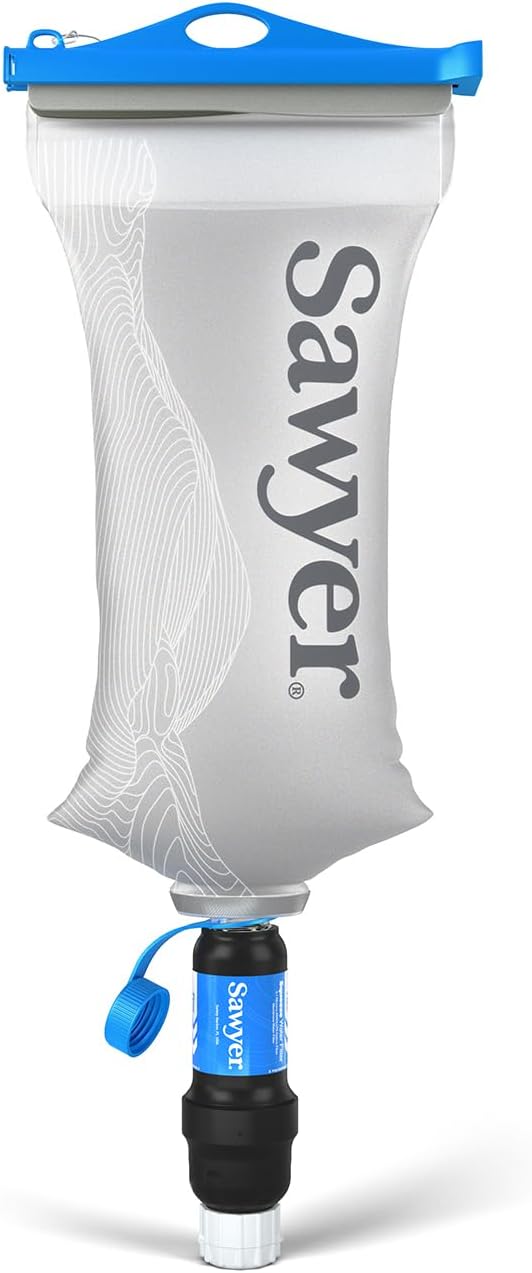
The thru-hiker standard for ultralight squeeze filtering — screw onto a bottle or pouch and backflush in the field.
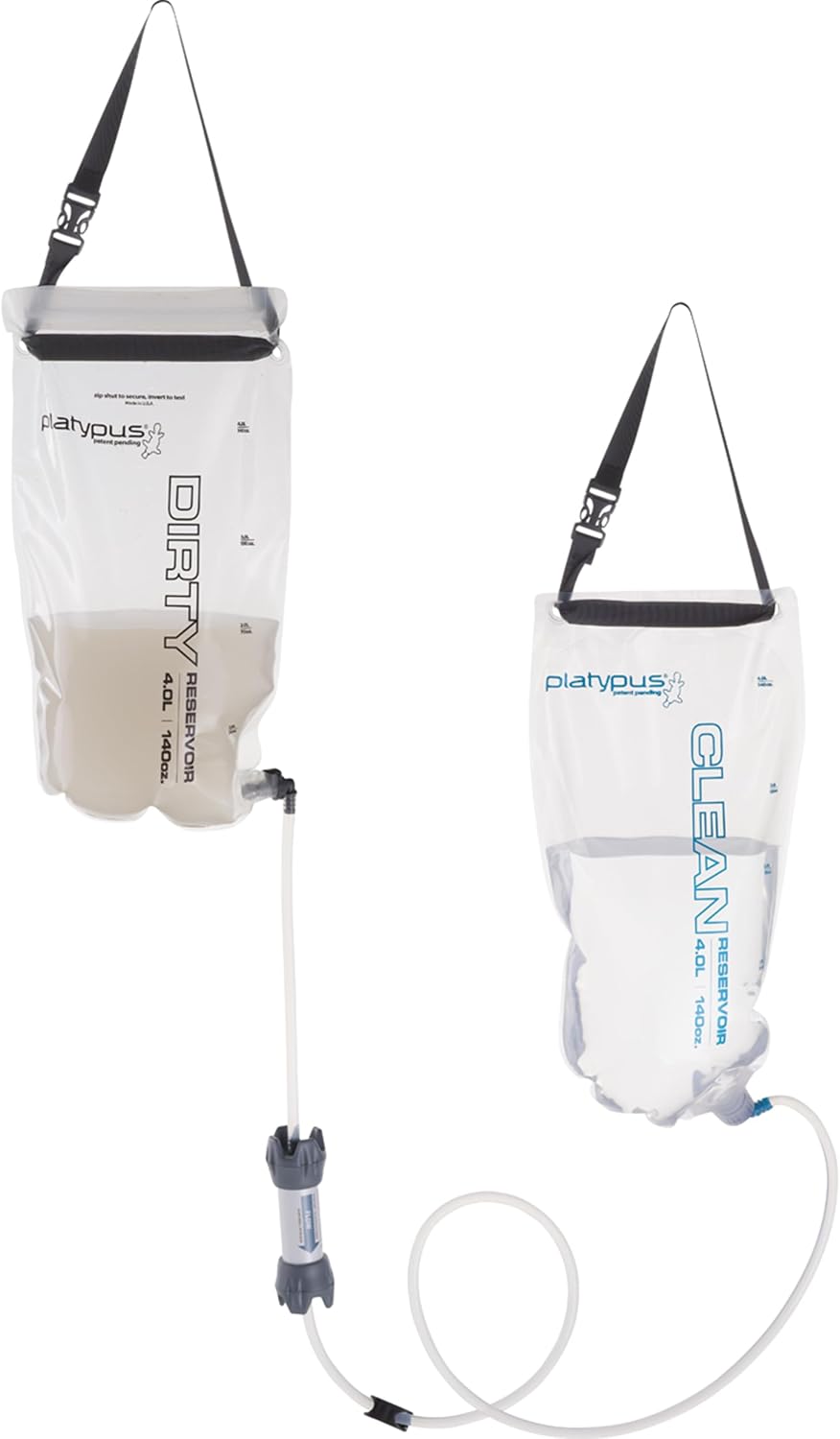
Hands-free gravity filtering for camp kitchens — let water run while you pitch tent or cook instead of squeezing every litre.
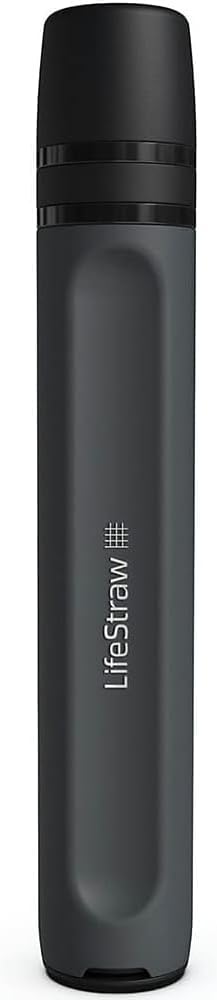
A collapsible filter bottle that undercuts premium squeeze systems while still filtering bacteria and parasites on day hikes and trail runs.
Compare at a glance
How the top water filters stack up
- Editor score
- 9/10
- Best for
- Hut-to-hut water top-ups
- Filter type
- —
- Weight
- 63 g
- Why it wins
- Fast top-ups between hut stops without pumping
- Trade-off
- Flow drops when the cartridge clogs — backflush regularly
- Experience
- Trail tested
- Editor score
- 8.8/10
- Best for
- Ultralight backpacking
- Filter type
- Hollow fibre squeeze
- Weight
- 85 g
- Why it wins
- Ultralight squeeze system pairs with standard bottles
- Trade-off
- You manage separate dirty and clean containers
- Experience
- Worth considering
- Editor score
- 8.6/10
- Best for
- Group camping
- Filter type
- Gravity hollow fibre
- Weight
- 309 g
- Why it wins
- Hands-free filtering while you camp chores
- Trade-off
- Heavier than squeeze or bottle filters
- Experience
- Worth considering
- Editor score
- 8.4/10
- Best for
- Budget filter bottle
- Filter type
- Collapsible squeeze bottle
- Weight
- 110 g
- Why it wins
- Collapsible bottle packs small when empty
- Trade-off
- Soft flask less durable than rigid bottles long-term
- Experience
- Worth considering
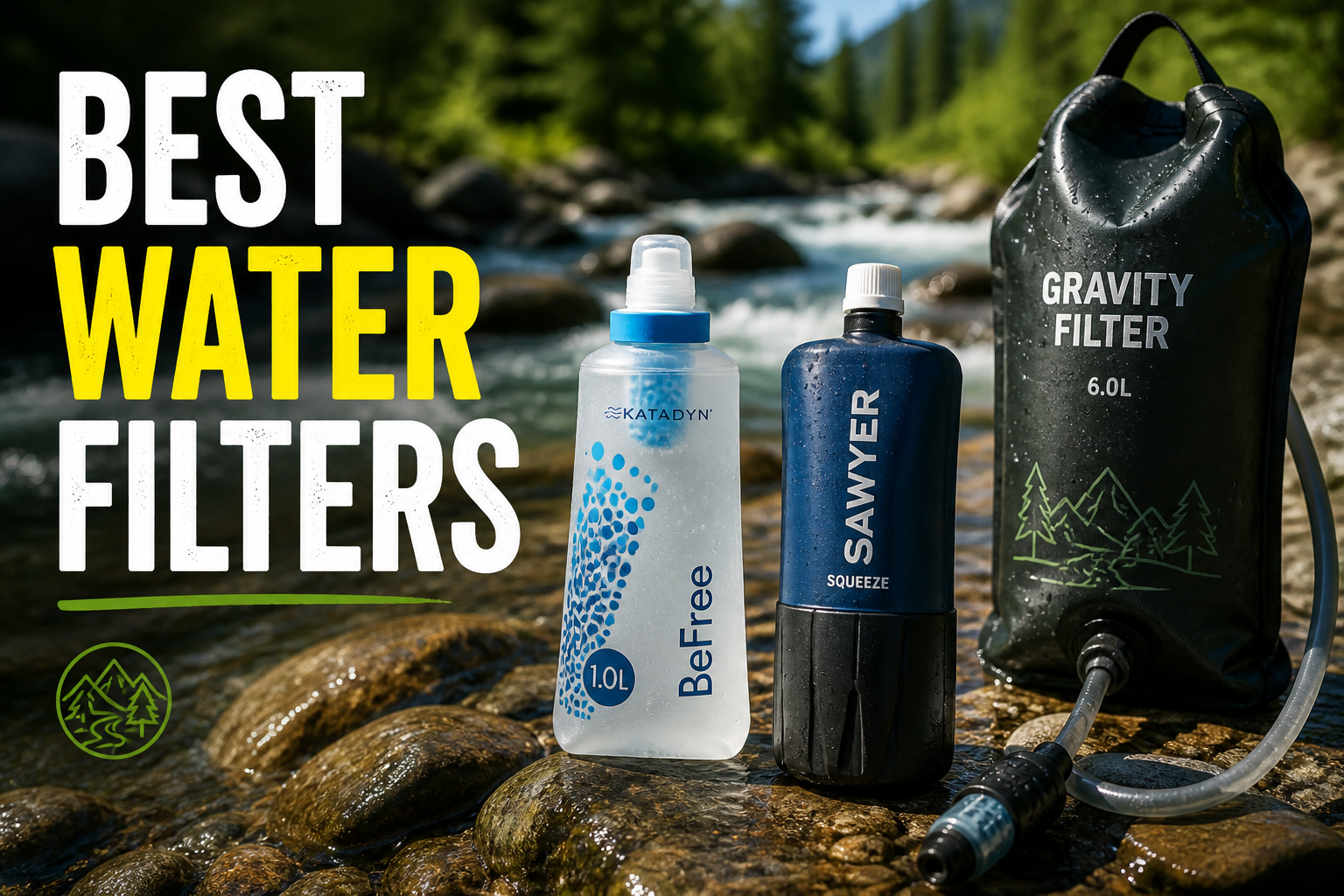
Clean water strategy changes by trip type: hut treks need top-ups between rifugi, day hikes may only need a bottle, and camping trips often need higher volume or group filters.
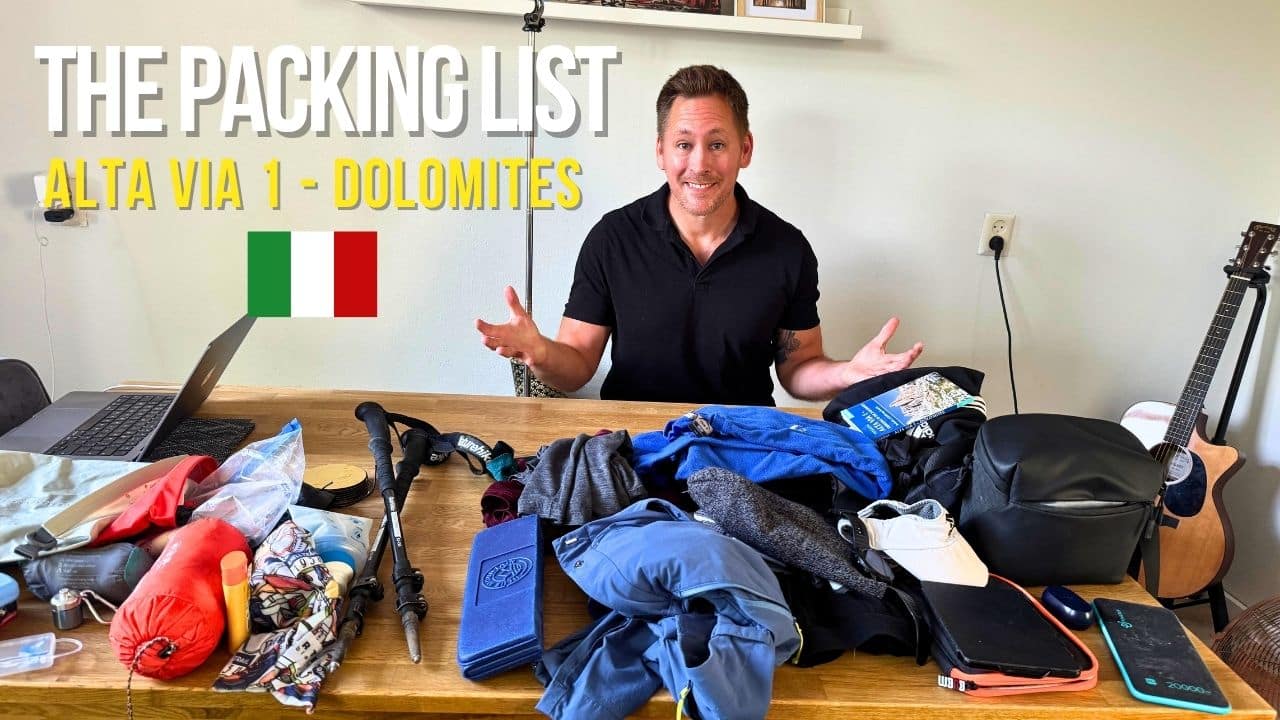
I carried a Katadyn BeFree 1 L on Alta Via 1 alongside a hydration bladder — here's how filter types compare for hiking, trekking, and camping.
Filter types compared
Backcountry water treatment falls into a few practical categories. This table compares how each type behaves on real trekking days — not lab specs.
| Filter type | Typical weight | Flow / speed | Best trip style | Weak point |
|---|---|---|---|---|
| Filter bottle (BeFree, LifeStraw Peak) | 63–110 g | Fast sip or squeeze | Hut treks, lunch-stop refills | Cartridge clogs; bottle wears out |
| Squeeze filter (Sawyer) | ~85 g filter only | Moderate squeeze effort | Ultralight backpacking, flexible volume | Dirty/clean bottle management |
| Gravity filter (GravityWorks) | ~309 g kit | High volume, hands-free | Group camping, base camp | Needs hang point; bulky in pack |
| Pump filter | 300–400+ g | Steady but tiring | Legacy choice; group base camp | Arm fatigue; slower than gravity |
| UV pen (not in catalog) | ~100 g | Instant per bottle | Clear water, virus concern regions | Battery; fails in turbid water |
| Chemical tablets | ~20 g | Slow (30 min+) | Emergency backup | Taste; no particle removal |
What filters remove: Catalog hollow-fibre and membrane filters here address bacteria and protozoa (Giardia, Cryptosporidium) — the risks on European alpine streams and most backcountry sources in trekking regions on this site. Viruses are uncommon in alpine hut regions but matter in some international destinations — check CDC and trek-specific guides before relying on filter alone.
Hollow fibre vs membrane: Both use physical filtration. Hollow-fibre cartridges (Sawyer, BeFree, GravityWorks) clog with silt and need backflushing. Membrane squeeze bottles (LifeStraw Peak) behave similarly in the field — maintenance rhythm matters more than marketing names.
The Best Water Filters: Product Reviews
1. Katadyn BeFree – Best Filter Bottle for Hut Treks
Katadyn BeFree
Trail notes from Alta Via 1: 1 L soft bottle with integrated filter. Fill at streams and hut taps, drink through the cap — no separate pumping stop. Backflush when flow slows.
At ~63 g it is the filter I actually carried between rifugi. Pair with a hydration bladder for steady sipping on climbs; use the BeFree when you hit a stream or tap between stops.
Reasons to buy
- Integrated bottle + filter — no separate dirty/clean juggling on the move
- Fast enough for lunch-stop refills on hut treks
- Packs small when empty
Reasons to avoid
- Flow drops when clogged — backflush regularly
- Not ideal for filtering litres for a group camp kitchen
2. Sawyer Squeeze – Best Ultralight Squeeze Filter
Sawyer Squeeze
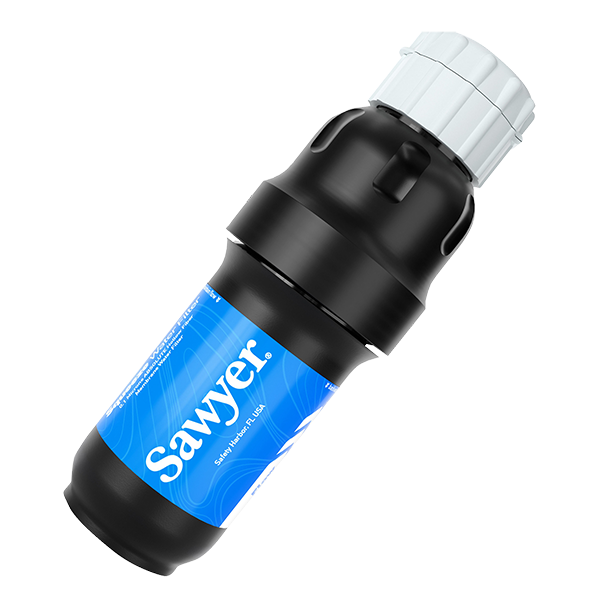
The Sawyer Squeeze is the default ultralight squeeze filter on long backpacking trips. Screw it onto the included pouch or a standard 28 mm bottle, squeeze dirty water through the 0.1 micron hollow-fibre cartridge, and decant into a clean vessel.
Weight: ~85 g (filter only)
It shines when you need flexible volume — filter into a cook pot at camp, top up a bladder, or run an inline setup on a hydration hose. Backflush with the syringe when alpine silt slows flow.
Reasons to buy
- Extremely light for the filter class
- Works with widely available disposable bottles
- Field-cleanable with long cartridge life when maintained
Reasons to avoid
- No integrated bottle — you manage dirty/clean containers
- Hollow fibre is vulnerable to freezing damage
3. Platypus GravityWorks 2.0L – Best for Group Camping
Platypus GravityWorks 2.0L
The Platypus GravityWorks 2.0L filters hands-free while you set up camp. Hang the dirty reservoir, connect the hollow-fibre cartridge, and collect clean water in the included Platy bottle at roughly 1.5 L/min.
Weight: ~309 g (complete kit)
Ideal for camping treks, base camps, and small groups filtering cook water and bottles at once. Less practical for moving lunch stops without a tree or trekking pole hang.
Reasons to buy
- High output without arm fatigue from squeezing
- Complete dirty/clean kit in one package
- Field-cleanable cartridge for long trips
Reasons to avoid
- Heavier and bulkier than bottle or squeeze filters
- Needs a hang point — awkward on exposed cols
4. LifeStraw Peak Series Squeeze – Best Budget Filter Bottle
LifeStraw Peak Series Squeeze
The LifeStraw Peak Series Squeeze combines a collapsible soft flask with an integrated membrane filter. It undercuts premium bottle filters while still removing bacteria, parasites, and microplastics on typical backcountry sources.
Weight: ~110 g (1 L)
Use it as a squeeze bottle, drink directly through the cap, or connect to other Peak Series components. The collapsible body packs flat when empty — useful on travel days and fast day hikes.
Reasons to buy
- Strong value for an all-in-one filter bottle
- Collapsible design saves pack space
- Fast flow for the weight class
Reasons to avoid
- Soft flask less rugged than rigid bottles over years of use
- Cartridge life shorter than premium squeeze systems
My Alta Via 1 field notes
I ran a dual-system on Alta Via 1: 2–2.5 L hydration bladder for steady sipping on climbs, plus Katadyn BeFree 1 L for refills at streams and occasional hut taps between rifugi.
Morning routine: Fill bladder at breakfast tap when available. Rifugi half-board means you are not cooking breakfast water — taps are for drinking top-ups, not meal prep.
Mid-stage refills: Long AV1 stages between sparse huts meant filtering at stream crossings rather than carrying 3 L all day. BeFree workflow: scoop, screw cap, drink through filter — no pumping arm fatigue on tired descents.
What I did not carry: Gravity kit — no time or hang points for hands-free filtering on moving lunch stops. Sawyer would have worked but adds dirty/clean bottle discipline I did not need when BeFree integrated both.
Freeze nights: September high camps approached 0 °C. I slept with the BeFree in my sleeping bag on the coldest hut night — hollow fibre cracks if ice forms inside the cartridge. Same rule applies on Laugavegur high camps.
Silt: Dolomite streams were generally clear. If I had hit glacial or muddy sources, I would have pre-filtered through a bandana before BeFree intake to extend cartridge life.
Bladder hygiene: I rinsed the reservoir every two days at hut taps. Taste change means biofilm — dilute bleach rinse between trips, not mid-trek unless necessary.
Group dynamics: Solo filter workflow is fast. On group hikes like Giants Cup, one clogged filter slows everyone — assign backflush duty at stream stops.
Cross-check Alta Via 1 packing list for my exact water row and Alta Via 1 food guide for how half-board changes daily carry volume.
Squeeze vs bottle vs gravity: decision tree
Use this flowchart logic before buying — most hikers need one primary system, not all three.
START: What trip are you planning?
│
├─ Day hike (tap water available)
│ └─ Often no filter needed in Europe
│ └─ Optional: LifeStraw Peak or BeFree for remote streams
│
├─ Hut-to-hut trekking (AV1, TMB, Bernina)
│ ├─ Want simplest workflow?
│ │ └─ FILTER BOTTLE → Katadyn BeFree
│ ├─ Want minimum weight + bladder inline?
│ │ └─ SQUEEZE → Sawyer Squeeze + bottles
│ └─ Drinking hut taps only?
│ └─ No filter (carry 1–2 L between stops)
│
├─ Camping / wild camp every night (Skye, Cederberg)
│ ├─ Solo or pair, moving camps daily?
│ │ └─ BeFree or Sawyer for trail refills
│ ├─ Group camp, cook water needed?
│ │ └─ GRAVITY → Platypus GravityWorks at camp
│ └─ Ultralight solo, pole-pitch camps?
│ └─ Sawyer → cook pot + bottles at camp
│
└─ International / virus-risk region?
 └─ Research destination — add chemical backup or UV
 └─ Filter alone may be insufficient
Quick rules:
- Moving all day between huts → bottle filter wins (BeFree).
- Ultralight backpacking, audited kit → Sawyer squeeze wins.
- Static camp with group cook → gravity wins.
- Budget first filter → LifeStraw Peak squeeze bottle.
- Always → chemical tablet backup on remote routes (grams, not kilograms).
Hiking vs trekking vs camping
Day hiking
Often tap water or a single bottle is enough in Europe. Carry a small filter on remote day hikes where streams are your only source.
Multi-day trekking
Filter bottle or squeeze system + bladder works well when you walk hut-to-hut and refill 1–2 L between stops.
Camping / wild camps
Higher volume or gravity filters suit cooking and camp water. Pair with best camping tents planning for sites without taps.
What to look for
- Flow rate — slow filters waste break time on long trekking days
- Freeze risk — hollow-fibre filters can fail after freezing; store warm in alpine huts
- Thread compatibility — squeeze filters should mate with your bottles
- Weight — BeFree at ~63 g is hard to beat for trekking
Treks where water strategy matters
| Trek | Water approach | Filter role |
|---|---|---|
| Alta Via 1 | Hut taps + streams | BeFree for between-hut fills |
| Laugavegur | Hut stops + glacial streams | Filter + bladder combo |
| TMB | Refuges frequent | Optional but useful on long stages |
| Otter Trail | River crossings + taps | Treat if unsure at river stops |
| Cederberg | Limited sources in heat | Higher daily volume — plan fills |
Cross-check each trek's food and itinerary satellite guides for hut meal plans — half-board changes how much water you carry between stops.
Maintenance and field care
Proper maintenance extends cartridge life from one season to many. Hollow-fibre filters do not "wear out" from volume alone — they clog with particulates and biofilm.
Daily field habits
- Backflush when flow drops noticeably — not when flow stops completely
- Pre-filter turbid water through bandana, coffee filter, or clean cloth before cartridge intake
- Never let dirty water contact clean bottle threads or bladder mouth
- Cap filter bottles immediately after filling in wind — grit blows into threads
Backflushing step-by-step
BeFree / squeeze bottles: Fill with clean filtered water, shake or squeeze backward through cartridge per manufacturer rhythm. BeFree: fill bottle halfway with clean water, shake vigorously, expel through cap.
Sawyer Squeeze: Attach syringe to filter outlet, force clean water backward until flow restores. Do this at camp with treated water — not with questionable source water.
GravityWorks: Reverse flush per Platypus kit instructions — usually squeeze clean water backward through cartridge after each trip or when flow halves.
Freeze protection
Hollow-fibre membranes crack when water inside freezes and expands. Below 0 °C nights:
- Sleep with filter in sleeping bag or insulated pouch
- Never leave filter in frozen pack outside tent
- If filter freezes, assume cartridge is compromised — replace before relying on it
This matters on Laugavegur high huts and early/late season AV1 cols.
Storage between trips
- Dry cartridge completely before long-term storage
- Store in cool, dry place — not compressed in stuff sack for months
- Cartridge replacement: Katadyn sells BeFree replacement elements; budget spare on month-long trips
- Bladder: Rinse with dilute bleach solution if taste changes; hang dry unrolled
Chemical backup
Tablets or drops weigh grams and work when filter freezes, clogs catastrophically, or destination requires virus treatment. Pack as insurance on Hornstrandir and remote stages — not as primary unless weight is absolute priority.
Signs you need a new cartridge
- Flow does not restore after multiple backflushes
- Visible damage to cartridge housing
- Filter frozen overnight without warm-storage mitigation
- Cartridge age beyond manufacturer recommended lifespan with heavy silt use
Volume planning
| Activity | Typical carry | Filter type |
|---|---|---|
| Day hike | 1–2 L | Bottle often enough in Europe |
| Hut trekking | 1–2 L between stops | 1 L BeFree + bladder |
| Camping trek | 2–3 L + cook water | Consider gravity or larger squeeze |
Use the packing list builder to add water capacity per trek template.
Related guides
- Katadyn BeFree review — full product page
- Hiking essentials — beginner hydration checklist
- Best hiking accessories — bottles and small kit
- Hydration category — filters in catalog
- Alta Via 1 packing list — my AV1 water setup
- My gear — BeFree on my roster
Water planning by destination
Dolomites / Alps: Hut taps are reliable; filter for stream fills between huts on long AV1 stages.
Iceland highlands: Glacial silt clogs filters faster — carry backup cartridge on Laugavegur.
South Africa: Heat on Cederberg and Otter increases daily volume — plan 3 L carry capacity even if you filter midday.
Peru altitude: Hydration affects acclimatization on Rainbow Mountain — sip regularly, do not chug only at lunch.
International travel: Filters address bacteria/protozoa; research virus risk at destination health sites before relying on filter alone.
Pair filtration with hydration category bottles and reservoirs sized for your longest stage without refill.
On Bernina Trek hut taps were reliable — I still filtered stream fills on long stages between huts when I wanted cold water without stopping at a rifugio.
Group hiking: Share filter maintenance duties on Giants Cup — one clogged filter slows the whole party at stream stops.
Common questions
Frequently asked questions
Straight answers on fit, features, and buying — open a question to read more.
Filters remove bacteria and protozoa; viruses need UV/chemical in some regions — check destination advice on trek guides.
Yes — I ran a bladder for sipping and BeFree for refills on AV1.
Many hikers drink hut water only; I still carry a filter for between-hut streams — see TMB packing list.
Official resources: Katadyn BeFree · CDC backcountry water guidance