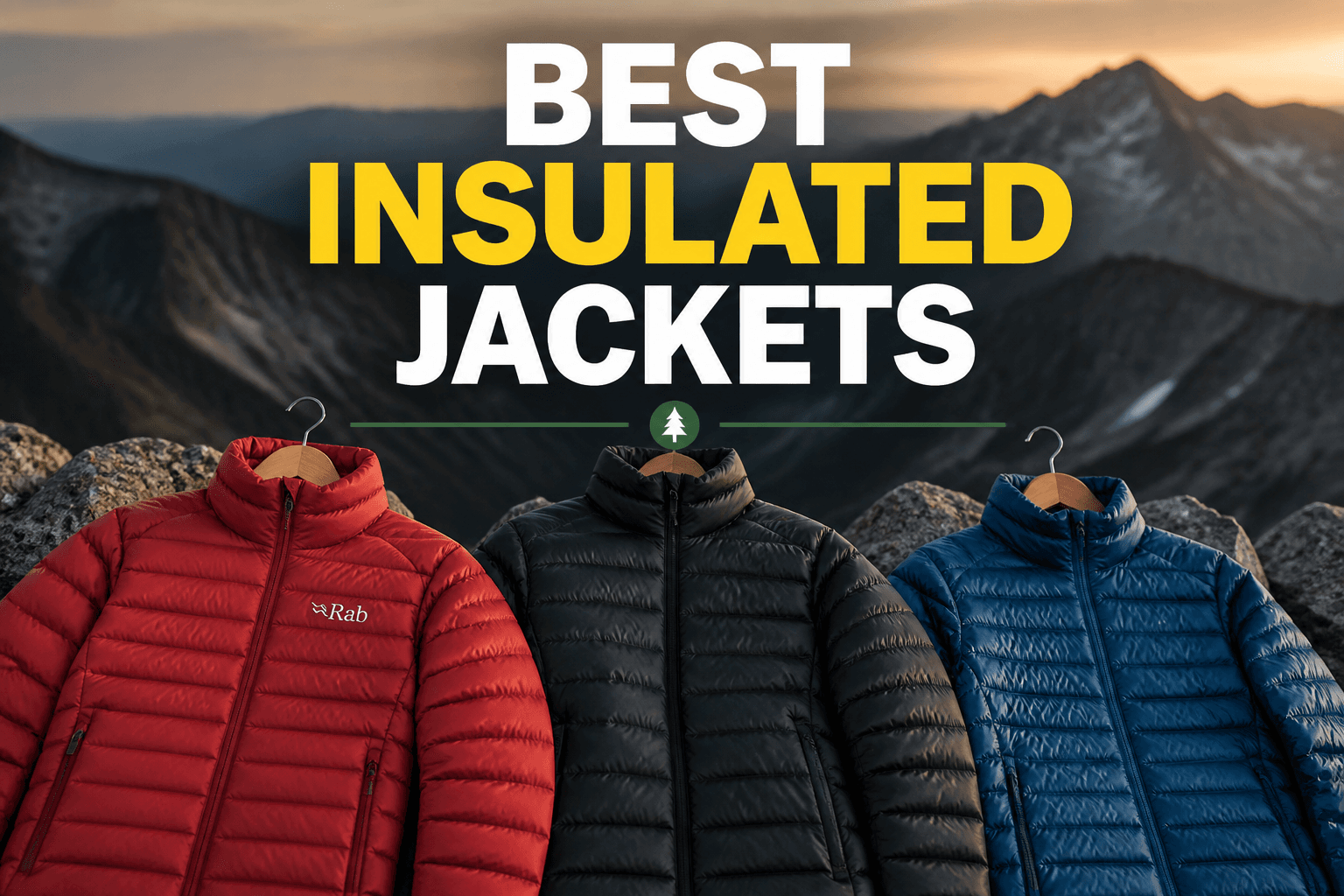
Best Insulated Jackets for Hiking & Trekking
Best insulated jackets for hiking and trekking: picks tested on trail. Packable down and synthetic layers compared for warmth, wet weather and bulk.
Last verified
Editor's shortlist
Top insulated jackets picks
Hand-picked from real trail use and side-by-side comparisons — jump straight to the right model for your hike.
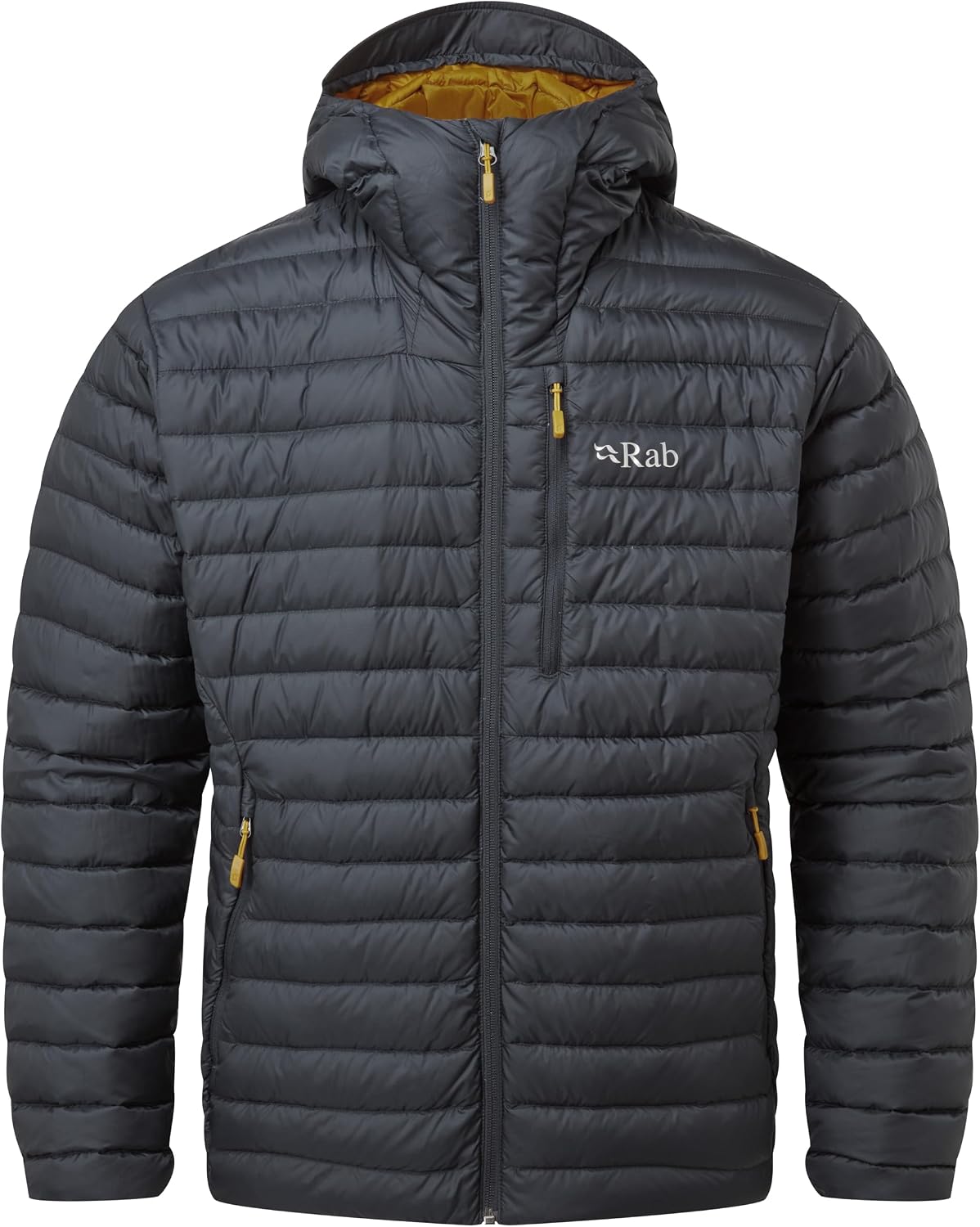
Packable down warmth I relied on for cold rifugi mornings on Alta Via 1.
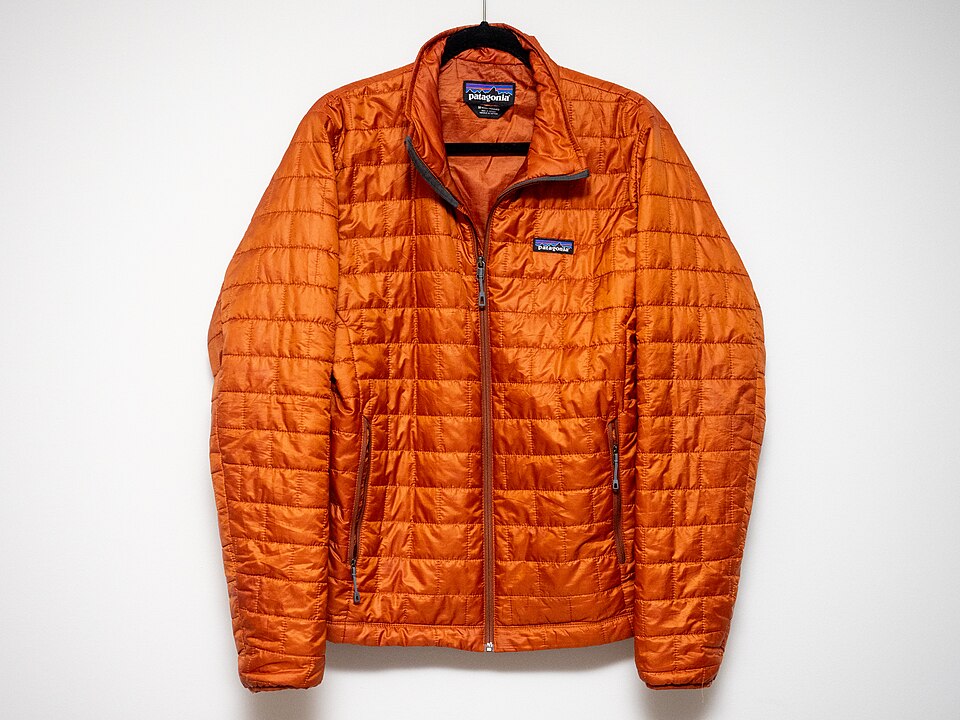
The synthetic insulation pick when damp air and drizzle are the norm — PrimaLoft stays useful where down would struggle.
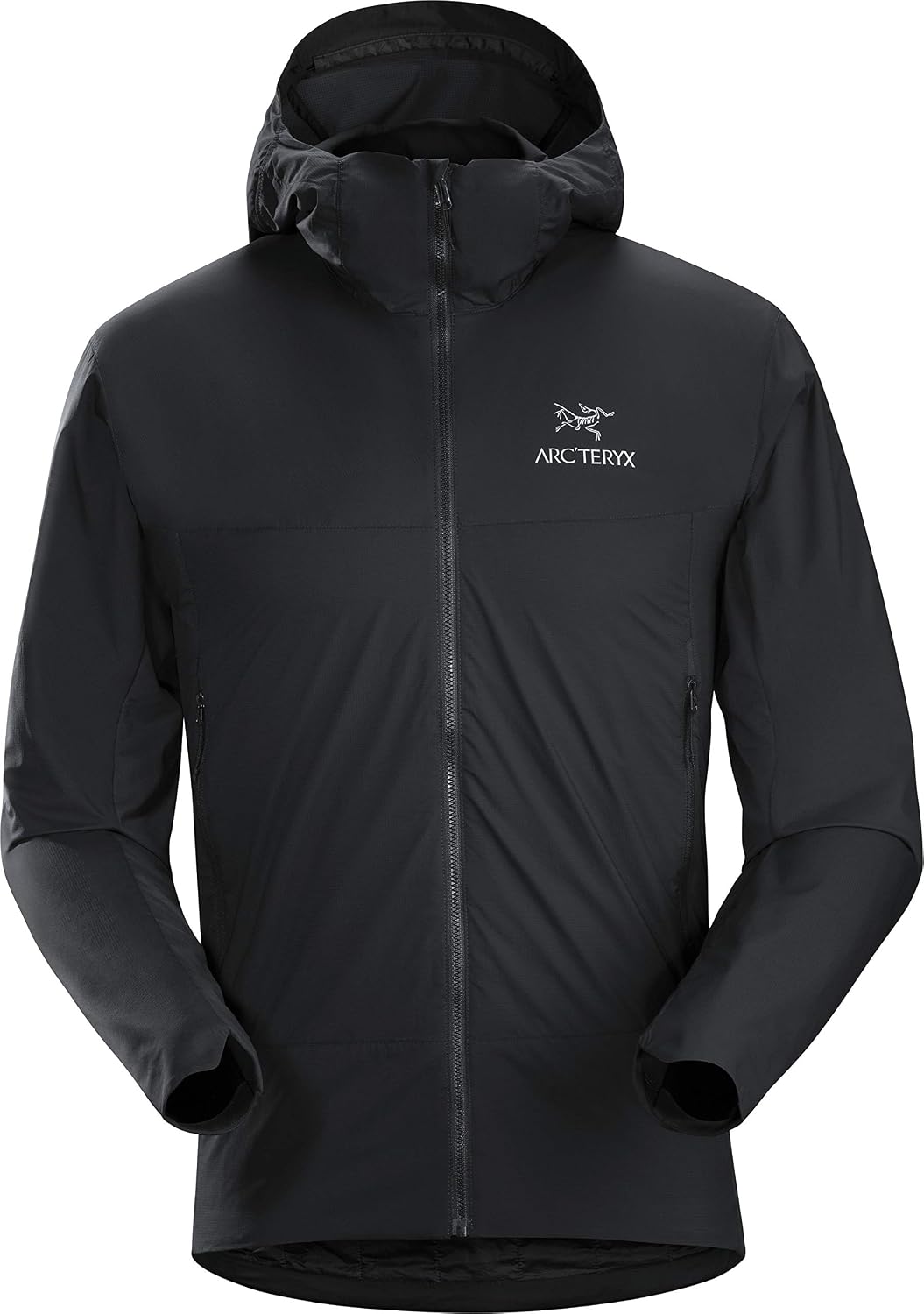
Premium down warmth with mapped synthetic in moisture zones — the upgrade pick when Rab Microlight is not enough.
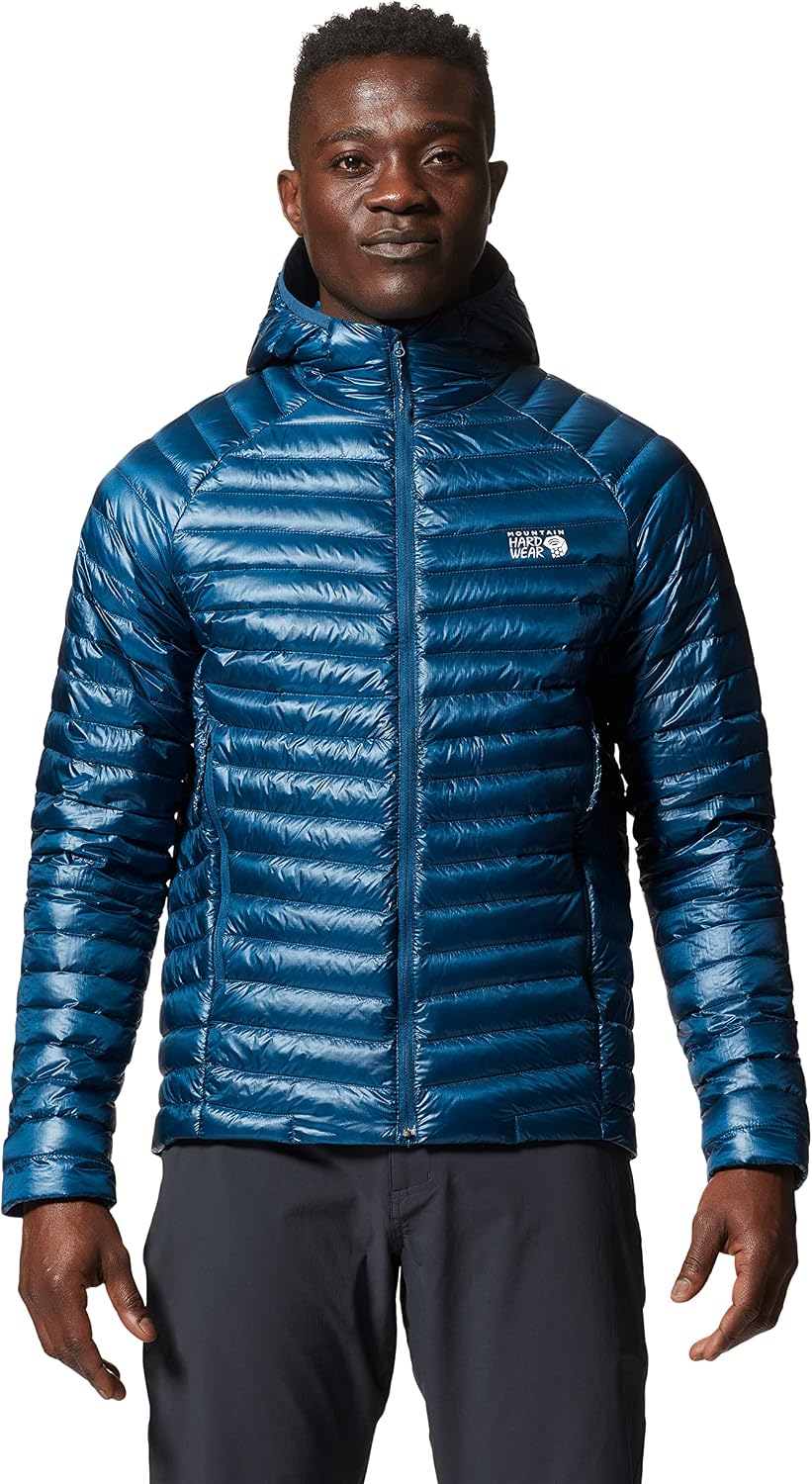
Ultralight down that disappears in your pack — warmth for gram counters on fast alpine itineraries.
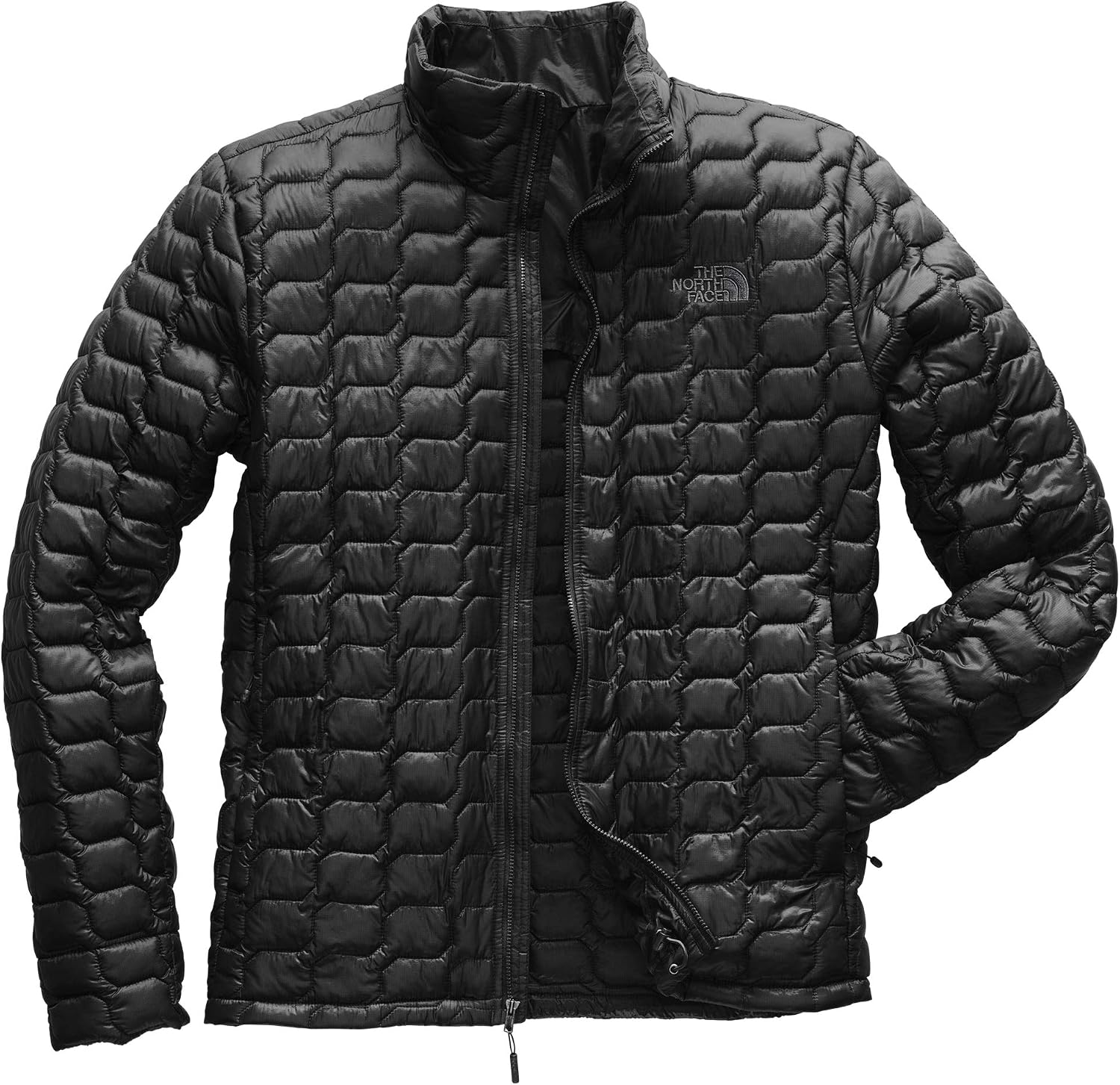
Budget-friendly synthetic loft for damp UK and coastal trips where down is risky.
Compare at a glance
How the top insulated jackets stack up
- Editor score
- 9/10
- Best for
- Hut-to-hut insulation
- Weight
- 345 g
- Why it wins
- In the pack: – Spare hiking shirt – Merino long-sleeve base layer – Fleece or midlayer –…
- Trade-off
- —
- Experience
- Trail tested
- Editor score
- 8.9/10
- Best for
- Wet-cold hiking
- Weight
- 337 g
- Why it wins
- Stays warmer than down when damp
- Trade-off
- Less warmth-to-weight than premium down
- Experience
- Worth considering
- Editor score
- 9.1/10
- Best for
- Alpine hut treks
- Weight
- 338 g
- Why it wins
- Premium down warmth with mapped synthetic in moisture zones — the upgrade pick when Rab M…
- Trade-off
- Premium price — significantly more than Rab Microlight or budget synthetic puffies
- Experience
- Worth considering
- Editor score
- 8.9/10
- Best for
- Ultralight backpacking
- Weight
- 236 g
- Why it wins
- Ultralight down that disappears in your pack — warmth for gram counters on fast alpine it…
- Trade-off
- Delicate face fabric — treat as midlayer insulation, not a standalone bus-stop belay jack…
- Experience
- Worth considering
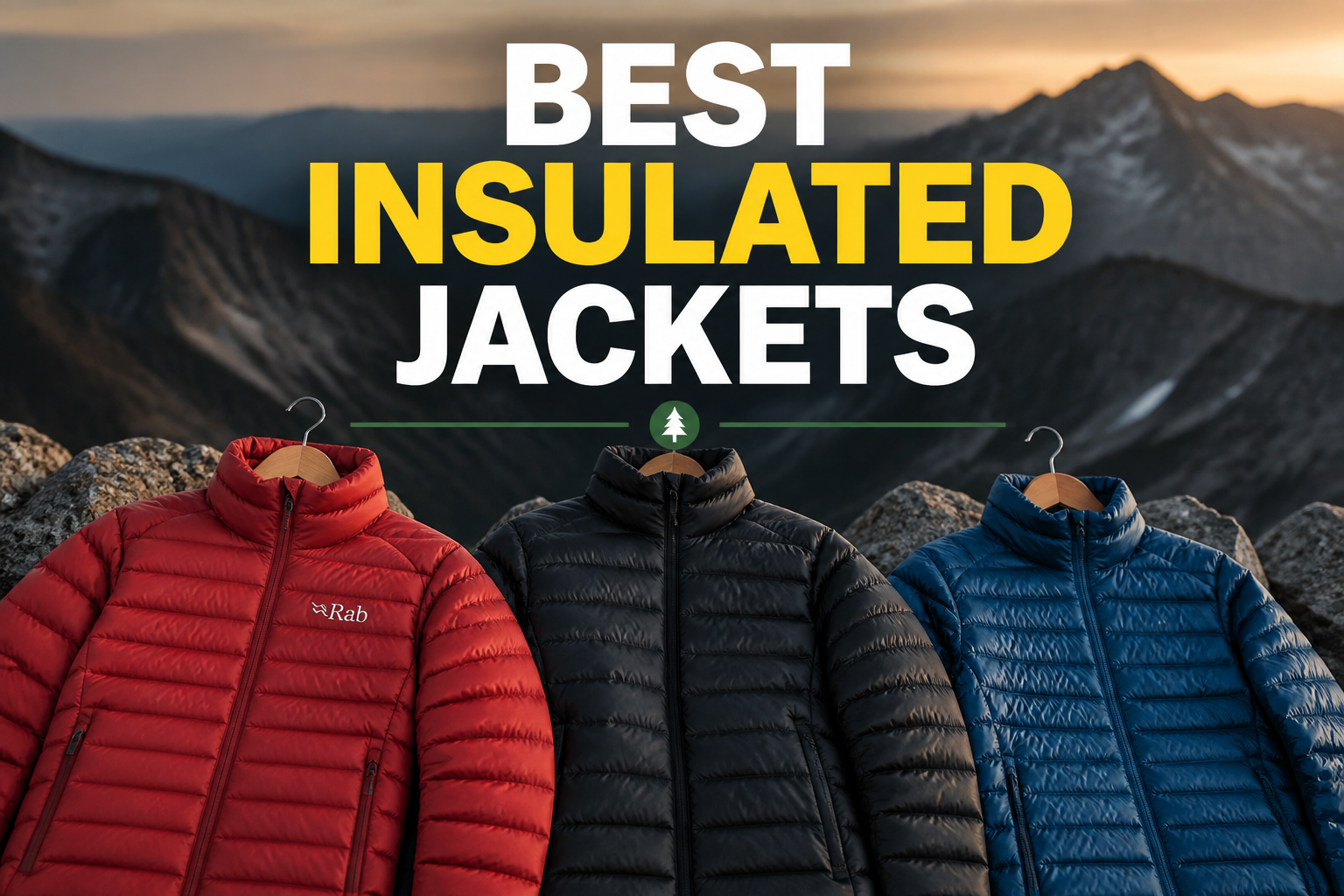
Insulation is the layer you wear at 6 a.m. in a rifugio, on a windy col, or when you stop for lunch above the tree line. For trekking, packability matters as much as warmth.
I carried Rab Microlight Down on Alta Via 1 — this guide compares down vs synthetic and how insulation fits with a rain shell.
The Best Insulated Jackets: Product Reviews
1. Rab Microlight Down – Best Hut-Trek Down Jacket
Best Hut-Trek Down Jacket
Rab Microlight Down
Rab Microlight Down is the insulation I actually carried on Alta Via 1 — cold rifugi mornings, exposed cols, and lunch stops above 2,000 m where wind chill hits fast when you stop moving. Packable 700-fill down stuffs small in a 50 L trekking pack lid and warms up within minutes over a merino base. On spindrift days I layered it under Beta AR without bulk at the shoulders. Dry Dolomites September is its sweet spot; treat it carefully in sustained Atlantic damp.
Reasons to buy
- Verified on eight AV1 hut-to-hut days
- Excellent warmth-to-weight for summer alpine trekking
- Packs smaller than most synthetic equivalents
- Layers cleanly under hard-shell rain jackets
Reasons to avoid
- Down loses loft when soaked — bias synthetic on Skye
- Not an expedition-weight puffy for static winter camps
- Hooded versions add cost over collar-only cuts
2. Patagonia Nano Puff – Best Wet-Climate Synthetic
Best Wet-Climate Synthetic
Patagonia Nano Puff Jacket
Patagonia Nano Puff uses Primaloft Gold synthetic fill that keeps insulating when damp — the pick for UK hiking, Iceland, and camp evenings when moisture is constant. It packs small enough for hut treks, layers under a rain shell like down, and handles light drizzle better than untreated down. On Laugavegur and Skye Trail I'd bias Nano Puff over Microlight when forecast shows multi-day damp.
Reasons to buy
- Synthetic warmth when down would collapse
- Strong packability for synthetic class
- Handles light moisture without immediate loft loss
- Reliable Patagonia repair and resale ecosystem
Reasons to avoid
- Heavier and bulkier than packable down at same warmth
- Less premium feel than Arc'teryx Cerium tier
- Still needs hard shell in driving rain
3. Arc'teryx Cerium Hoody – Best Premium Alpine Down
Arc'teryx Cerium Hoody
Arc'teryx Cerium Hoody targets hikers who want 850-fill down with mapped Coreloft in moisture-prone zones — collar and underarms stay warmer when shoulder fabric gets damp from shell overlap. At ~338 g it rivals Microlight warmth with Arc'teryx construction and hood coverage for windy Bernina cols. Premium 15D shell fabric demands care around campfire sparks on camping treks; store lofted between trips.
Reasons to buy
- 850-fill down with hybrid mapping for damp zones
- Premium build and hood coverage for exposed cols
- Excellent warmth-to-weight in the premium tier
- Layers under Beta-class shells without shoulder bind
Reasons to avoid
- Highest price in this comparison
- Delicate face fabric vs trekking abrasion
- Still down — not a wet-climate specialist like Nano Puff
4. Mountain Hardwear Ghost Whisperer/2 – Best Ultralight Down
Mountain Hardwear Ghost Whisperer/2
Mountain Hardwear Ghost Whisperer/2 stuffs into its own hand pocket at roughly 236 g — the gram-counter's down layer for fast TMB stages and ultralight camping when every item in a 50 L pack is audited. 800-fill down delivers surprising warmth for static col breaks despite the feathery weight. Fabric is thin; wear a shell over it in wind and avoid bus-queue abrasion. Not a substitute for a storm jacket — pair with rain gear.
Reasons to buy
- Among the lightest hooded down options in catalog
- Stuffs into hand pocket for pack lid storage
- Strong warmth for weight on brief alpine stops
- Good for hikers trimming base weight on hut loops
Reasons to avoid
- Thin shell fabric — fragile around campfire and pack wear
- Less durable than Rab or Patagonia mid-tier builds
- Premium ultralight pricing per warmth unit
5. The North Face ThermoBall Eco – Best Budget Synthetic
The North Face ThermoBall Eco
The North Face ThermoBall Eco delivers synthetic loft at down-like pricing — ThermoBall clusters mimic down puff while tolerating damp UK and coastal static warmth better than untreated down. At ~390 g it is heavier than Microlight but often costs less, making it a smart first puffy for hikers building a trekking layer system before committing to premium down. Camp evenings on Skye and shared hut dorms benefit from synthetic forgiveness when jackets get damp from condensation.
Reasons to buy
- Strong budget synthetic warmth
- Damp-tolerant insulation for UK and coastal treks
- Wide retail availability and sizing
- Good first insulation layer for new trekkers
Reasons to avoid
- Bulkier packed size than down alternatives
- Heavier than Nano Puff and Microlight class
- Less premium materials than Arc'teryx tier
Buying Guide: How to Choose an Insulated Jacket
Temperature rating on sleeping bags is not the same as jacket warmth — jackets are worn while moving or at brief stops. Plan for the coldest static moment (breakfast outside, windy col) not the average afternoon.
Hood vs no hood: Hooded puffies add warmth per gram; collar-only works if you always wear a beanie.
Active vs static: Fleece breathes on steep Platteklip Gorge ascents; down is better when you stop on AV1 cols.
Pack size: Stuff sack volume matters in a 50 L pack alongside food and rain gear — Microlight compresses smaller than most synthetic equivalents.
Wet climate rule: If forecast shows multi-day rain (Skye, Iceland), bias synthetic or protect down inside dry bag when not worn.
Store down lofted between trips — compressed long-term in stuff sack reduces warmth.
On Tour du Mont Blanc mornings I wore insulation under a shell for the first hour, then stowed it in the top lid for the descent — plan quick-access pocket placement in your pack.
DWR on down: Light rain beads on treated shells; soak-through means stop and add hard shell — do not let wet down collapse in cold wind on Bernina cols.
Size up for layers: Insulation should fit over fleece — try with Beta AR over Microlight in the shop.
Fill weight vs fill power: 700-fill down with adequate fill weight beats 850-fill with skimpy baffles for static warmth. Read grams of down, not marketing adjectives.
Camping evenings: Bias synthetic when you cook in damp air at tent door — Nano Puff tolerates condensation better than untreated down.
Budget path: ThermoBall Eco first, upgrade to Microlight or Cerium after you know your climate pattern across multiple treks.
Care between treks: Wash down on gentle cycle with technical cleaner; dry with tennis balls to restore loft. Synthetic survives more abuse in hostel washing machines but loses DWR faster — reproof both types annually if you hike weekly.
Matching your shell: Insulation should zip or layer under your rain jacket without pulling at the hem when arms are raised. If shoulders bind, size up one step — cold stops on cols last longer than fashion fit.
When to leave insulation home: Fair-weather valley day hikes below 1,500 m with stable forecasts may need only a fleece — but hut treks above treeline still warrant a puffy in the pack lid even in July.
Down vs synthetic
| Down | Synthetic | |
|---|---|---|
| Weight / warmth | Best ratio when dry | Slightly heavier |
| Wet performance | Loses loft when soaked | Keeps insulating when damp |
| Pack size | Usually smaller | Bulkier |
| Best for | Dry alpine hut treks | UK hiking, camping in rain |
Layering with rain gear
Insulation is mid-layer — pair with a rain jacket for wind and precipitation on cols. On AV1 I carried both Microlight and Beta AR in packing lists.
Layer order: Base wicking → insulation → shell. Never wear insulation directly under rain jacket without checking ventilation — you'll sweat and chill.
Hiking vs trekking vs camping
- Day hiking: Light fleece or thin synthetic often enough below treeline
- Trekking: Packable down or synthetic puffy in the 300–400 g range
- Camping: Warmer puffy acceptable — weight matters less at camp; bias synthetic on damp nights
Fill power and weight trade-offs
| Fill | Typical use | Trade-off |
|---|---|---|
| 700+ down | Alpine hut treks, dry climates | Best warmth-to-weight |
| Synthetic | UK, Iceland, damp camping | Heavier but damp-tolerant |
| Active fleece | High-output ascents | Breathes better; less packable |
Microlight sits in the packable down camp — not an expedition parka. For static cold camps add a thicker puffy or merino base.
When to wear insulation on treks
- Rifugio breakfast: 10–15 minutes before leaving in thin air
- Summit stops: Wind chill drops fast when you stop moving
- Late afternoon: Descending in shade after a hot climb
- Emergency: Extra layer if someone is hypothermic — never skip insulation to save grams
Trek examples
- Alta Via 1 — Microlight every morning in September
- Bernina Trek — layer up at high huts
- Skye Trail — synthetic often better in Atlantic damp
- Laugavegur — wind + cold rain — shell over insulation
Related guides
- Rab Microlight review — product page
- Best hiking rain jacket — shell layer
- Best hiking gloves — extremity warmth
- Best hiking pants — leg layering
- Clothing category — catalog
- My gear — Microlight on my roster
Common questions
Frequently asked questions
Straight answers on fit, features, and buying — open a question to read more.
Trekking needs a system: base + insulation + shell.
See best hiking gloves — separate category but same layering logic.
Official resources: Rab Microlight · Arc'teryx Beta AR
Related guides
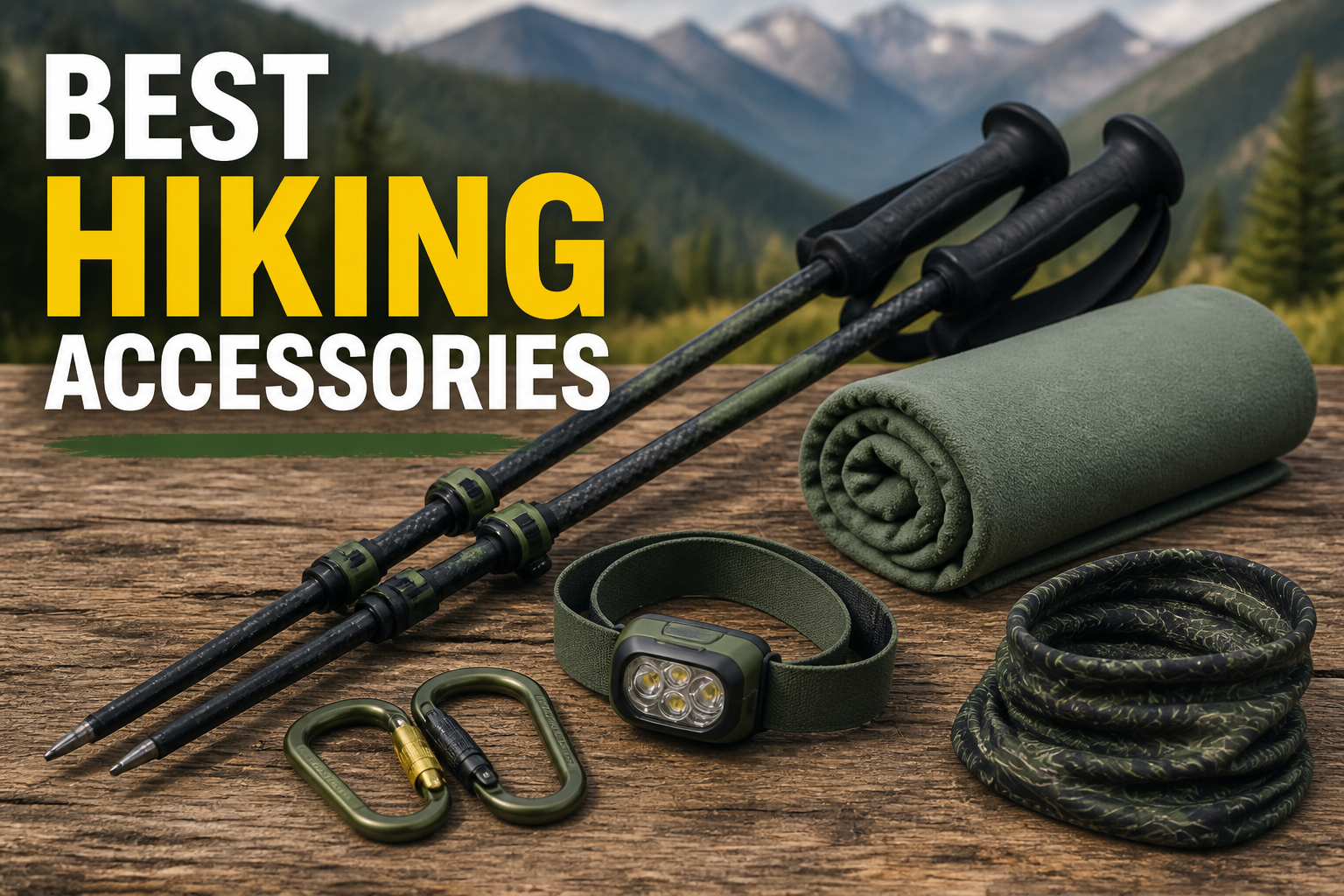
gear best of
Best Hiking Accessories: Small Kit That Matters
Alta Via 1 · 9 min read
Read guide →
gear best of
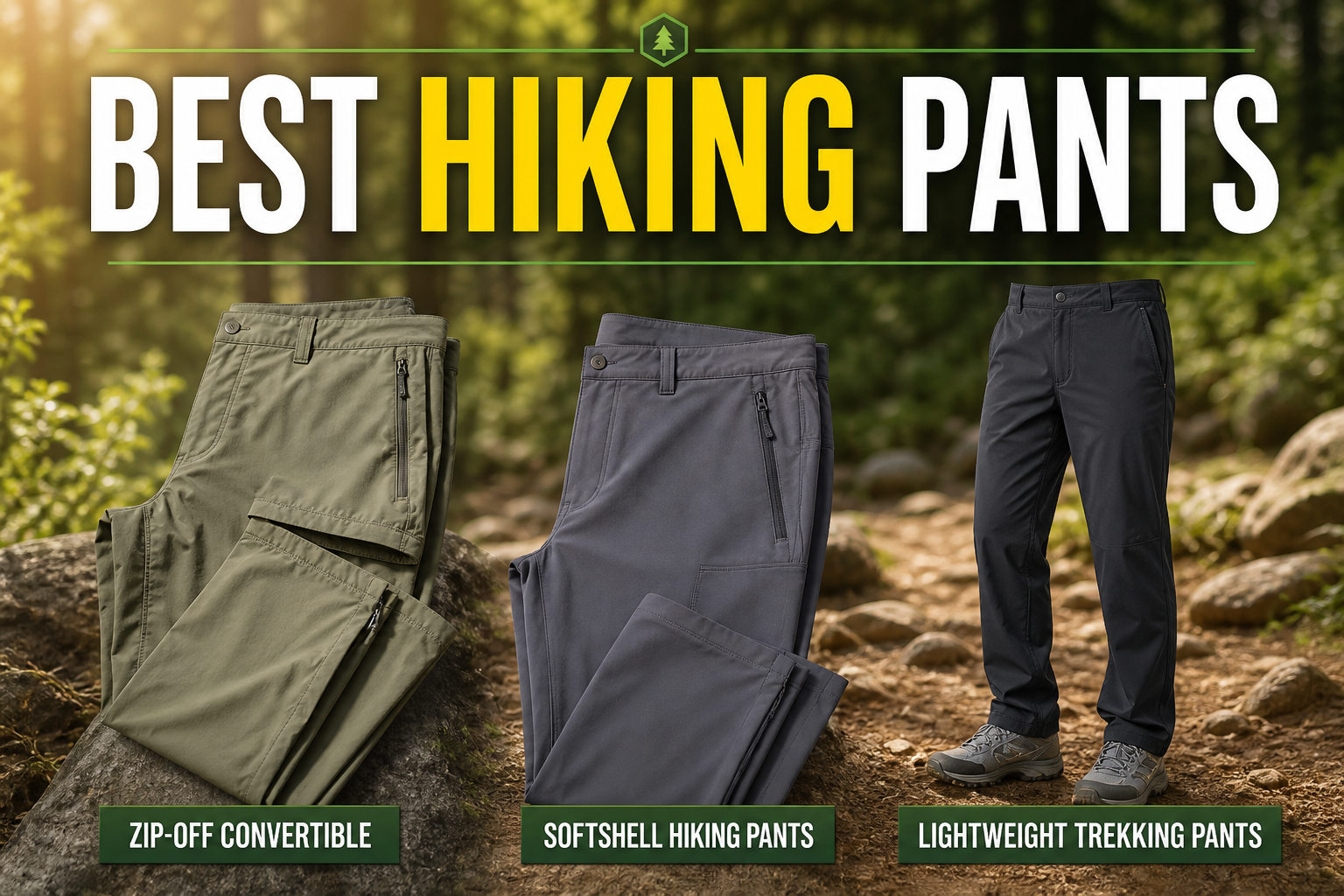
Best Hiking Pants for Trekking: Convertibles & Softshell
Alta Via 1 · 10 min read
Read guide →
gear best of
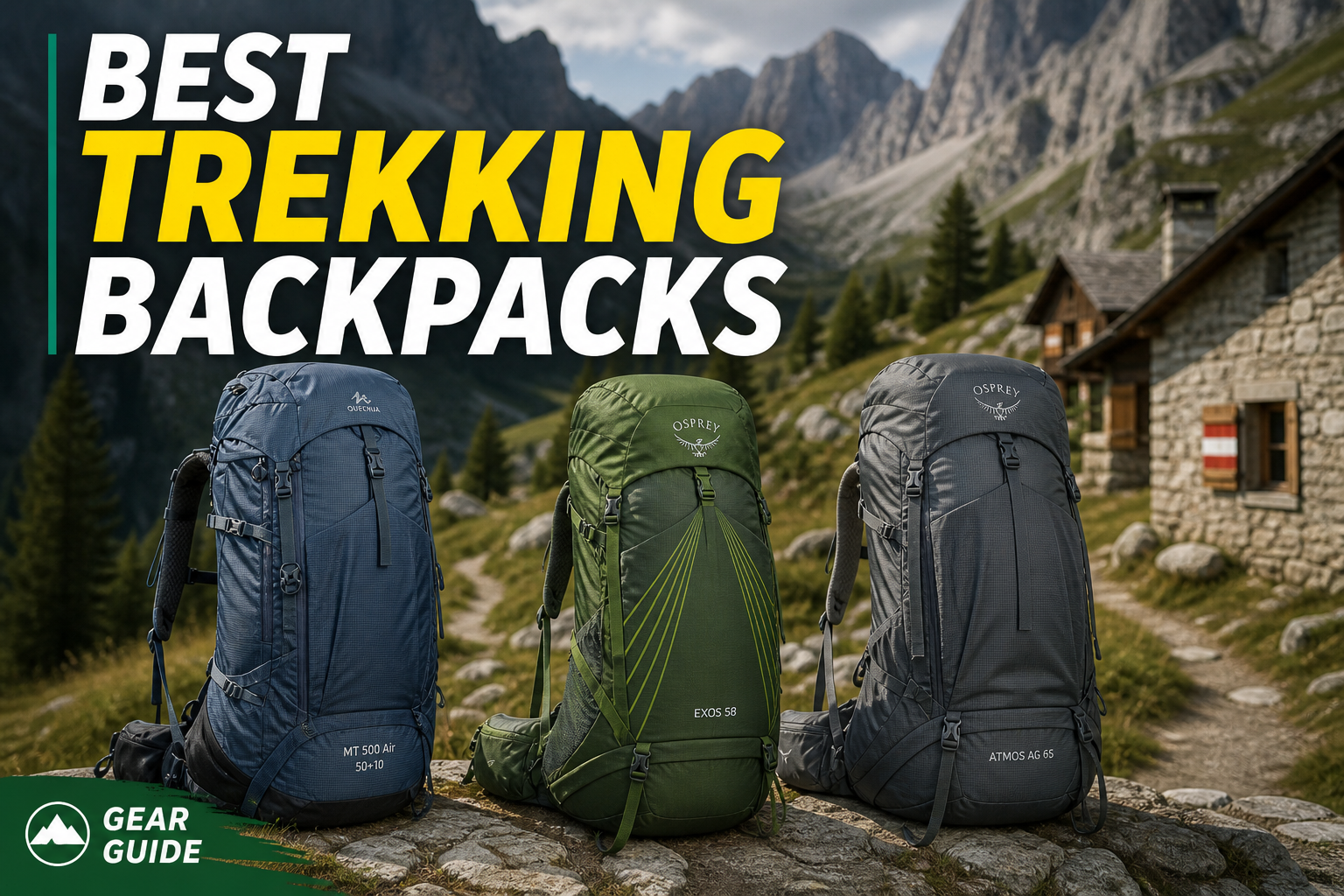
Best Hiking & Trekking Backpacks: Hut-to-Hut & Multi-Day Picks
Alta Via 1 · 10 min read
Read guide →