Best for
- Hut-to-hut insulation
- Packable warmth
Loading…
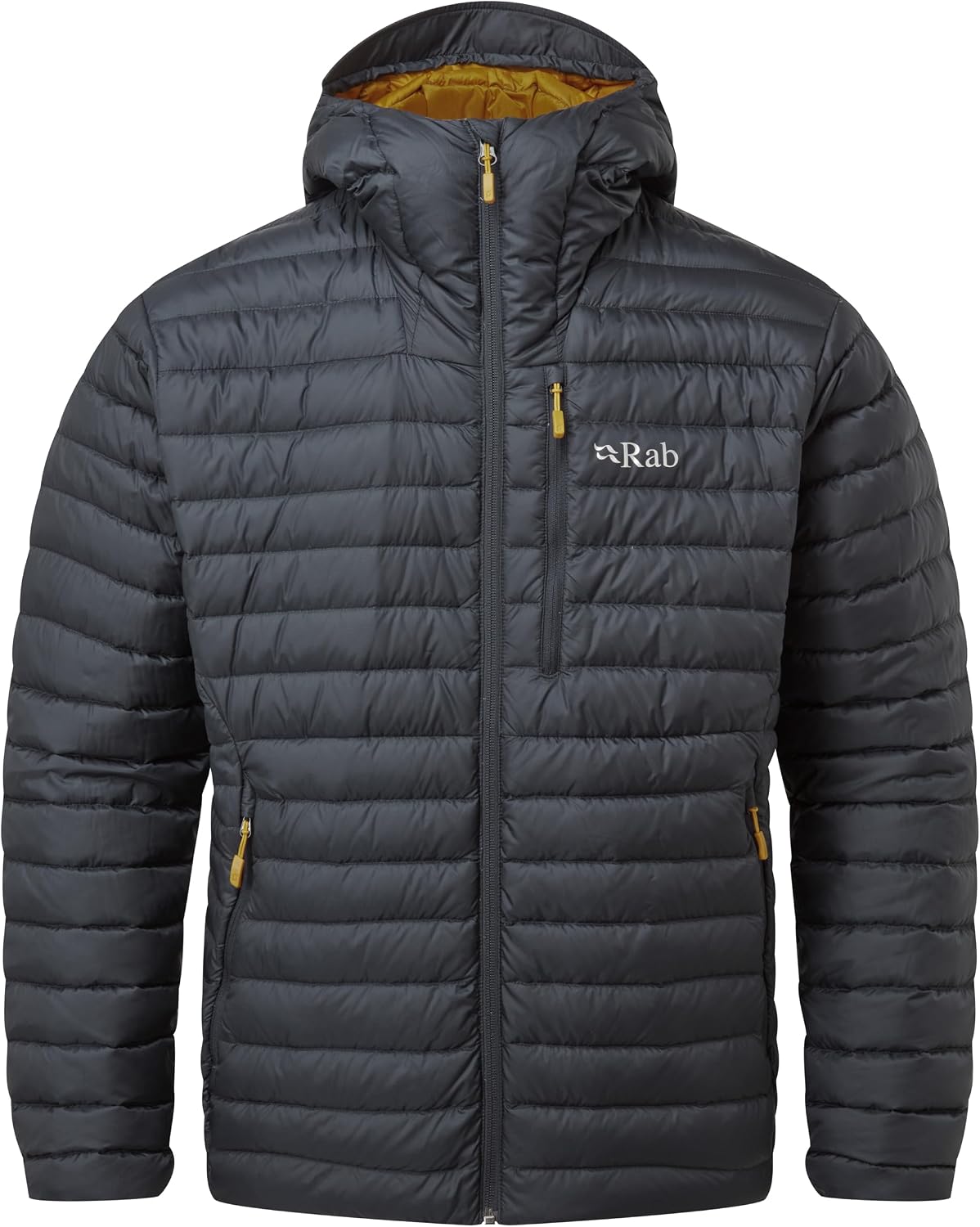
Rab · Microlight Down
Top pick
Packable down warmth I relied on for cold rifugi mornings on Alta Via 1.
First-hand / trail-tested
Trail tested
Used on: Alta Via 1
Insulated layer for cold rifugi mornings and windy cols on Alta Via 1.
Fit check
Quick read on where Rab Microlight shines — and where you should look elsewhere.
Full trail review
Packable down warmth I relied on for cold rifugi mornings on Alta Via 1.
Suited for trekking · hiking · camping
On trail
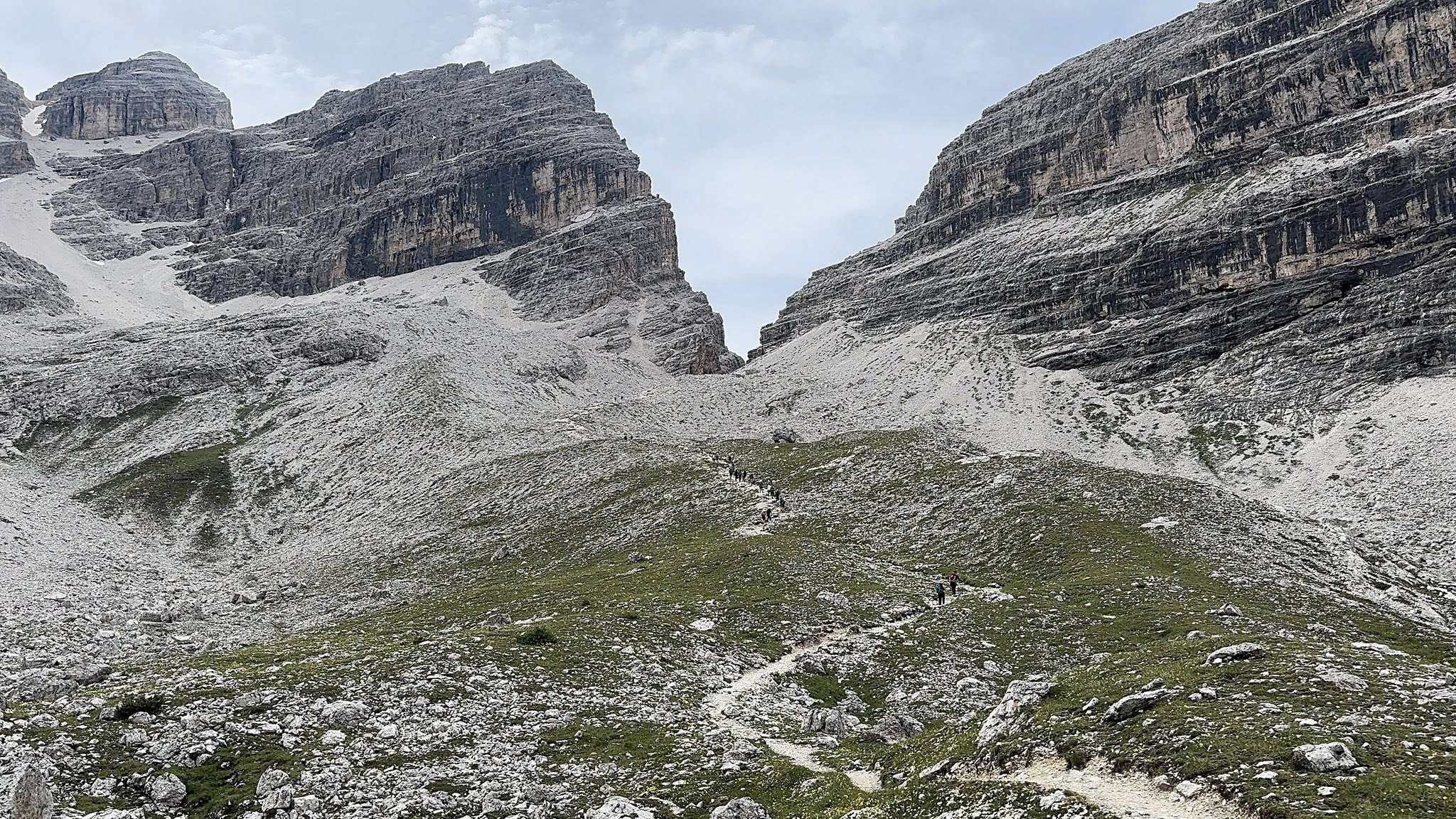
Cold rifugi mornings on Alta Via 1
Rab Microlight Down
Rab
At a glance
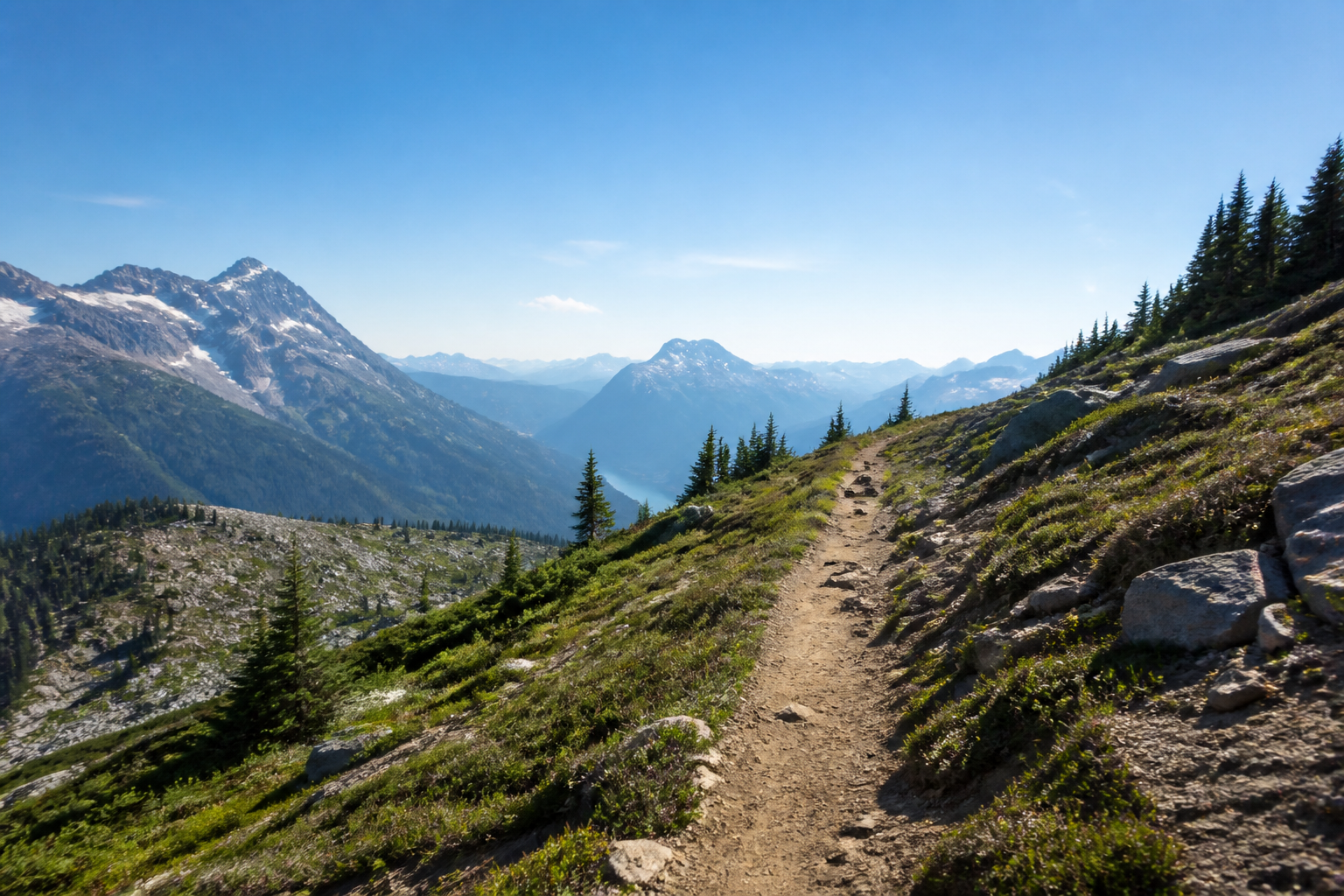
The Rab Microlight Down jacket was my insulated layer for all eight days on Alta Via 1 — cold rifugi mornings, windy cols, and evenings on shared terraces when the sun dropped behind the peaks.
It lived compressed in my pack most daylight hours and came out at huts, breakfast starts, and photo stops above treeline. That on-off rhythm is exactly what a hut-trek insulation piece should support.
At 6 a.m. rifugio breakfasts with doors open to cold air, pulling the Microlight on over a merino base was the difference between enjoying coffee outside and hunching indoors — small comfort, high value on a multi-day route.
On AV1 cold rifugio mornings, pulling the Microlight on over merino at breakfast was the difference between enjoying terrace coffee and hunching indoors.
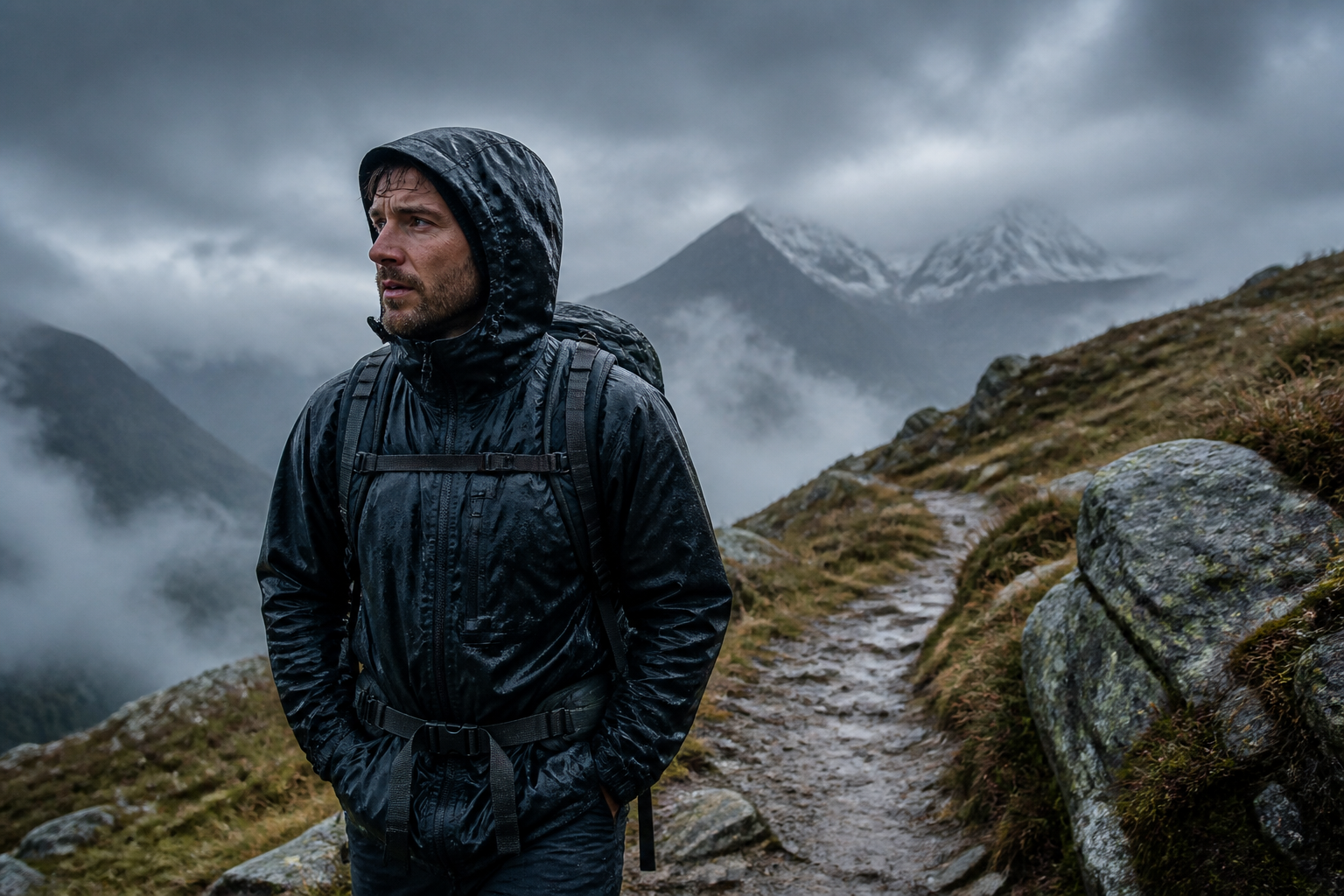
Down loses insulating value when soaked — keep it dry in your pack and use a shell in active rain. For very wet climates, consider synthetic insulation instead.
Fine for Dolomite summer hut treks where rain is managed with a hard shell; less ideal as your only warm layer in constant wet weather.
Pack in a dry bag corner inside the main compartment — not at the bottom under food weight where loft gets crushed before you need it at breakfast.
Keep it dry in your pack during rain — deploy under hard shell when spindrift arrives, not as a moving layer on hard ascents.
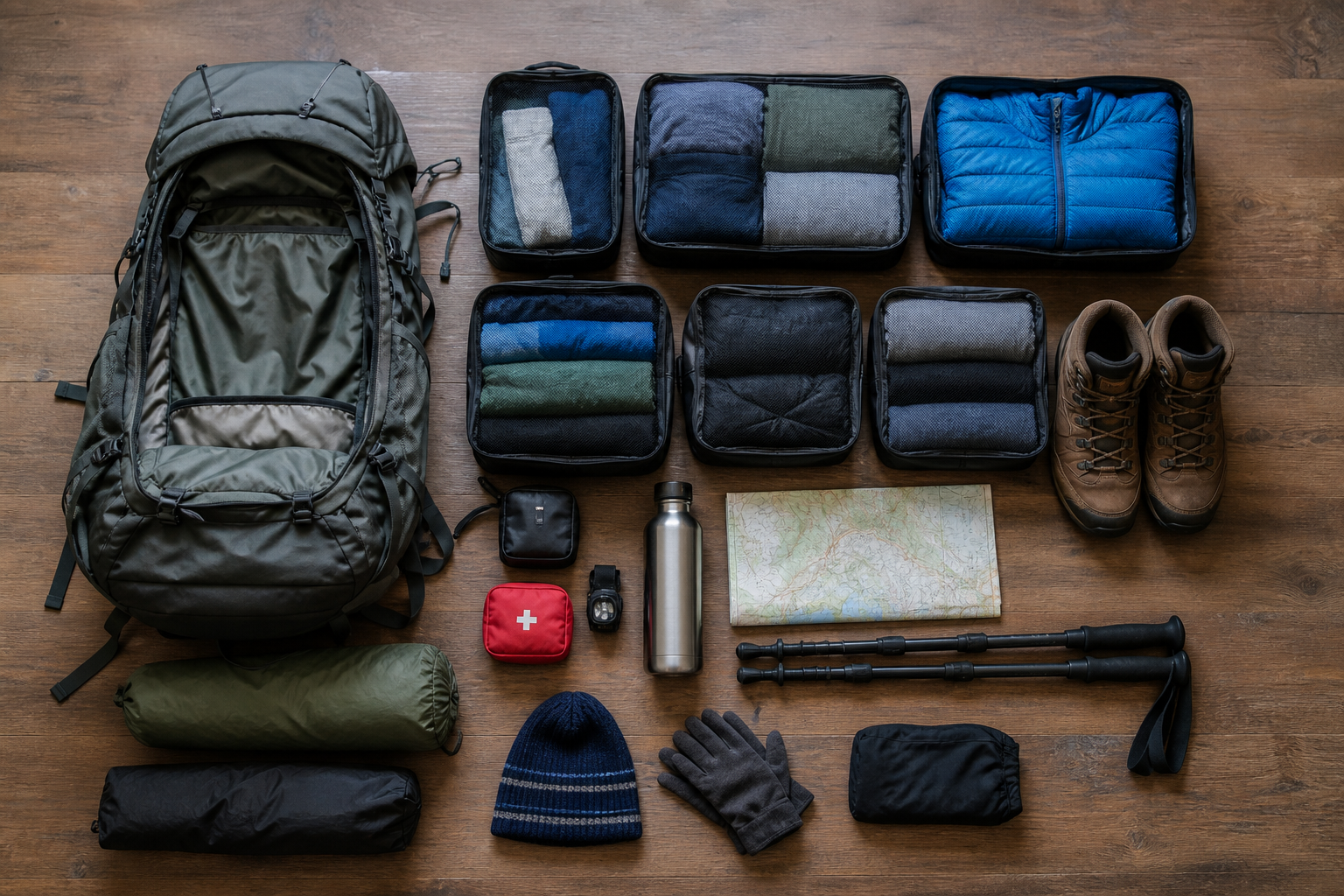
Stuff sack in the main compartment top or lid, not crushed at the bottom under heavy items — you want loft when you pull it out at 6 a.m.
Air dry at huts when damp from sweat; do not store compressed overnight if you can hang it on a bunk rail or terrace line.
Down care is simple on dry treks: keep it dry, fluff when deployed, avoid cooking grease smoke in crowded hut kitchens while wearing it.
Hang to air dry at huts when damp from sweat; do not store compressed overnight if a bunk rail or terrace line is available.
$161.00indicative on Amazon
synthetic handles moisture better; down wins on weight and pack size for dry alpine trips like AV1.
Read full reviewfleece breathes better while moving; down is warmer for static cold at huts and windy lunch stops.
Read full reviewCerium adds hybrid wet-zone mapping at premium price; Microlight is the hut-trek sweet spot I actually carried.
Read full review$161.00indicative on Amazon
Microlight is the hut-trek sweet spot — not a winter belay jacket.
Read full reviewCerium adds hybrid wet-zone mapping at premium price; Microlight is what I actually carried on AV1.
Read full reviewReady to buy?
Rab Microlight Down
The Rab Microlight Down is the insulation layer I would pack again for summer alpine hut treks — small, warm, and fast to deploy when temperature swings hit between valley sun and col wind.
For dry alpine hut treks, this stays my default insulation recommendation — small, warm, fast to deploy.
Deploy at stops, stow on ascents — the Microlight rhythm matches hut treks where insulation is intermittent, not continuous. Pack it for every summer alpine week.
Ready to buy?
Rab Microlight Down
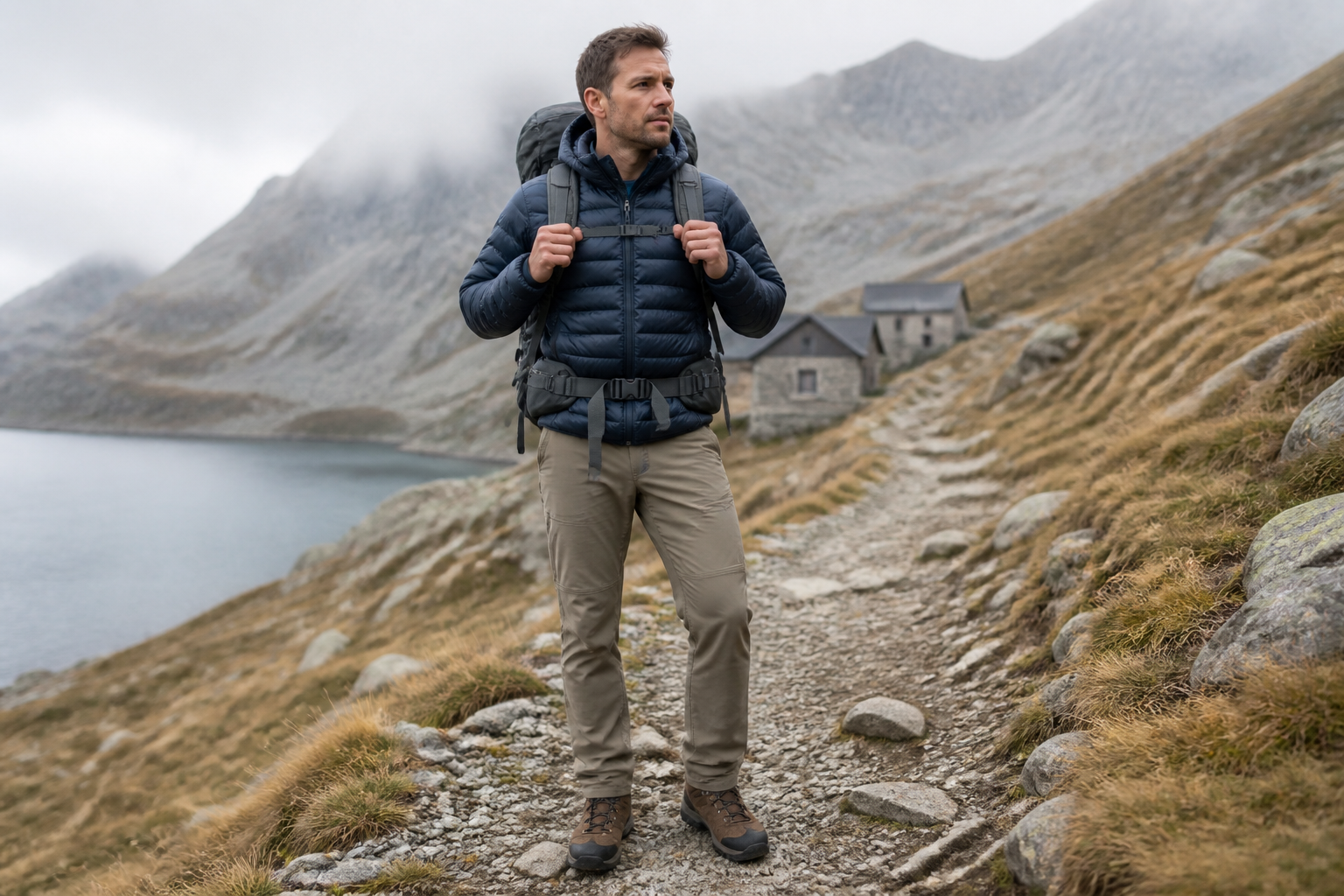
Carried as my insulated layer for hut evenings and windy cols. Packs small, warms quickly, and layers well under a rain shell.
I wore it over a merino base and under my shell on exposed lunch stops — standard alpine layering, nothing fancy.
Hood up on windy terraces; hood down under shell when spindrift arrives. The Microlight is not a moving layer while hiking hard — deploy at stops, stow when generating heat on ascents.
Down packs smaller than synthetic at similar warmth — critical when a 50 L hut pack is already full of camera kit and layers.
Hut blankets exist, but mornings are cold and you are outside for breakfast and packing. A light down jacket buys comfort without adding a heavy fleece-and-softshell combo.
Packable warmth per gram is hard to beat — the Microlight compresses smaller than most synthetic equivalents at similar comfort.
Summer alpine treks still swing from valley heat to col chill within hours — down deploys faster and packs smaller than carrying both fleece and heavy softshell for the same temperature range.
It lived compressed in my pack lid most daylight hours and deployed at cols, hut arrivals, and photo stops above treeline.
Standard alpine layering applies: merino base, Microlight at stops and hut evenings, hard shell when rain or spindrift arrives — nothing fancy, just consistent temperature management.
On the trail
Trek packing lists and guides that recommend this gear (1).