Best for
- Alpine hut treks
- Premium down
- Cold cols
Loading…
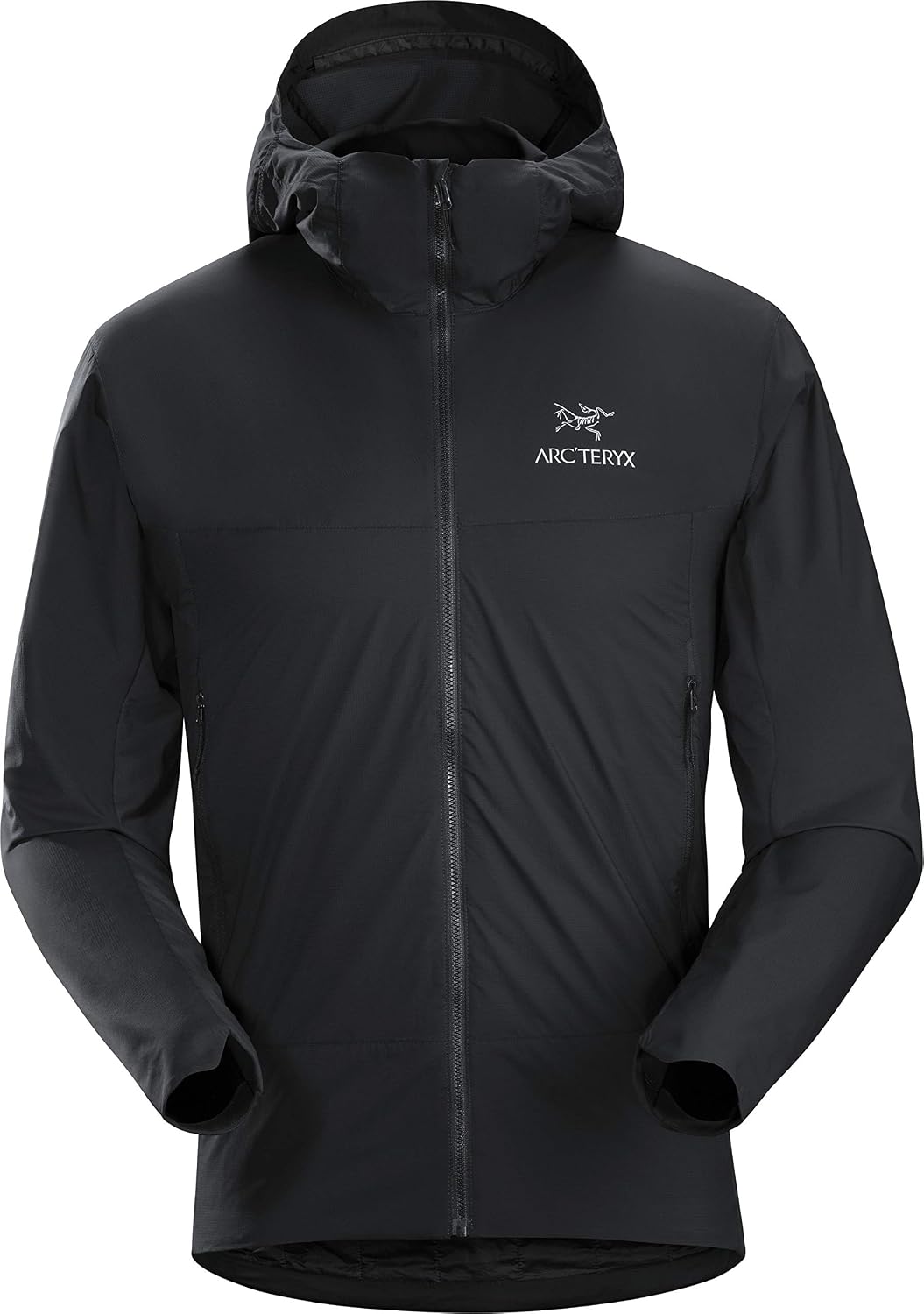
Arc'teryx · Cerium Hoody
Premium down
Premium down warmth with mapped synthetic in moisture zones — the upgrade pick when Rab Microlight is not enough.
Researched / considered
Worth considering
Fit check
Quick read on where Arc'teryx Cerium shines — and where you should look elsewhere.
Specs
Full trail review
Premium down warmth with mapped synthetic in moisture zones — the upgrade pick when Rab Microlight is not enough.
Suited for trekking · hiking · camping
Arc'teryx Cerium Hoody
Arc'teryx
At a glance
I carried Rab Microlight Down on Alta Via 1 for hut mornings and windy cols. Cerium is the premium upgrade I recommend when hikers want mapped Coreloft zones and 850-fill down without jumping to a full expedition belay jacket.

I have not worn an Arc'teryx Cerium Hoody on a published HikingWithLee trek — my insulation layer on Alta Via 1 was the Rab Microlight Down. I have tested Cerium jackets on cold starts and compared them against Rab, Mountain Hardwear, and Patagonia puffies for our insulated jacket guides.
The mapped insulation is the differentiator: 850-fill down in the body with Coreloft synthetic in shoulders and hood where pack straps and spindrift compress loft first. On windy cols that hybrid layout keeps useful warmth longer than pure down in the same weight class — without jumping to full synthetic bulk.

Cold alpine starts, windy cols, and hikers who want maximum warmth-to-weight in dry-to-mixed mountain climates. Strong fit for Dolomite hut treks in shoulder season, Scottish ridge walks, and any trip where you wear insulation at breakfast, lunch stops, and evening terraces.
Less ideal for constant wet climates where synthetic-only jackets make more sense — look at Patagonia Nano Puff or ThermoBall if drizzle is the norm, not the exception.
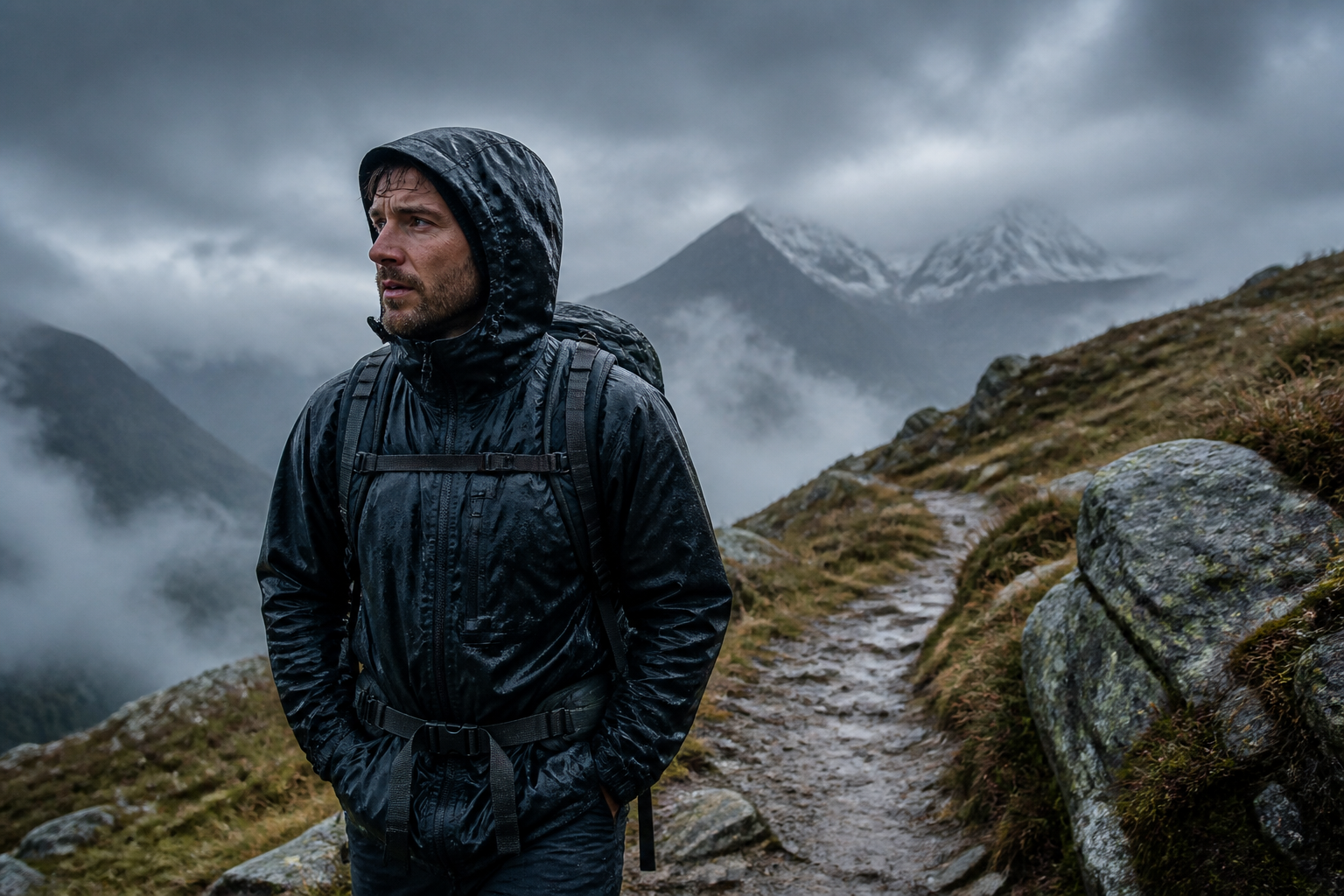
Down still loses loft when soaked — Coreloft zones help at contact points but do not make this a rain jacket. Keep it dry in your pack during active downpours and rely on your shell for wet movement.
Excellent for dry-cold alpine mornings and mixed Dolomite forecasts. For Atlantic drizzle week after week, synthetic insulation tolerates moisture better overall — Cerium is the premium dry-mountain pick.
$195.00indicative on Amazon
Microlight is what I carried on Alta Via 1 — lighter on the wallet and excellent for dry alpine hut treks; Cerium wins on hybrid wet-zone mapping and premium down fill when budget allows.
Read full reviewvsMountain Hardwear Ghost Whisperer/2
$215.06indicative on Amazon
Ghost Whisperer is lighter and more packable for ultralight fastpacking; Cerium wins on durability, hybrid insulation, and cold-stop warmth.
Read full reviewNano Puff handles damp climates better with PrimaLoft synthetic; Cerium wins on warmth-to-weight when air is cold and relatively dry.
Read full reviewvsThe North Face ThermoBall Eco
ThermoBall is the budget synthetic damp-climate pick; Cerium is the premium dry-mountain insulation layer.
Read full reviewReady to buy?
Arc'teryx Cerium Hoody
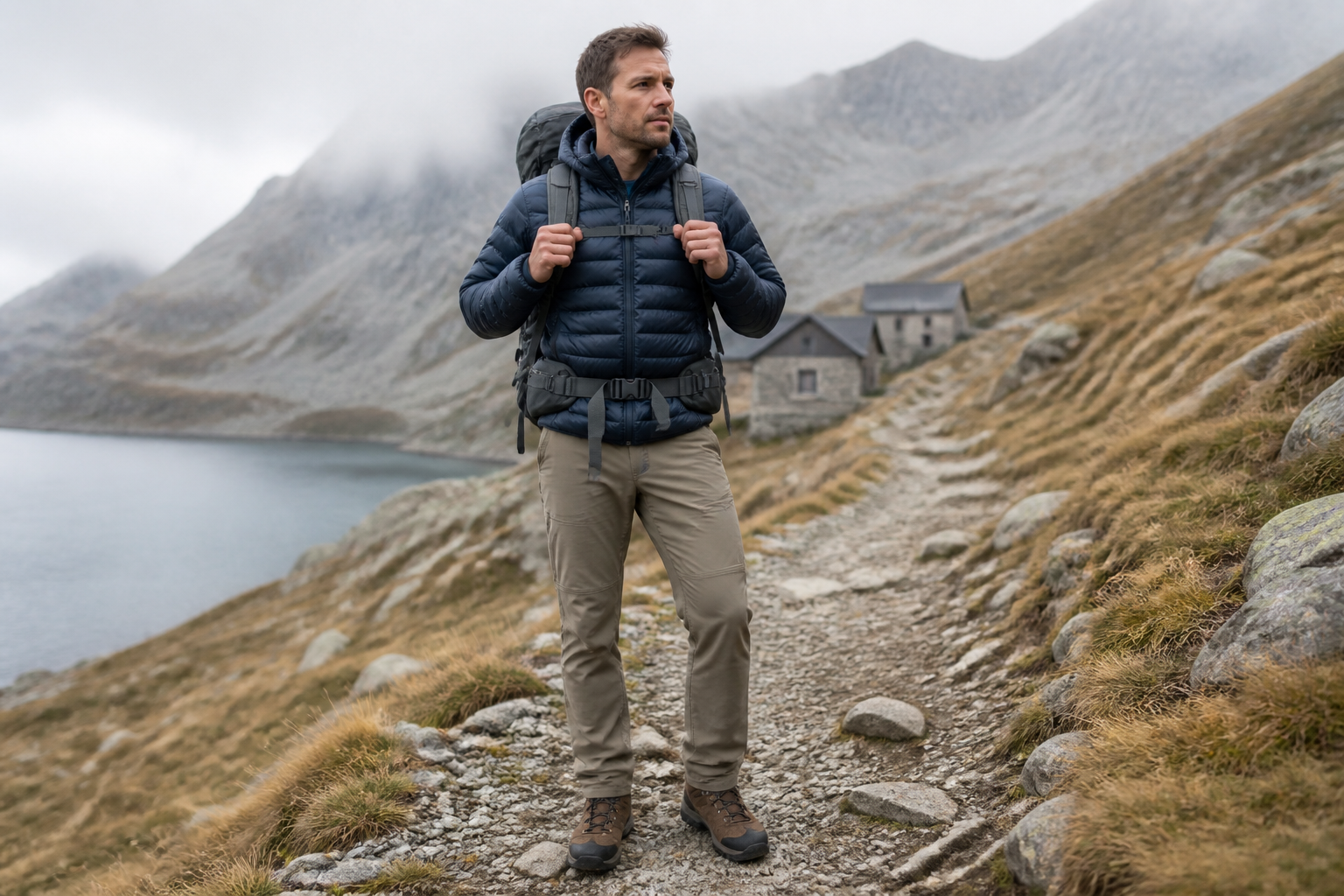
The Arc'teryx Cerium Hoody is the premium insulated jacket I recommend when dry alpine cold meets pack strap and spindrift abuse — hybrid mapping earns its price over pure down puffies, but still demands a shell when rain commits.
Ready to buy?
Arc'teryx Cerium Hoody
Carry compressed in your pack top or side pocket for fast deployment at cols and rifugio arrivals. Layer over merino base, under Beta AR or Torrentshell-class hard shell when wind and spindrift arrive.
The trim alpine fit works under shells without excessive bulk — try with your actual rain jacket before buying online. At hut breakfasts, wear as your outer layer until the sun hits the terrace; stuff it when the day warms.
Down: 850-fill goose down in core body panels — high loft per gram when dry.
Coreloft: Synthetic mapping in hood and shoulders maintains structure when damp from pack compression, light spindrift, or sweaty carries.
Shell: Lightweight Arato nylon face with DWR — sheds light mist, not sustained rain.
Hood: Insulated helmet-compatible hood retains heat at cols — wear under a hard shell when wind picks up.