Best for
- Wet climates
- Budget insulation
- Camp evenings
Loading…
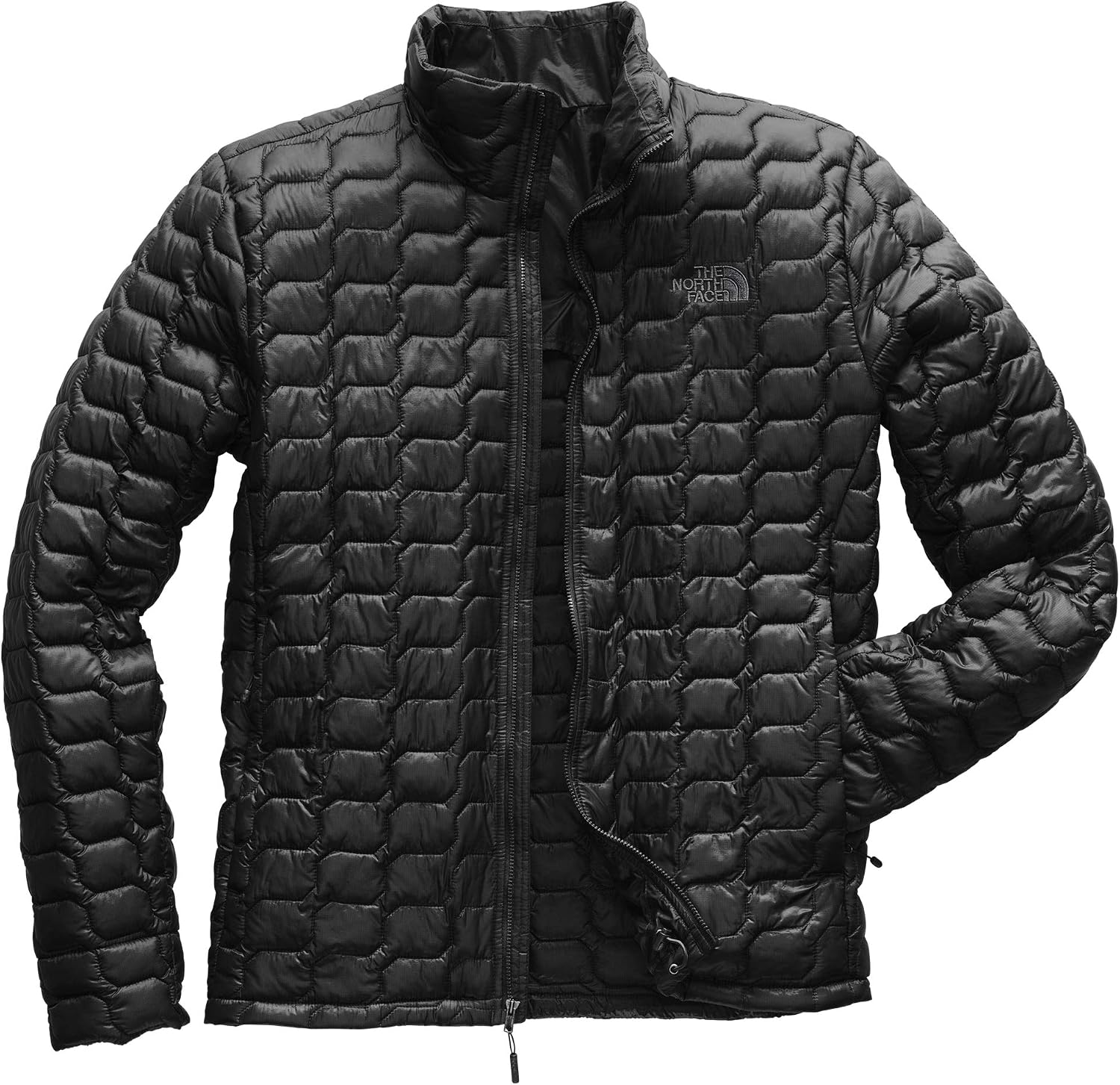
The North Face · ThermoBall Eco
Budget synthetic
Budget-friendly synthetic loft for damp UK and coastal trips where down is risky.
Researched / considered
Worth considering
Fit check
Quick read on where The North shines — and where you should look elsewhere.
Specs
Full trail review
Budget-friendly synthetic loft for damp UK and coastal trips where down is risky.
Suited for hiking · trekking · camping
The North Face ThermoBall Eco
The North Face
At a glance
I carried Rab Microlight Down on Alta Via 1 in dry Dolomite summer — down was the right call. ThermoBall Eco is the synthetic I recommend for UK, Iceland, and coastal trips where damp air is the default, not a forecast surprise.

I have not worn a ThermoBall Eco jacket on a published HikingWithLee trek — my Alta Via 1 insulation was Rab Microlight Down in relatively dry alpine summer. I have tested ThermoBall jackets in damp UK conditions and recommend them in guides when hikers ask for affordable synthetic warmth that tolerates moisture better than budget down.
ThermoBall cluster insulation maintains structure when damp — slower to collapse than untreated down in Atlantic drizzle. You feel the weight and pack size penalty versus Microlight-class down, but on a week of persistent mist that trade often feels worth it for hikers who cannot babysit dry loft every evening.

Hikers in persistent drizzle, UK shoulder seasons, coastal paths, and any trip where insulation may get damp from sweat, mist, or imperfect hut drying. Strong budget pick for first multi-day treks when down care feels intimidating.
Also suits campers who wear insulation around wet campsites without a dry inner tent — synthetic keeps some warmth when humidity is high. Less ideal for dry alpine gram counters who want minimum packed volume.
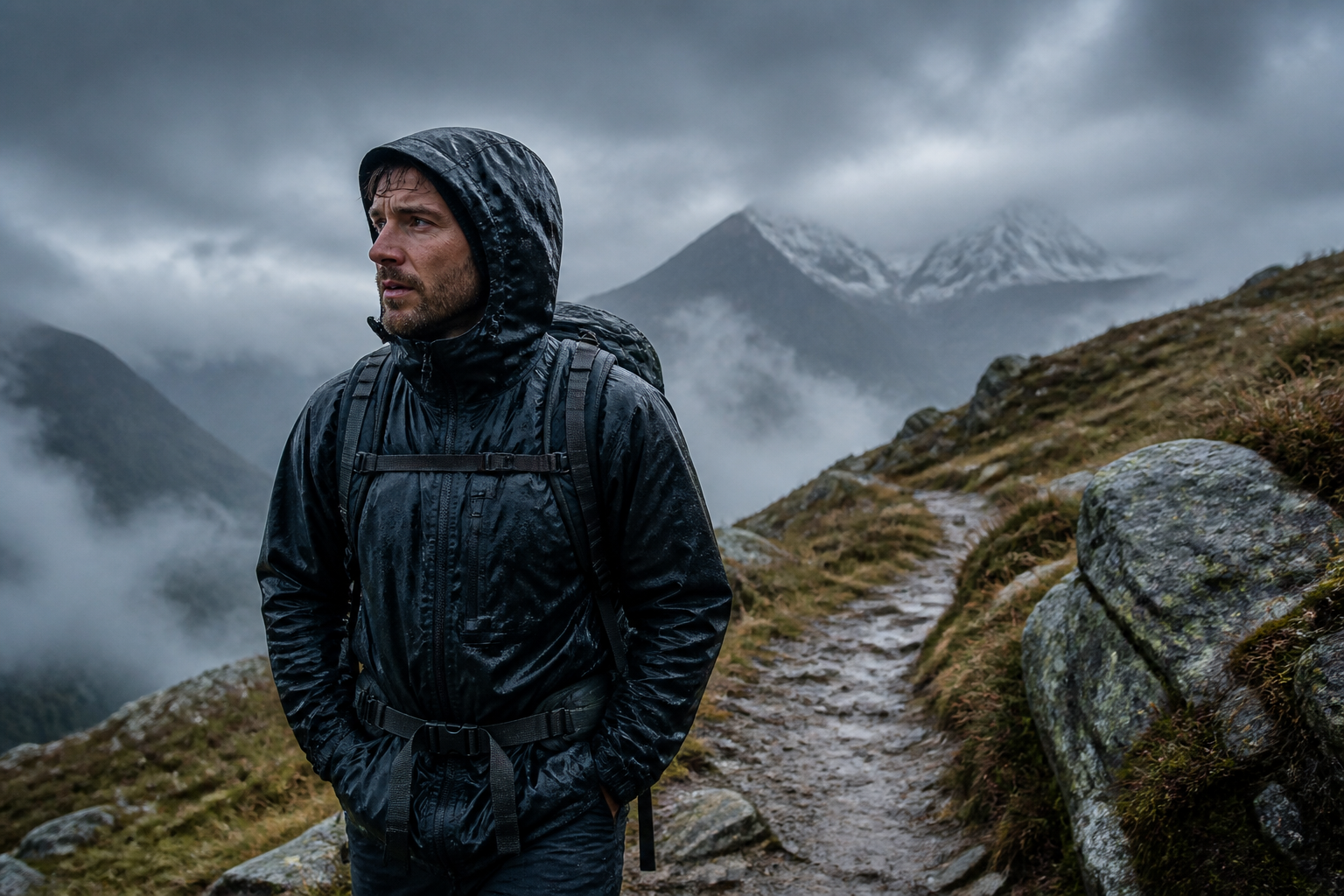
Handles damp better than down — still dry fully when possible to reduce odour and extend lifespan. Machine wash friendly compared with fussy down care routines — practical for beginners.
Not immune to saturation — in heavy rain wear your shell. For constant wet weeks, pair with disciplined layering and accept that any insulation works better when you manage sweat and hut drying actively.
Nano Puff has stronger brand polish and PrimaLoft Gold Eco reputation; ThermoBall wins on sale pricing and similar damp-climate logic for budget hikers.
Read full review$195.00indicative on Amazon
Microlight is what I carried on dry Alta Via 1 — smaller packed size and better dry warmth; ThermoBall wins when drizzle is constant and down care is a worry.
Read full reviewCerium is premium dry-mountain down with hybrid zones; ThermoBall is the affordable wet-climate synthetic alternative.
Read full reviewfleece breathes better while hiking; ThermoBall is warmer for static damp cold at huts and camps.
Read full reviewReady to buy?
The North Face ThermoBall Eco
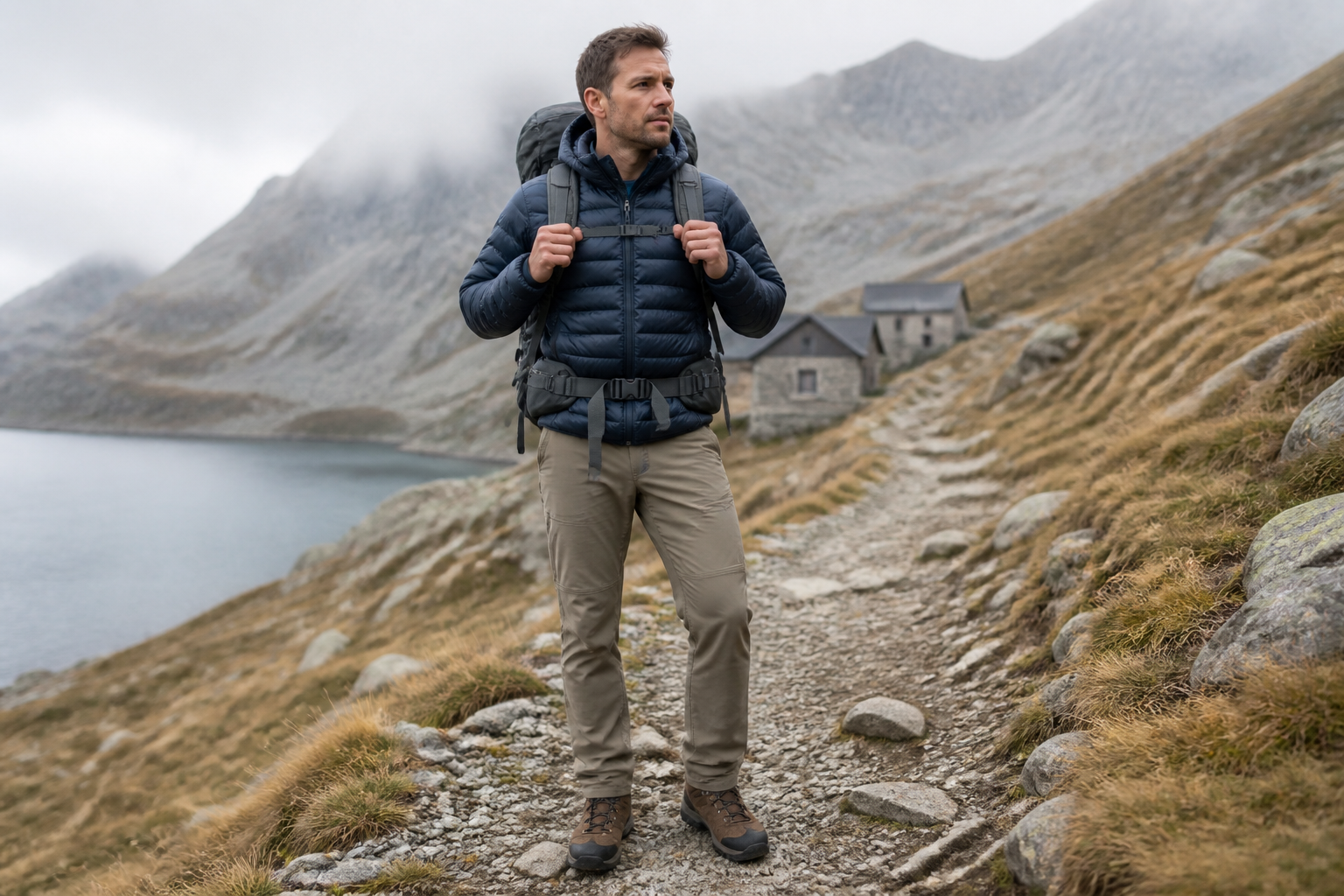
The North Face ThermoBall Eco is the budget synthetic puffy I recommend when damp air is normal — trade packed size for moisture tolerance, layer under a shell in rain, and worry less about ruined down loft on wet weeks.
Ready to buy?
The North Face ThermoBall Eco
Wear over merino base at windy lunch stops and hut arrivals when air is cool and damp. Under a hard shell when rain is active — ThermoBall is insulation, not waterproofing.
Packs bulkier than down equivalents — plan lid or side pocket space accordingly. The advantage shows on day four when down might still be struggling to dry in a humid dorm; synthetic is usable sooner.
ThermoBall Eco: Cluster synthetic insulation mimics down loft structure — maintains shape when damp better than sheet synthetic batting.
Recycled content: Eco variant uses recycled synthetic fill — aligns with budget-conscious sustainable kit without Patagonia pricing.
DWR shell: Light water repellency on face fabric — sheds mist, not hours of rain.
Warmth band: Comfortable for camp evenings and lunch stops in cool wet weather — not a substitute for a moving-layer fleece on hard ascents.