Best Hiking Rain Jacket: Shells by Role & Weather
Best hiking rain jacket: picks tested on trail. Arc'teryx Beta AR trail-used, plus lightweight, value and eco shells for breathability.
Last verified
Editor's shortlist
Top rain jackets picks
Shortlist with evidence labels — Used by Lee, Trail tested, or Researched — so you can tell first-hand kit from editorial research.
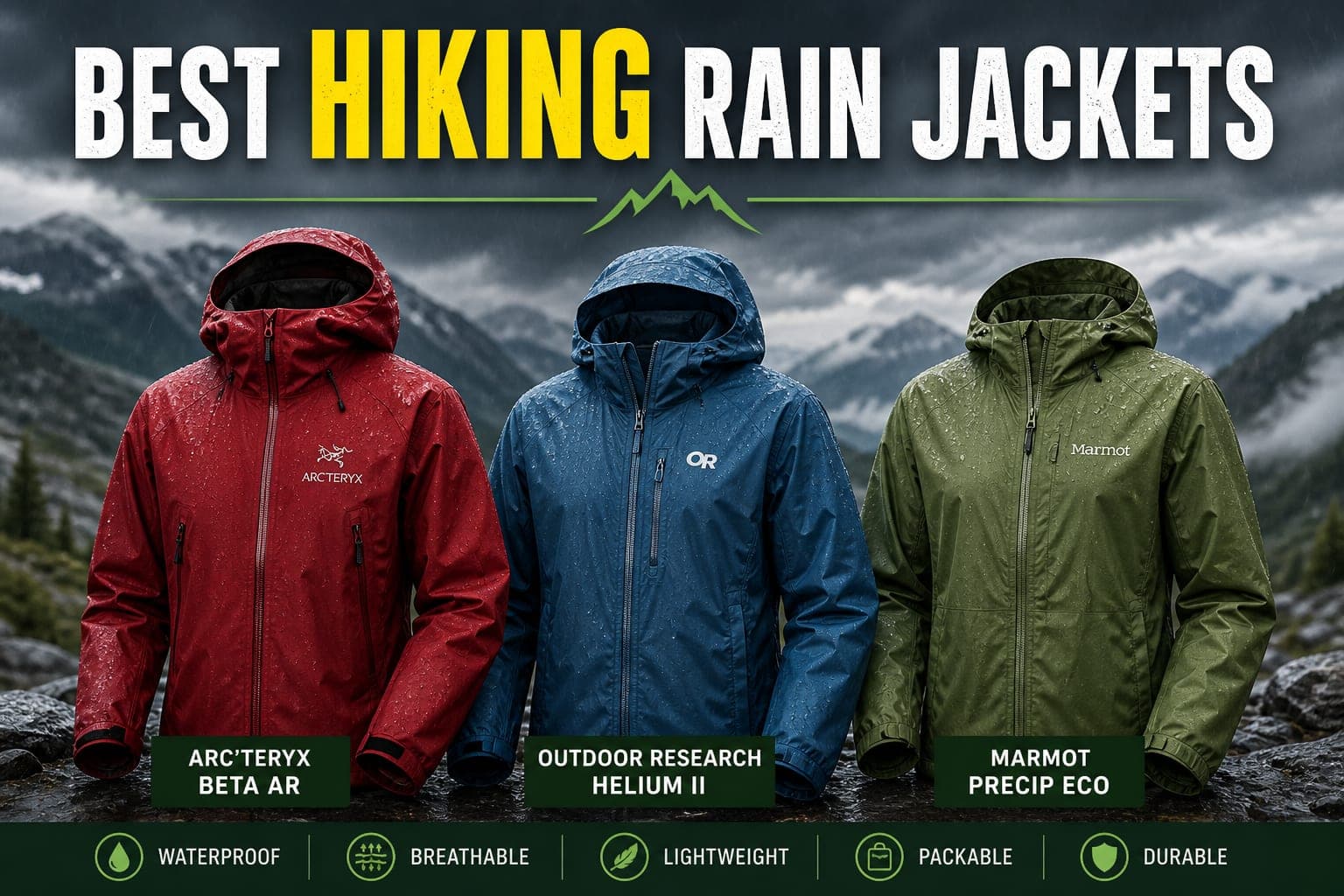
Premium hard shell for serious alpine rain and wind — overkill for fair-weather day hikes.
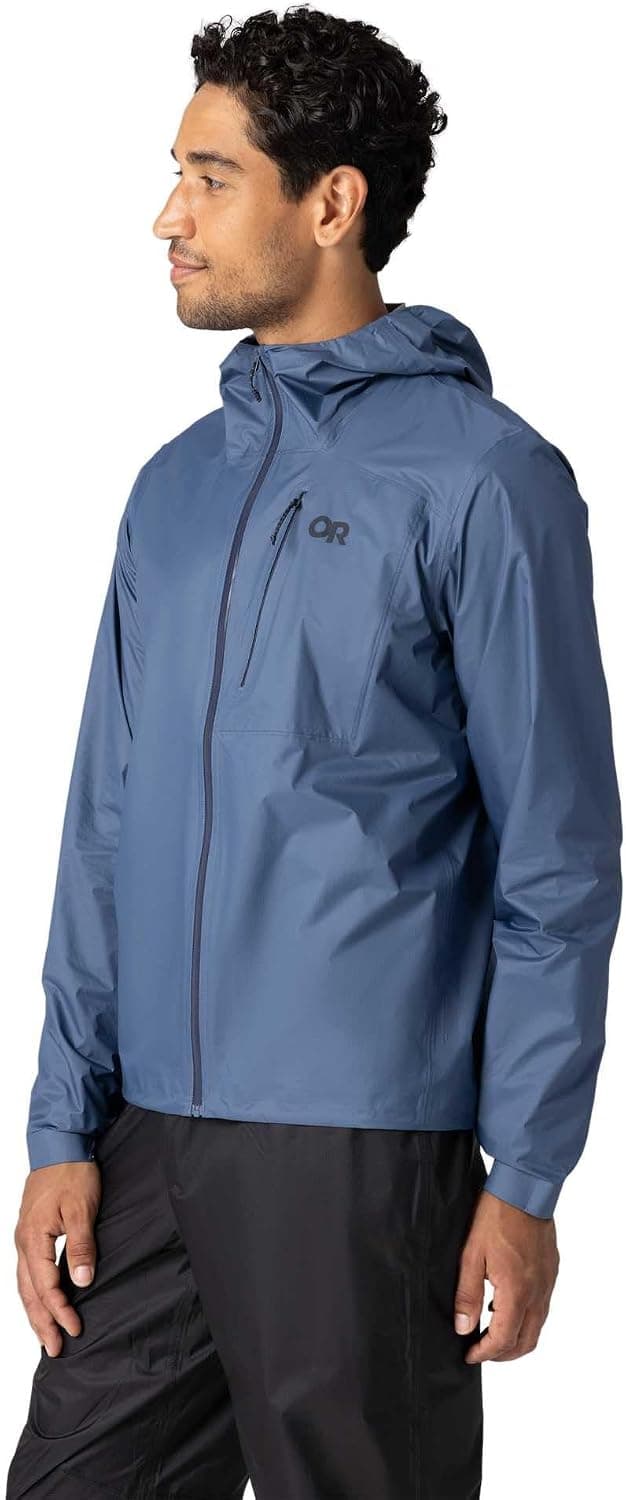
The ultralight emergency rain shell — pack-always backup that lives in your lid until weather turns ugly.
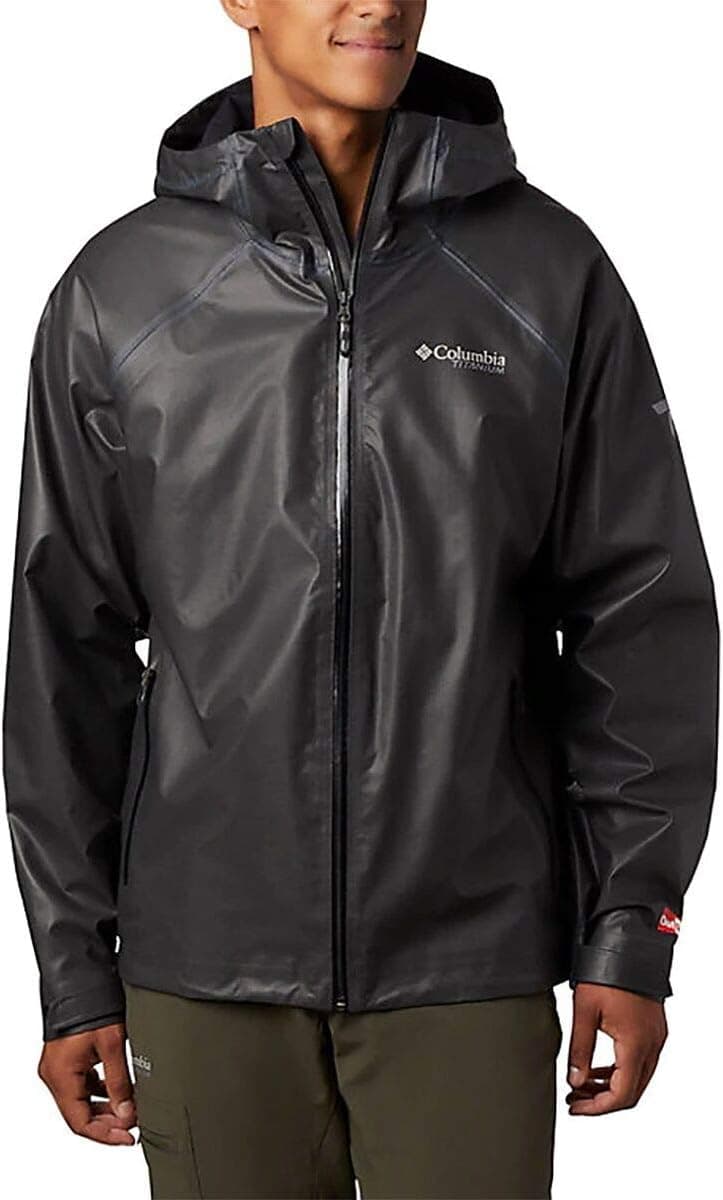
OutDry Extreme waterproofing for hikers who see sustained rain — membrane on the outside sheds water without wet-out anxiety.
The eco-minded 3-layer shell I recommend when you want real rain protection without hard-shell pricing — recycled materials with H2No storm worthiness.
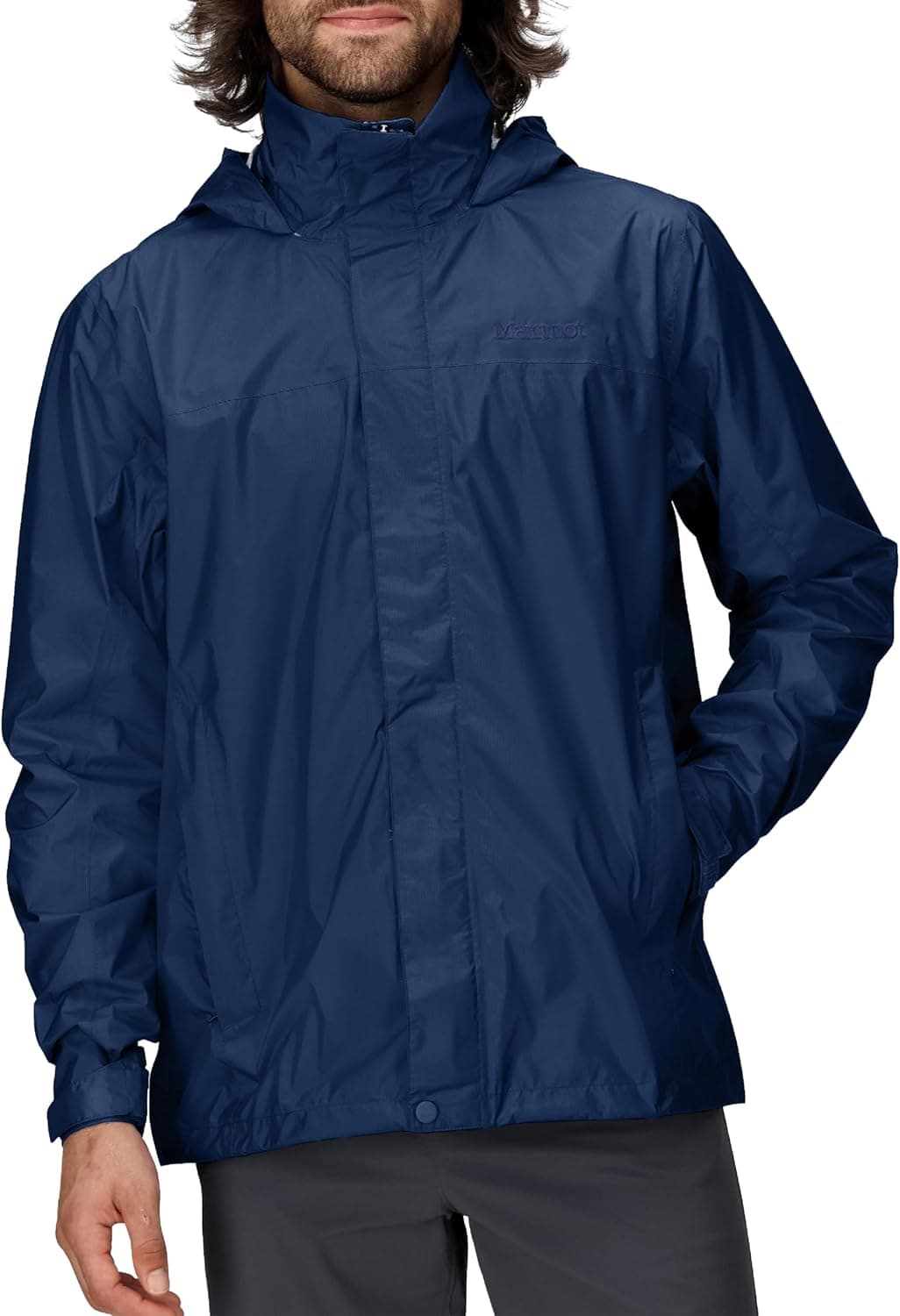
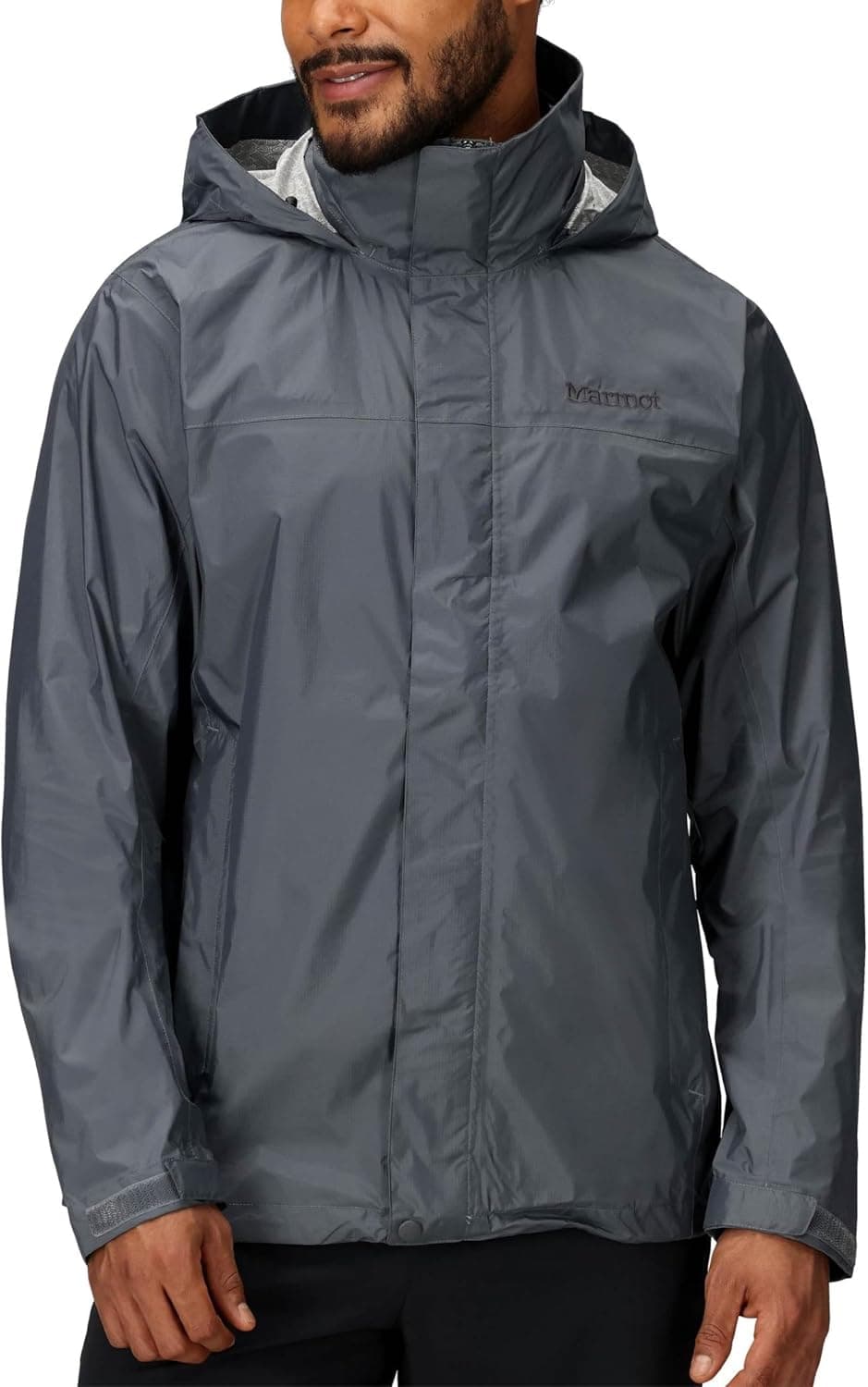
Budget NanoPro Eco rain jacket for moderate weather — entry-level waterproofing with recycled fabrics for occasional hikers.
Compare at a glance
How the top rain jackets stack up
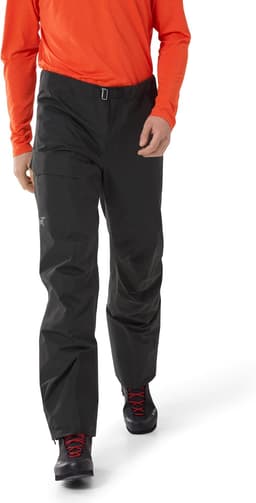
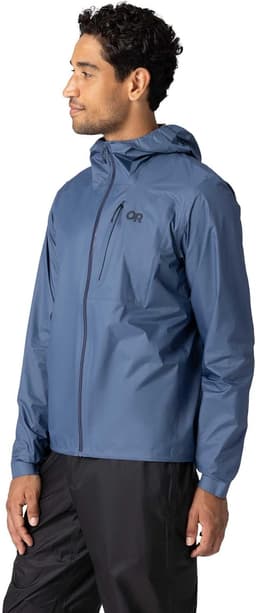
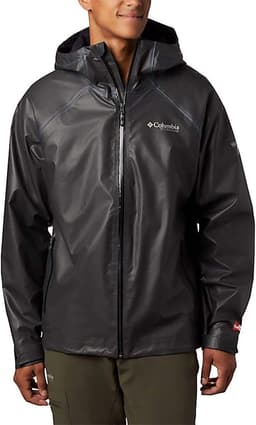
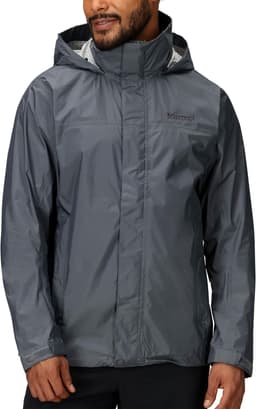
- Editor score
- 9.1/10
- Best for
- Stormy alpine treks
- Weight
- 445 g
- Waterproofing
- GORE-TEX Pro
- Why it wins
- Exceptional water resistance and breathability
- Trade-off
- High price point
- Experience
- Trail tested
- Editor score
- 8.3/10
- Best for
- Emergency shell
- Weight
- 181 g
- Waterproofing
- Pertex Shield+
- Why it wins
- Extremely lightweight and packable
- Trade-off
- Minimalist design lacks some features
- Experience
- Researched
- Editor score
- 8.4/10
- Best for
- Heavy rain
- Weight
- 438 g
- Waterproofing
- OutDry Extreme membrane
- Why it wins
- Outstanding water resistance for prolonged rain
- Trade-off
- Slightly stiff feel
- Experience
- Researched
- Editor score
- 8.7/10
- Best for
- Eco-conscious hiking
- Weight
- 413 g
- Waterproofing
- 3-layer H2No Performance Standard
- Why it wins
- Sustainable, eco-friendly materials
- Trade-off
- Heavier than some other options
- Experience
- Researched
Quick answer: The best hiking rain jacket for hut-trek storms is the Arc’teryx Beta AR — TRAIL TESTED BY LEE on TMB, Iceland, Skye, Bernina, Otter, Hornstrandir and Inca packing kits. Need a lighter emergency shell? Start with researched Outdoor Research Helium II. Value / eco roles below.
A hiking rain jacket’s job: stay dry when European weather flips mid-stage. This guide owns hiking rain jacket / best hiking rain jacket intent by role.
Also compare: Arc'teryx Beta AR vs Patagonia Torrentshell.
Evidence labels: Beta AR = TRAIL TESTED BY LEE. Other shells = RESEARCHED RECOMMENDATION (fabric class, weight, hood, packability + trail context) — not claimed worn on every trek. See clothing hub and hiking essentials.
Comparison snapshot
| Jacket | Role | Weight class | Breathability feel | Best trip style |
|---|---|---|---|---|
| Beta AR | Overall / premium | Mid | High | Multi-day Alps / UK rain |
| Helium II | Lightweight | Ultralight | Mid | Emergency / fastpacking |
| OutDry Ex Reign | Heavy rain | Mid | Mid–high | Persistent downpours |
| Torrentshell 3L | Eco / daily rain | Mid | Mid–high | Shoulder-season hut treks |
| PreCip Eco | Value | Light–mid | Mid | First serious shell |
The Best Hiking Rain Jackets
1. Arc’teryx Beta AR – Best overall (trail-used)
The Arc'teryx Beta AR is a high-performance rain shell designed for serious hikers, mountaineers, and anyone venturing into unpredictable or extreme weather conditions. It’s perfect for those who prioritize protection, quality, and reliability, even if it means investing more upfront.
Price: $599
Built with GORE-TEX Pro fabric, this jacket is ideal for situations where you may encounter sudden downpours or challenging elements. The breathable fabric prevents overheating, making it suitable for extended hikes and mountain climbs. Unlike many options, it’s designed to withstand years of tough use without wearing down.
For adventure seekers who need gear that won’t quit in tough conditions, the Beta AR is one of the top options. Though priced higher, Arc’teryx’s reputation for durability and performance makes it a worthwhile investment for committed hikers.
Key Features
- 3-layer GORE-TEX Pro fabric for maximum waterproofing
- Helmet-compatible hood and pit zips for breathability
- Adjustable cuffs and hem
- Weight: 15 oz
Reasons to buy
- Exceptional water resistance and breathability
- Durable, high-quality materials
- Lightweight for its level of protection
Reasons to avoid
- High price point
- Slim fit may not suit all body types
2. Patagonia Torrentshell 3L – Best Eco-Friendly Choice
The Patagonia Torrentshell 3L stands out among the best women’s rain jackets, offering high-quality protection against rain while being tailored for eco-conscious hikers. This jacket is ideal for those looking to reduce their environmental impact while still benefiting from a durable, protective layer.
Price: $200
The Torrentshell 3L excels at combining eco-friendly design with practical functionality. Patagonia’s use of 100% recycled materials makes this a top pick for hikers focused on sustainability. With its 3-layer H2No Performance Standard shell, this jacket effectively blocks out rain and wind while offering breathability.
It’s a bit heavier than ultralight options but perfect for those who want a robust, environmentally-friendly choice for moderate to challenging hikes. During testing, it kept us comfortable in consistent rain, making it a go-to for environmentally mindful adventurers.
Key Features
- 3-layer H2No Performance Standard shell
- 100% recycled face fabric
- Adjustable hood and hem
Reasons to buy
- Sustainable, eco-friendly materials
- Great water resistance and durability
- Affordable for a 3-layer jacket
Reasons to avoid
- Heavier than some other options
- Hood may not be compatible with helmets
3. Columbia OutDry Ex Reign – Best for Heavy Rain
The Columbia OutDry Ex Reign is designed for hikers and outdoor enthusiasts who frequently encounter heavy rain and need a dependable rain jacket for tough weather. Its exceptional waterproofing makes it perfect for regions with constant wet weather or for multi-day hikes where rain is expected.
Price: $149
Thanks to its OutDry Extreme technology, this waterproof jacket keeps you dry without soaking into any layer. Unlike typical rain jackets, which can feel damp after prolonged use, the OutDry Ex Reign repels water entirely, keeping you dry even in the heaviest downpours. The material is somewhat stiff, but the jacket breathes well enough to prevent overheating.
It’s ideal for casual hikes or extended excursions in wet climates, where its heavy-duty waterproofing is a major advantage over lighter jackets. To maintain its performance, it’s important to follow care recommendations, such as cleaning with a damp cloth and avoiding harsh detergents.
Key Features
- OutDry Extreme waterproof membrane
- Fully sealed seams
- Adjustable cuffs and hood
Reasons to buy
- Outstanding water resistance for prolonged rain
- Breathable design
- Affordable price
Reasons to avoid
- Slightly stiff feel
- Not ideal for high-intensity activity due to weight
4. Outdoor Research Helium II – Best Lightweight & Packable
The Outdoor Research Helium II is perfect for ultralight hikers, backpackers, and anyone who wants a compact, emergency rain jacket. It’s designed for those who prioritize portability and need a just-in-case layer that won’t take up much space or weight in a pack.
Price: $159
Made from Pertex Shield+ fabric, this jacket is impressively lightweight, making it easy to carry on any hike where rain is a possibility. It’s not intended for all-day rain protection but works well for sudden weather shifts.
Unlike bulkier jackets, the Helium II can be stashed in a pocket or clipped onto a pack, ideal for travelers who might need quick, reliable protection without bulk. In testing, it performed best in light to moderate rain, giving enough protection to get through unexpected showers comfortably.
Key Features
- Pertex Shield+ fabric for waterproofing
- Ultra-lightweight (6.4 oz)
- Packs into its own pocket
- Hand pockets for additional storage and comfort
Reasons to buy
- Extremely lightweight and packable
- Waterproof and windproof
- Great for emergency use
Reasons to avoid
- Minimalist design lacks some features
- Not ideal for prolonged rain exposure
5. Marmot PreCip Eco – Best Budget-Friendly Option
The Marmot PreCip Eco is the best choice for budget-conscious hikers or beginners looking for reliable protection without a hefty price tag. It’s perfect for those who plan to hike in moderate weather or need a casual rain jacket that doesn’t sacrifice basic functionality.
Price: $100
Marmot’s NanoPro Eco fabric balances waterproofing with breathability while also being environmentally friendly. It’s not designed for intense or prolonged rain, but for casual hikes or light showers, it performs exceptionally well. This jacket offers solid protection at a budget-friendly price, making it a great entry point for beginner hikers or those who hike occasionally.
Compared to higher-end jackets, it may lack extreme durability, but it still holds its own for the price. We found it comfortable, easy to adjust, and effective for light to moderate rain.
Key Features
- NanoPro Eco fabric with recycled nylon
- 100% seam-taped for waterproofing
- Adjustable hood, cuffs, and hem
Reasons to buy
- Affordable and eco-friendly
- Great breathability for the price
- Lightweight and comfortable fit
Reasons to avoid
- Less durable than higher-end options
- Not ideal for severe weather
Buying Guide: How to Choose the Best Hiking Rain Jacket
When it comes to choosing a hiking rain jacket, there’s no one-size-fits-all solution. Every hiker has unique needs depending on climate, trail conditions, and personal comfort preferences. Here’s a step-by-step guide to help you make an informed decision, along with an overview of key features to consider.
Step 1: Determine Your Hiking Environment
Your choice of rain jacket should start with an assessment of where you’ll be hiking most often. For example:
- Frequent, Heavy Rain: Opt for a jacket with robust waterproofing, like the Columbia OutDry Ex Reign, which handles prolonged rain excellently.
- Mixed Weather Conditions: For trails with variable weather, a breathable, all-purpose jacket like the Arc’teryx Beta AR or Patagonia Torrentshell 3L provides flexibility without compromising on protection.
- Light, Occasional Rain: If you only expect light showers, a lightweight and packable option like the Outdoor Research Helium II is often sufficient.
Step 2: Prioritize Key Features
Each feature in a hiking rain jacket contributes to its performance and suitability for different hiking needs. Here’s a breakdown of what to look for and how each impacts your choice.
1. Waterproofing Technology
- GORE-TEX: Known for durability and excellent waterproofing. Ideal for all-weather hikers and those in unpredictable climates.
- OutDry: Columbia’s OutDry technology features waterproofing on the outer layer, which excels in heavy rain situations, preventing water saturation.
- Patagonia’s H2No: Provides reliable waterproofing with eco-friendly materials, great for environmentally conscious hikers.
Choosing the Right Waterproofing: For the best hiking rain jackets, selecting the right waterproofing technology is crucial. For serious hikes in heavy rain, GORE-TEX or OutDry are best. For moderate climates, H2No offers good protection without the high price tag.
2. Breathability
- Breathability prevents you from feeling clammy, especially on strenuous hikes. Look for jackets with underarm vents or those made with breathable membranes like GORE-TEX Pro.
- Who Needs It?: If you’ll be engaging in high-energy activities (like mountain climbing or fast-paced hiking), a jacket with higher breathability is essential. For casual hikers, standard breathability will usually suffice.
3. Weight and Packability
- Lightweight Options: Jackets like the Outdoor Research Helium II are ideal for ultralight backpackers or day hikers who need a backup jacket for sudden weather changes.
- Midweight Choices: Midweight jackets, like the Patagonia Torrentshell, balance durability with a manageable weight, suitable for most trail conditions.
Who Needs a Lightweight Jacket? If space and weight are major concerns, such as for multi-day or long-distance hikes, choose a lightweight, packable jacket. Heavier options offer more durability and may be better suited for intense conditions or shorter hikes.
4. Durability
- Jackets with reinforced seams, tougher materials, and high-denier fabrics withstand wear and tear better. Durability is especially important if you’ll be hiking through rugged terrain or dense forests.
- Who Needs Durability?: For hikers who frequent rougher trails or expect to use their jacket extensively over several seasons, investing in a durable jacket like the Arc’teryx Beta AR will ensure it holds up over time.
5. Adjustability and Fit
- Hood, Cuffs, and Hem Adjustments: These features help keep rain out and ensure a snug fit that prevents wind from penetrating the jacket. Look for jackets with easy-to-adjust toggles and cinch cords.
- Who Benefits Most?: If you’ll be in windy conditions or hiking at higher altitudes, these adjustments can make a big difference in comfort and protection.
Features Head-to-Head: GORE-TEX vs. OutDry
Both GORE-TEX and OutDry are waterproofing technologies, but they excel in different conditions:
- GORE-TEX: Found in the Arc’teryx Beta AR, GORE-TEX uses a breathable membrane that keeps water out while allowing body heat to escape. It’s a go-to for all-weather versatility and is highly durable, making it ideal for varied hiking environments.
- OutDry: Columbia’s OutDry places the waterproof membrane on the outermost layer of the jacket, meaning water doesn’t soak in at all, making it great for heavy rain. It’s a bit stiffer but provides exceptional waterproofing for extended downpours.
Bottom Line: Making Your Choice
If You’re Looking for Durability and Heavy Protection: Choose a jacket with GORE-TEX or OutDry technology. These options are pricier but offer long-lasting weather protection and high-quality construction for all-weather hikers and mountaineers.
For an Eco-Friendly Option: The Patagonia Torrentshell 3L uses recycled materials and offers reliable waterproofing, making it a great choice for those who want an environmentally responsible option without sacrificing protection.
For Lightweight, Emergency Protection: Opt for a lightweight, packable jacket like the Outdoor Research Helium II, ideal for day hikers who need a just-in-case option for light rain.
With these considerations in mind, you’re well-equipped to choose a hiking rain jacket that meets your needs and keeps you comfortable and dry on the trails.
Types of Rain Jackets
Understanding Different Styles and Their Uses
Rain jackets come in various styles, each designed for specific activities and weather conditions. Understanding the different types of rain jackets can help you choose the best one for your needs.
- Hardshell Rain Jackets: These jackets are built for extreme weather conditions, offering superior waterproofing and wind resistance. Typically made with a waterproof and breathable membrane like Gore-Tex or eVent, hardshell jackets are perfect for serious hikers and mountaineers who need maximum protection in wet weather.
- Softshell Rain Jackets: Designed for milder weather, softshell jackets provide more flexibility and breathability. They are often made from water-resistant and breathable fabrics such as nylon or polyester. While they may not offer the same level of waterproofing as hardshells, they are ideal for activities that require a greater range of motion and comfort.
- Waterproof and Breathable Rain Jackets: These jackets strike a balance between waterproofing and breathability, making them suitable for a wide range of activities. Featuring membranes like Gore-Tex or eVent, they keep you dry while allowing moisture to escape, preventing that clammy feeling during strenuous hikes.
- Insulated Rain Jackets: For cold and wet weather, insulated rain jackets are the way to go. These jackets combine a waterproof and breathable membrane with insulation, such as down or synthetic fill, to keep you warm and dry. They are perfect for winter hikes or any activity in frigid, wet conditions.
By understanding the different types of rain jackets, you can choose the one that best suits your hiking needs and ensures you stay comfortable and protected in any weather.
Men’s, Women’s, and Unisex Options
Tailoring Your Choice to Fit and Style Preferences
Rain jackets are available in men’s, women’s, and unisex options, each designed to fit and flatter different body types. When choosing a rain jacket, consider the following factors:
- Fit: A well-fitting rain jacket is crucial for comfort and mobility. Look for a jacket that allows for a full range of motion, with sleeves and torso length that suit your body shape. Women’s rain jackets often have a more tailored fit around the waist and hips, while men’s jackets may offer a broader shoulder fit. Unisex options aim to provide a more universal fit but may not be as tailored.
- Style: The style of the jacket should match your outdoor activities. Technical jackets with features like helmet-compatible hoods and pit zips are ideal for hiking or backpacking, offering enhanced functionality and protection. For everyday wear, a more casual style might be preferable, providing comfort and ease of use.
- Features: Consider the features you need in a rain jacket. Adjustable cuffs, hems, and hoods can enhance fit and weather protection. A helmet-compatible hood is essential for climbers and cyclists, while pit zips offer additional ventilation for high-intensity activities.
By tailoring your choice to fit and style preferences, you can find a rain jacket that not only performs well but also feels comfortable and looks great.
Rain Jacket Care and Maintenance
Washing and Drying
To extend the life of your rain jacket, it’s essential to wash and dry it properly. Here are some tips:
- Washing: Always wash your rain jacket in cold water using a mild detergent. Avoid fabric softeners and bleach, as these can damage the waterproof and breathable membrane. It’s best to use a front-loading washing machine or a gentle cycle to prevent wear and tear.
- Drying: Dry your rain jacket on a low heat setting or air dry it. High heat can damage the waterproof membrane, so avoid using a high-temperature dryer. If air drying, hang the jacket in a well-ventilated area away from direct sunlight.
- Re-treating the DWR Finish: Over time, the Durable Water Repellent (DWR) finish on your rain jacket may wear off, reducing its effectiveness. To restore the DWR finish, use a product like Nikwax TX.Direct Spray-On. Apply it to a clean, damp jacket and follow the instructions for best results.
By following these care and maintenance tips, you can ensure your rain jacket remains effective and extends its lifespan, keeping you dry and comfortable on all your hiking adventures.
Conclusion: Choosing the Best Hiking Rain Jacket for Your Adventure
Finding the right hiking rain jacket can make all the difference in staying dry, comfortable, and ready for any weather that comes your way. Each of the top picks we’ve reviewed here offers unique advantages to suit different needs and preferences.
- For all-weather protection and durability, the Arc’teryx Beta AR is your best choice. It’s an investment, but its GORE-TEX Pro fabric and high-performance build make it a solid, long-lasting option for serious hikers and climbers.
- If sustainability is important, the Patagonia Torrentshell 3L delivers on both eco-friendliness and effective rain protection, ideal for environmentally-conscious hikers.
- For heavy rain, go with the Columbia OutDry Ex Reign—its OutDry technology provides unbeatable waterproofing, especially for hikers facing extended downpours.
- If you prioritize a lightweight, packable design, the Outdoor Research Helium II is your go-to, perfect for ultralight backpackers or anyone needing an emergency rain layer.
- For budget-conscious hikers, the Marmot PreCip Eco is an affordable option that still offers solid protection for moderate weather conditions.
What’s Next? Consider your hiking style, the typical weather you’ll face, and how much you want to invest in your gear. Once you’ve chosen the best fit, you can be confident that your jacket will keep you dry and comfortable on the trail. Click the links above to view each jacket in more detail and make your purchase. Get ready to hit the trails with a jacket that will stand up to the elements!
Frequently Asked Questions (FAQ)
1. What’s the difference between waterproof and water-resistant jackets? Waterproof jackets are designed to keep all moisture out, even during heavy rain, while water-resistant jackets can handle light rain or drizzle but may eventually allow water through. Waterproof jackets, like those with GORE-TEX or OutDry technology, are best for hikers who may encounter severe weather.
2. Are hiking rain jackets breathable? Yes, most hiking rain jackets are made with breathable materials to help manage sweat and moisture from the inside. Jackets with technologies like GORE-TEX Pro or venting features, such as pit zips, are particularly good at letting moisture escape, which helps prevent overheating during strenuous activity.
3. How do I choose the right size for a rain jacket? For hiking rain jackets, it’s usually best to choose a slightly looser fit to allow for layering. This ensures you can comfortably wear a base layer or a mid-layer underneath, which is helpful in cooler weather. Most brands have size charts, so refer to those and consider trying on a couple of sizes if you’re unsure.
4. How can I make my rain jacket last longer? To extend your jacket’s lifespan, clean it according to the manufacturer’s instructions, typically with a gentle wash and no harsh detergents. Reapply a Durable Water Repellent (DWR) coating every season to maintain waterproofing. Avoid drying it in high heat, and store it in a cool, dry place when not in use.
5. Do I need a heavy-duty jacket if I’m a casual hiker? Not necessarily. Casual hikers or those in mild climates can often get by with a lighter, budget-friendly rain jacket like the Marmot PreCip Eco. However, if you hike frequently or in unpredictable weather, investing in a higher-quality, durable jacket could save you money in the long run.
6. What’s the best jacket for someone who hikes in unpredictable weather? If you hike in conditions where the weather changes frequently, look for a versatile jacket with good breathability and waterproofing, such as the Arc’teryx Beta AR or the Patagonia Torrentshell 3L. These jackets provide flexibility without sacrificing protection.