Best Hiking Pants for Trekking: Convertibles & Softshell
Best hiking pants for trekking and day hikes: picks tested on trail. Zip-off convertibles and softshell compared for stretch, quick-dry and col mornings.
Last verified
Editor's shortlist
Top hiking pants picks
Hand-picked from real trail use and side-by-side comparisons — jump straight to the right model for your hike.
Convertible pants I wore daily on Alta Via 1 — zip-off legs beat carrying shorts separately.
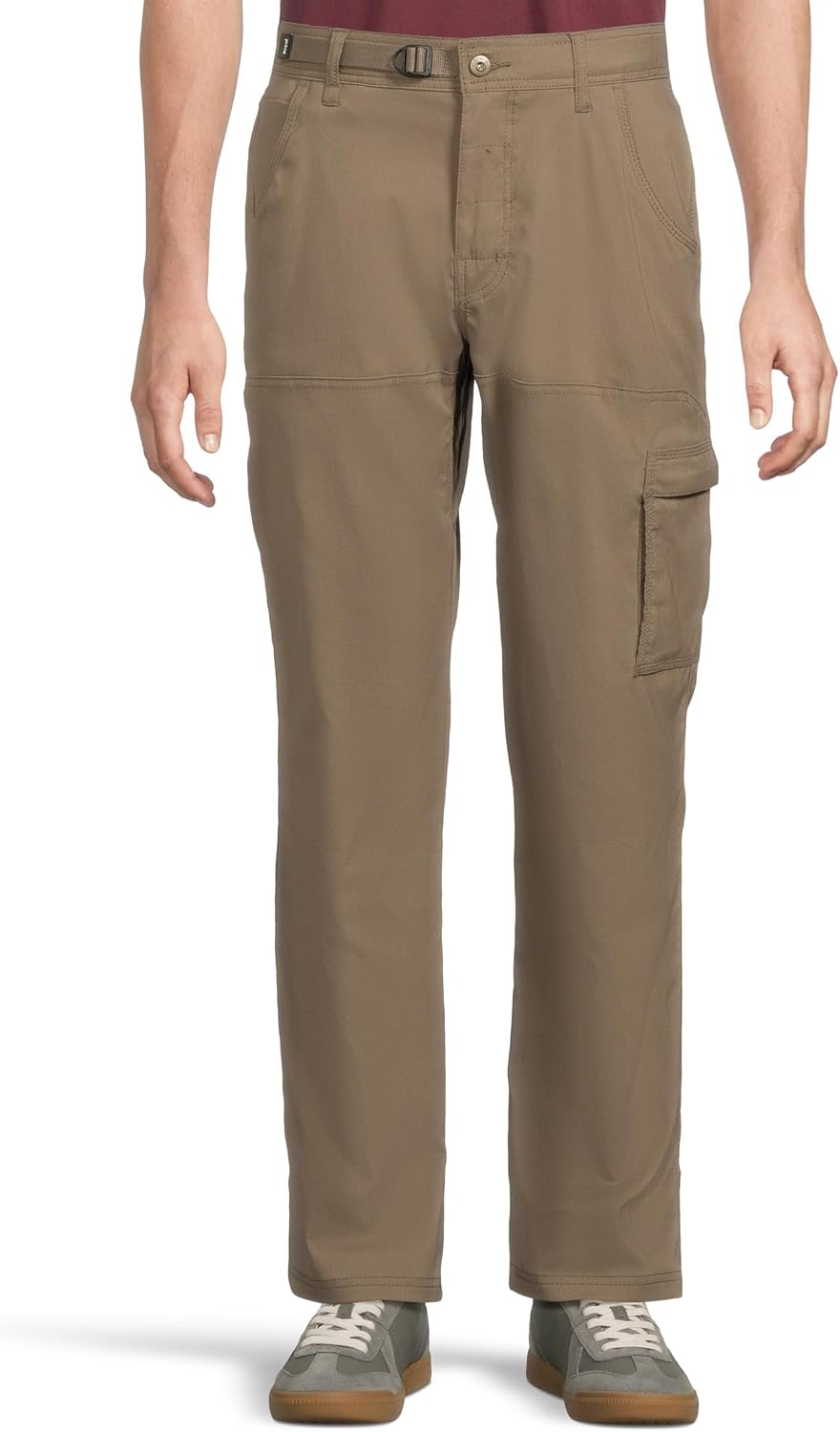
The go-to stretch hiking pant for US trails — durable nylon, DWR, and enough flex for scrambling.
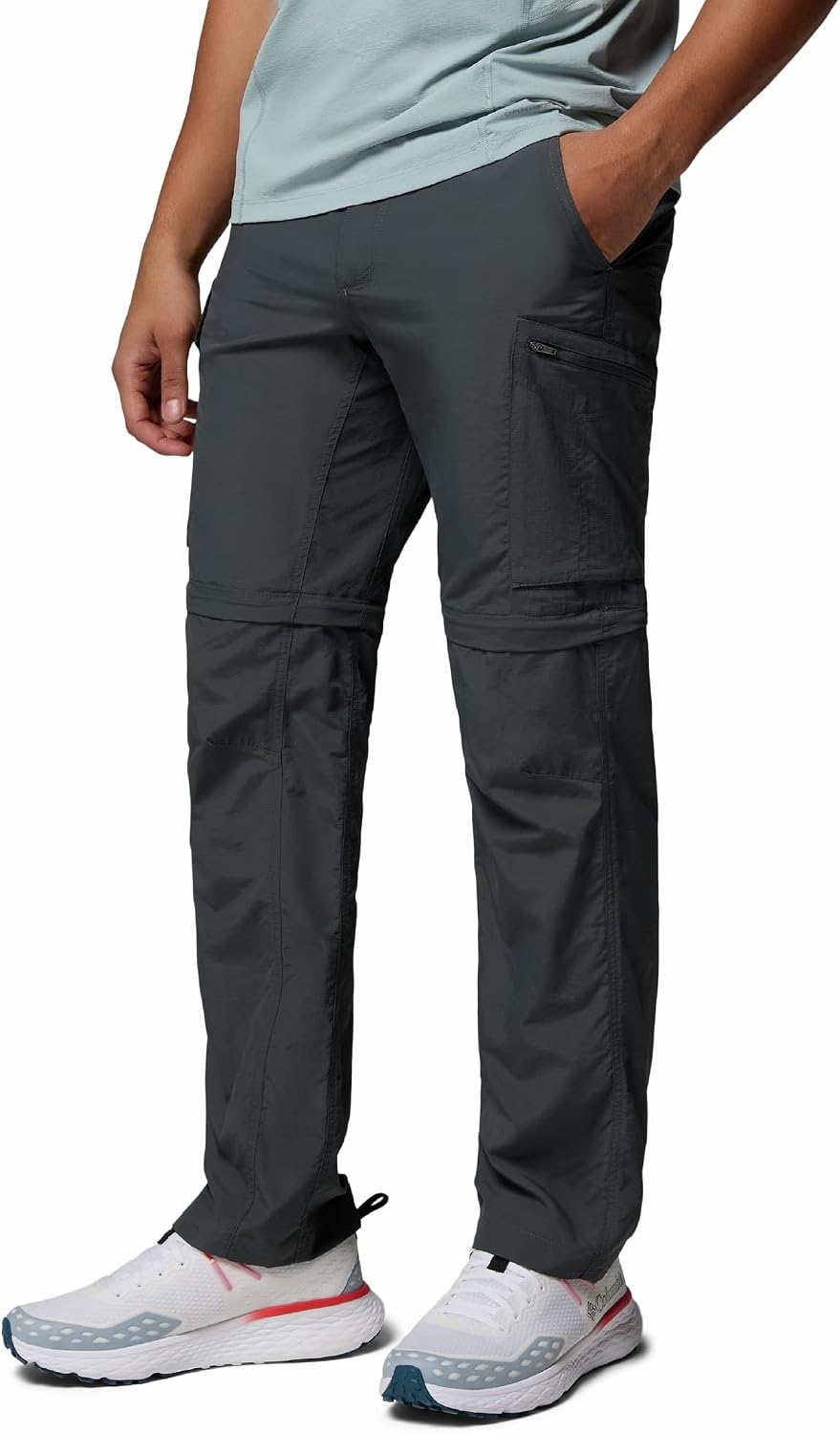
Affordable zip-off convertibles that cover most beginner hut treks without overthinking fit.
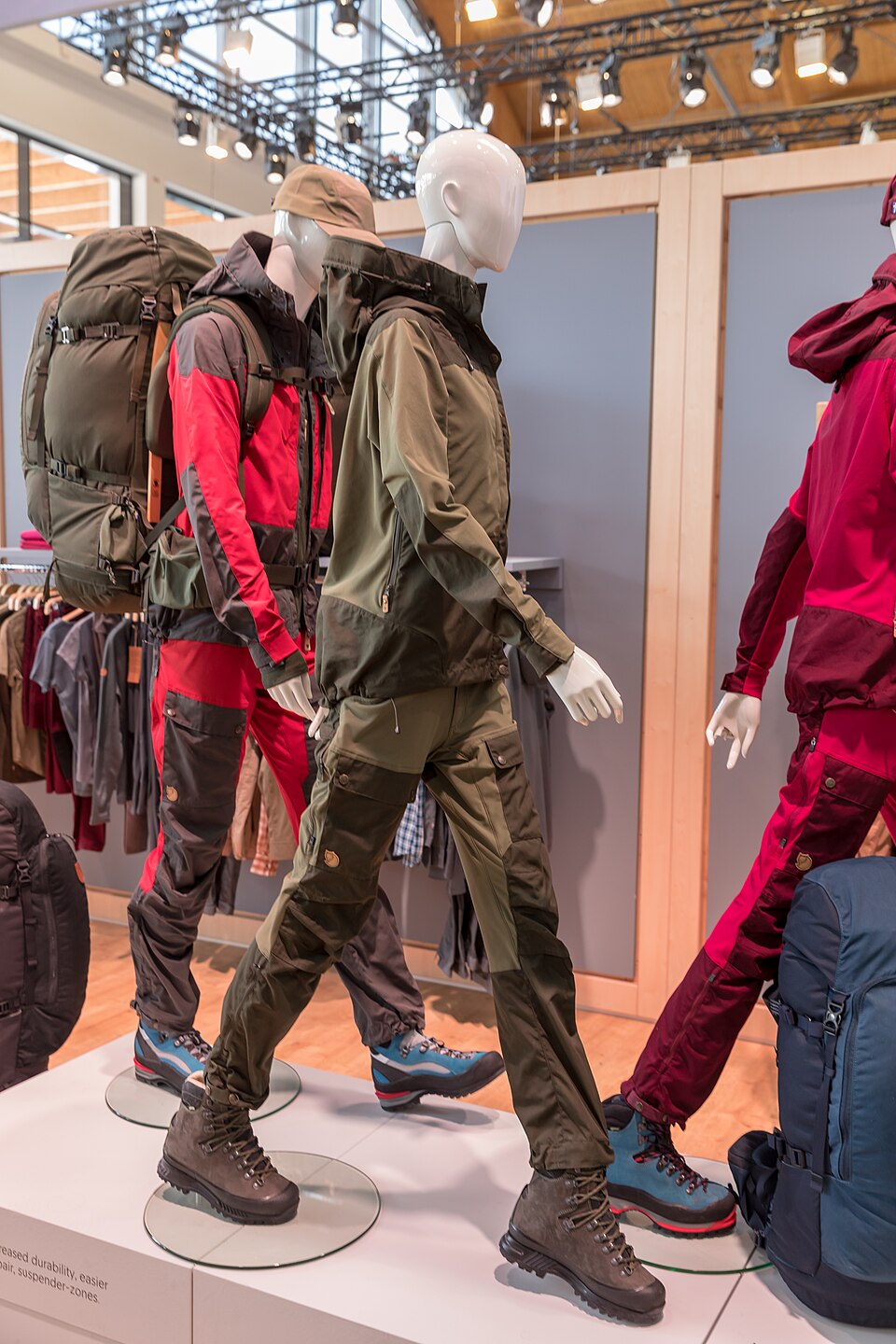
Premium trekking trousers built for weeks on trail — G-1000 durability with stretch where you need it.
Compare at a glance
How the top hiking pants stack up
- Editor score
- 8.8/10
- Best for
- Variable alpine weather
- Weight
- 400 g
- Why it wins
- Convertible pants I wore daily on Alta Via 1 — zip-off legs beat carrying shorts separate…
- Trade-off
- Zip lines and pockets add weight versus a single lightweight hiking pant
- Experience
- Trail tested
- Editor score
- 8.7/10
- Best for
- Scrambling approaches
- Weight
- 340 g
- Why it wins
- The go-to stretch hiking pant for US trails — durable nylon, DWR, and enough flex for scr…
- Trade-off
- Not a zip-off convertible for big alpine temperature swings — you carry roll-up convenien…
- Experience
- Worth considering
- Editor score
- 8.3/10
- Best for
- Budget convertibles
- Weight
- 380 g
- Why it wins
- **Zip-off legs:** Convert to shorts at lunch without stopping to change — legs store in c…
- Trade-off
- Less refined fit and fabric hand-feel than prAna Zion or Fjällräven Keb — you feel the bu…
- Experience
- Worth considering
- Editor score
- 9/10
- Best for
- Multi-week trekking
- Weight
- 610 g
- Why it wins
- Premium trekking trousers built for weeks on trail — G-1000 durability with stretch where…
- Trade-off
- Higher price and weight than Columbia Silver Ridge or prAna Zion — justify only if you hi…
- Experience
- Worth considering
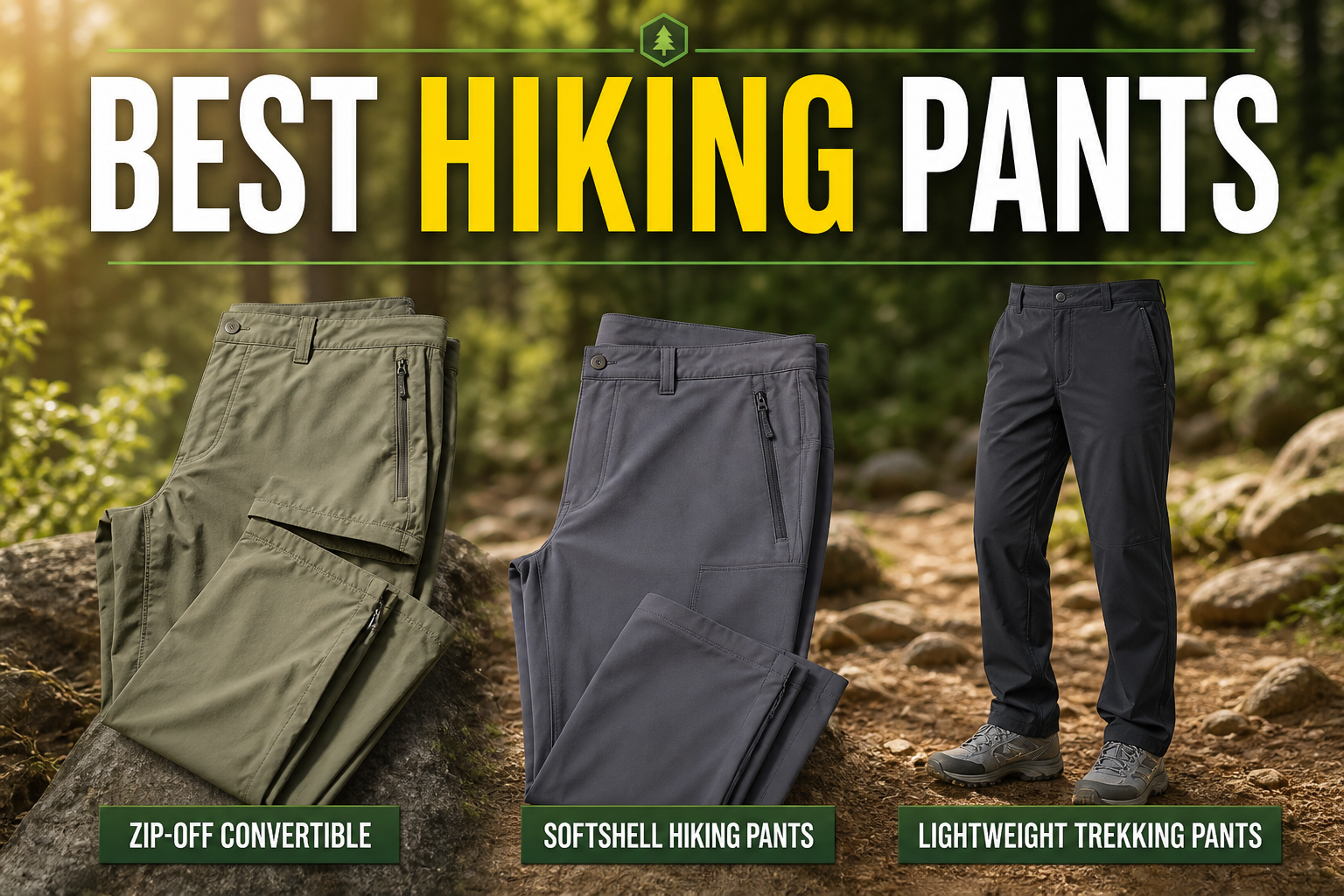
Hiking pants for trekking need to handle valley heat and col wind on the same day — zip-off convertibles beat carrying shorts separately.
I wore Jack Wolfskin Glastal Zip-Off Pants every day on Alta Via 1.
The Best Hiking Pants: Product Reviews
1. Jack Wolfskin Glastal Zip-Off Pants – Best Hut-Trek Convertibles
Best Hut-Trek Convertibles
Jack Wolfskin Glastal Zip-Off Pants
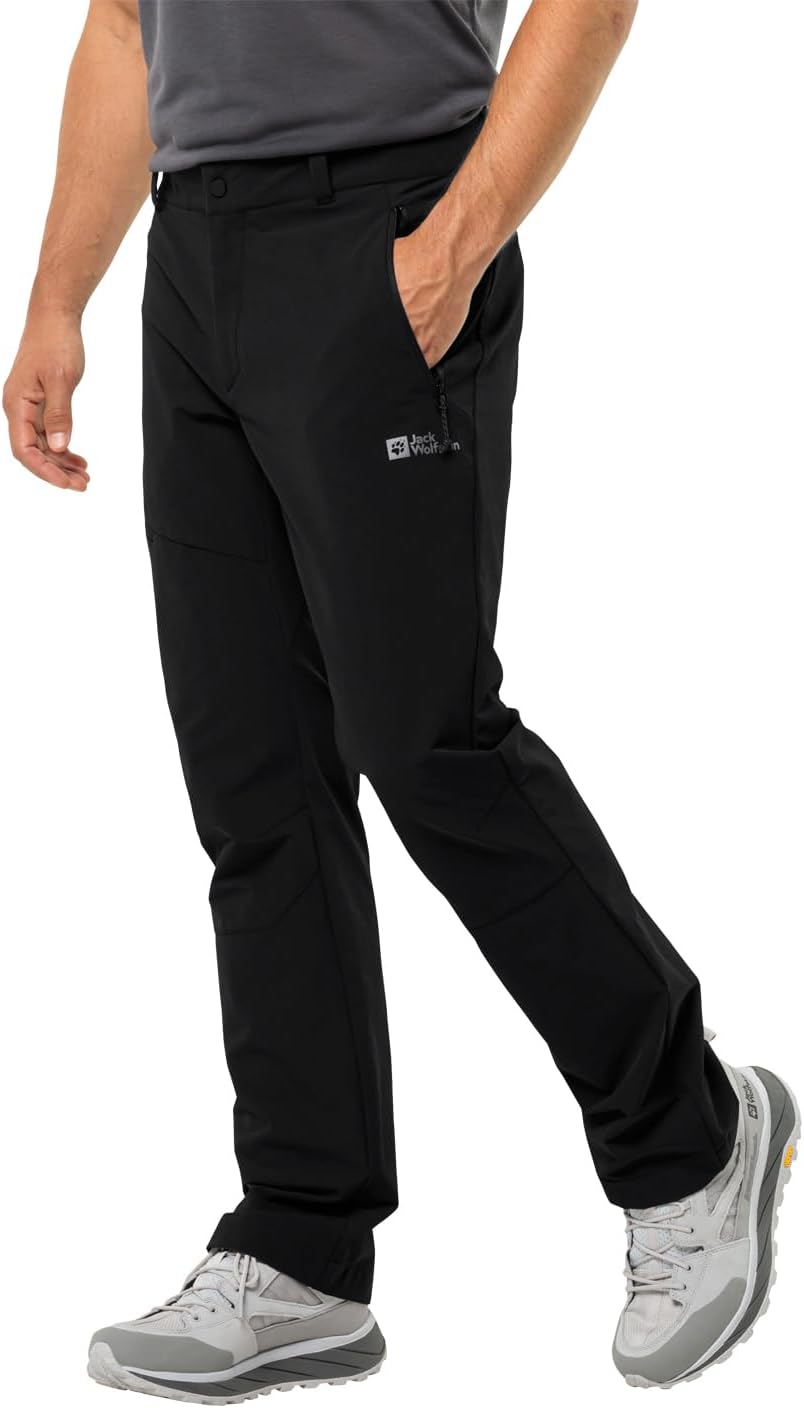
I wore Jack Wolfskin Glastal Zip-Off Pants every trekking day on Alta Via 1 — cold rifugio breakfasts, sun on cols by lunch, zip-off legs in the afternoon. The stretch nylon moves with high steps on hut stairs and scree without binding under a loaded hip belt. Quick-dry fabric handled shared-hut humidity and afternoon sweat without feeling clammy. One pair covered valley heat and col wind when I layered a Rab Microlight on top and left trousers unchanged below.
Reasons to buy
- Verified on eight AV1 hut-to-hut days
- Zip-off legs beat carrying separate shorts on temperature-swing treks
- Stretch fit works under trekking pack hip belts
- Mid-tier price for European trekking durability
Reasons to avoid
- Zip hardware can snag if legs are removed carelessly
- Less wind-resistant than dedicated softshell trousers
- Brand sizing runs European — check chart before ordering
2. prAna Stretch Zion Pants – Best Softshell Trail Pants
prAna Stretch Zion Pants
prAna Stretch Zion Pants are the non-convertible softshell I recommend when zip-offs feel fussy but you still need durable trail trousers. DWR-treated stretch nylon handles scrambling approaches and windy UK ridge stops without switching to hard-shell leg layers. Articulated knees and a gusseted crotch keep stride length natural on long TMB stages. No zip-off hardware means quieter fabric on descents and fewer failure points on multi-week routes.
Reasons to buy
- Excellent stretch and durability for scrambling days
- DWR sheds light rain on exposed cols
- Clean look for town stops on hut-to-hut routes
- Strong US trail standard with wide size range
Reasons to avoid
- No zip-off option for hot afternoon transitions
- DWR wears off — reproof after a season of washing
- Less budget-friendly than Columbia convertibles
3. Columbia Silver Ridge Convertible Pants – Best Budget Convertibles
Columbia Silver Ridge Convertible Pants
Columbia Silver Ridge Convertible Pants cover the first hut trek budget without pretending to be alpine softshell. UPF 50 and Omni-Wick ripstop nylon handle Otter Trail sun and river-crossing splashes. Zip-off legs convert to shorts on hot Cederberg afternoons — same temperature logic as Glastal on AV1, at lower cost. Expect less stretch than premium convertibles; size for thigh room with loaded pack fit checks.
Reasons to buy
- Strong value for beginner trekking wardrobes
- UPF 50 for high-exposure routes
- Quick-dry nylon for humid hut environments
- Widely available sizing for men and women
Reasons to avoid
- Less stretch than Jack Wolfskin or prAna options
- Zip-off legs bulkier in pocket than premium pairs
- Fabric less abrasion-resistant on granite scrambles
4. Fjällräven Keb Trousers – Best Premium Trekking Trousers
Fjällräven Keb Trousers
Fjällräven Keb Trousers are the multi-week trekking upgrade — G-1000 reinforcement at knees and seat survives abrasive Cederberg rock and repeated bus-conveyor abuse on European hut loops. Thigh and calf ventilation zips dump heat on long Bernina ascents without stripping to shorts. Stretch panels keep mobility on technical steps. Heavier than convertibles (~610 g) but built for hikers who wear one trouser for ten consecutive trail days.
Reasons to buy
- G-1000 reinforcement for abrasive terrain
- Ventilation zips for alpine temperature swings
- Premium build quality for multi-week routes
- Excellent for Scandinavian and UK wind-exposed trekking
Reasons to avoid
- Highest price and weight in this guide
- No zip-off legs — plan layering for hot afternoons
- Stiff until broken in on first two hiking days
Buying Guide: How to Choose Hiking Pants
When you shop for hiking trousers, ignore fashion cuts and focus on trail mechanics: do they bind when you high-step onto a boulder? Do zip-off legs flap in wind? Does the waist sit comfortably under a loaded hip belt for eight hours?
Inseam length matters more than brand. Too long and you step on cuffs on descents; too short and gaiters won't cover ankle gaps. Try trousers with the socks and boots you'll hike in.
Colour is not vanity on long treks — dark colours hide dirt between laundry stops; light colours run cooler in Cederberg heat but show mud on Skye.
Pockets: At least one zip pocket for phone and hut cash. Map pocket on thigh is optional but useful on navigation-heavy routes like Cederberg.
DWR coating wears off after a season of washing. Reproof once a year if you hike weekly — spray-on DWR is cheaper than replacing trousers.
Budget tiers: Decathlon and Columbia convertibles cover most hut treks; premium softshell from Rab or Arc'teryx adds weather resistance for UK and Iceland. The Glastal sits in the mid tier — good zip-off mechanics without alpine softshell pricing.
Women's fit: If hip belt pressure is an issue, look for articulated knees and stretch panels. Some hikers prefer leggings under shorts for hot days instead of zip-offs — valid, but you still need long coverage for sun and scratches on bush trails like the Otter Trail.
Break-in: Wear new trousers on two local day hikes before a multi-day trek. Inner-thigh hot spots show up around hour four — fix with fit or anti-chafe before you fly to the Dolomites.
Pair trousers with Merrell Moab boots or your preferred hiking boots — cuff overlap prevents debris entry.
Before ordering online, read return policies — trouser fit is harder to guess than boot size. Many European outdoor shops offer free hemming; worth a stop in Cortina or Chamonix before a Dolomites or TMB trek. Check the Italy hiking guide for gateway towns.
Fabric weight: Lightweight nylon dries fastest on hut laundry lines; heavier softshell resists wind on exposed UK ridges. Match fabric to your slowest-drying environment — humid Skye punishes cotton-like absorbency.
Reinforcement zones: Knees and seat panels matter on Cederberg rock and Otter Trail scrambles. Keb-style reinforcement is overkill for smooth AV1 paths but pays off on abrasive granite.
Layering below: Merino tights under zip-offs on cold AV1 mornings; skip tights on hot Cederberg afternoons when legs zip off at lunch. Rain pants go over trousers, not instead of them, on wet UK days.
One-trouser rule: Hut treks with nightly laundry need one hiking trouser plus evening clean set — not three similar pairs. Convertibles reduce decision fatigue when weather swings hourly.
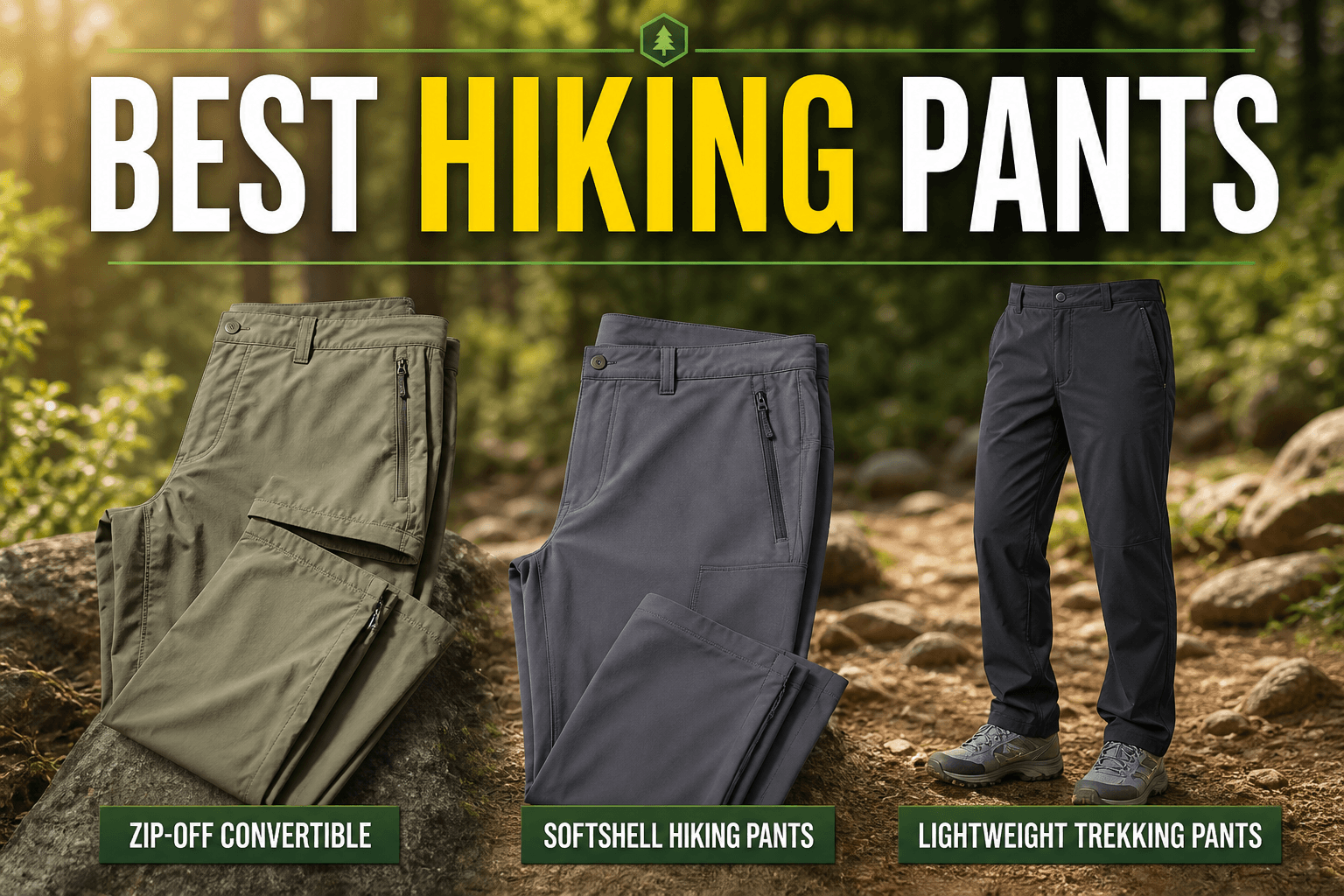
Zip-off vs softshell
| Type | Best for |
|---|---|
| Zip-off convertibles | Hut treks with big temperature swings (Dolomites, Pyrenees) |
| Softshell trousers | Windy UK hills, scrambling approaches |
| Rain pants | Layer over shorts on wet day hikes — pair with rain jacket |
Trekking vs day hiking
- Day hiking: Lighter trousers or shorts + rain pants in pack
- Multi-day trekking: Durable convertibles you can wear for a week — quick-dry fabric helps in shared huts
- Camping: Same as trekking; add long base layer for cold evenings
Layer with insulation
Cold mornings: add Rab Microlight on top — pants stay the same all day.
Fabric and fit
Nylon vs softshell: Most trekking trousers use stretch nylon or poly blend. Softshell adds wind resistance without a full hard shell — useful on exposed UK ridges and Dolomite cols where you stop often for photos.
Fit checks before a long trek:
- Waist: Belt loops or integrated belt — hip belt on your pack should sit above trouser waist without pinching
- Thigh room: Enough stretch for high steps on hut stairs and scree
- Length: Ankle or just above boot cuff — long enough to cover gaiters if you use them
- Zip-off: Leg zips should clear your calves when removed; store legs in an outside pocket for quick weather changes
I sized the Glastal with hiking boots and a loaded pack in the shop — not flat trainers.
Trekking routes where pants matter
| Route | Why trousers beat shorts | My notes |
|---|---|---|
| Alta Via 1 | Cold 6 a.m. rifugio starts, sun on cols by midday | Zip-off legs every afternoon |
| Tour du Mont Blanc | Variable alpine weather across three countries | Pair with rain jacket |
| Otter Trail | Bush, sun, and river crossings | Durable nylon; quick-dry after swims |
| Cederberg | Heat, rock abrasion, long camp days | Tough fabric; long pants for sun |
| Skye Trail | Midges, wind, rain on exposed sections | Full-length legs most days |
For hut treks with half-board, you only need one pair of hiking trousers plus a clean set for the evening — see any trek packing list for the clothing capsule.
Softshell and rain-pant pairing
On wet UK or Iceland trips, I wear softshell or hiking trousers as the main leg layer and keep packable rain pants in the top pocket. On dry Dolomites weeks, zip-offs handle 90% of days without rain pants.
Layering order: base short or tights (optional) → hiking trousers → rain pants → gaiters if muddy.
Women's and men's fit
Most brands offer gendered cuts — women's versions often have shorter rise and hip shaping. If you are between sizes, size for thigh fit with long strides rather than waist alone; you can always belt the waist.
Unisex convertibles like the Glastal work well when the size chart matches your inseam — check Jack Wolfskin sizing before ordering.
Care and longevity
- Rinse mud same day on multi-day treks — grit abrades fabric at inner thighs
- Wash on gentle cycle; avoid fabric softener (reduces DWR)
- Reproof with spray DWR if water stops beading — especially after many hut-laundry cycles in Europe
Related gear guides
- Best hiking boots for men — trouser length vs boot height
- Best insulated jackets — morning layer over unchanged pants
- Best hiking rain jacket — shell over trousers in storms
- Hiking essentials — beginner clothing checklist
- Clothing category — full catalog
- My gear — what I actually own
Common questions
Frequently asked questions
Straight answers on fit, features, and buying — open a question to read more.
No — cotton holds moisture and chafes on long trekking days.
Useful with mid boots on muddy UK or alpine routes — see boots guide.
Official resources: Jack Wolfskin Glastal · Leave No Trace clothing tips