How Hard Is the Tour du Mont Blanc? Difficulty & Fitness Guide
Tour du Mont Blanc difficulty explained — fitness, elevation, technical sections, altitude and who the 170 km hut-to-hut loop is right for.
Hiked by Lee
Self-guided
Last verified
Is the Tour du Mont Blanc hard? Moderate overall — not a technical mountaineering route, but demanding in stamina, elevation and weather. We hiked 170 km, ~10,000 m of ascent over 11 days self-guided. This page answers fitness, altitude, technical sections and who the TMB suits.
Also read: Complete TMB Guide · Itinerary · Trek overview
Difficulty at a glance
| Factor | TMB reality |
|---|---|
| Overall rating | Moderate multi-day trek |
| Technical climbing | None on the main route (fixed ladders only) |
| Daily distance | 7–18 km typical; up to 18 km on hard variant days |
| Daily elevation gain | 330–2,050 m depending on stage |
| Highest cols | ~2,500 m (Grand Col Ferret, Col de la Seigne, Fenêtre d’Arpette) |
| Trail marking | Excellent waymarking on main TMB |
| Biggest challenges | Cumulative fatigue, weather, exposure on variants |
Who is the TMB for?
Good fit if you:
- Hike regularly and can manage 6–8 hours on trail with a pack
- Are comfortable in shared dorm refuges and variable weather
- Want a classic European hut trek without glacier skills
- Can train on hills or stairs even if you live somewhere flat
Reconsider or plan extra rest days if you:
- Have a fear of heights and want to do high variants (Robert Blanc, Fenêtre d’Arpette, ladders)
- Need private rooms every night — refuges are mostly dorms
- Cannot carry 5–8 kg pack weight for consecutive days
- Are new to multi-day hiking — build up with shorter hut treks first (e.g. Bernina, Alta Via 1)
Fitness requirements
The TMB does not require climbing skills, but it does require endurance.
What “moderate” feels like on trail
- Long uphill mornings almost every day
- Rocky descents that punish knees (Courmayeur, Les Houches finish)
- Back-to-back big days — our day 2 variant was 12 hours and 2,050 m gain
- Mental stamina when weather turns (our day 9: sleet and hail at Col de Balme)
Minimum preparation
| Time before trip | Training focus |
|---|---|
| 8–12 weeks | 3×/week cardio (run, cycle, stairs) |
| 6–8 weeks | Weekly hike with pack; increase distance + elevation |
| 4 weeks | Practice with full pack weight you’ll carry on TMB |
| Final week | Taper; break in footwear; no new gear |
We trained from the Netherlands (flat) using Stairmaster, treadmill incline, squats/lunges and weighted walks — it was enough, but hill training would have helped more on day 2.
Hardest sections (from our hike)
| Stage | Why it’s tough |
|---|---|
| Day 2 — Robert Blanc variant | Long, rocky, high; navigation mistakes cost hours |
| Day 3 — Variant descent to Italy | Exposed, loose rock, slow technical footing |
| Day 5 — Bonatti climb | 1,100 m gain; can combine with bus logistics |
| Day 8 — Bovine / Arpette choice | Arpette is a serious high pass in weather |
| Day 9 — Col de Balme | Short but steep; storm exposure |
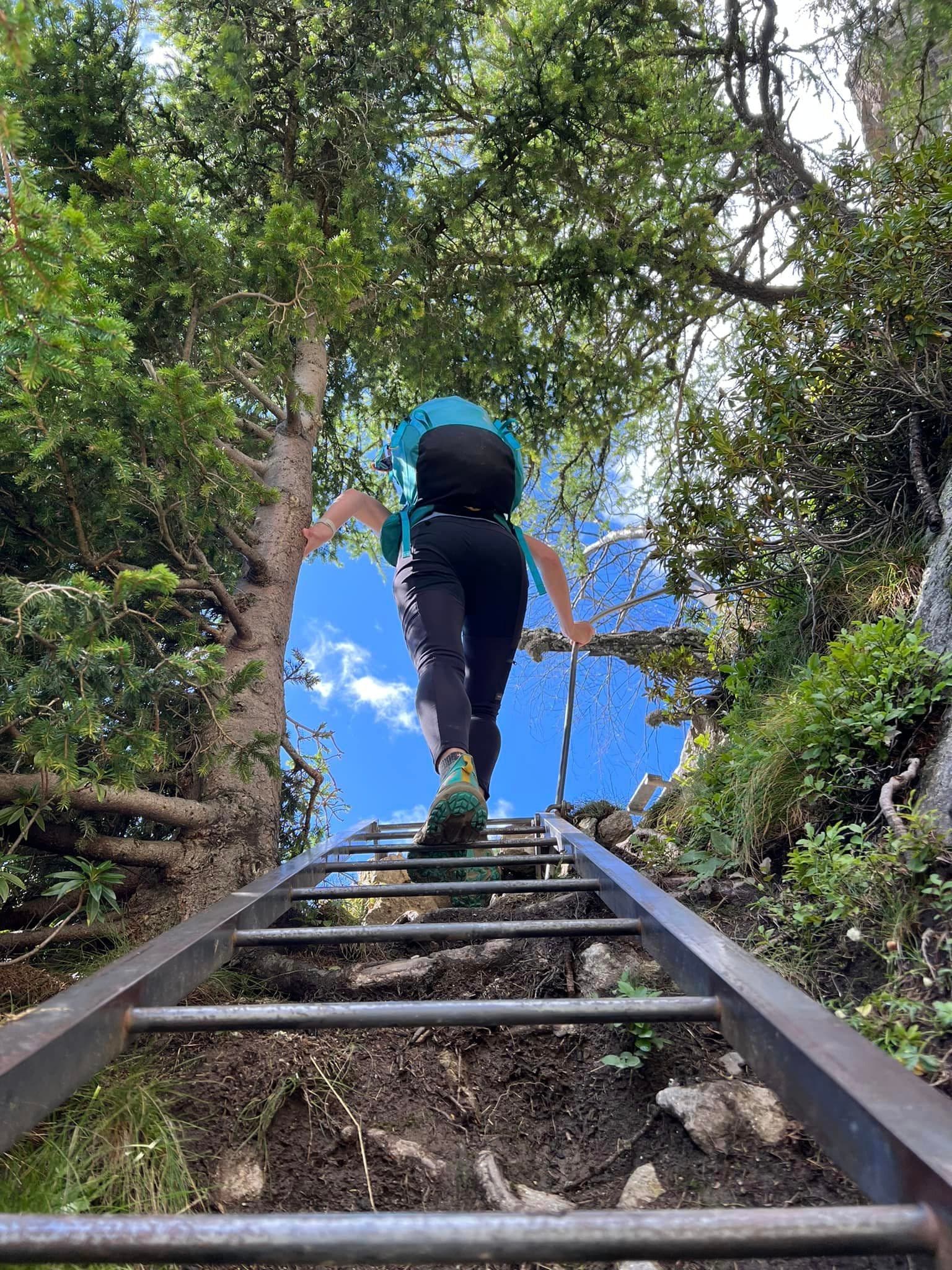
| Day 10 — Ladders + Lac Blanc | Fixed ladders; crowds; exposure if you fear heights |
| Day 11 — Long descent | Blisters from cumulative downhill |
The classic route without variants is easier than our itinerary — see day-by-day breakdown.
Altitude on the TMB
You sleep mostly 1,400–2,500 m; highest cols around 2,500 m. This is not high-altitude trekking like Nepal — most hikers won’t need acclimatisation days.
Still expect:
- Colder nights at refuges
- Faster weather changes above 2,000 m
- Slower pace on cols if you’re not used to elevation
Technical difficulty
| Feature | Difficulty | Notes |
|---|---|---|
| Main TMB path | Grade T1–T2 (alpine hiking) | Well maintained, waymarked |
| Fixed ladders (day 10) | Moderate exposure | Secure; queues in peak season |
| Robert Blanc variant | Hard | Remote; only in stable weather |
| Fenêtre d’Arpette | Hard | Snow/ice possible early/late season |
| Glacier travel | Not required | On standard TMB |
No crampons or ropes on the standard summer route.
Weather & season
Best months: late June – September (see trek best months).
| Condition | Best picks | Why it excels | Extra tips |
|---|---|---|---|
**Rain** | Slippery rock; need reliable rain shell | ||
**Heat** | Long climbs in Val Ferret; start early | ||
**Storms at cols** | Turn-around or lift escape (we used Balme lift) | ||
**Early season** | Snow on high variants |
Pack for all four seasons in one week — layers matter more than raw fitness.
Pace & rest days
Classic itinerary = 10–11 hiking days. Adding a rest day in Courmayeur or Champex makes the trek noticeably easier without shortening the route.
Cable car shortcuts (Bellevue, Flégère, Balme) reduce difficulty on specific days — legitimate tactics, not cheating.
Compared to other treks
| Trek | vs TMB |
|---|---|
| Alta Via 1 | Similar hut style; TMB has more elevation total |
| Bernina Trek | Shorter; TMB is longer and more logistically busy |
| Laugavegur | Rougher camping/weather; TMB has more comfort |
| Skye Trail | Muddier, wilder; TMB is more manicured |
Bottom line
The Tour du Mont Blanc is achievable for fit hikers with solid preparation — not easy, but not expert-level. Respect variants, weather and cumulative fatigue. Train legs and pack light.
Related planning
- Packing list — keep base weight under 7 kg
- Itinerary — choose classic vs variant days
- Refuges — recovery in dorms vs hotels
- Navigation — maps and offline GPS for variants
Next guide
Tour du Mont Blanc Navigation Guide: Maps, GPS & Waymarks
How to navigate the Tour du Mont Blanc — waymarked trails, AllTrails offline maps, Garmin GPS, variants, permits and what we used on trail.
Related guides
planning hub
After the Hike: Recovery, Lessons & What to Do Next
3 min read
Read guide →
trek comparison
Alta Via 1 vs Tour du Mont Blanc: Which Hut Trek Should You Hike?
Alta Via 1 · 7 min read
Read guide →
planning ladder
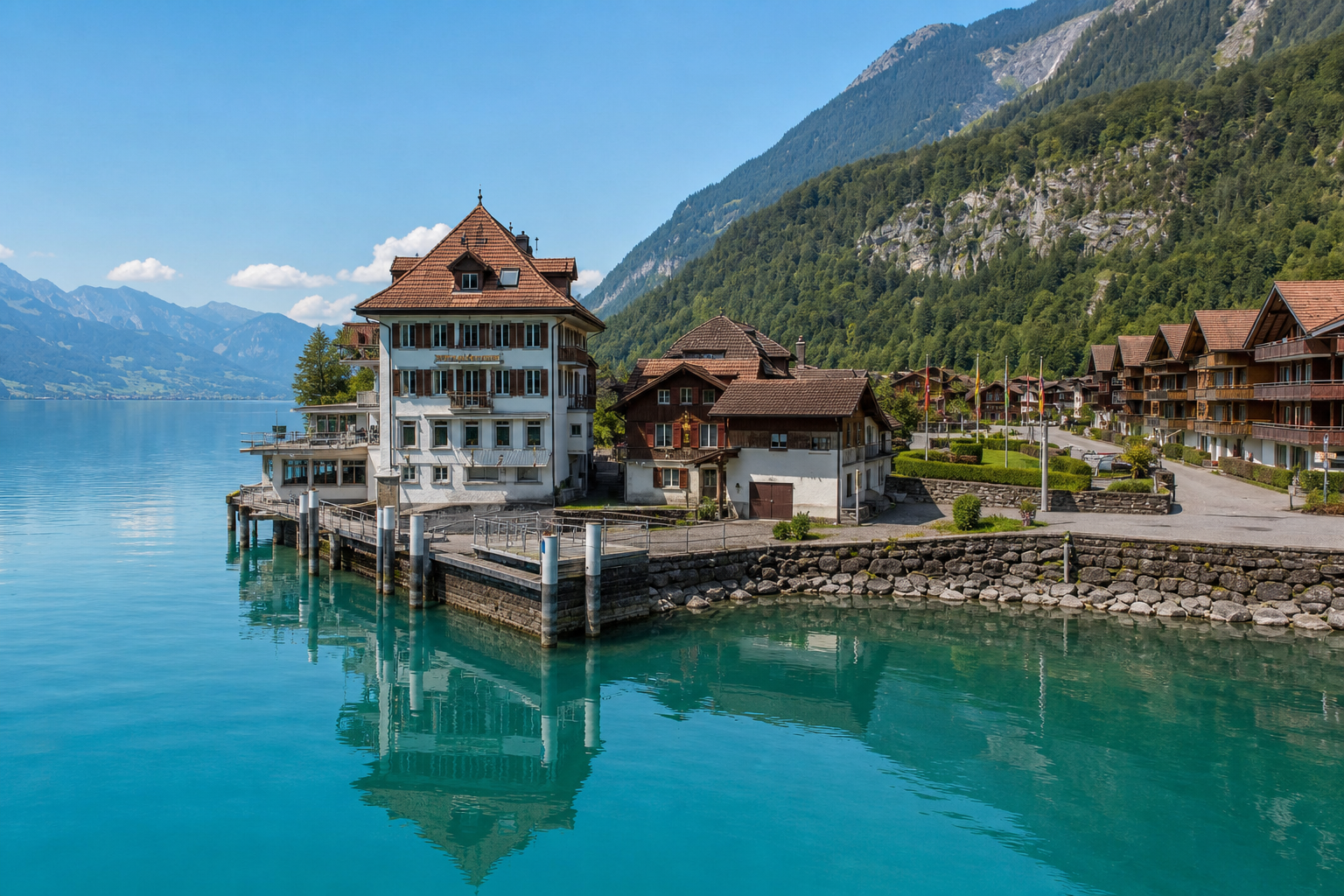
Beginner Hut-to-Hut Ladder: Iseltwald & Sorapis → Laugavegur → AV1 → TMB
6 min read
Read guide →