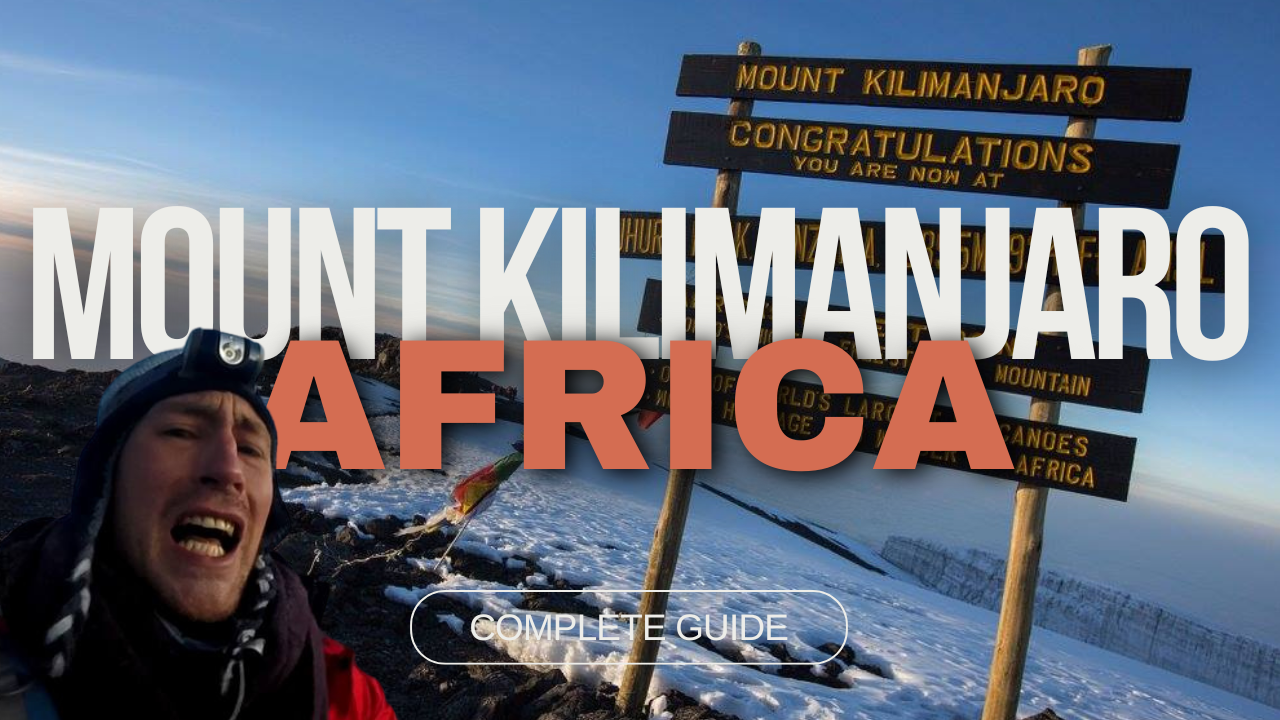
How Hard Is Kilimanjaro? Difficulty & Altitude Guide
Kilimanjaro difficulty — challenging 7-day Machame ascent, altitude to 5,895 m, summit night endurance and who Africa's highest peak suits.
Hiked by Lee
Guided
Last verified
Kilimanjaro is challenging — not because of technical climbing (no ropes required), but because of altitude, summit-night endurance and six consecutive days of climbing before the final push to 5,895 m.
Also read: Complete Guide · Itinerary · Trek overview


Difficulty at a glance
| Factor | Kilimanjaro reality |
|---|---|
| Overall | Challenging |
| Technical | None — walk-up summit |
| Duration | 6–7 days on mountain |
| Highest point | Uhuru Peak 5,895 m |
| Main challenge | Altitude + summit night cold |
| Style | Guided camping with porters |
What makes it hard
- Altitude — thin air above 4,000 m; breathing laboured on summit night
- Summit night — midnight start, 6+ hours, –20 °C wind chill
- Duration — cumulative fatigue over a week
- AMS risk — headache, nausea; some climbers turn back
- Cold — Barafu night at –10 °C; summit colder still
- Mental grind — left foot, right foot, repeat in the dark
Lee: "Every inch of your body telling you to stop" on summit night — but the trail itself is manageable.
Who is it for?
Great fit if you:
- Have good general fitness and hiking experience
- Can hike 6–8 hours on consecutive days
- Accept guided climbing (required for most routes)
- Are willing to go pole pole — slowly, slowly
- Want a non-technical Seven Summits tick
Reconsider if you:
- Have serious heart/lung conditions (consult doctor)
- Ignore acclimatisation — shorter routes increase AMS risk
- Expect a casual walk — summit night is brutal
- Cannot handle cold or basic camp conditions
Compared to other treks
| Trek | vs Kilimanjaro |
|---|---|
| Gokyo + Island Peak | Harder — glacier, 6,189 m, longer |
| Laugavegur | Easier — lower altitude, huts |
| Rainbow Mountain | Shorter high-altitude day hike |
| Marangu (5–6 days) | Same summit, faster ascent = more AMS risk |
Hardest moments (Lee's Machame climb)
| Stage | Challenge |
|---|---|
| Day 3 | Lava Tower at 4,600 m — first serious altitude |
| Day 4 | Barranco Wall scramble in thin air |
| Barafu camp | Can't sleep before summit; freezing tent |
| Summit night | 6-hour switchbacks; frozen water bottles |
| Descent | Exhausted legs; others turning back with AMS |
Altitude sickness — take it seriously
| Symptom | Action |
|---|---|
| Mild headache | Monitor, hydrate, tell guide |
| Nausea, worsening headache | Stop ascending; consider descent |
| Confusion, ataxia | Descend immediately — HACE/HAPE emergency |
Machame's climb-high-sleep-low (Lava Tower → Barranco) is key to acclimatisation.
Training (12–16 weeks out)
| Focus | How |
|---|---|
| Endurance | Weekly long hikes; stair climber / incline treadmill |
| Leg strength | Squats, lunges, step-ups with pack |
| Multi-day | Back-to-back hike weekends |
| Mental | Practice discomfort — cold, fatigue, repetition |
| Altitude | Pre-exposure if possible (high passes, altitude chamber) |
Making it easier
- Choose 7-day Machame or Lemosho — not 5-day Marangu
- Pole pole — slowest hiker sets the pace
- Hydrate constantly — guides emphasise water
- Rent warm gear — don't skimp on sleeping bag rating
- Pick operator with good safety record and porter welfare
Related planning
- Navigation — guided trail pacing
- Packing list — summit layers
- Itinerary — acclimatisation days
- Gokyo EBC — harder Himalayan comparison
Next guide
Kilimanjaro Navigation: Trails, Pacing & Summit Night
How to navigate Kilimanjaro — well-trodden Machame trail, guide-led pacing, pole pole acclimatisation and summit-night switchbacks.