Best for
- Photography treks
- Compact aerial footage
Loading…
DJI · Mini 4 Pro
Best Overall
Best for hikers who want the top balance of portability, video quality, and safety features — if you accept batteries and park rules in your pack.
First-hand / trail-tested
Trail tested
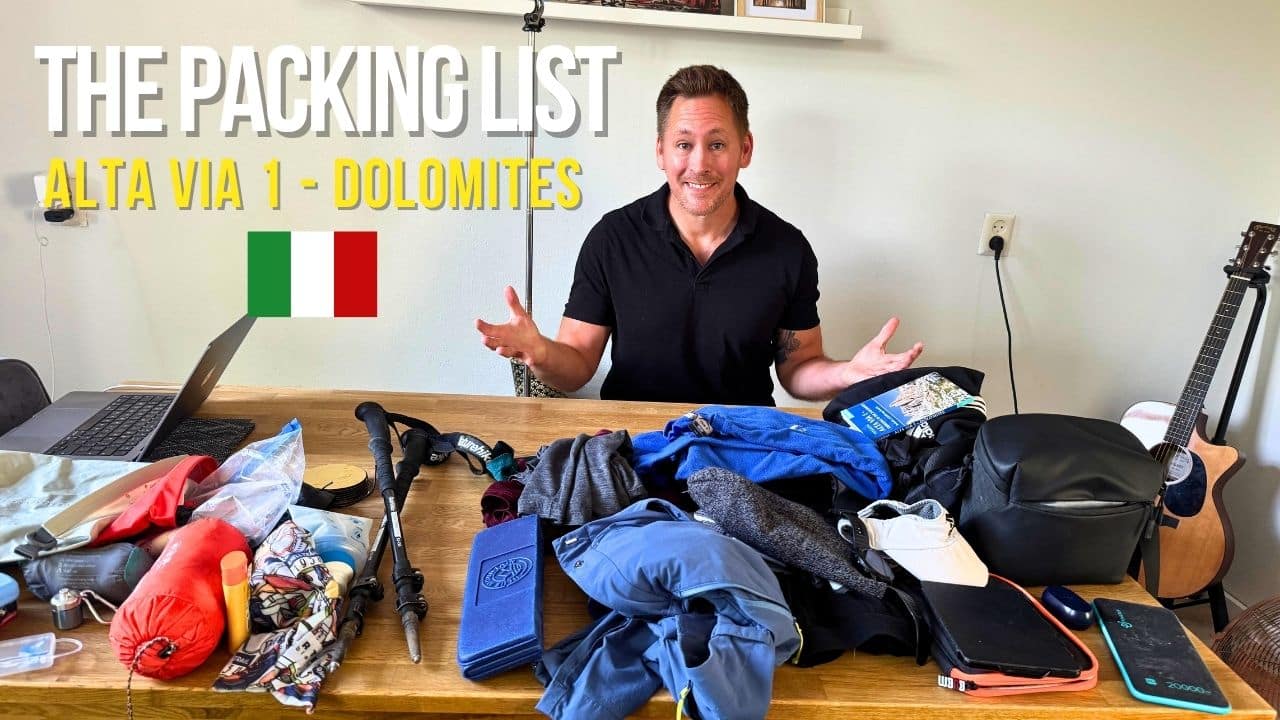
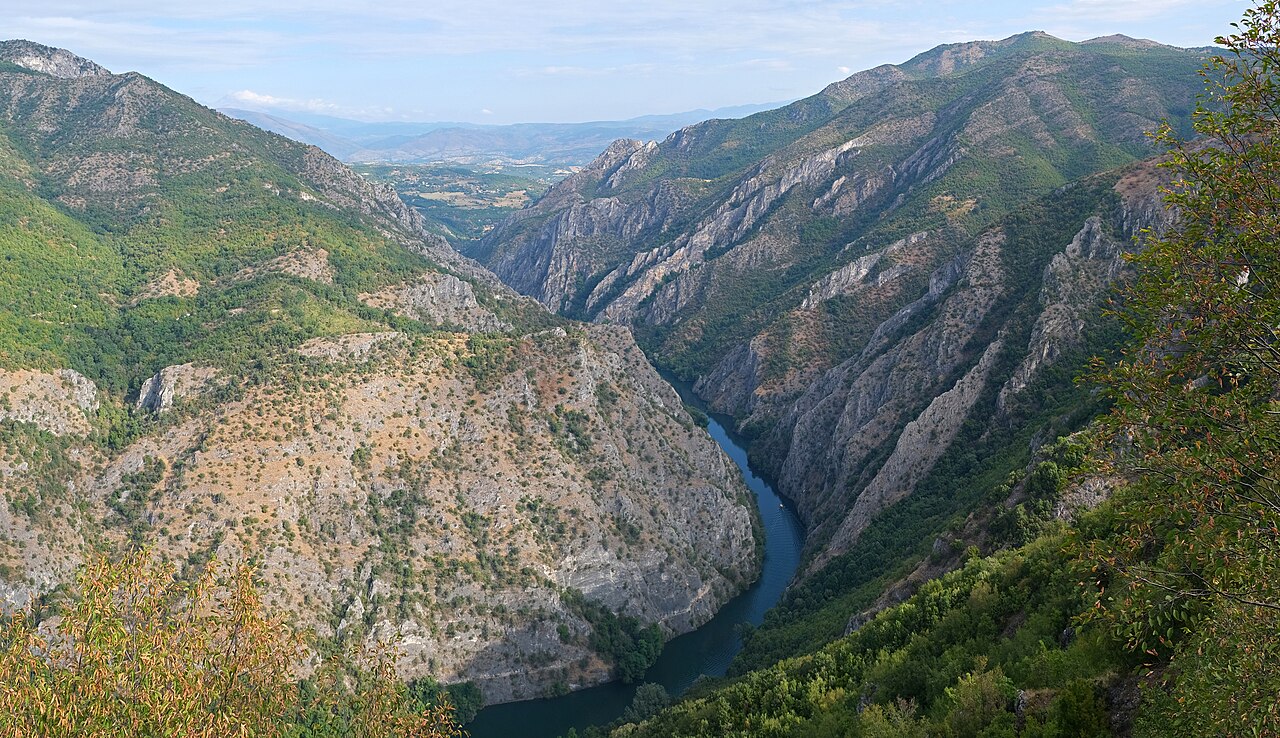
Used on: Alta Via 1 · Matka Canyon
Carried on Alta Via 1 as part of a compact photo kit (with phone and power bank) to keep pack weight manageable.
Fit check
Quick read on where DJI Mini shines — and where you should look elsewhere.
Full trail review
Best for hikers who want the top balance of portability, video quality, and safety features — if you accept batteries and park rules in your pack.
Suited for trekking · hiking
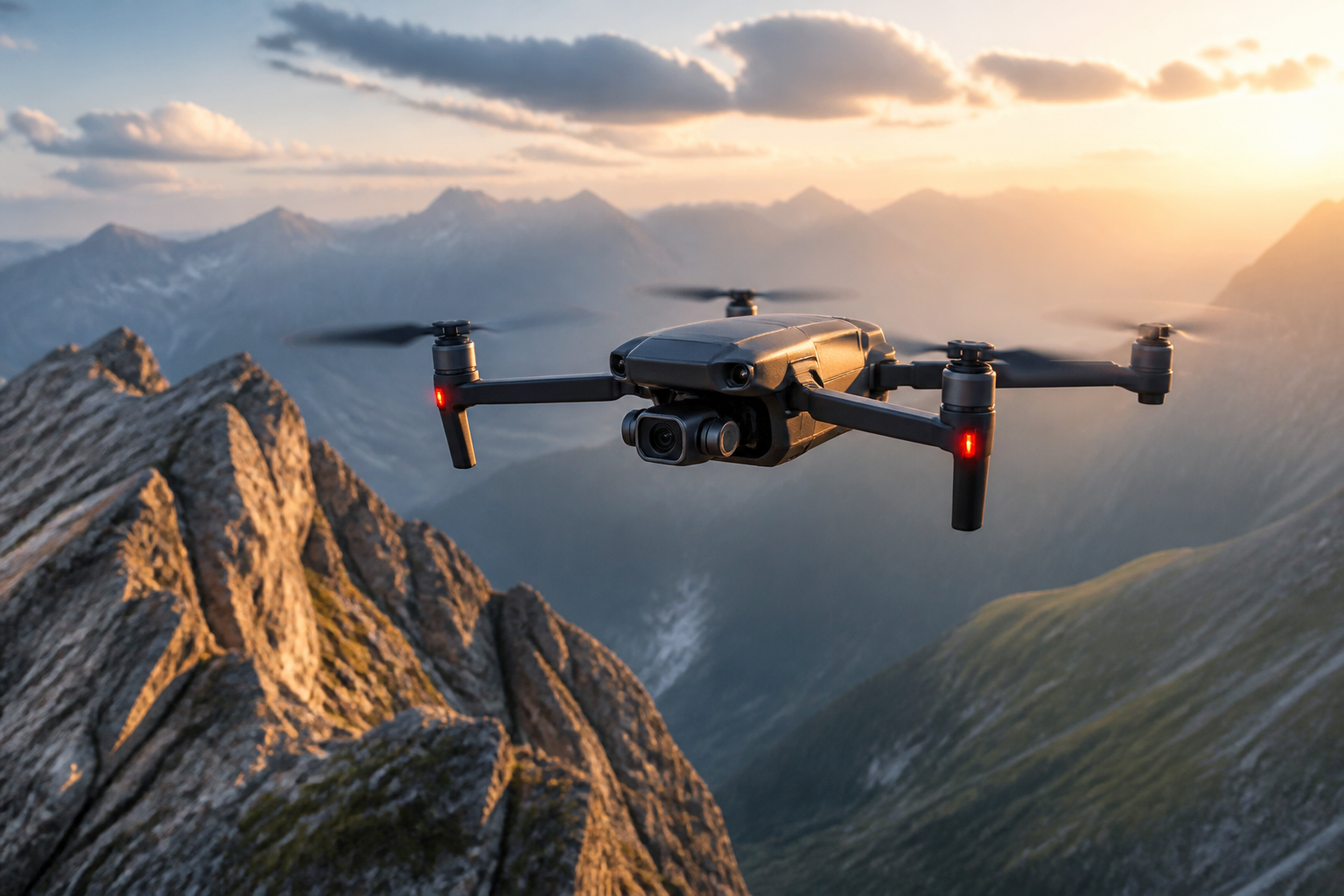
On trail
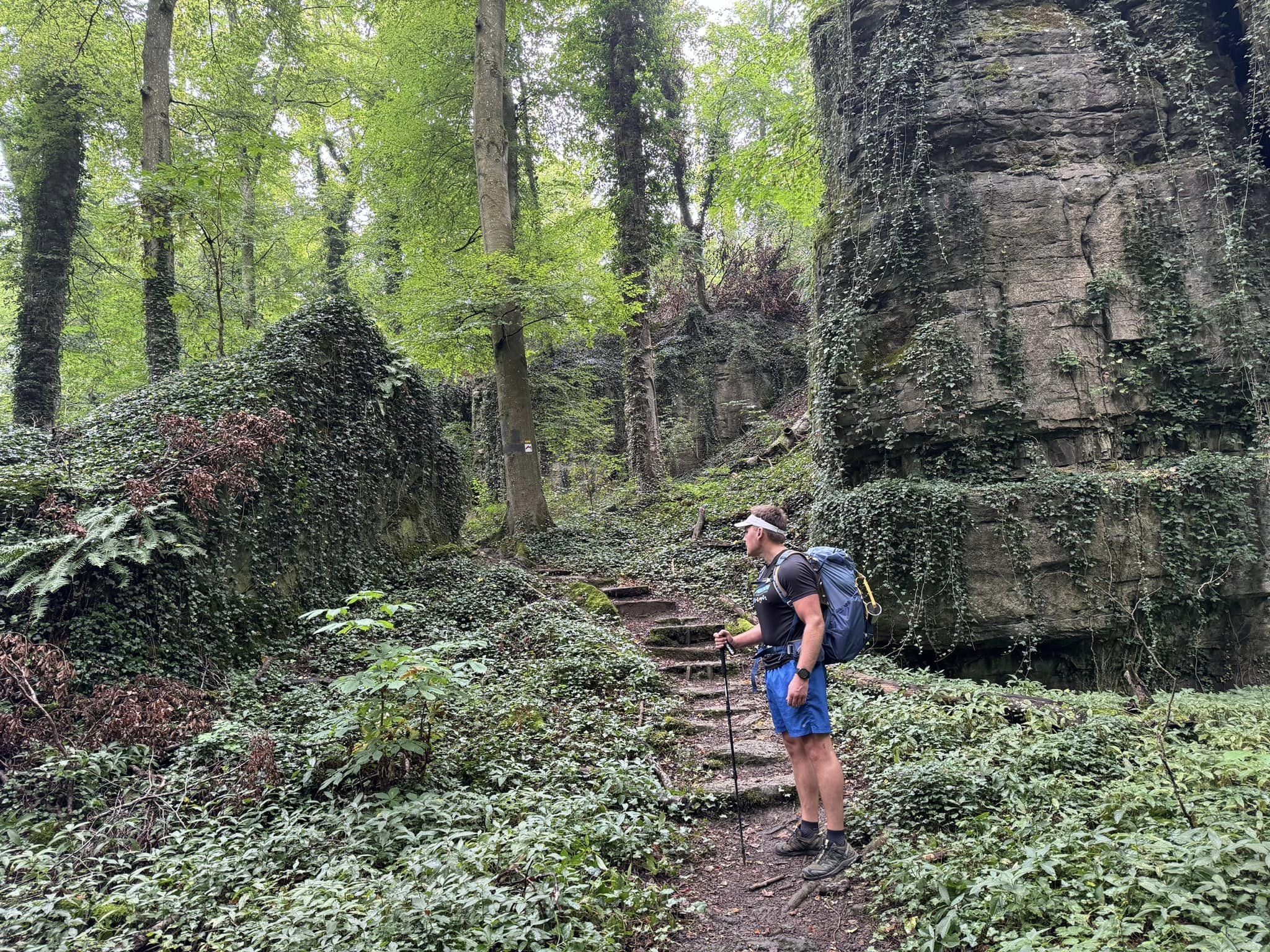
Filmed on Alta Via 1 — cols & rifugi meadows
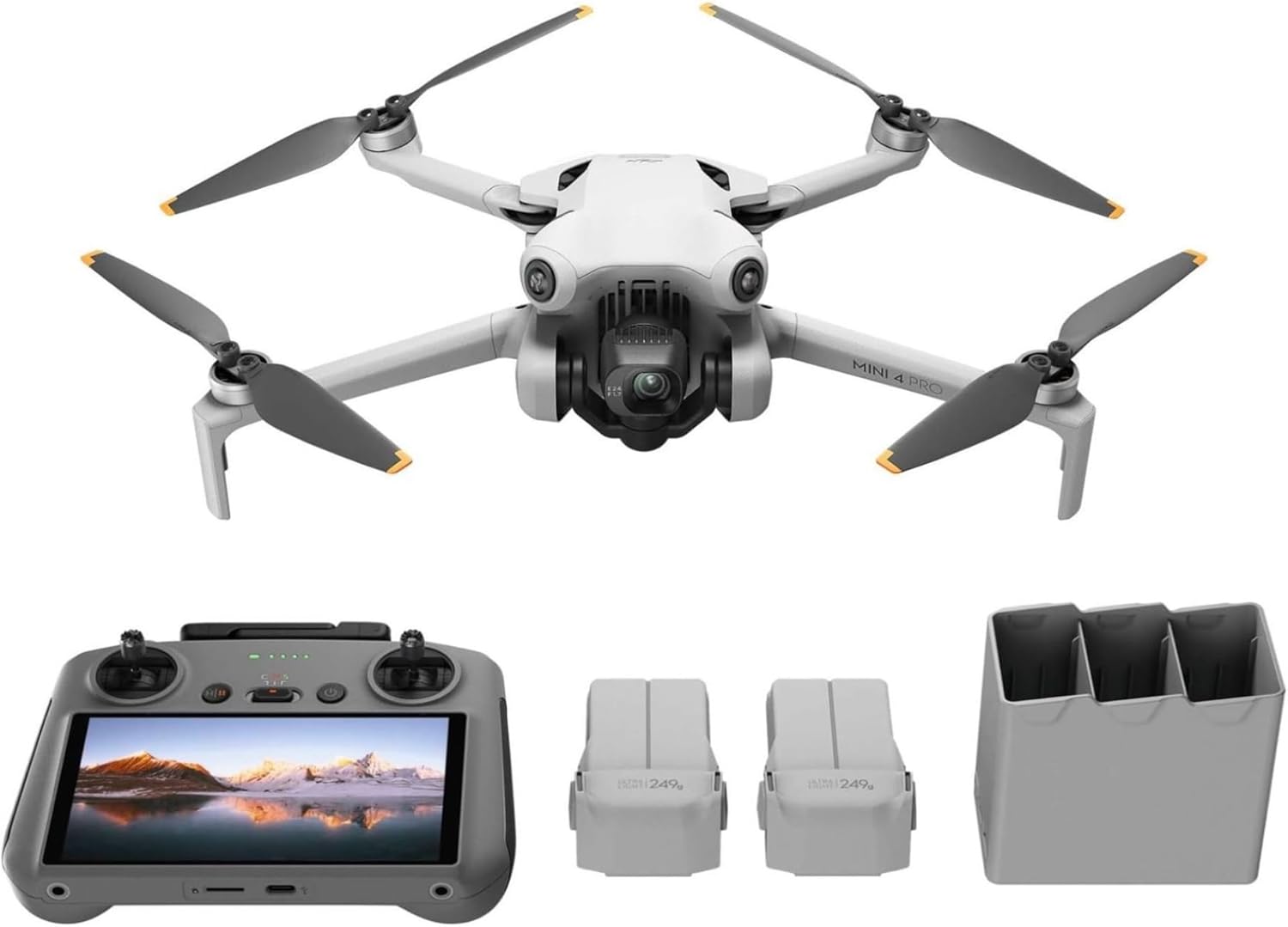
DJI Mini 4 Pro
DJI
At a glance
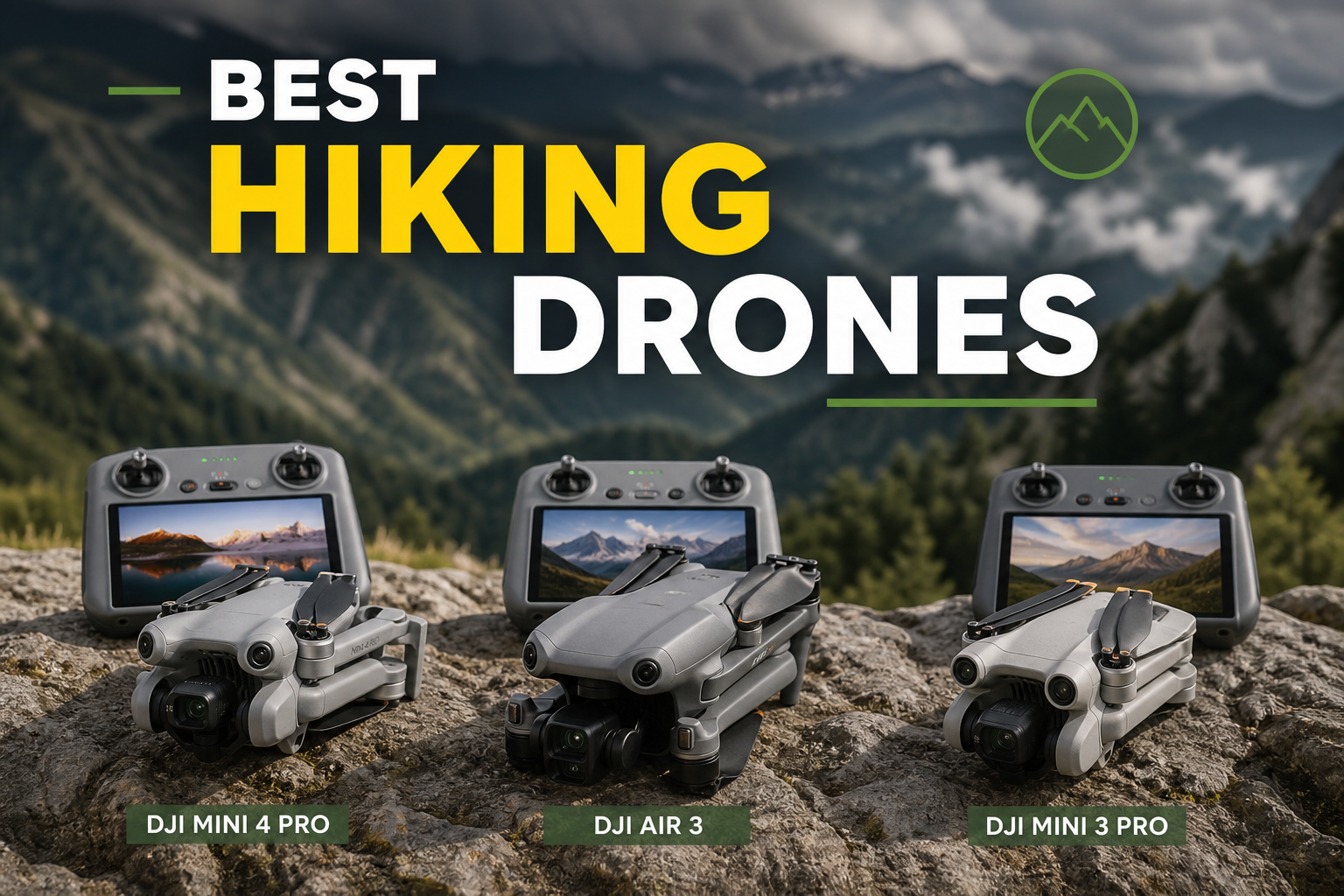
I skipped a mirrorless setup on Alta Via 1 and ran iPhone + Mini 4 Pro instead. Against the Mini 3 Pro you gain omnidirectional obstacle sensing; against the Air 3 you save meaningful weight at the cost of wind stability.
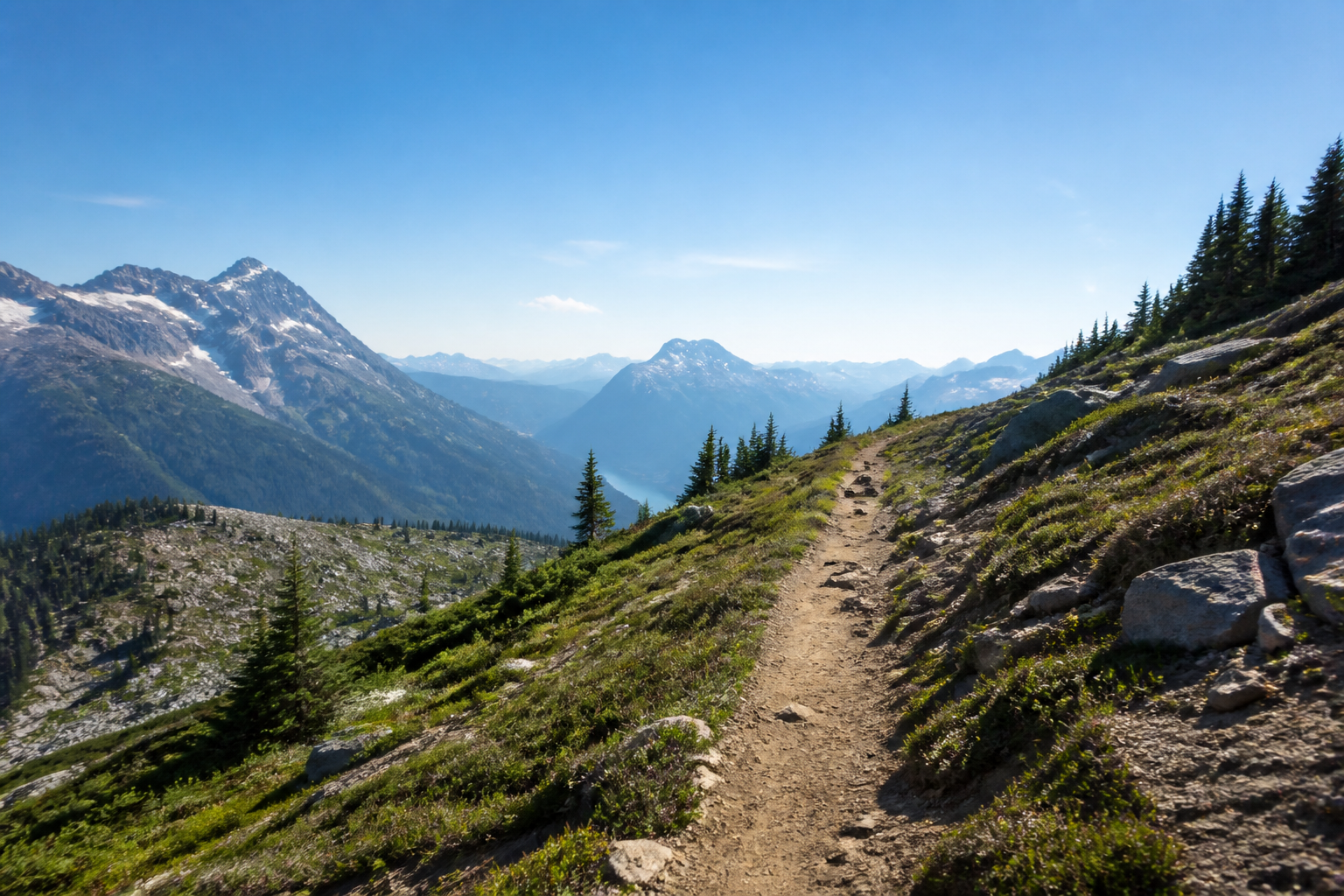
I have carried the DJI Mini 4 Pro on almost all my trips over the last two years — most recently Alta Via 1 as part of a compact photo kit with phone, power bank, ND filters, and two spare batteries in a padded pouch near the top of my pack. Total filming weight stayed under what a single mirrorless body and lens would have cost, which mattered on long Dolomite ascents.
The drone did not come out on every hour of walking. Narrow ledges, cable sections, and shared hut terraces are the wrong place to launch. I flew at cols, open meadows below rifugi, and a few quiet morning windows when the trail was empty. That rhythm — hike first, film in deliberate windows — is how this gear actually works on a hut trek.
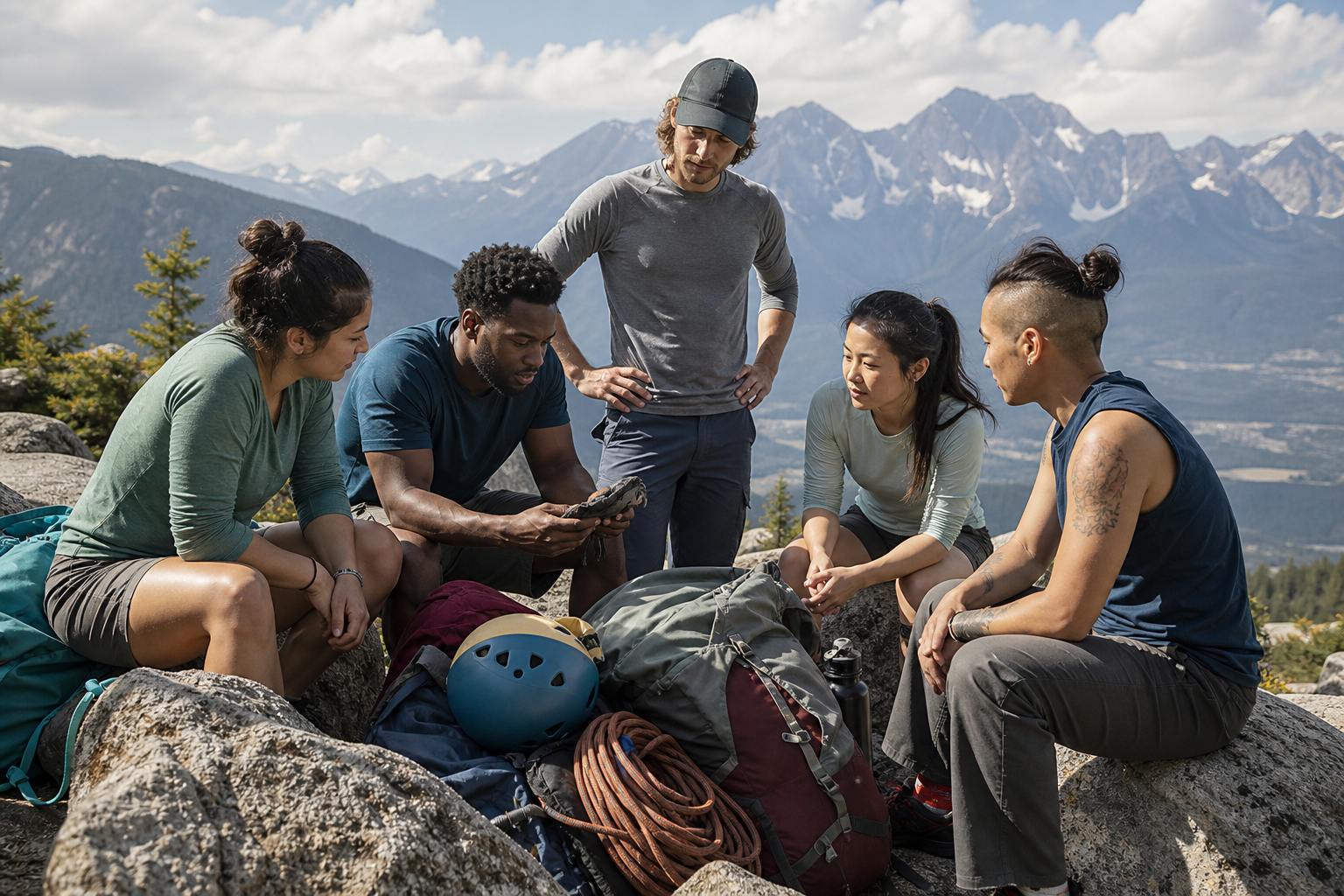
At 249 g the airframe itself is lighter than many power banks, and in many regions that keeps you under registration thresholds that heavier drones trigger. The trade is everything around the drone: spare batteries, the RC controller, prop guards, and a case that protects gimbals from pack compression.
For photography-focused treks where you want summit reveals, ridge lines, and camp context shots, the Mini 4 Pro earns its place. For ultralight fastpacking or trips where every gram is audited, leave it home — your phone and a lightweight tripod tell enough of the story.
Mountain wind is the real test, not brochure flight times. The Mini 4 Pro handles moderate valley breeze and sheltered cols well enough that I trusted it for short orbit and reveal shots. On exposed ridges with gusty crosswind I shortened flights and kept altitude conservative — this is not an Air 3-class platform in bad weather.
Obstacle sensing is the feature that matters most on hiking terrain: tree lines, cliff edges, and cable-car infrastructure appear fast when you are focused on framing. Omnidirectional sensors give you margin on rushed launches at huts where you do not have time for a perfect pre-flight walkthrough.
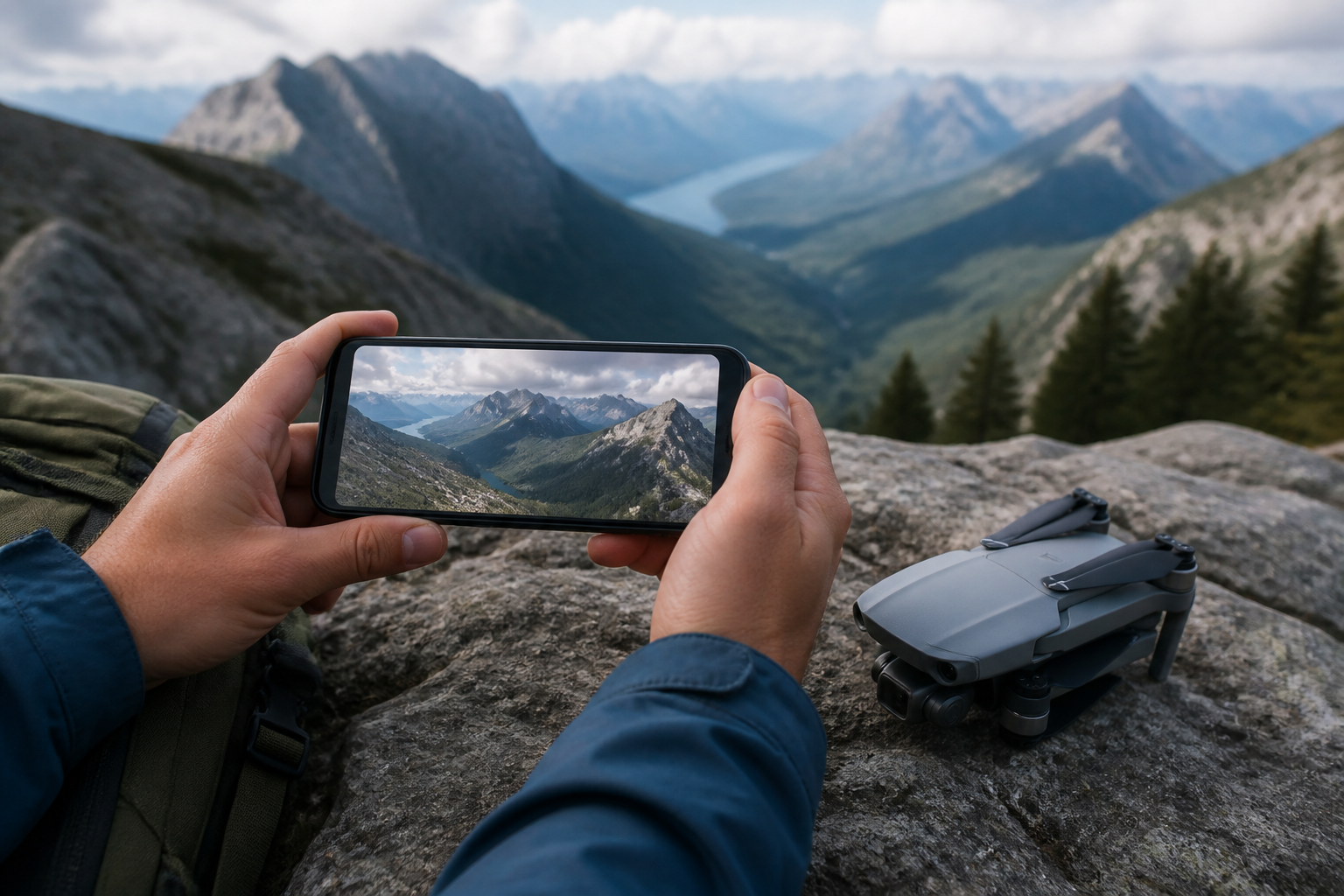
4K HDR video with a stabilized gimbal is the reason to pack this instead of relying on phone B-roll alone. Vertical shooting is genuinely useful for social clips without cropping. ND filters are not optional on bright alpine days — I packed the 6-pack and used them on every flight above treeline glare.
Still frames are good for memories and thumbnails, but I treat this as a video tool first. MasterShots and FocusTrack are fine for quick content; on trail I mostly flew manually with simple cinematic mode when I wanted smoother motion without tuning settings with cold hands.
Ready to buy?
DJI Mini 4 Pro
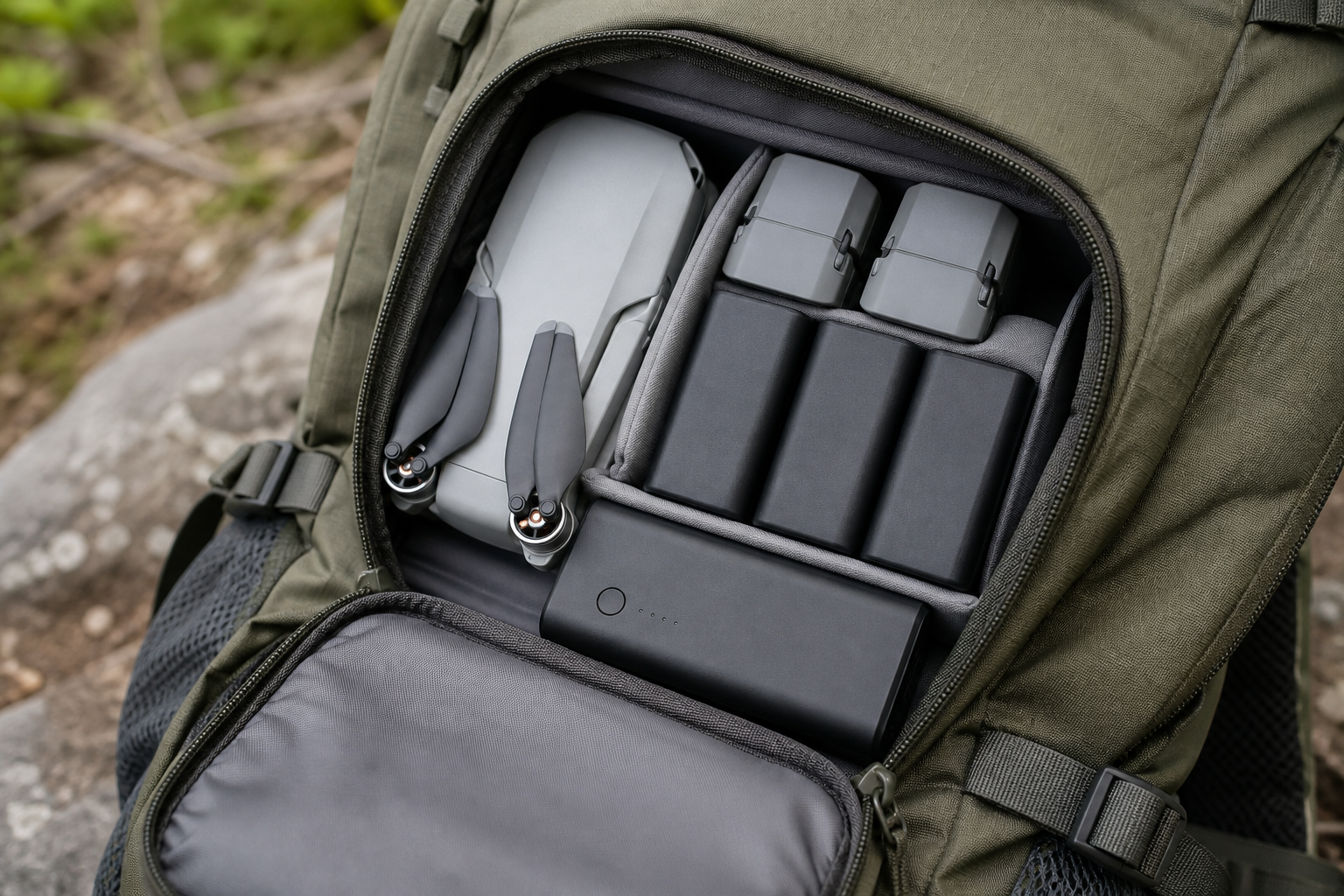
Realistic planning: one battery is never enough on a hiking day. I carried three cells and still thought about power at huts — USB-C charging from a power bank works, but it is slow evening work, not a quick top-up at lunch.
Pack layout matters. Gimbal protection beats loose pocket storage. I keep batteries in a zip pouch, controller in a soft case, and the folded drone in a rigid shell that survives being wedged under a rain jacket. Repack every morning so nothing rattles loose on descents.
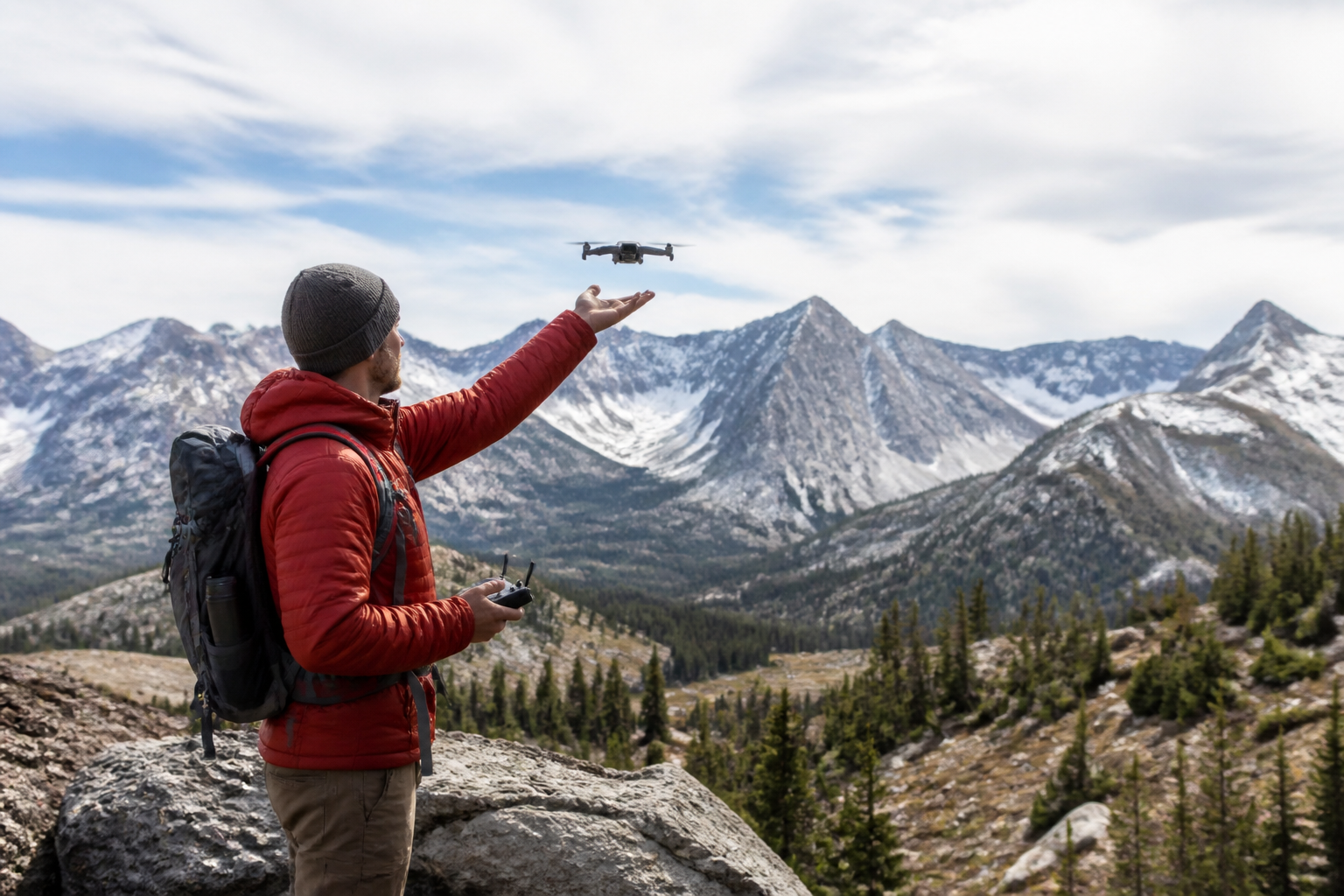
National parks and protected areas across Europe often restrict or ban drones — check rules per stage, not per country. I treat no-fly zones as non-negotiable even when a shot looks tempting.
On shared trails, flying low over other hikers is an easy way to ruin the experience for everyone. Launch away from crowds, keep flights short, and land at the first sign of people converging on your spot. Monastery sites, wildlife zones, and narrow canyon corridors deserve extra restraint.
$319.00indicative on Amazon
you pay more for better obstacle avoidance and low-light performance. If you already own the 3 Pro and fly mostly in open terrain, upgrading is optional — not mandatory.
Read full review$919.99indicative on Amazon
the Air 3 is more stable in wind and stronger for dual-camera work, but the size and weight penalty show up every day in your pack. I chose the Mini 4 Pro because Alta Via 1 was a hiking trip first and a film project second.
Read full review$161.00indicative on Amazon
the drone wins on scale and reveal shots you cannot fake with a selfie stick. It loses on simplicity and legal friction.
Read full reviewThe DJI Mini 4 Pro is the hiking drone I would buy again for hut-to-hut routes where I want cinematic footage without carrying cinema weight. Budget for spare batteries, ND filters, and a protective case — then fly sparingly, legally, and only when the trail gives you room to do it well.
Ready to buy?
DJI Mini 4 Pro
On the trail
Trek packing lists and guides that recommend this gear (11).