Hiking First Aid Packing: Blister, Sun, Insect & Emergency Basics
Hiking first-aid packing basics: blister kit, sun and insect protection, hygiene and emergency signalling — general preparation information, not medical advice.
Last verified
This page is general packing preparation for multi-day hiking — not medical advice, diagnosis, or treatment instructions. It does not recommend prescription medicines or dosing. For emergencies, follow local emergency services and your own training.
Start from the Safety & health hub and the hiking essentials checklist, then add route-specific risk items from your trek packing list.
Packing clusters (not a clinic kit)
| Cluster | Packing role | Hub / products |
|---|---|---|
| Blister care | Tape, plasters, anti-chafe — early hotspot response | /gear/safety-first-aid/blister-care/ |
| Sun protection | SPF product + clothing coverage | Safety hub catalog |
| Insect protection | Repellent suited to destination season | Safety hub catalog |
| Hygiene | Hand sanitiser, toilet kit as required by route | Safety / accessories |
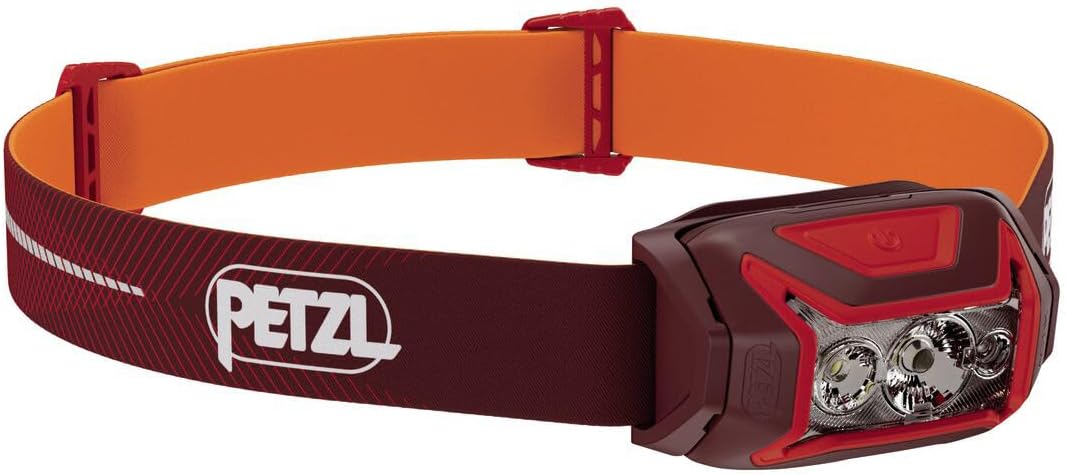
| Emergency | Headlamp, whistle, communication plan | Hiking essentials |
Blister care packing
Sock fit and broken-in footwear reduce risk. Carry a small blister kit anyway — early tape beats waiting.
Catalog examples:
Pair with hiking socks and the socks buying guide.
Sun and insect
Pack sun protection for altitude and reflective snow/water even on cool days. Insect protection depends on destination and season — check trek guides (e.g. Scotland midges, tropical approaches) rather than one universal product.
What this page does not cover
- Prescription medicines or antibiotic protocols
- Wound-closure procedures or clinical first-aid courses
- Individual medical condition advice
Take a recognised wilderness first-aid course if you lead groups or travel remote.