Best for
- Eco-conscious hiking
- Moderate rain
- 3-layer durability
Loading…
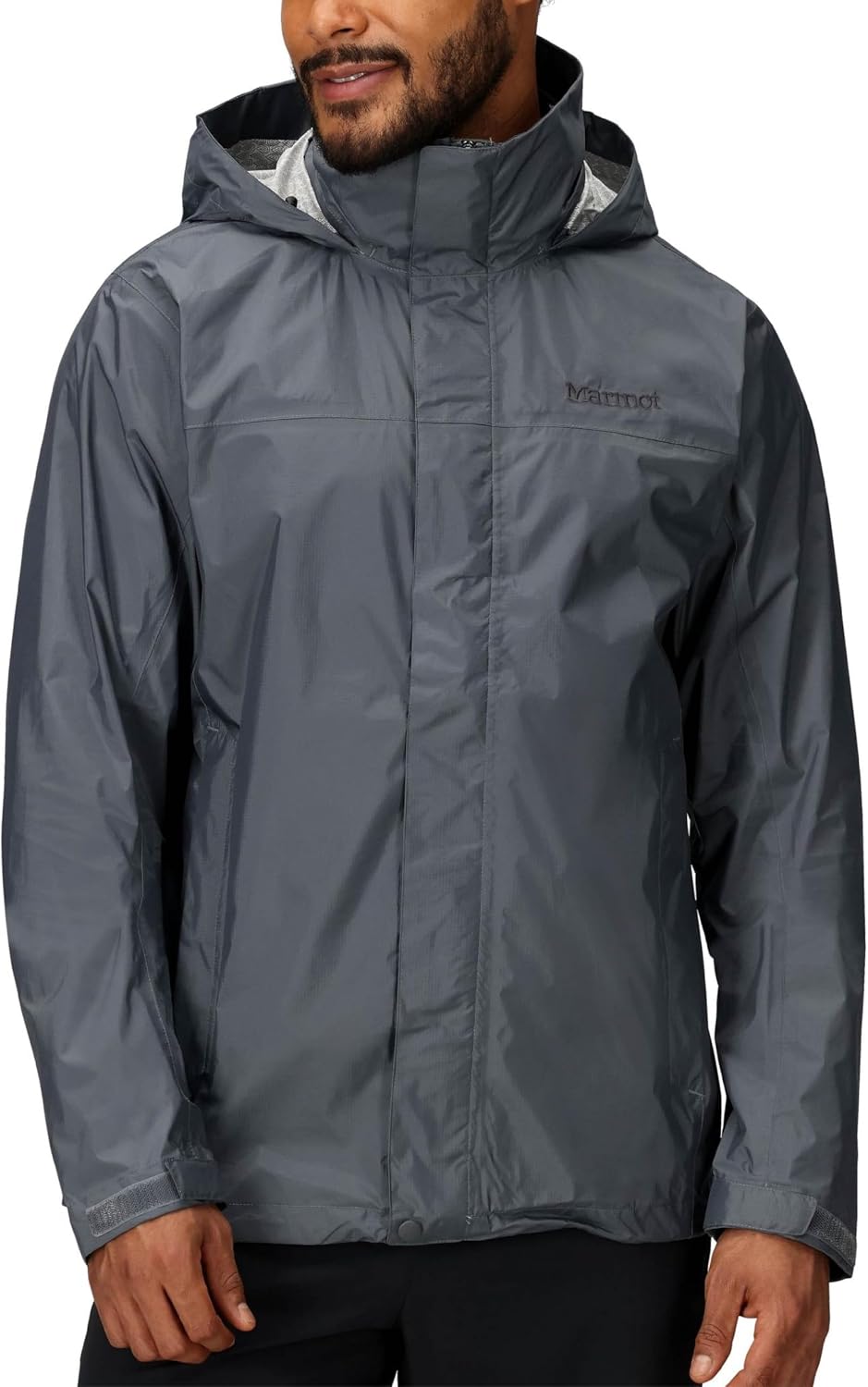
Patagonia · Torrentshell 3L
Best eco-friendly
The eco-minded 3-layer shell I recommend when you want real rain protection without hard-shell pricing — recycled materials with H2No storm worthiness.
Researched / considered
Worth considering
Fit check
Quick read on where Patagonia Torrentshell shines — and where you should look elsewhere.
Specs
Full trail review
The eco-minded 3-layer shell I recommend when you want real rain protection without hard-shell pricing — recycled materials with H2No storm worthiness.
Suited for hiking · trekking · camping
Patagonia Torrentshell 3L
Patagonia
At a glance
On Alta Via 1 I packed a lighter shell for stable summer forecasts. Torrentshell 3L is what I recommend when hikers want dependable 3-layer protection and recycled fabrics without Arc'teryx Beta AR pricing.
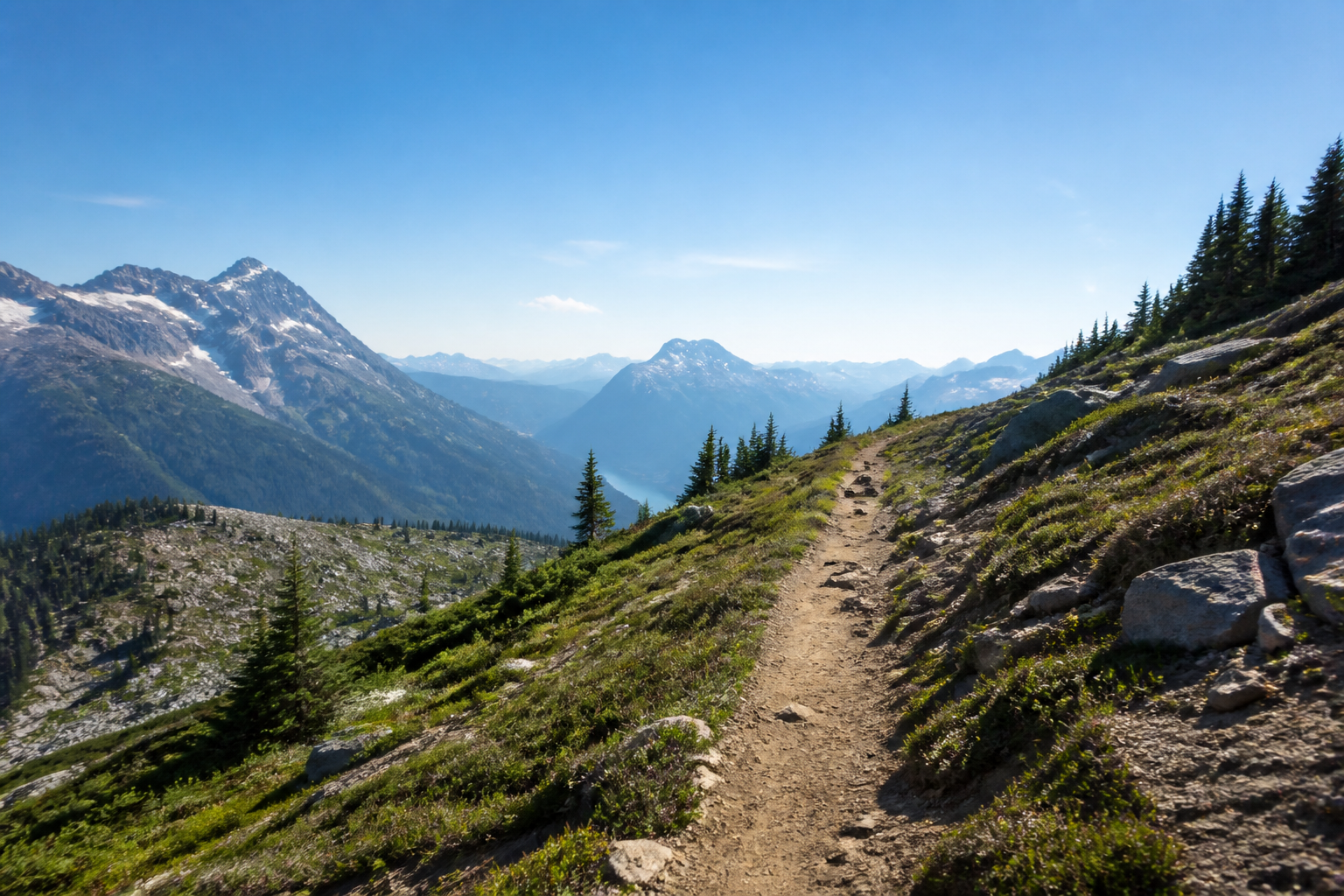
I have not worn a Patagonia Torrentshell 3L on a published HikingWithLee trek — on Alta Via 1 I carried a lighter 2.5-layer shell for stable Dolomite summer weather. I have tested Torrentshell jackets in wet UK conditions and recommend them in rain jacket guides as the sweet spot between budget PU coats and premium Gore-Tex Pro hard shells.
H2No 3-layer construction is the headline: a real membrane sandwich, not a coated face fabric that delaminates after two seasons. For multi-day hut treks with mixed forecasts — UK hills, Dolomite shoulder season, Scottish ridges — it is the jacket I point hikers toward when Beta AR feels like overkill for their trip frequency.
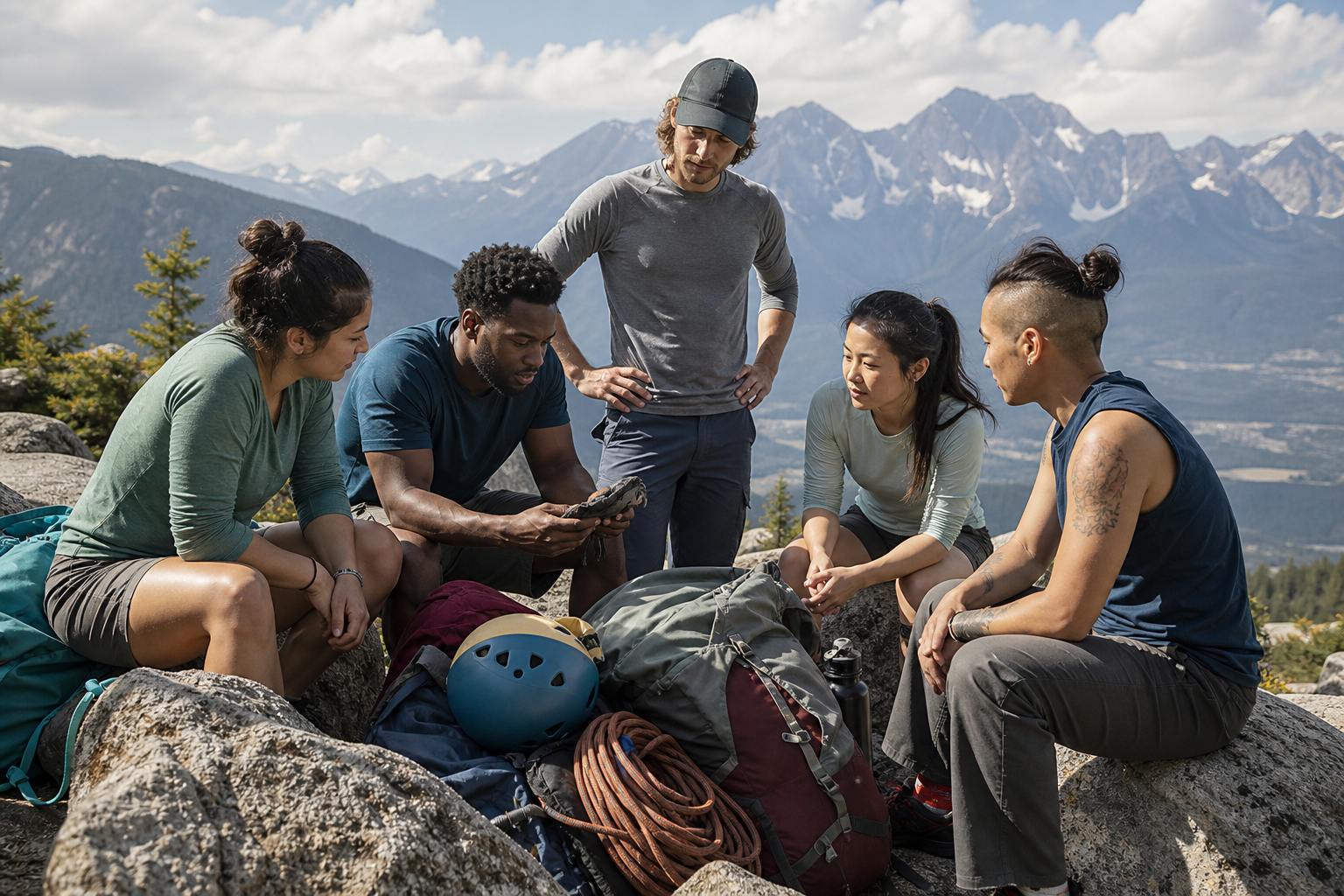
Hikers who care about sustainability and need a dependable 3-layer jacket for moderate to challenging trails — UK shoulder seasons, Dolomite hut treks with mixed forecasts, and anyone upgrading from a 2.5-layer budget shell that wets out in sustained rain.
Strong fit for trekkers who want one shell for several years of use without flagship pricing. Less ideal for ultralight emergency-only shells or alpine climbing where helmet-compatible Pro shells justify cost.
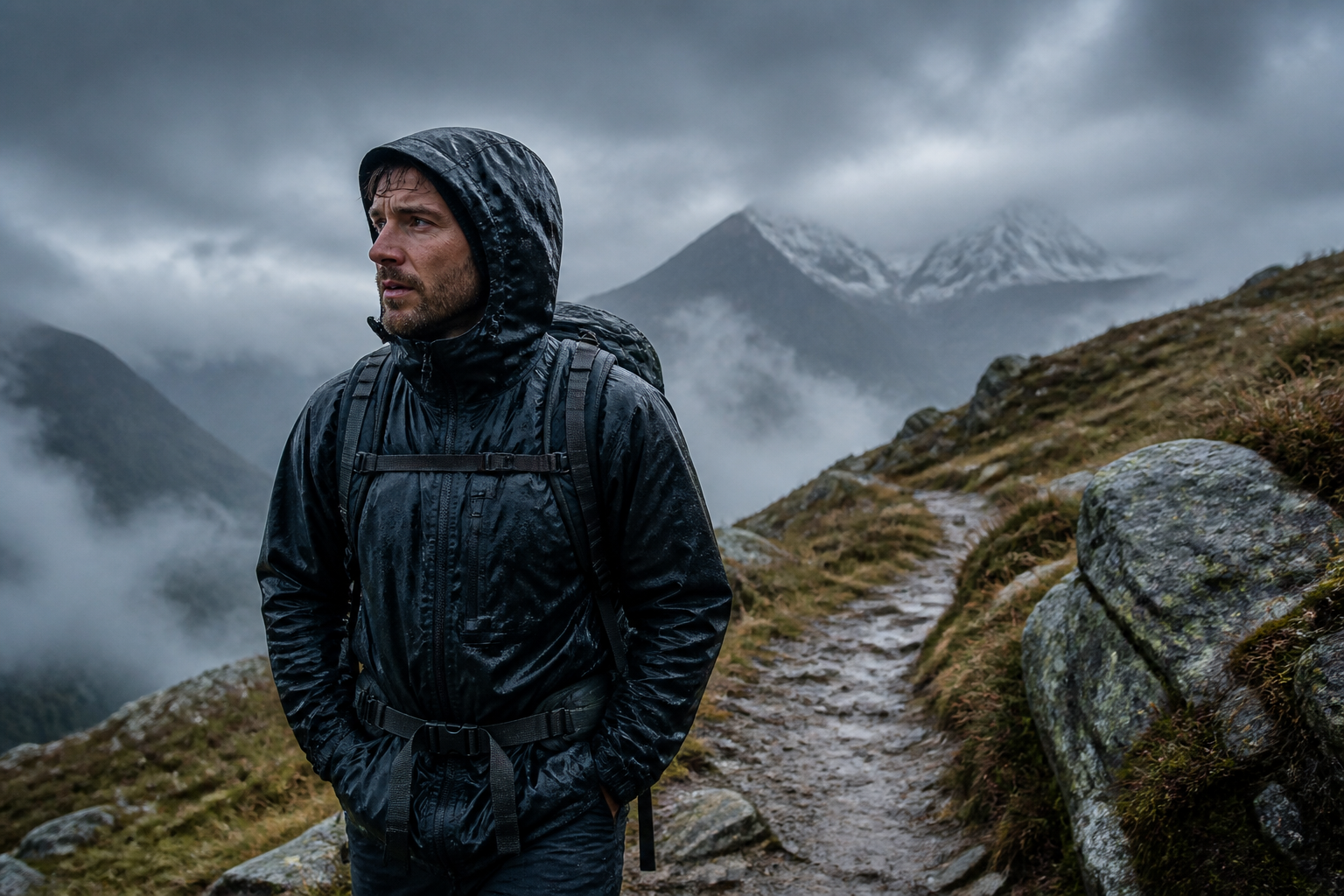
H2No Performance Standard: 3-layer waterproof-breathable membrane — blocks sustained rain and wind better than entry-level coated jackets.
Construction: Recycled face fabric with internal membrane and backer — more durable than 2.5-layer shells that feel clammy and fail at seams faster.
Hood: Helmet-compatible adjustment on most versions — useful on windy ridges with a cap underneath.
Breathability: Breathes better than budget PU rain coats — still expect moisture build-up on hard ascents; pit zips if your version includes them help.
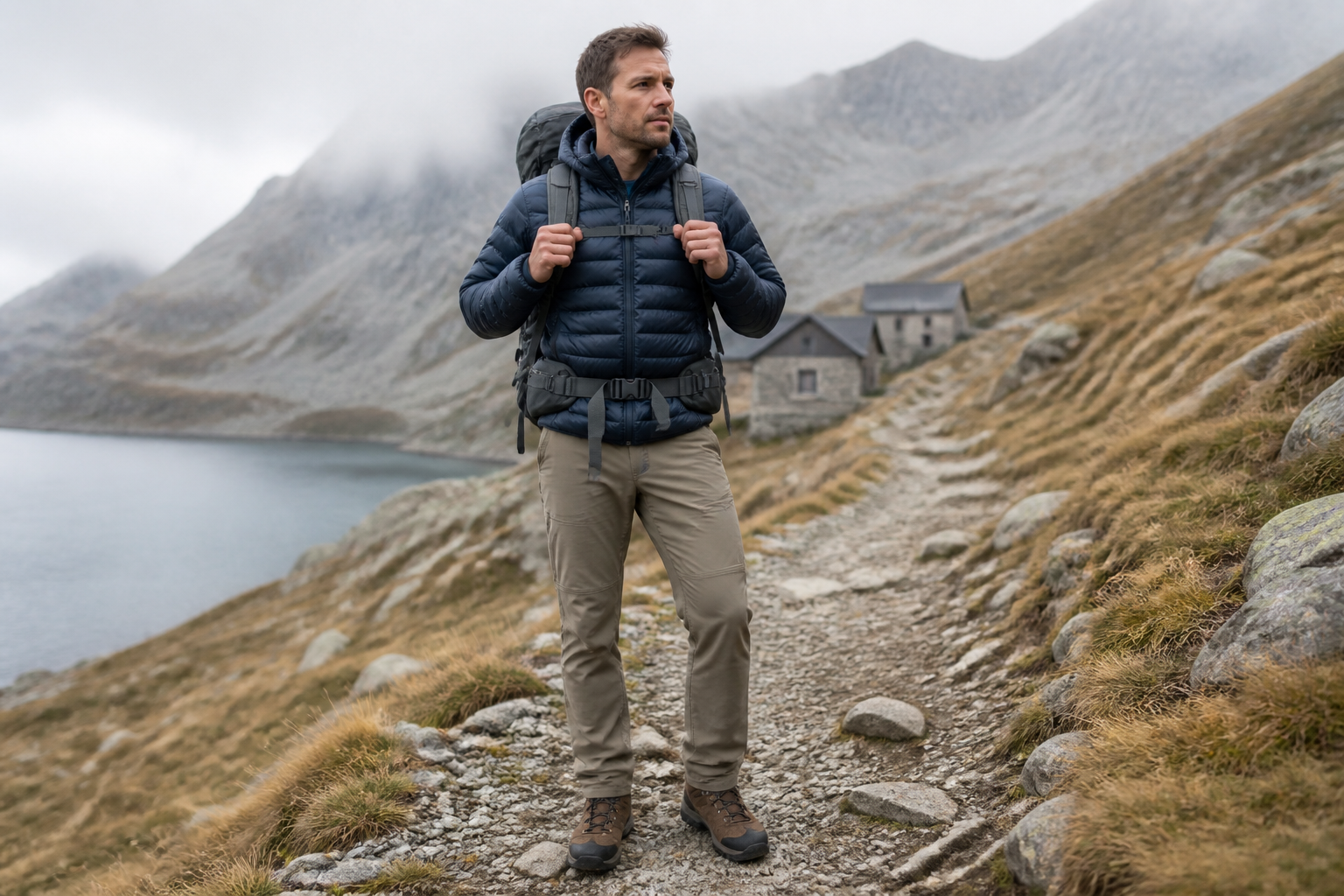
Trail-oriented fit accommodates a puffy or fleece underneath without swimming in fabric — try with your actual insulation stack before a long trip. Sleeve length and hood coverage matter on windy cols; adjust drawcords once at the trailhead and leave them.
Not alpine-climbing trim — roomier than Beta AR for hikers who layer generously. That is a feature for hut trekkers, not a flaw for mountaineers who want minimal volume.
Ready to buy?
Patagonia Torrentshell 3L
$350.00indicative on Amazon
Beta AR is the premium hard shell I recommend when alpine exposure is severe — better durability and storm margin; Torrentshell wins on price and recycled story for mainstream trekking rain.
Read full review$148.61indicative on Amazon
budget shells are fine for occasional drizzle; Torrentshell wins on sustained rain durability and breathability on multi-day trips.
Read full review$148.61indicative on Amazon
emergency shells are for pack-always backup weight; Torrentshell is for wearing through hours of rain on hut treks.
Read full reviewvsBlack Diamond Women's Trail Pro Shock Trekking Poles
soft shell wins in dry cold high output; Torrentshell wins when rain is sustained and you need real waterproofing.
Read full reviewThe Patagonia Torrentshell 3L is the 3-layer rain jacket I recommend for serious trekking weather without flagship hard-shell pricing — layer honestly underneath, maintain the DWR, and it covers the wet weeks that ruin trips in cheaper coats.
Ready to buy?
Patagonia Torrentshell 3L
100% recycled face fabric aligns with Patagonia's repair-and-reuse ethos — a strong pick when you want performance and a smaller footprint than virgin-nylon shells. Patagonia's warranty and repair programme extend practical lifespan beyond fashion-cycle jackets.
Sustainability does not replace care — wash with technical detergent, reproof when water stops beading, and dry fully between trips to maximise membrane life.