Full trail review
In-depth analysis
The budget sub-250g entry point for hikers who want to learn aerial filming without Mini 4 Pro pricing — capable enough for travel films if you accept 2.7K video and manual flying.
Suited for hiking · trekking
$385.35
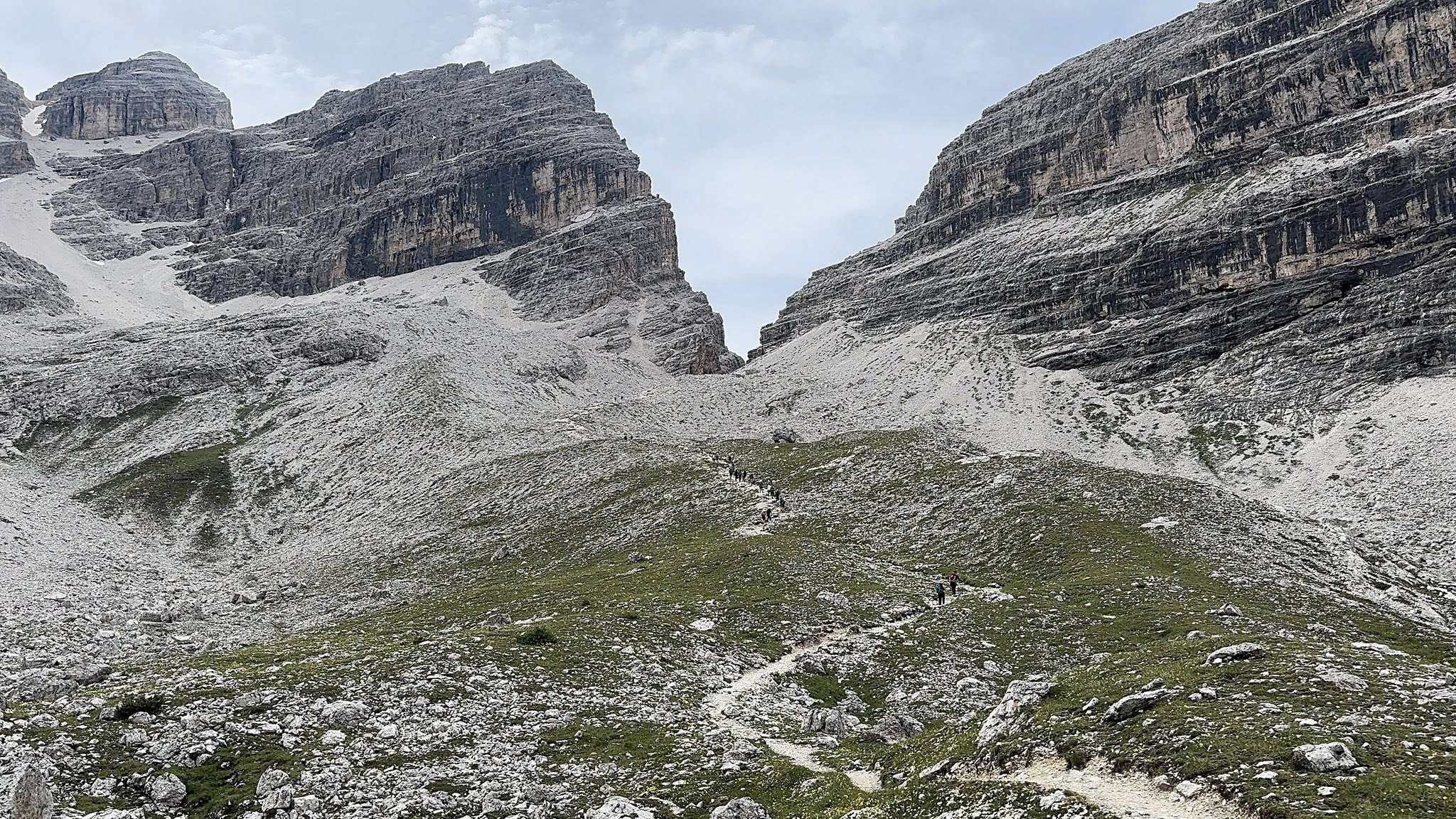
On trail
Budget sub-250g starter for open trail filming
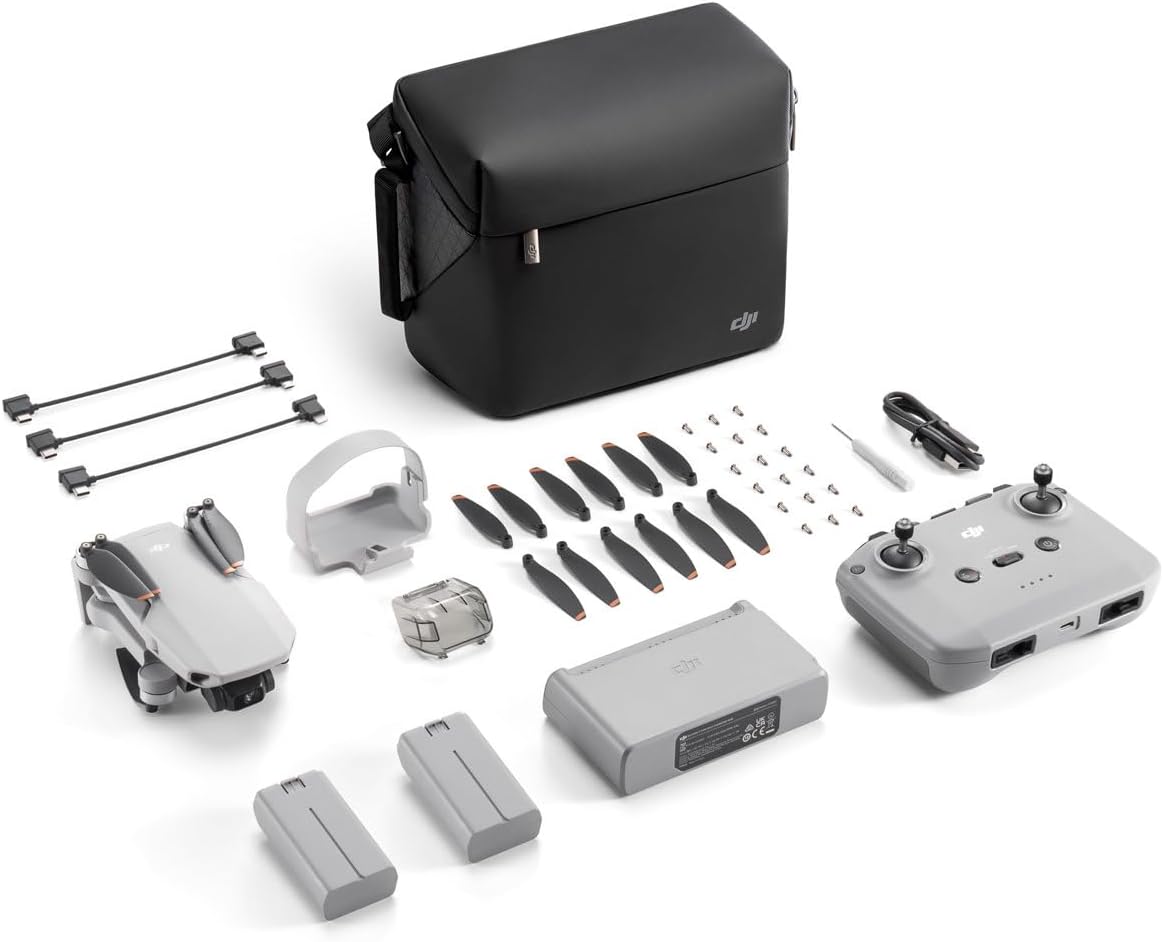
DJI Mini 2 SE
DJI
$385.35
At a glance
- Indicative price
- $385.35 on Amazon
- Airframe
- 249 g
- Video
- 2.7K / 12MP
- Flight time
- ~31 min rated
- Best for
- First-time pilots
What we like
- Very affordable entry point
- Easy learning curve with GPS return-to-home
- Lightweight and trail-friendly at 249g
- Solid safety features for beginners
Trade-offs
- Lower video resolution (no 4K)
- No obstacle avoidance sensors
I recommend the Mini 2 SE when someone asks for a first drone before committing to ND filters and spare Mini 4 batteries. You learn launch discipline and airspace rules on a platform that forgives budget mistakes.
Who it's for
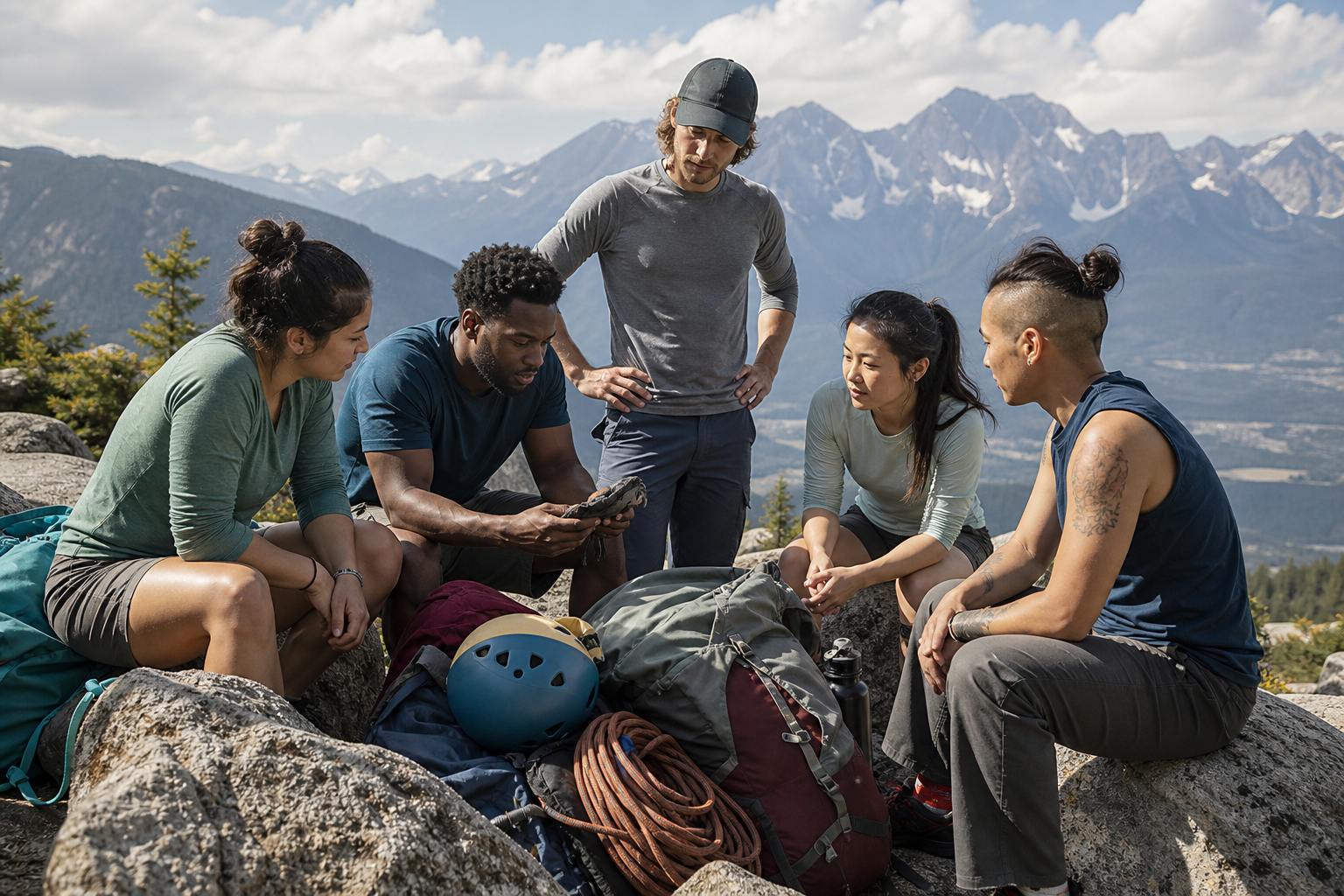
Day hikers and weekend trekkers who want to try drone footage on familiar trails without spending flagship money. Ideal if you are unsure whether aerial filming will stick in your workflow — you get GPS stability, return-to-home, and a real controller without the obstacle-sensor tax.
Not the right pick if you already know you will fly often in tight forest, canyon corridors, or windy cols. Those scenarios punish the lack of omnidirectional avoidance on the Mini 4 Pro class.
Camera and footage quality
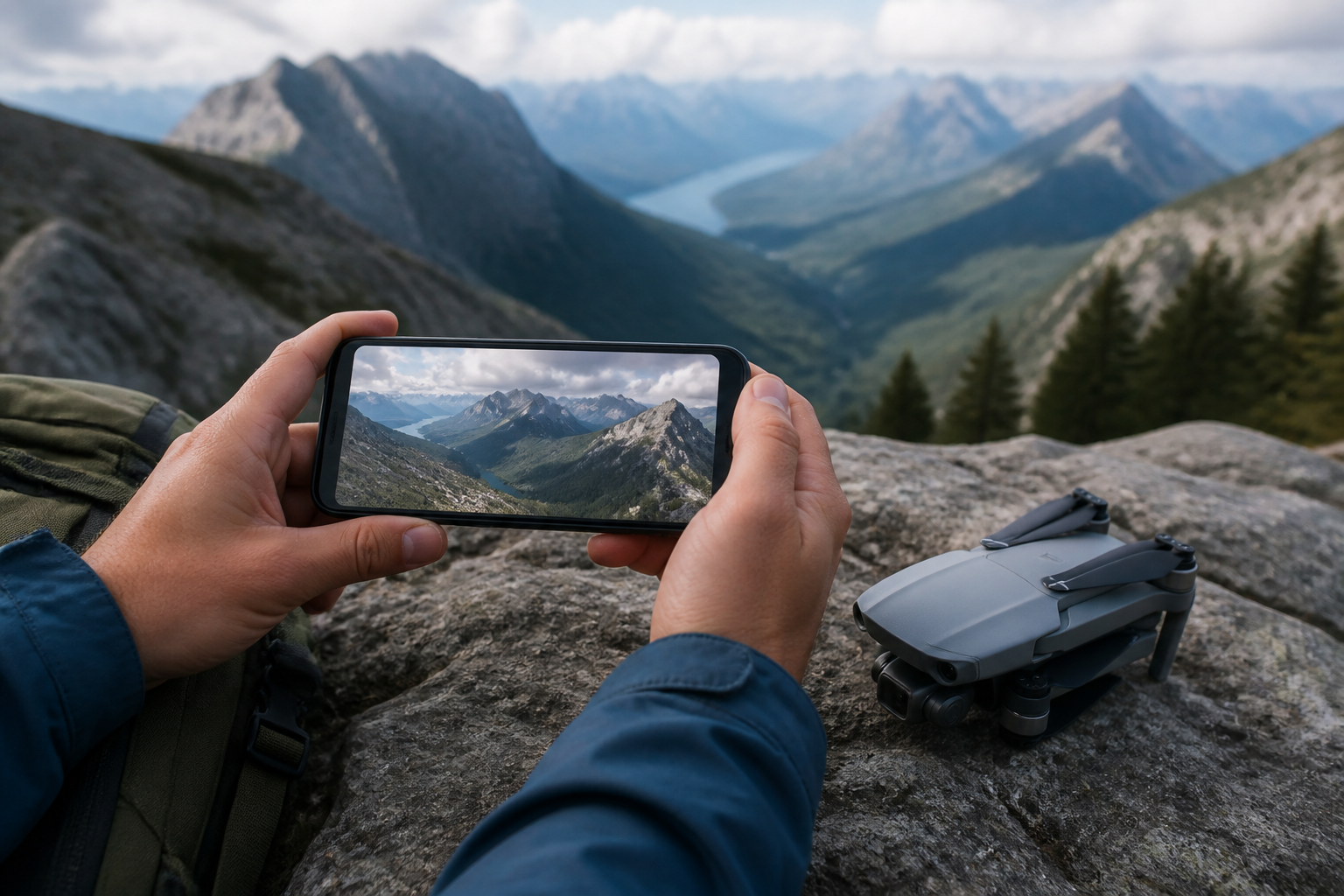
2.7K video and 12MP stills are enough for YouTube travel edits, Instagram reels, and personal trip archives — especially when you grade lightly and avoid heavy cropping. You will notice the gap versus 4K HDR on the Mini 3 Pro and Mini 4 Pro in fine ridge detail and low-light hut evenings.
There is no vertical shooting mode and no D-Cinelike flat profile. Shoot in standard colour, expose conservatively on bright snowfields, and accept that golden-hour performance is serviceable but not Nano+ or Mini 4 Pro tier.
Batteries and trail packing
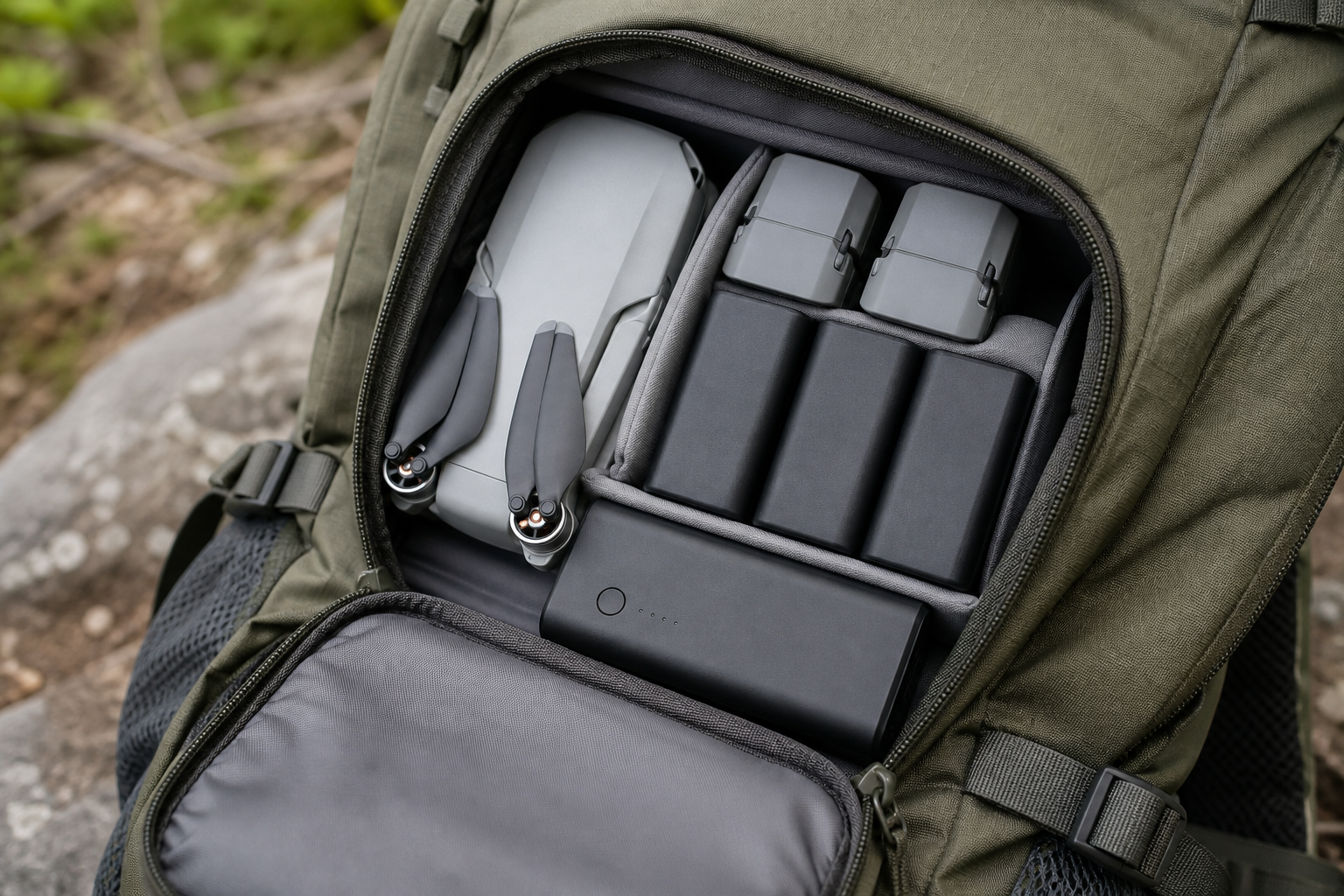
Advertised flight time lands around 31 minutes in calm conditions; real hiking use with wind and altitude is closer to 20–25 minutes per cell. Budget at least two batteries for a full filming day — three if you are serious about multiple launch windows on a hut trek.
The folded airframe fits a small padded pouch in a 22–26 L daypack lid. The RC controller adds bulk compared to phone-only setups on newer DJI models, but the tactile sticks help beginners learn smooth inputs. Keep propellers in a stiff case; gimbal damage from pack compression is the most common beginner failure mode.
Regulations and etiquette
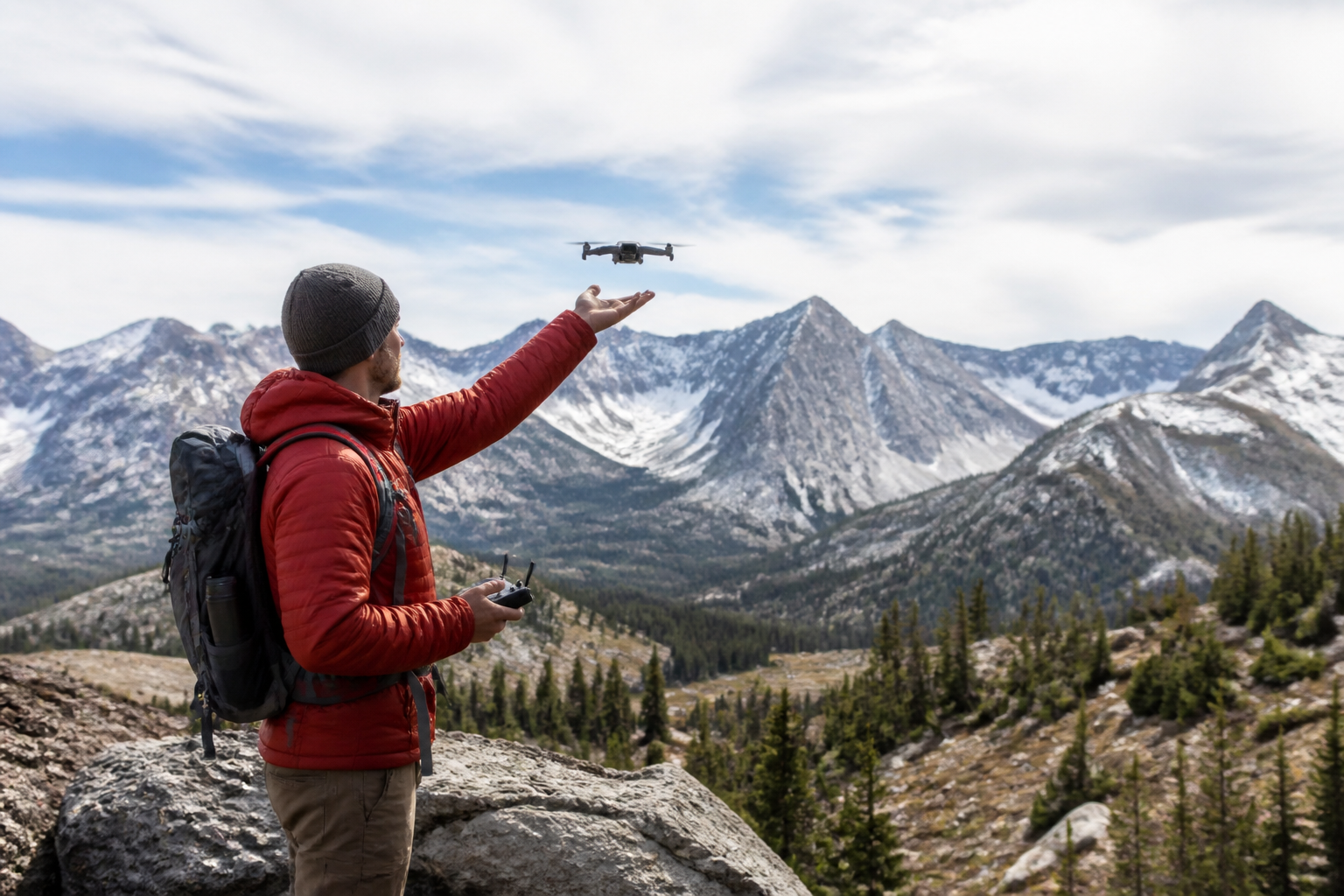
At 249 g the Mini 2 SE often sits under registration thresholds in Europe and the UK, but national park bans still apply regardless of weight. Check stage-by-stage rules on Dolomites hut routes, UK national parks, and Icelandic reserves before you pack it.
Launch away from other hikers, keep flights short near shared trails, and land when people approach. A budget drone does not excuse noisy low passes over ridgelines — the etiquette is identical to flagship models.
Ready to buy?
DJI Mini 2 SE
$385.35
How it compares
$319.00indicative on Amazon
you save meaningful money but lose 4K, vertical capture, and obstacle sensors. Upgrade when you have outgrown manual collision avoidance and want longer batteries with the Plus cell option.
Read full reviewthe 4 Pro is the drone I actually carry on Alta Via 1 — omnidirectional sensing and better low light justify the step up for repeat filming trips. The 2 SE is the sensible trial platform, not the long-term flagship.
Read full reviewthe Autel wins stills and dusk colour; the Mini 2 SE wins ecosystem familiarity, app polish, and simpler resale if you upgrade within a year.
Read full reviewBottom line
The DJI Mini 2 SE is the hiking drone I recommend when budget is the primary constraint and you want to learn on a real GPS platform — not a toy. Pair it with two batteries, a protective case, and honest expectations about 2.7K limits, then upgrade once you know aerial filming earns a permanent pack slot.
Ready to buy?
DJI Mini 2 SE
$385.35
Flying on hiking terrain
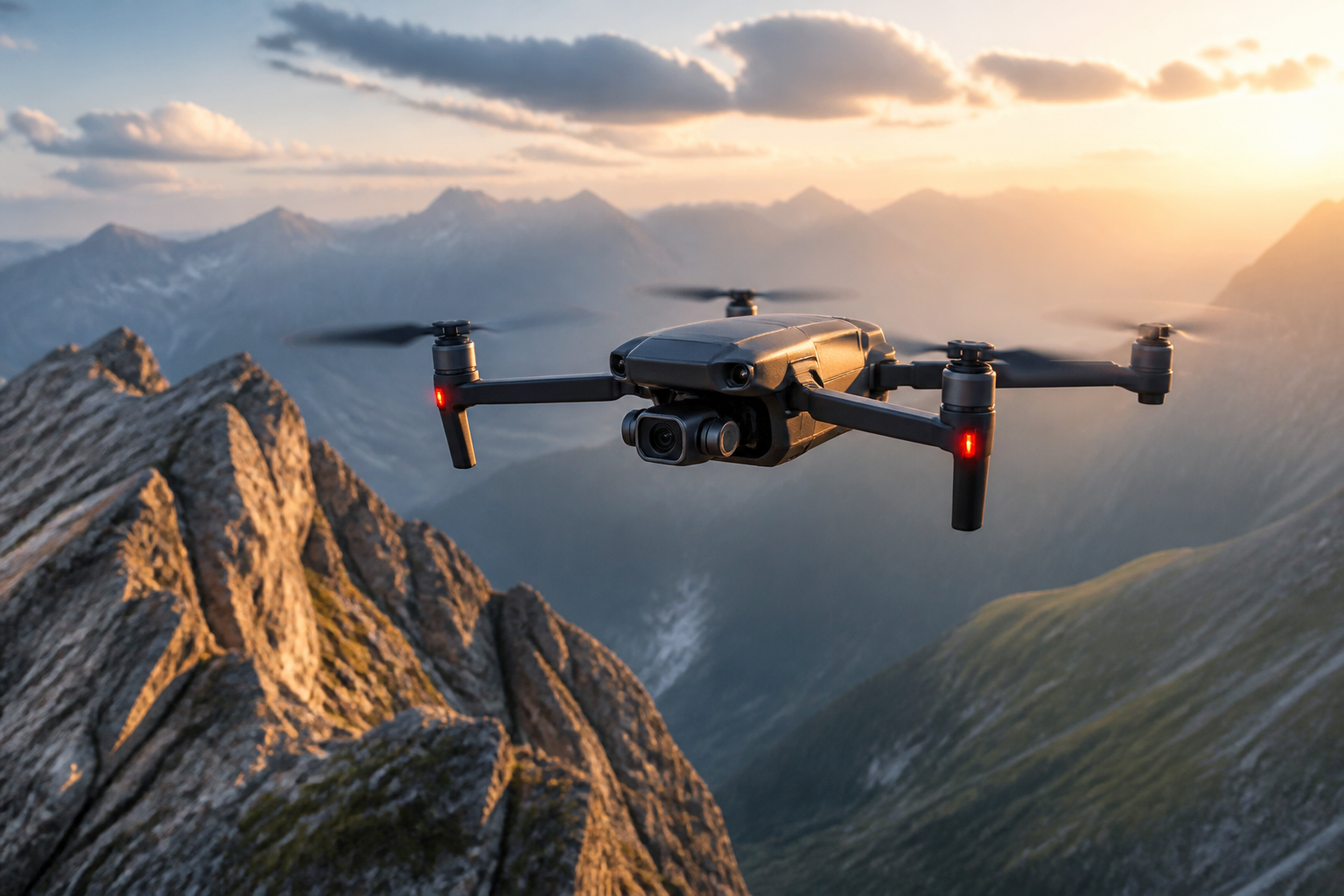
The Mini 2 SE hovers predictably in light valley wind and handles moderate altitude gains on open meadows. Without forward or side sensors, you must maintain visual line of sight and manually steer around trees, cables, and cliff edges — treat every launch like a lesson in spatial awareness.
GPS return-to-home is the safety net that makes this viable for beginners: low battery or lost link triggers an automatic climb-and-return sequence. Practice RTH in an open field at home before your first mountain launch so you know what the drone will do when you panic-tap the button.