Full trail review
In-depth analysis
The photographer's sub-250g alternative to DJI — RYYB sensor and 50MP stills deliver better dusk and forest colour when you accept shorter flights and a less polished app.
Suited for hiking · trekking
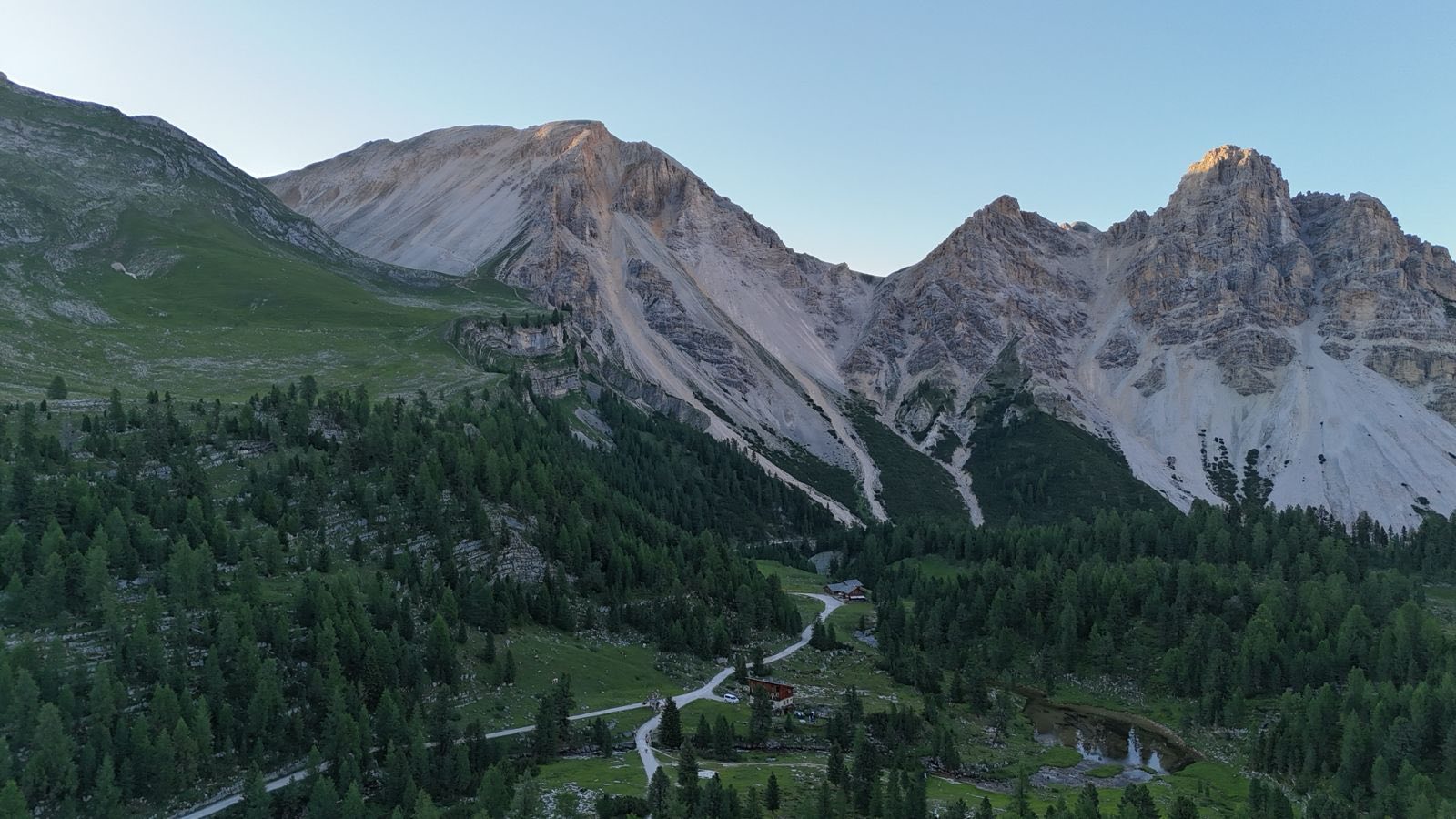
On trail
Low-light stills on Dolomite-style hut routes
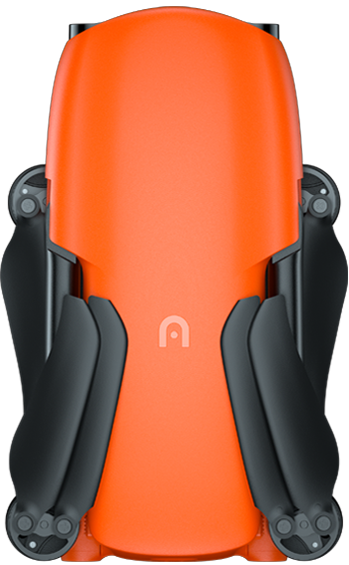
Autel EVO Nano+
Autel
At a glance
- Sensor
- 1/1.28" RYYB
- Stills
- 50MP
- Video
- 4K HDR
- Best for
- Photo-first hikers
What we like
- Superior low-light and color performance
- High-resolution 50MP photo capture
- Compact size under 250g
- Alternative to the DJI ecosystem
Trade-offs
- Shorter flight time than DJI Mini series
- App and software not as polished as DJI Fly
I film primarily on DJI, but I recommend the Nano+ to hikers who care more about golden-hour stills than obstacle-sensor convenience. The sensor advantage is real on cloudy Dolomite evenings where Mini 2 SE footage falls flat.
Flight performance on trails
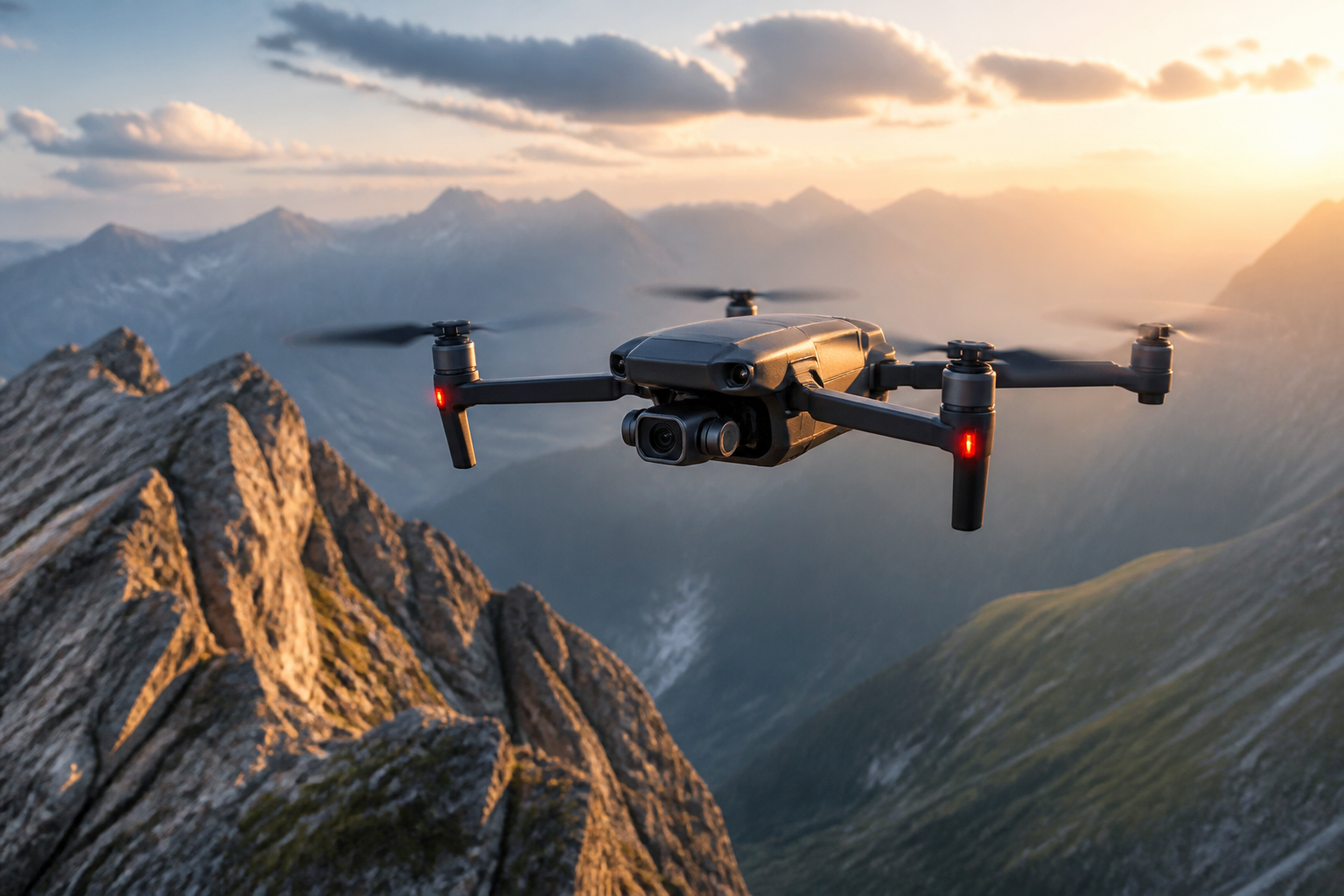
Expect roughly 28 minutes advertised, low twenties in real mountain use with wind and cold batteries. Front, rear, and downward obstacle sensors help in open approaches but are not a substitute for DJI's latest omnidirectional coverage on the Mini 4 Pro.
Handling is precise enough for orbit and reveal shots on sheltered cols. In crosswind on exposed ridges, shorten flights and keep altitude conservative — same discipline as any light airframe, with slightly less confidence than heavier DJI Air-class platforms.
Who it's for

Hikers who identify as photographers first and pilots second — you want 50MP stills, 4K HDR video, and superior low-light colour on dawn cols and forest canopy shots. Strong fit for travel bloggers who edit stills heavily and fly in open terrain where manual awareness replaces DJI's omnidirectional safety net.
Less ideal if you want the smoothest one-app workflow, longest flight times, or the widest accessory ecosystem. DJI still wins integration; Autel wins sensor science in this weight class.
Packing and power on hut treks
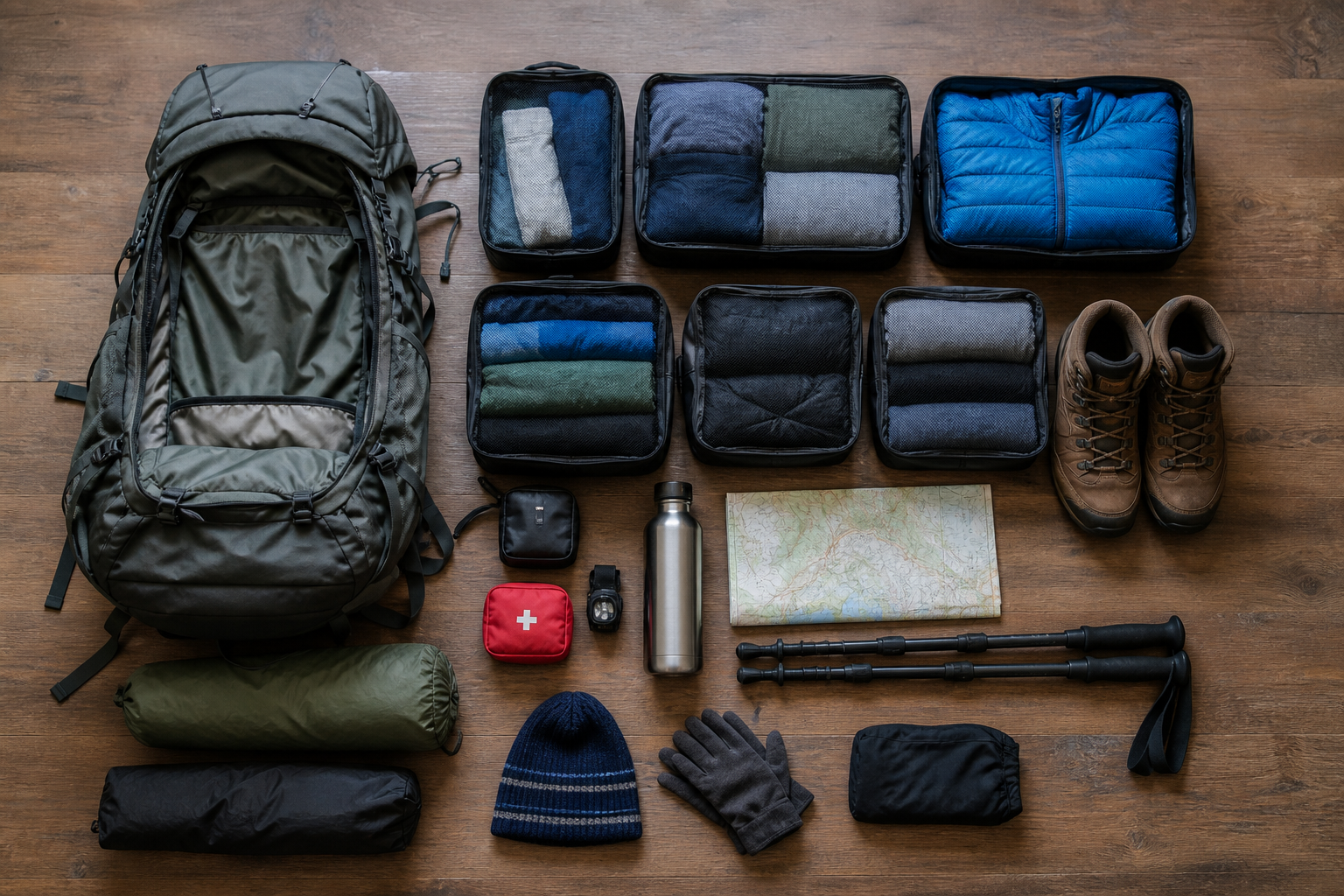
The 249 g airframe packs similarly to DJI Mini models — padded case in a daypack lid or top compartment. Carry two batteries minimum; unlike DJI's broad spare ecosystem, plan purchases before departure on long European loops.
USB charging from a trail power bank works for evening top-ups in rifugi, but cold hut rooms reduce cell performance — warm batteries in an inside pocket before launch extends usable flight time on autumn cols.
Regulations and trail etiquette
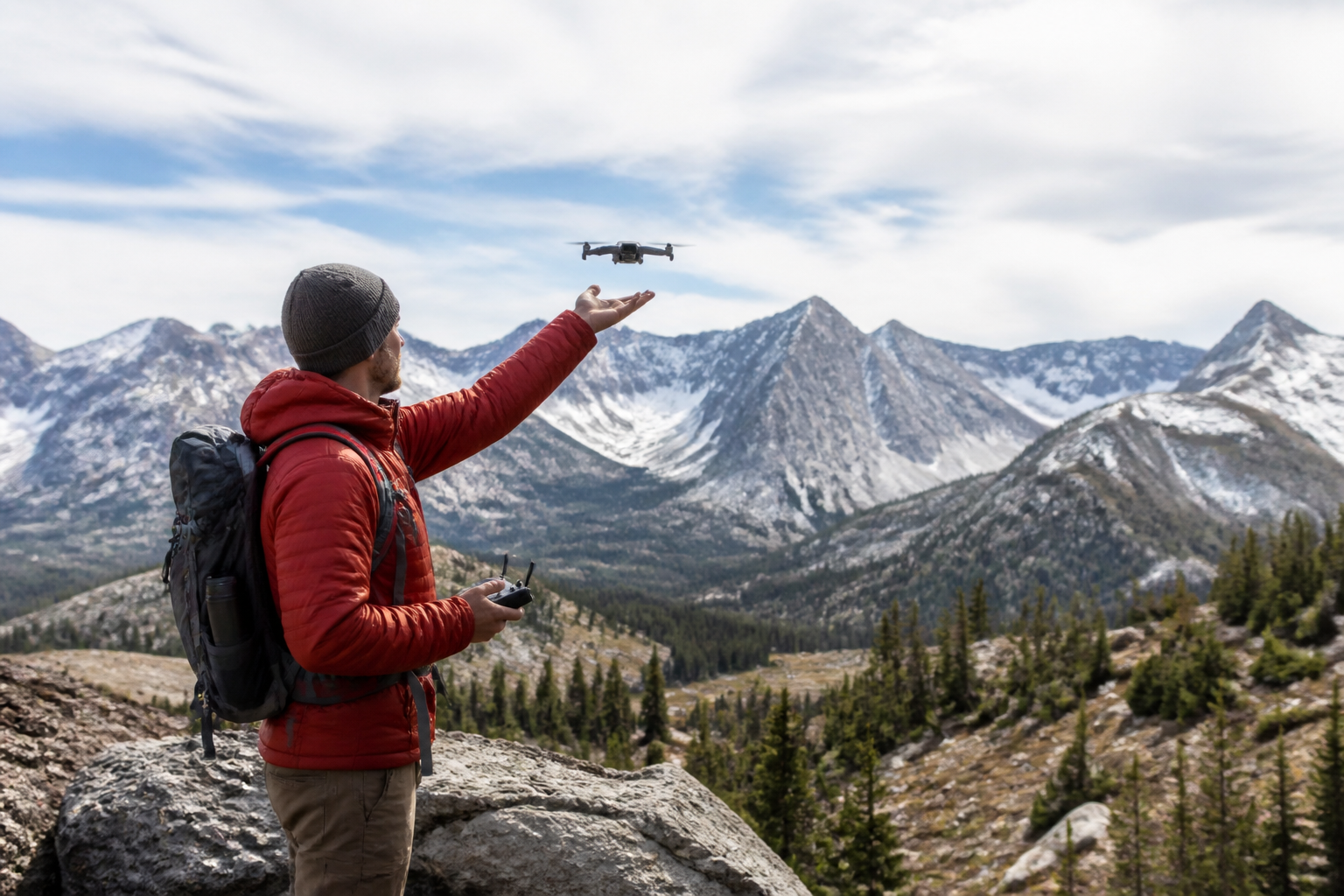
Sub-250g weight helps in jurisdictions with tiered registration, but protected areas ban drones by zone, not by grams. Treat Nano+ flights with the same restraint as any drone: launch off-trail, avoid wildlife disturbance, and respect monastery and national-park signage on routes like Alta Via 1 and TMB stages.
The superior camera tempts you to push closer for detail shots — resist flying into narrow gorges or over crowded viewpoints where a single gust meets a sensor blind spot.
Ready to buy?
Autel EVO Nano+
How it compares
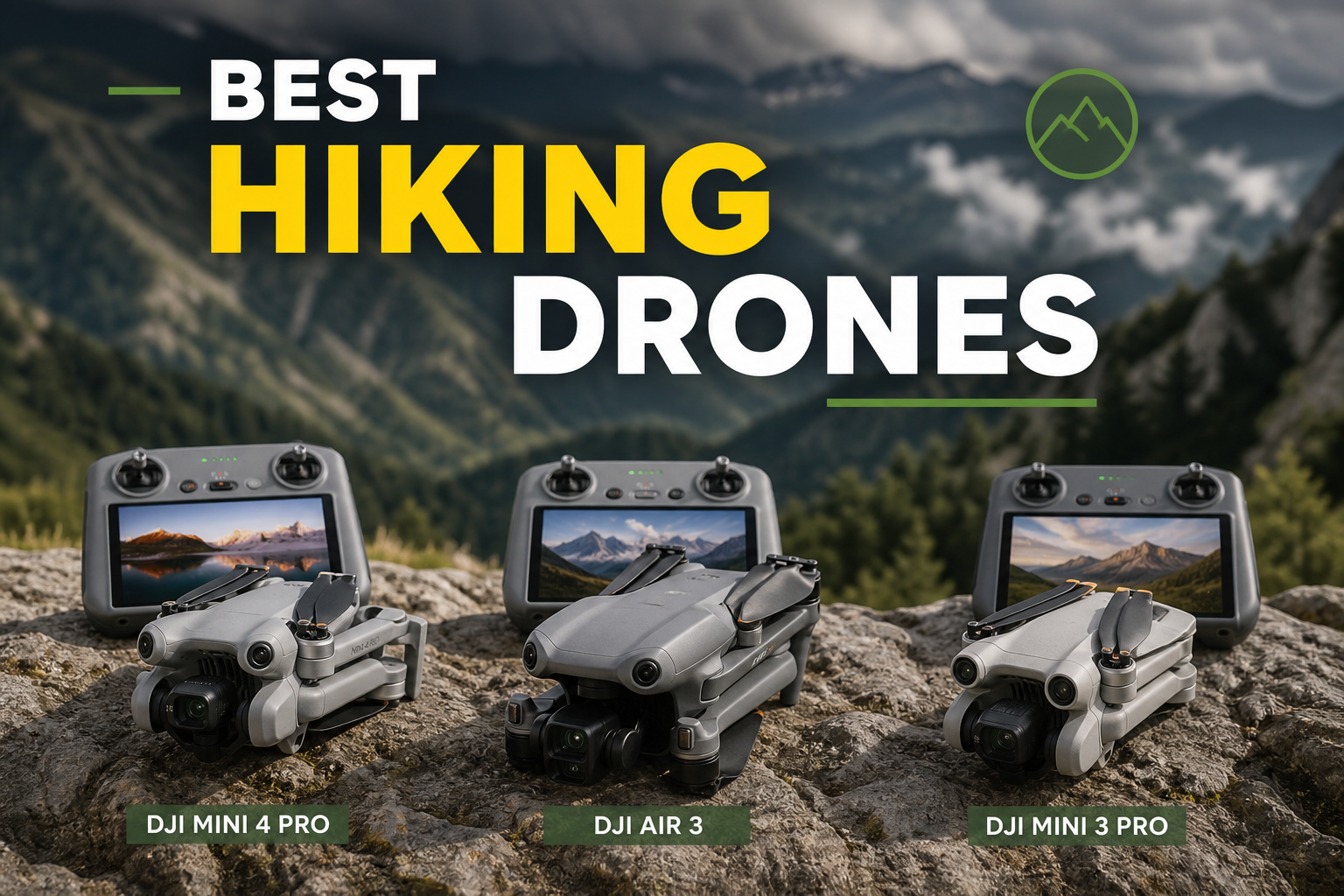
the 4 Pro is my daily driver for balanced video, safety sensors, and ecosystem. Choose the Nano+ when still quality in dull light matters more than omnidirectional avoidance and when you already tolerate manual flying discipline.
Read full review$319.00indicative on Amazon
similar weight class, but the Nano+ leads on megapixels and RYYB low light; the Mini 3 Pro leads on flight time, vertical video, and app maturity.
Read full review$385.35indicative on Amazon
the Autel is a significant imaging upgrade and worth the premium if you outgrow 2.7K — not a beginner's first purchase unless photography is the sole goal.
Read full reviewBottom line
The Autel EVO Nano+ earns its place in a hiking drone guide as the image-quality specialist under 250 g. Pack it when golden-hour stills and forest colour separate your content from phone footage — and when you accept Autel's software trade-offs for that sensor advantage.
Ready to buy?
Autel EVO Nano+
Sensor and image quality
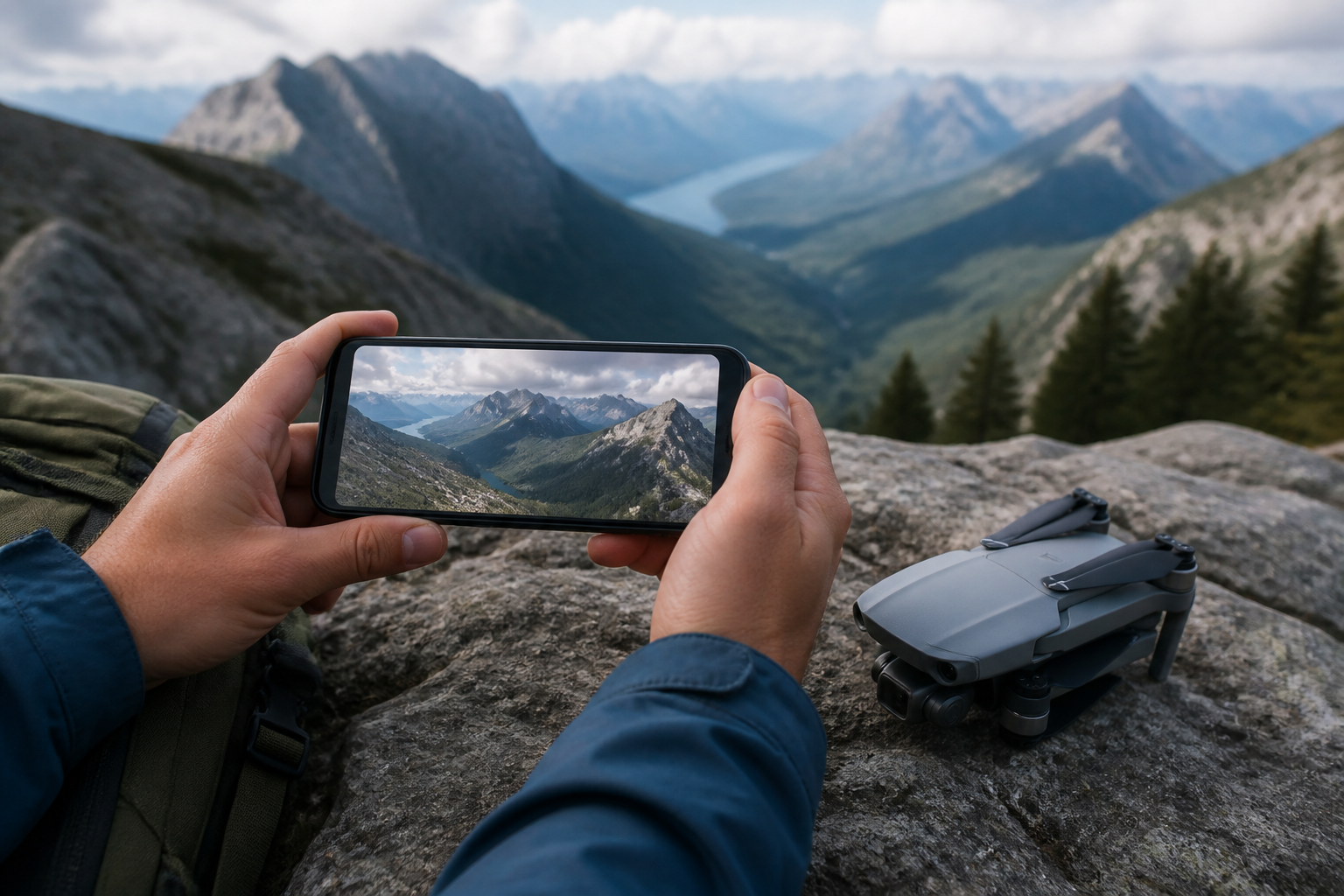
The 1/1.28-inch CMOS with RYYB colour filter captures more light than typical Bayer sensors in the sub-250g class. On overcast hut mornings and blue-hour ridge stops, stills retain cleaner shadows and warmer highlights than Mini 2 SE or even some Mini 3 Pro JPEGs straight out of camera.
50MP resolution gives crop room for vertical social posts without flying closer to terrain — useful when legal or safety margins require standing off a cliff edge. Video is 4K HDR capable; stabilisation is good in light wind but not class-leading in gusty alpine exposure.
App, workflow, and learning curve
Autel's mobile app is functional but not as refined as DJI Fly — expect occasional firmware prompts, less intuitive waypoint features, and a smaller community for troubleshooting on trail. Download offline maps and firmware updates on hotel Wi-Fi before remote hut stages.
If you already edit in Lightroom or Capture One, the Nano+ stills slot cleanly into a photo-first workflow. Video shooters who rely on automated MasterShots-style templates will miss DJI's polish.