Full trail review
In-depth analysis
A niche backup charger for Apple Watch on multi-day hikes when GPS tracking drains the battery faster than your phone.
Suited for hiking · trekking
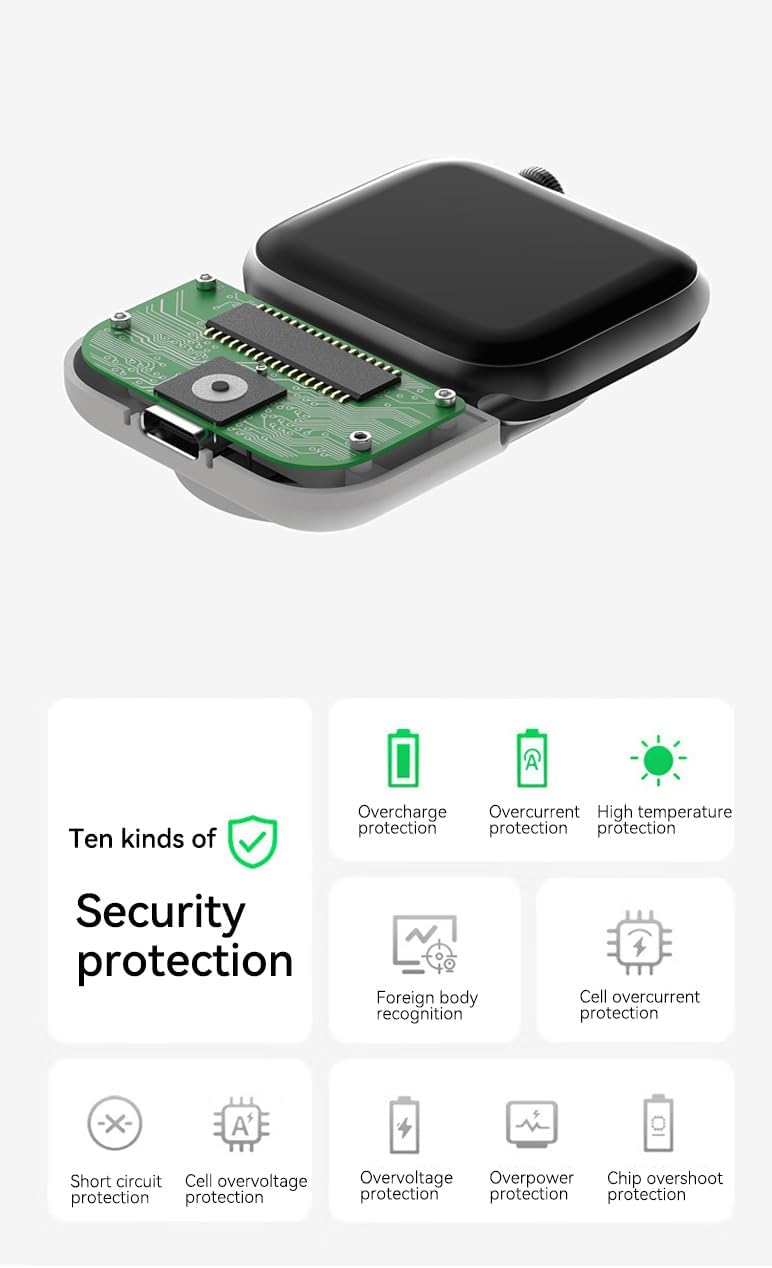
Wearable Power Bank for Apple Watch
At a glance
- Editorial score
- 8.4/10
What we like
- Versatile: great for day hikes and multi-day treks
- Excellent mapping and navigation tools
- Strong build quality and water resistance
- Reliable battery even with GPS tracking
- Large screen for improved readability during hikes
Trade-offs
- Expensive compared to other options
- May feel bulky on smaller wrists
How it compares
hut outlets are shared and slow — a wearable bank lets you top up the watch on the move without waiting for dorm socket access.
Read full review$378.80indicative on Amazon
Ultra 2 lasts a weekend; wearable banks matter on five- to eight-day hut treks with daily GPS tracking enabled.
Read full review$161.00indicative on Amazon
dedicated wearable banks snap on and charge while the watch stays on your wrist during lunch stops — less fumbling than cable docks.
Read full review$161.00indicative on Amazon
if you rely on wrist navigation and health tracking, watch battery management is as real as phone management on long routes.
Read full reviewBottom line
Durable Apple Watch 9H Screen Protector — Tempered glass / 9H hardness film that protects against scratches. Ideal for rocky trails or if your watch often rubs against backpack straps. If you are still deciding, start with the related buying guide on this page for comparisons, then return here to check pricing and availability.
Ready to buy?
Wearable Power Bank for Apple Watch
Buying advice
In our guides it earns the "Also consider" label. Before you buy, compare the alternatives on this page, check return policies, and match capacity or fit to your typical trip length. Read the full category guide linked below for side-by-side comparisons, then sanity-check current pricing. Affiliate links help support the site; recommendations follow the same editorial standards as our trek guides.
Category context
Trail electronics are reviewed for battery realism, not brochure numbers. Cold mornings, GPS logging, and photo bursts drain faster than lab tests — we note what survived full hiking days and what needed a top-up at the hut. For Wearable Power Bank for Apple Watch, apply the same lens: will you use it every day of the trip, or is it dead weight?
How we evaluate gear
HikingWithLee reviews electronics against real trail demands: weight in the pack, reliability in bad weather, comfort over long days, and whether the price matches what you actually get on a hut trek or multi-day hike. Wearable Power Bank for Apple Watch is scored in context — not as an isolated Amazon listing — using hands-on notes where we have them and structured research from our buying guides where we do not. We retest assumptions against packing lists, trek conditions, and competitor models before updating scores.
Ready to buy?
Wearable Power Bank for Apple Watch
What matters on the trail
Weight and cable clutter matter on hut treks. We prefer gear that charges from a single USB-C power bank and survives damp pack conditions. For Wearable Power Bank for Apple Watch, apply the same lens: will you use it every day of the trip, or is it dead weight?
Features That Matter (and Why)
- Battery Life → Impacts how often you stop to charge. Essential for safety on longer trips. - GPS Accuracy → Makes the difference between staying on-trail or getting lost. Dual-frequency GPS works best in mountains or canyons. Advanced GPS capabilities, such as multi-band or multi-satellite support, are crucial for reliable navigation and precise location tracking. - Maps & Navigation → Some watches only track; others show full topographic maps. Maps help if you hike in new or complex terrain. - Durability & Water Resistance → A proper hiking watch should handle rain, snow, and rough use. Look for at least 10 ATM water resistance. - Weight & Comfort → Heavier watches can dig into your wrist on long days. A lighter option is better for smaller wrists or all-day wear. - Smart Features → Music, notifications, health tracking. These add convenience but often shorten battery life.
Step-by-Step: How to Choose a Hiking Watch
- Define Your Hiking Style - *Day hikers:* Need basic GPS, durability, and comfort. A mid-range watch like the Garmin Instinct 2 works well. - *Multi-day trekkers:* Require long battery life and offline maps. Think Garmin Fenix 7 or Suunto Vertical—these are ideal as a backpacking watch for extended trips. - *Expedition/adventure hikers:* Battery endurance is critical. Coros Vertix 2 leads here. - *Casual outdoor + everyday use:* If you want a watch that transitions from office to trail, Apple Watch Ultra 2 is ideal. 1. Prioritize Battery Life - Weekend hikes? A 2–3 day battery is fine. - Multi-day treks? Look for 50+ hours in GPS mode. - Expeditions? Go for weeks-long endurance like Coros Vertix 2. 1. Consider Navigation Needs - Do you want *breadcrumb trails* (basic GPS tracks)? That’s enough for casual hikes. - Need *full topo maps* and turn-by-turn navigation? Go for Garmin Fenix 7
Accessories to Consider for Your Hiking Watch
A few well-chosen accessories can make a big difference in how well your hiking watch holds up in the wild—and how useful it is day to day. Choosing the right watch band is especially important, as the material, comfort, and durability of the band greatly affect overall comfort and suitability for outdoor activities. Below are recommendations and products to help protect, power, and customize your watch so it matches your trails.
Here are some high-quality accessories currently available. These are not exhaustive, but they’re solid choices. Prices are approximate at time of writing.
These add-ons are small cost compared to the watch, but they go a long way in extending its lifespan and improving your experience.
Features Head-to-Head: Solar vs Non-Solar Charging
- Solar Charging (Garmin Instinct 2, Suunto Vertical) - *Best for:* Hikers who spend long days outside. Solar extends battery life, sometimes indefinitely in sunny conditions. - *Downside:* Solar rarely replaces charging entirely. It just reduces how often you need to plug in. Using low power mode can further extend battery life by reducing sensor activity and data collection frequency, which is especially useful during extended outdoor activities. - Non-Solar Charging (Apple Watch Ultra 2, Coros Vertix 2) - *Best for:* Those who don’t mind carrying a power bank. Non-solar models often come with larger batteries upfront. - *Downside:* You’re fully dependent on plugging in, which can be tricky on multi-day treks. 👉 The takeaway: Don’t just ask *“what’s the best hiking watch?”* Ask *“what kind of hiker am I, and what features will actually improve my time on the trail?”* Once you know tha