
Best Hiking Daypacks of 2025: Trail-Tested Reviews for Every Type of Hiker

Struggling to find a hiking daypack that fits right, holds your gear, and doesn’t leave your shoulders aching halfway through the trail? A comfortable daypack—with features like cushioned suspension systems and ergonomic design—can make all the difference, providing the support you need for extended wear. With so many options out there, it’s easy to end up with a bag that’s either overkill or just not built for the job.
The wrong daypack can turn a great hike into a frustrating experience—think sweaty backs, poor weight distribution, or not enough room for snacks, layers, or your water bladder. And when every brand claims theirs is the “best hiking daypack,” how do you really know what’s worth your money?
In this guide, we cut through the noise with detailed hiking daypacks reviews, real-world insights, and clear recommendations based on comfort, durability, and features that actually matter on the trail. Whether you’re heading out for a quick forest loop or an all-day alpine adventure, you’ll find the perfect fit here.
This site contains affiliate links to products. We may receive a commission for purchases made through these links at no extra cost to you. Our recommendations are based on thorough research and real-world testing to provide you with the best options. We appreciate your support, which helps us continue to offer valuable content.
Also Read: Hiking Essentials for Beginners
Quick Summary
Our picks for the best daypacks of 2025
👟 Best for Fast & Light Adventures: Salomon Trailblazer 20 – minimalist and snug; a lightweight pick among the best daypacks for speed and agility
🎒 Best Overall: Osprey Talon 22 / Tempest 20 – lightweight, supportive, versatile; a top choice among the best daypacks for most hikers
🏞️ Best for Long Day Hikes: Deuter Futura 26 – ventilated, great weight distribution; one of the best daypacks for extended outings
💰 Best Budget Option: REI Co-op Flash 22 – simple, affordable, functional; a budget-friendly entry in the best daypacks category
🐾 Best for Short Hikes & Urban Trails: Patagonia Atom Sling – compact and casual; ideal for those seeking the best daypacks for city and short trail use
💧 Best Hydration Pack: CamelBak M.U.L.E. – hydration-focused, trail-tested; stands out among the best daypacks for hydration needs
Also Read: Best Hiking Poles
Introduction to Day Hiking
Day hiking is one of the most accessible and rewarding ways to experience the outdoors. Whether you’re exploring a local forest trail, climbing a scenic overlook, or just getting some fresh air with friends, a day hike lets you enjoy nature without the need for overnight camping. The beauty of day hiking is that you can tailor your adventure to your schedule and fitness level—just grab your hiking backpack, pack your essentials, and hit the trail.
A good hiking backpack (also called a daypack) is the cornerstone of any successful day hike. It’s designed to comfortably carry everything you need for a day on the trail: water, snacks, extra layers, and safety gear. With the right hiking pack, you’ll have easy access to your gear, balanced weight on your back, and the freedom to focus on the journey—not on sore shoulders or missing essentials. In this section, we’ll introduce you to the basics of day hiking and help you understand the different types of hiking packs available, so you can choose the best fit for your next adventure.
Also Read: Best Hiking Headlamps
Types of Hiking Packs
Choosing the right hiking pack can make all the difference in your comfort and enjoyment on the trail. There are several types of hiking backpacks, each designed for specific activities and gear needs:
- Lightweight hiking backpacks: Perfect for short day hikes, these packs are compact and easy to carry. They’re ideal when you only need to bring the basics—water, a snack, and a light jacket. Their minimal design and lighter weight make them a favorite for quick outings or those who prefer to travel with minimal gear.
- Hiking backpacks: These are the go-to choice for longer day hikes or when you need to carry more gear. With extra capacity, multiple compartments, and features like padded shoulder straps and hip belts, these packs help distribute weight evenly and keep you comfortable, even with heavier loads. Look for options with zippered pockets and organizational features for easy access to your essentials.
- Trekking packs: Built for multi-day adventures, trekking packs are designed to handle heavy loads and larger volumes of gear. They often include specialized features like sleeping bag compartments, exterior attachment loops, and robust support systems. While they’re more than you’ll need for a typical day hike, they’re essential for overnight trips or when you need to carry a lot more gear.
- Running packs: If you’re into trail running or fast-and-light hiking, running packs are a great choice. These small, lightweight packs fit close to the body and often include hydration sleeves, phone pockets, and minimal padding for maximum agility. They’re designed for lighter loads and quick access to water and fuel on the move.
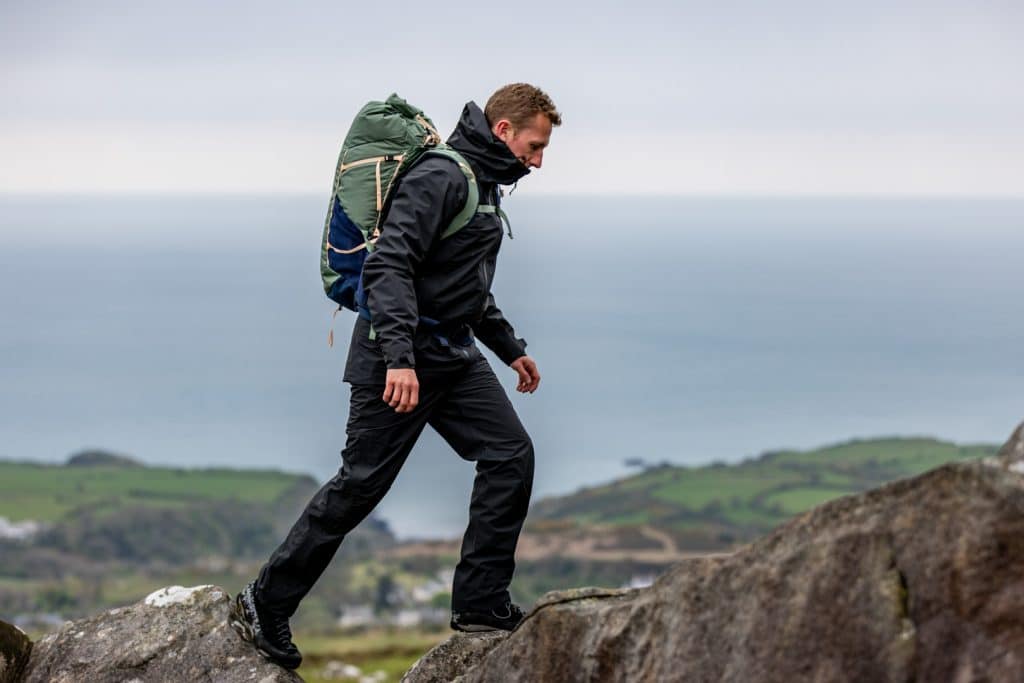
When selecting a hiking pack, consider the type of hiking you’ll be doing, how much gear you need to carry, and which features—like comfortable shoulder straps, supportive hip belts, or secure zippered pockets—will make your hike more enjoyable. The right hiking backpack will keep your load balanced and your essentials within easy reach, no matter how far you roam.
Also Read: Best Hiking Tents
The Best Hiking Daypacks Reviews
1. Osprey Talon 22 / Tempest 20 – Best Overall Hiking Daypack
Osprey Talon 22
The Osprey Talon 22 (men) and Tempest 20 (women) are versatile daypacks made for serious hikers. Compared to other packs, they offer more versatility for a range of hiking and outdoor activities, making them suitable for everything from short nature walks to challenging summit attempts. Whether you’re doing a 10km nature walk or a 25km summit attempt, these packs offer a near-perfect balance of comfort, storage, and functionality. What sets them apart is the adjustable fit, breathable design, and Osprey’s long-standing reputation for quality gear.
Price: $140

From the first time I loaded this pack for a ridge hike, I noticed how well it hugged my back—no shifting weight, no hot spots, no pinching. The AirScape back panel genuinely kept my shirt drier than any other pack I’ve tested. The adjustable harness made it feel tailored to my frame, and the side mesh pockets were deep enough to actually hold a water bottle without it flying out. The hipbelt pockets are especially useful for keeping small essentials like snacks, a phone, or a multi-tool within easy reach while on the move.

In comparison to lighter options like the Salomon Trailblazer 20, the Talon/Tempest line gives you more support, better load control, and superior storage. It’s not the lightest, but the comfort and structure more than make up for the extra grams.
Reasons to Buy
Reasons to Avoid
If you want one pack that does it all—comfort, durability, and smart storage—this is the one to buy. Perfect for hikers who want a reliable, trail-ready companion for years to come. See it on Amazon ->
2. REI Co-op Flash 22 – Best Value for Money
REI Co-op Flash 22
The REI Flash 22 is a lightweight, affordable pack built for everyday trails and budget-conscious hikers. If you’re not heading up a mountain but still want a reliable, comfortable bag, this is an excellent pick. While many packs offer a wide range of features and versatility for different activities, the Flash 22 stands out for its simplicity and value. It’s simpler than Osprey or Deuter models, but shines in price and flexibility.
Price: $60
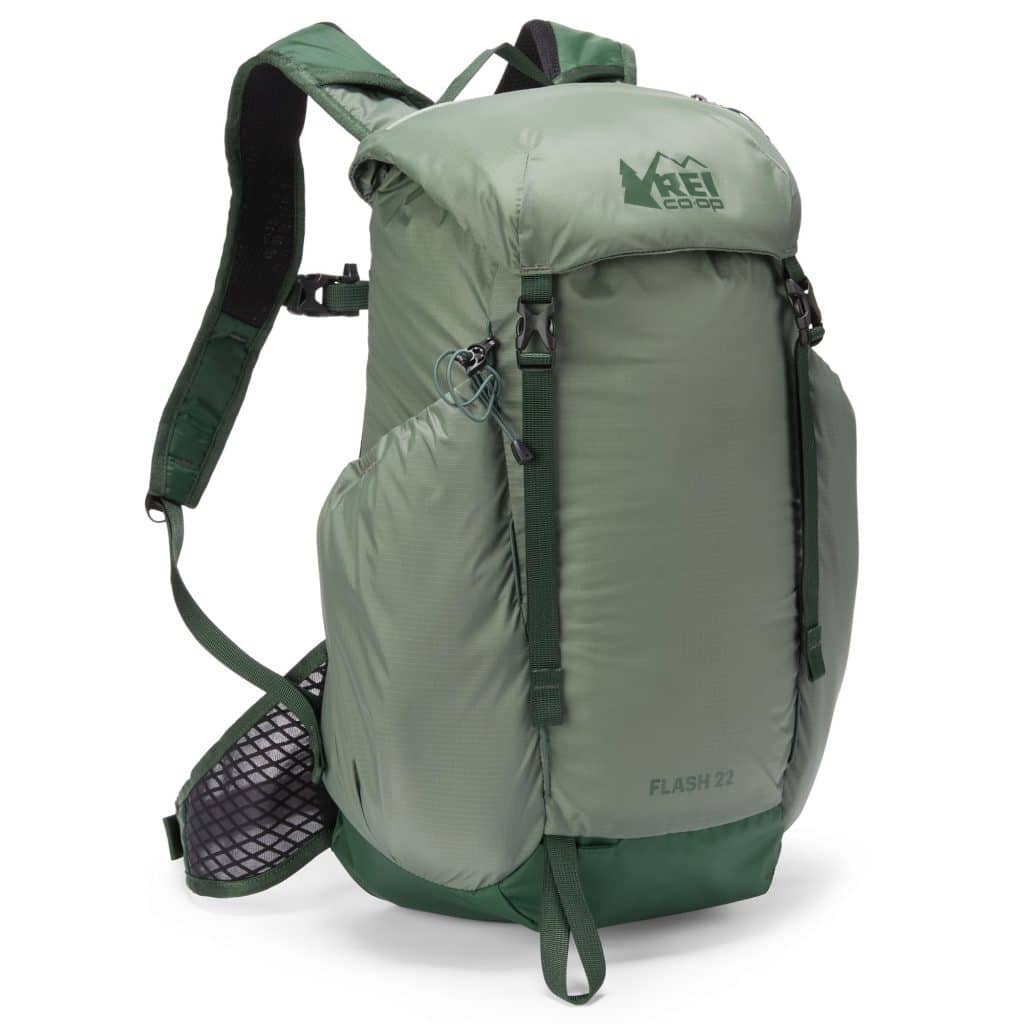
I used the Flash 22 on several low-elevation hikes around the Netherlands and appreciated how easy it was to toss in gear without overthinking organization. The front stash pocket was especially handy for storing quick-access items like a wind layer or snacks, making it simple to grab essentials on the go. It felt featherlight on my back, even with a hydration bladder, snacks, a shell, and camera inside. The shoulder straps are lightly padded and breathable, and while there’s no frame, it never felt floppy unless overloaded.
Also Read: Best Hiking Gloves
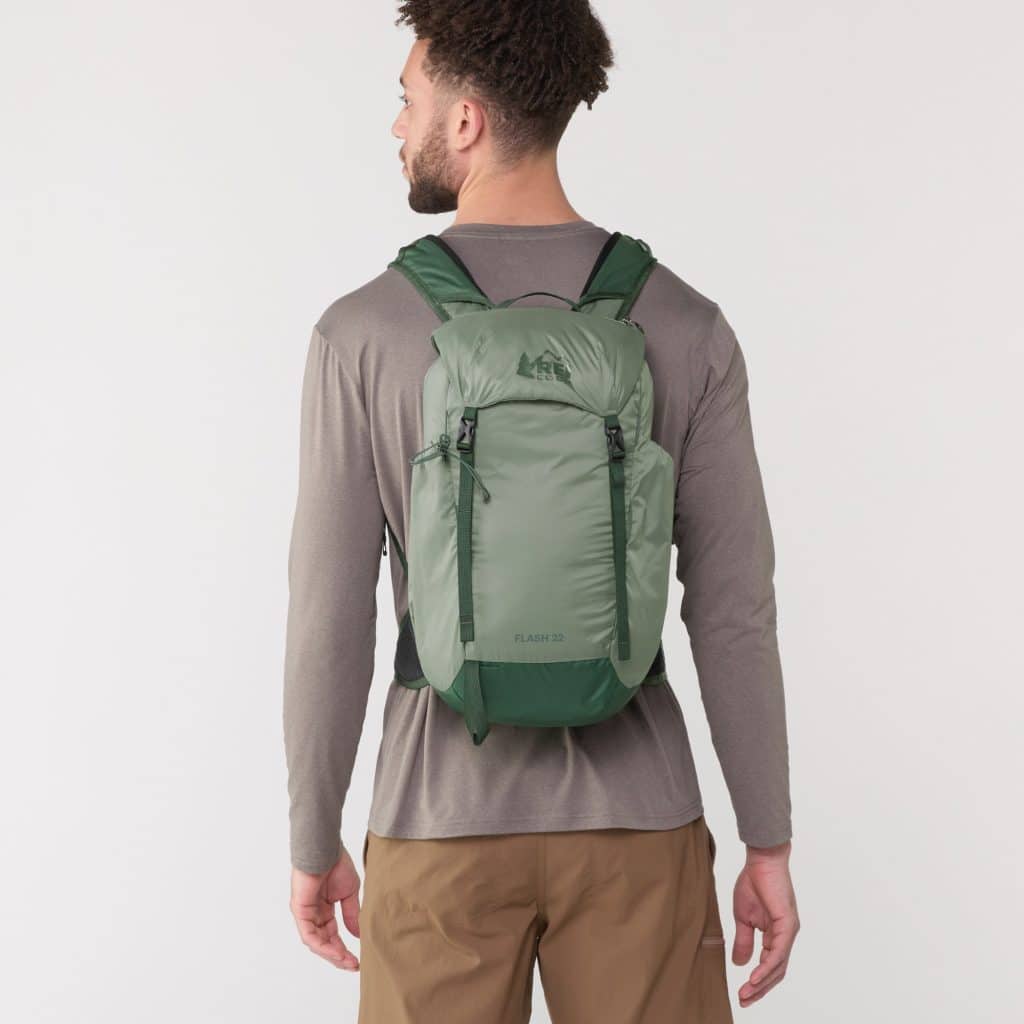
It’s perfect for half-day hikes, sightseeing trips, or travel. Against premium brands, it’s clearly more basic—but at under $70, it’s an incredible deal for what you get.
Also Read: Best Hiking Rain Jackets
Reasons to Buy
Reasons to Avoid
A solid choice for casual hikers or budget-conscious adventurers. Lightweight, no-frills, and versatile enough for trails, travel, or everyday use. See it on Amazon ->
3. Deuter Futura 26 – Best for Long Day Hikes
Deuter Futura 26
If you’re hiking in hot weather or going the distance, the Deuter Futura 26 is your pack. Its ventilated back panel and framed structure make it stand out for comfort, especially with moderate loads and heavier loads. This pack is well-suited for carrying moderate loads on longer hikes. It’s ideal for day-long hikes in variable terrain.
Price: $217

On a humid 25°C hike through Madeira, this pack kept my back cool and my gear dry—even with a sweat-soaked shirt underneath. The steel frame provides subtle bounce, helping reduce fatigue over 15+ kilometers. The included rain cover came in handy during an unexpected downpour, offering added weather protection, and nothing inside was damp.
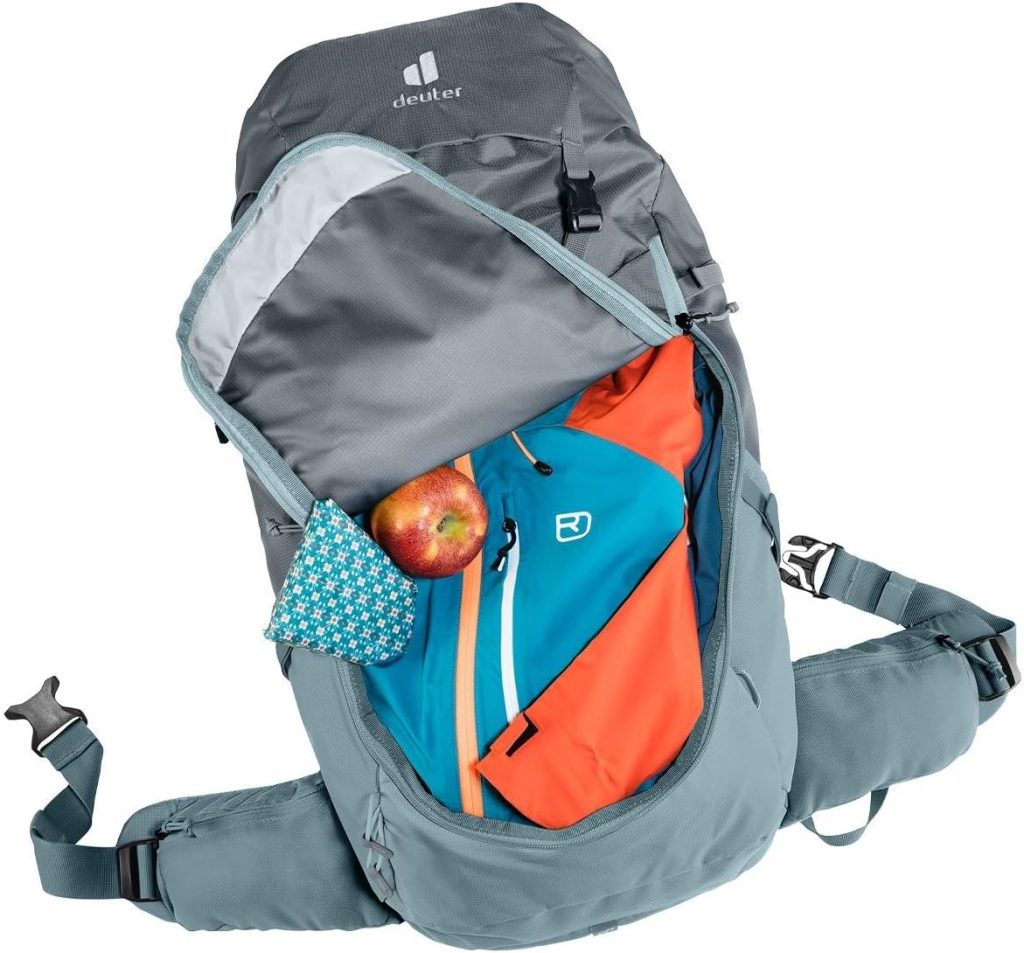
Compared to Osprey’s packs, the Futura 26 feels more rugged and stable, but not quite as body-hugging. It’s heavier, but that’s the tradeoff for ventilation and comfort under load.
Reasons to Buy
Reasons to Avoid
Ideal for long or challenging hikes where ventilation and weight distribution matter most. A high-comfort, high-performance pack built for endurance. See it on Amazon ->
4. Salomon Trailblazer 20 – Best for Minimalist Hikers
Salomon Trailblazer 20
The Trailblazer 20 is built for fast-and-light hikers, runners, or active travelers. It’s not meant for carrying lots of gear, but it excels when you want to move quickly and comfortably without the bulk of traditional hiking bags. The Trailblazer 20 is also perfect for a quick hike or spontaneous outdoor adventure.
Price: $82

I used this pack during a trail run through the dunes and loved how secure it felt—no bouncing, no chafing. It fits snugly like a hydration vest but still has room for layers, snacks, and essentials. The back panel wicks sweat well, and the whole pack dries fast if you get caught in the rain.

The Trailblazer 20 is one of the small packs ideal for lightweight pursuits, offering just enough capacity for minimal gear on day trips or fast hikes. Compared to bulkier daypacks, it’s limited in storage—but for minimalist hikers, this is the tradeoff you want. It also looks modern enough to double as a city backpack.
Also Read: Best Hiking Boots
Reasons to Buy
Reasons to Avoid
For fast hikers and light packers, this is a sleek, comfortable option that stays out of your way while keeping essentials within easy reach. See it on Amazon ->
5. CamelBak M.U.L.E. – Best Hydration Pack
CamelBak M.U.L.E.
The CamelBak M.U.L.E. is designed around staying hydrated—and it excels at that. An internal sleeve is included to securely hold the hydration reservoir, keeping it organized and easily accessible. It’s a favorite among mountain bikers, but works equally well for short, high-output hikes where hydration matters most.
Price: $130
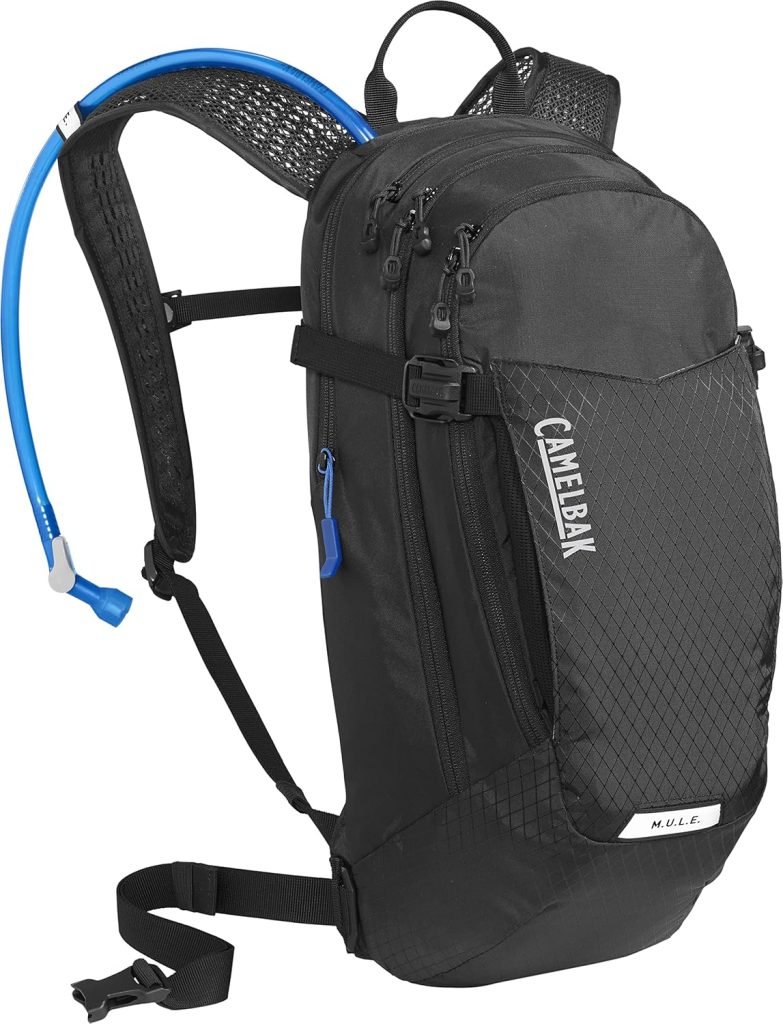
On the Fimmvörðuháls trail in Iceland, I used this for a steep 8km day and was impressed by how often I drank water without breaking stride. The hose stays secure via a magnetic clip, and the bladder holds plenty without sloshing around. The pack itself is compact but offers room for essentials like a windbreaker, energy bars, and a small camera.
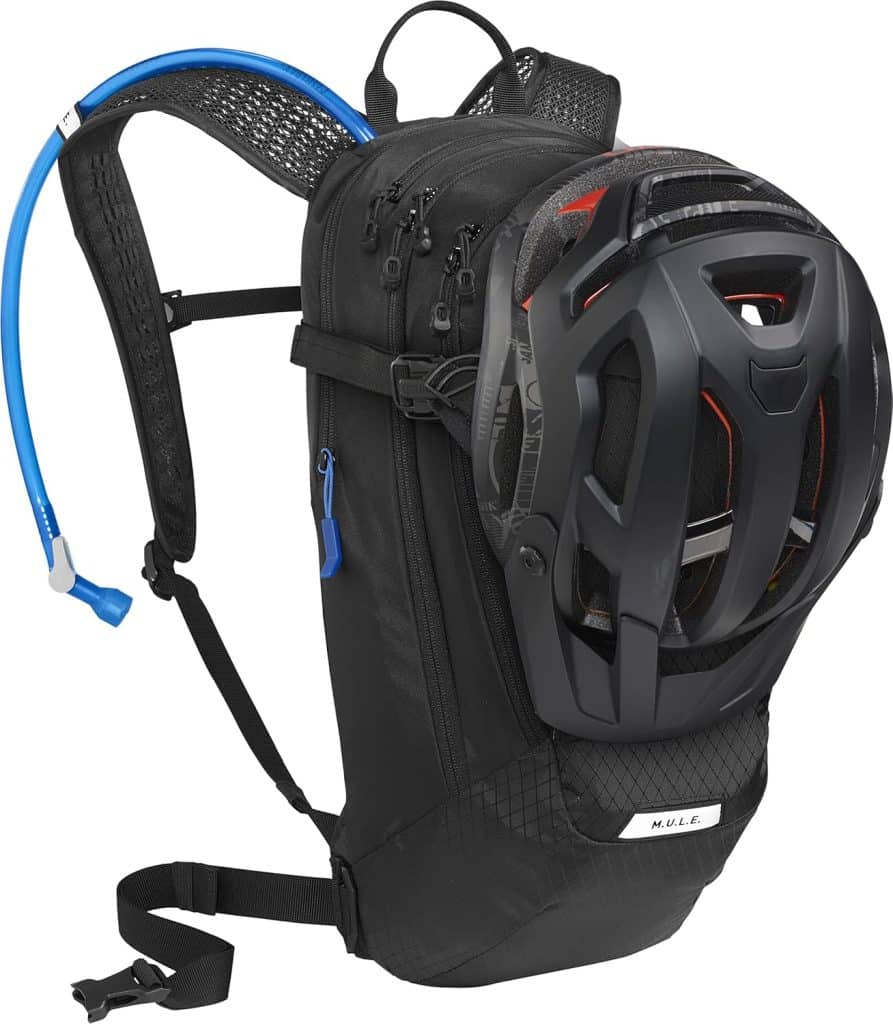
It doesn’t hold as much gear as other packs on this list—and it’s not designed to carry more weight like larger, framed packs—but for desert hikes or hot summer days, it keeps you cool and hydrated better than most.
Reasons to Buy
Reasons to Avoid
Bottom Line:
When hydration is your top priority, this pack delivers. Best for hot climates, fast hikes, or biking where water access and lightweight storage are key. See it on Amazon ->
Hiking Gear and Accessories
A comfortable hiking backpack is just the start—having the right hiking gear and accessories can make your day hike safer, more comfortable, and a lot more fun. Here’s a quick checklist of essentials to consider packing for your next outing:
- Hiking boots or shoes: Supportive, well-fitted footwear is key for tackling uneven terrain and keeping your feet happy all day.
- Clothing: Dress in layers and pack extras like a rain jacket, hat, and gloves to stay comfortable in changing weather.
- Navigation tools: Always bring a map and compass, and consider a GPS device or smartphone with a reliable GPS app for backup.
- First aid kit: A small kit with bandages, antiseptic wipes, and pain relievers can handle minor injuries and keep you prepared.
- Hydration: Carry a water bottle or hydration bladder in your hiking backpack, and think about bringing a water filter or purification tablets for longer hikes.
- Food: Pack enough snacks and lunch to keep your energy up. If you plan to cook, a lightweight stove and pot can be a great addition.
- Headlamp or flashlight: Even if you plan to finish before dark, it’s smart to have a light source in case your hike takes longer than expected.
- Emergency shelter and warmth: A compact emergency blanket and a warm hat can be lifesavers if the weather turns or you need to stop unexpectedly.
When choosing your hiking gear, think about the specific demands of your day hike—distance, terrain, and weather all play a role in what you’ll need. Always check the forecast and trail conditions before you head out, and make sure your hiking backpack is packed with everything you need for a safe and enjoyable adventure.
Hiking Daypack Buying Guide
Finding the best hiking daypack isn’t just about picking the most popular brand or the one with the most pockets. It’s about understanding your needs, your hiking style, and how specific features will make your outdoor experience better—or worse.

This guide will help you find the best daypack for your needs by evaluating key features and suitability for different activities.
Below is a practical guide to help you make an informed decision before you buy.
If you’re still unsure which pack to choose, consider a versatile option in the 20- to 30-liter range, as it works well for a variety of adventures.
Also Read: Best Hiking Watches
How to Choose the Right Hiking Daypack: Step-by-Step
- Start with Your Hike Type – Are you doing casual half-day forest walks? All-day alpine treks? Trail running?
- Short hikes (1–3 hours): 10–18L capacity is enough for water, a snack, and a layer.
- Moderate hikes (3–6 hours): 18–24L packs give room for lunch, extra layers, first aid, and gear.
- Full-day hikes (6+ hours): 24–30L capacity lets you carry food, water, clothing, camera gear, and safety items.
- Check for Fit and Comfort – Fit matters more than features. Look for:
- Adjustable torso length (especially if you’re tall or petite)
- Padded, ventilated back panels to reduce sweating
- Hip belts and sternum straps for weight distribution
Many packs are available in multiple sizes to accommodate different body types, ensuring a better fit for everyone.
A poorly fitting pack can cause shoulder pain or back fatigue—even on short hikes.
- Decide on Hydration Setup
- If you hike in hot climates or like hands-free drinking, go for a hydration bladder-compatible pack (like the CamelBak M.U.L.E.).
- If you prefer water bottles, make sure the side pockets are deep and tight enough to hold them securely.
- Think About Gear Access
- Top-loading packs offer more volume and a cleaner silhouette, but make gear harder to access.
- Zippered front or panel access gives quick reach to snacks, rain jackets, and cameras.
- Hip belt pockets = hands-free snacking = happiness.
- Don’t Ignore the Weight
- For short hikes or travel: under 500g (1 lb)
- For long hikes or framed packs: 800g–1.4 kg (1.8–3 lbs)
- Heavier packs usually offer more comfort and support—but only if you’re carrying a load that justifies it.
Key Features and How They Impact Your Experience
| Feature | Why It Matters |
|---|---|
| Capacity (L) | More liters = more gear, but also more bulk. Match capacity to hike duration. |
| Back Panel Ventilation | Reduces sweating and improves comfort on hot or strenuous hikes. |
| Frame or Frameless | Frames offer support for heavier loads. Frameless packs are lighter and simpler. |
| Hydration Compatibility | Lets you use a bladder for hands-free hydration. Essential for long/hot hikes. |
| Hip Belt & Sternum Strap | Help distribute weight and improve stability—especially on uneven terrain. |
| Rain Cover | Keeps your gear dry in sudden downpours. Not always included—check before buying. |
| Compression Straps | Help secure contents and reduce bounce. Especially useful for under-filled packs. |
| Zippered Pocket | Provides secure storage for valuables like your phone, wallet, or small gear, and allows easy access during activities. |
Framed vs Frameless: Which One Do You Need?
| Feature | Framed Daypack | Frameless Daypack |
|---|---|---|
| Best For | Long hikes, uneven terrain, heavier loads | Short hikes, travel, minimalist gear setups |
| Support | Internal frame provides structure and load balance | Relies on your packing for structure |
| Ventilation | Often better airflow with mesh frame systems | Some airflow, but less breathable |
| Weight | Heavier (800g–1.4 kg) | Very light (300–600g) |
| Comfort | More comfortable under load | May feel floppy or dig into back if overloaded |
| Laptop Sleeve | Rarely included | Often features a dedicated, padded laptop sleeve for added protection and organization, especially in commuter or urban daypacks |
Final Advice Before You Buy
- Always try it on if possible. Shoulder straps and torso lengths vary a lot. What fits me may not fit you.
- Match the pack to your hiking frequency. Don’t overpay for high-tech features you’ll never use.
- If in doubt, go for versatility. Packs like the Osprey Talon/Tempest hit the sweet spot between minimalist and full-featured.
- Consider how the pack works for your needs. Think about how the pack works for your specific activities—whether it’s hiking, commuting, or travel—to ensure it suits all your intended uses.
A well-fitting, thoughtfully chosen daypack can turn a decent hike into a truly great one. Now that you know what to look for, you’re one step closer to finding the perfect companion for your next trail.
Also Read: Best Hiking Backpacks
Conclusion
Finding the best hiking daypack doesn’t have to be overwhelming. Whether you’re a seasoned hiker or just starting out, the right pack can make every trail feel lighter, more organized, and more enjoyable.

Here’s a quick recap of our top picks:
- Best Overall: Osprey Talon 22 / Tempest 20 – perfect for all-around hikers who want comfort, versatility, and quality. These packs are also ideal for all-day adventures on the trail, offering the durability and organization needed for extended outings.
- Best Value for Money: REI Co-op Flash 22 – great for beginners or casual hikers who want a lightweight, reliable pack without spending a lot.
- Best for Long Day Hikes: Deuter Futura 26 – ideal for those doing longer treks and wanting maximum comfort and airflow.
- Best for Minimalist Hikers: Salomon Trailblazer 20 – a compact, sleek pack for fast-paced hikes or light travel.
- Best Hydration Pack: CamelBak M.U.L.E. – designed for hot climates or high-output activities where hydration is key.
If you’re only buying one pack and want something that can handle everything from forest trails to mountain ascents, go for the Osprey Talon 22 or Tempest 20. It’s an investment that pays off in comfort, reliability, and trail readiness.
What to do next:
Check your hiking habits, decide how much gear you usually carry, and choose the daypack that fits your adventure style. Remember, there are daypacks designed specifically for plus size hikers, offering features like wider shoulder harness angles and larger hipbelts for a comfortable fit. Then hit the trail with confidence—your back (and shoulders) will thank you.
Ready to buy? Scroll back to the product you loved most and click through to check prices and availability. Your perfect daypack is just one hike away.
FAQ – Best Hiking Daypacks
Here are answers to some of the most common questions hikers have when choosing the right daypack:
🧢 What size daypack do I need for day hiking? Most day hikers do well with a 15–30 liter pack.
- 10–18L is enough for short walks (1–3 hours) with just water, a snack, and a layer.
- 18–24L suits medium hikes and allows space for food, layers, and gear.
- 24–30L is best for long hikes or carrying extra items like a DSLR, first aid, or extra clothing.
💧 Do I need a hydration bladder or are water bottles enough? It depends on personal preference and hike duration.
- Hydration bladders are great for hands-free drinking and longer hikes.
- Water bottles are simpler and easier to refill. If you choose bottles, make sure your pack has deep, secure side pockets.
🎒 What’s the difference between a hiking daypack and a regular backpack? Hiking daypacks are designed for trail performance, not just carrying things.
- They have padded, ventilated back panels, sternum straps, hydration compatibility, and are built to reduce fatigue.
- Many hiking daypacks also feature exterior attachment points for gear like trekking poles, ice axes, or helmets, making it easier to carry trekking poles securely.
- Regular backpacks often lack these features and can be uncomfortable on longer hikes.
🌦️ Do all daypacks come with a rain cover?No—not all packs include a rain cover. Some (like the Deuter Futura 26) come with one built-in, while others (like the Osprey Talon/Tempest) require a separate purchase. Always check the product listing if waterproofing is important to you.
🚻 Are there specific packs for men and women?Yes. Many top brands (like Osprey and Deuter) offer gender-specific models with adjusted torso lengths, shoulder strap shapes, and hip belt angles to improve fit.
- Men’s packs usually have longer torsos and wider shoulders.
- Women’s packs are shorter, with curved straps for better comfort.
🧽 How do I clean a hiking daypack?
- Empty it completely and shake out any debris.
- Use a damp cloth and mild soap to spot clean.
- Avoid machine washing or harsh detergents, which can damage the materials and coatings.
- Air dry thoroughly before storing.
🦯 What are trekking pole holders and why are they useful? Trekking pole holders are dedicated attachment points on a daypack designed to securely hold trekking poles when not in use. They help organize your trekking poles, keeping them easily accessible and preventing them from swinging or getting lost during your hike.
🛏️ What is a sleeping bag compartment in a daypack? Some larger daypacks include a sleeping bag compartment at the bottom of the pack. This dedicated space makes it easy to store and access a sleeping bag or other compressible gear, which is especially useful for overnight trips.
🪢 What are pad straps used for? Pad straps are accessory straps on a backpack designed to carry sleeping pads or mats externally. They are practical for minimalist overnight trips or when you need to bring a sleeping pad for comfort or insulation.
🦵 What is the role of a waist belt on a daypack? A waist belt helps stabilize the pack and transfer some of the load to your hips, reducing shoulder fatigue and improving comfort, especially on longer hikes or when carrying heavier loads.
🏔️ Who are daypacks designed for? Daypacks are suitable for a wide range of users, from casual hikers to mountain athletes. Mountain athletes, in particular, need specialized packs that are lightweight, durable, and equipped with features for fast-paced, high-performance activities in challenging environments.
🛡️ How durable are hiking daypacks? The durability of a hiking daypack depends on the materials used. Packs made with robust materials, durable materials, and thicker fabrics are better able to withstand abrasion from sharp rocks and rough terrain, ensuring longevity even in demanding outdoor conditions.
⚡ What is the Deuter Speed Lite or Speed Lite line? The Deuter Speed Lite and Speed Lite lines are lightweight, technical daypacks designed for hiking, mountain adventures, and fast-paced outdoor activities. They balance low weight with durability, organization, and comfort, making them popular among those who want a feature-rich yet light pack.
🏃♂️ What is the Black Diamond Distance pack and who is it for? The Black Diamond Distance pack is a lightweight, running-inspired daypack built for fast and efficient mountain travel. Its body-hugging shape, technical storage options, and durable construction make it ideal for serious athletes and minimalist enthusiasts tackling challenging mountain terrain.

![The Best Hiking Rain Jacket [2025]: Top Picks for All Weather Conditions](https://www.hikingwithlee.com/wp-content/uploads/2024/11/Best-Hiking-Rain-Jacket-main-768x432.jpg)

![The Best Hiking Tents for Your Next Outdoor Adventure [2025]](https://www.hikingwithlee.com/wp-content/uploads/2024/11/best-hiking-tents-768x432.jpg)